What Phong Nha-Ke Bang actually is
Phong Nha-Ke Bang National Park covers roughly 1,233 square kilometers of limestone karst mountains, underground rivers, and some of the oldest tropical forest in Vietnam (베트남 / 越南 / ベトナム). It sits in Quang Tri province in the north-central coast, about 500 km south of Hanoi and 210 km north of Hue. UNESCO gave it World Heritage status in 2003, then expanded the listing in 2015.
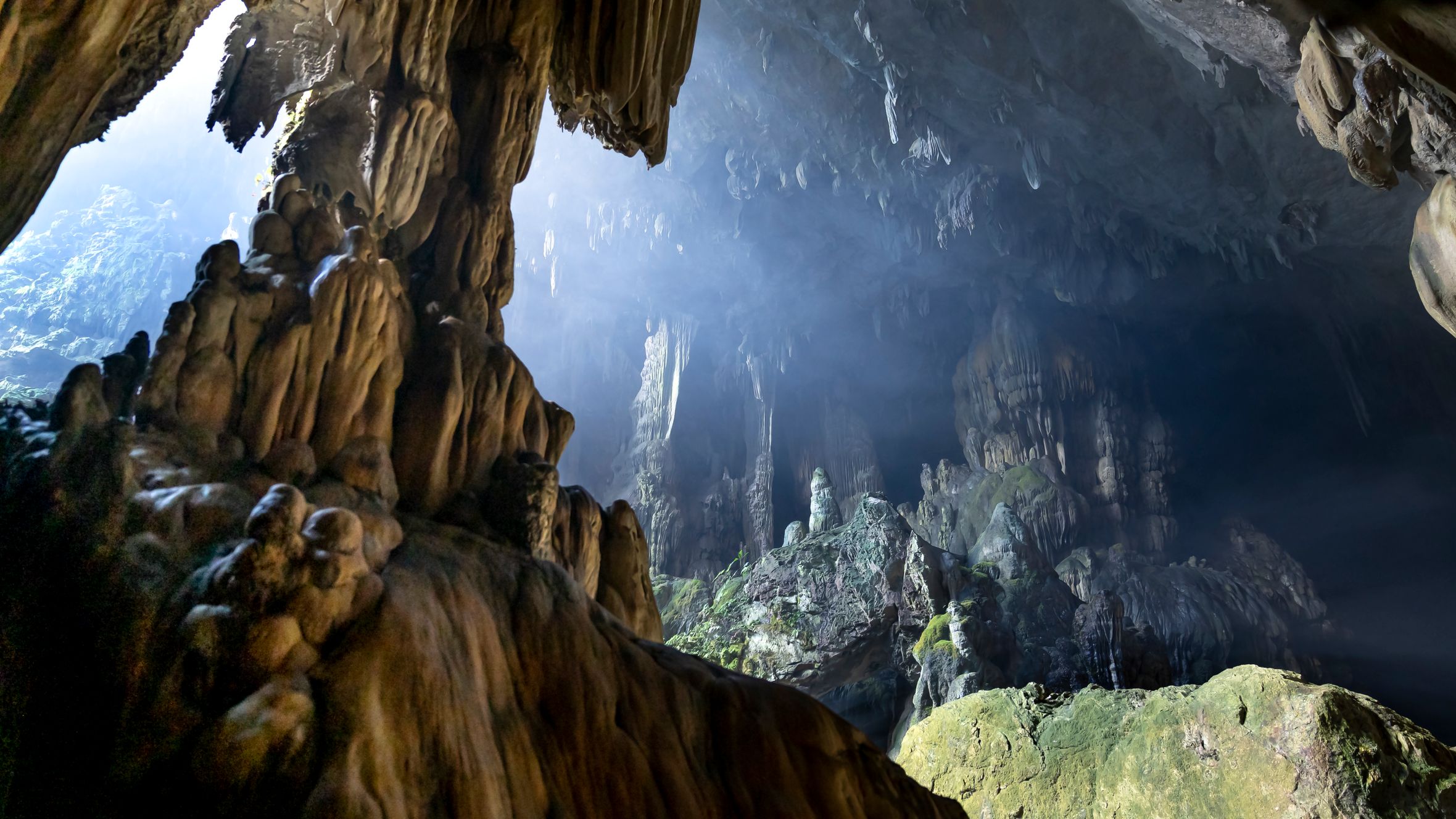
The park contains over 300 caves and grottoes — including Son Doong, the largest cave on the planet by volume. But Son Doong gets all the headlines while the rest of the park quietly offers some of the best adventure travel in Southeast Asia at a fraction of the cost.
Why travelers go
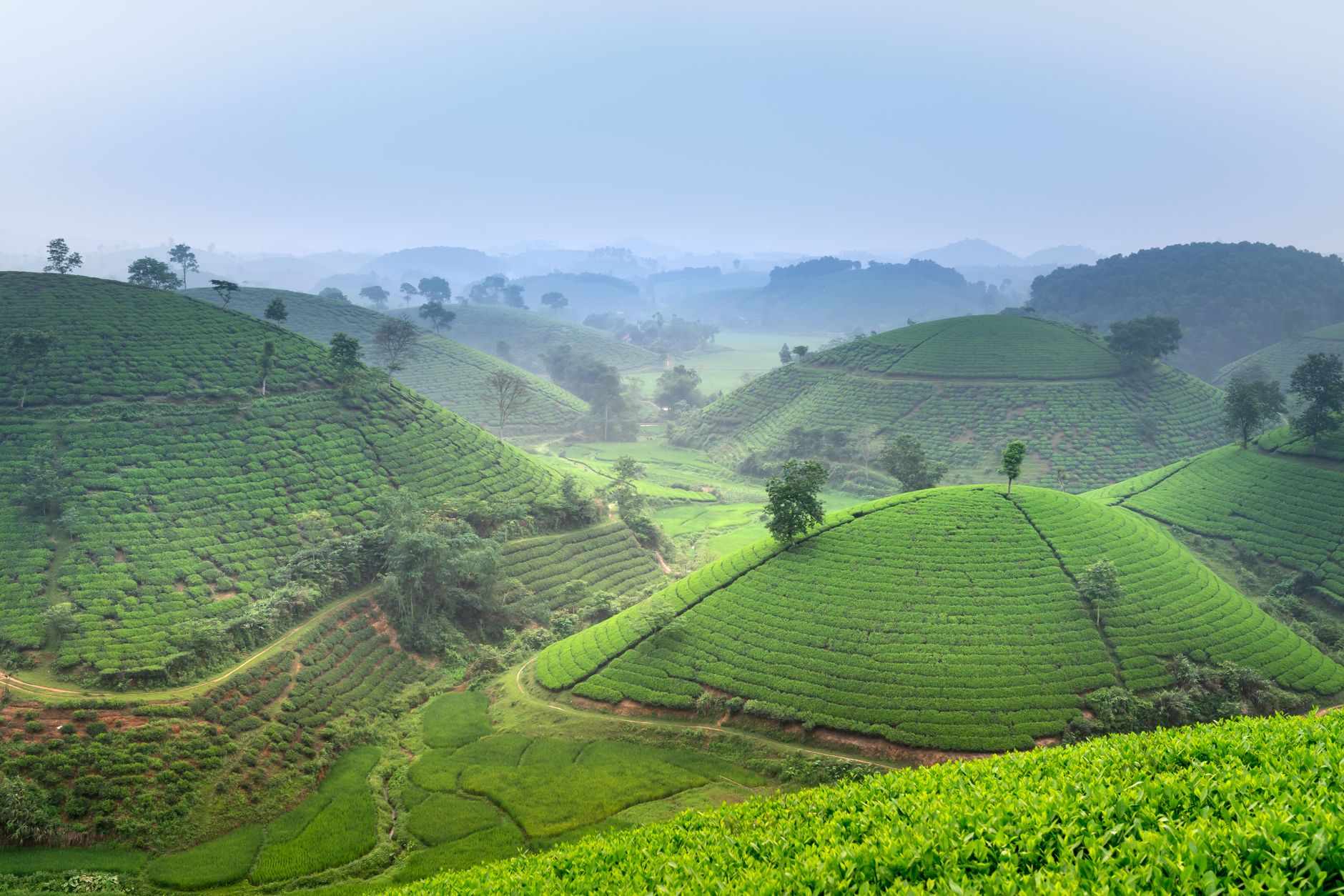
Caves are the obvious draw, but the park earns repeat visits for other reasons. The karst landscape here is around 400 million years old, and the jungle that blankets it is dense, loud, and largely undisturbed. You can spend a day kayaking an underground river, then the next morning zip-lining into a cave mouth, and by afternoon you're on a motorbike winding through rice paddies with the mountains stacked behind you.
The town of Phong Nha (퐁냐 / 峰牙 / フォンニャ) itself — a small strip along the Son River — has grown into a comfortable base with enough guesthouses, bars, and rental bikes to support a few days' stay without feeling overbuilt.
Best time to visit
The sweet spot is February through August. March to May gives you warm, dry weather and manageable crowds. June through August is hotter (35°C+) but the landscape is at its greenest.
Avoid September through November if you can. This stretch brings heavy rain and occasional flooding — some caves close entirely, and road conditions between Dong Hoi and Phong Nha town can deteriorate. December and January are cooler (18-22°C) and occasionally drizzly, but still workable if you don't mind overcast skies.
Son Doong expeditions only run from roughly January to August due to monsoon flooding inside the cave.
How to get there
The nearest transport hub is Dong Hoi, about 45 km southeast of Phong Nha town.
- By air: Vietnam Airlines and VietJet fly Hanoi–Dong Hoi and Saigon–Dong Hoi. Flights take about 1 hour from Hanoi, 1.5 hours from Saigon. Book early and you can find fares from 600,000–1,200,000 VND one way.
- By train: The Reunification Express stops at Dong Hoi station. From Hanoi it's roughly 8-10 hours; from Hue about 3.5 hours. A soft sleeper berth from Hanoi runs around 500,000–700,000 VND.
- Dong Hoi to Phong Nha: Local buses depart from Dong Hoi bus station (around 50,000 VND, 1 hour). A taxi or private car costs 350,000–450,000 VND. Most guesthouses in Phong Nha arrange airport pickups for similar prices.
If you're coming from Hue, some travelers take the direct shuttle buses that several hostels and tour operators run — roughly 250,000 VND, about 4 hours, and they drop you in Phong Nha town.

Photo by Francesco Ungaro on Pexels
What to do
Phong Nha Cave
The park's namesake cave is accessed by a boat ride up the Son River — about 30 minutes each way. Inside, you float through chambers lit to show off the stalactites. Entry plus boat costs around 400,000 VND per person (boats hold up to 14 people, so going with a group brings the price down). It's the most accessible cave in the park and a solid starting point.
Paradise Cave (Thien Duong)
A 31-km-long dry cave with a 1-km boardwalk section open to all visitors (entry around 250,000 VND). The scale is genuinely hard to process — cathedral-sized chambers with formations that look like melted architecture. You can book an extended 7 km trek deeper into the cave with a guide for around 2,500,000 VND if the walkway version leaves you wanting more.
Dark Cave (Hang Toi)
This one is part adventure course, part cave. You zip-line across the river to the entrance, then swim and mud-wade through pitch-black passages before washing off in the river with kayaks. The full package runs about 450,000 VND. It's physical, messy, and genuinely fun — not just a cave you stare at.
Son Doong expedition
The big one. Oxalis Adventure is the sole licensed operator. The 4-day/3-night expedition costs around 70,000,000 VND (roughly $2,800 USD) per person and books out months in advance. It's serious caving — river crossings, underground camping, rope work. If the budget allows and you can secure a slot, it's a once-in-a-lifetime underground experience.
Botanical Garden and jungle trekking
The park's Botanical Garden (entry around 40,000 VND) has a well-maintained trail through primary forest to a waterfall, about 3 km round trip. For something more demanding, Oxalis and Jungle Boss also run multi-day treks through the park's backcountry, combining lesser-known caves with camping.
Where to eat nearby
Phong Nha town has a handful of restaurants along the main road — The Pub with Cold Beer, Bamboo Cafe, and Capture are reliable for Western and Vietnamese dishes. But seek out the local stuff.
"Banh canh" — thick tapioca noodles in a pork or crab broth — is the regional staple here. Look for small shop-front places in town serving it for 25,000–35,000 VND a bowl. "Ram" (crispy fried spring rolls specific to the central coast, cousins of "cha gio") are worth ordering whenever you see them on a menu. For a full meal, grilled pork with rice paper and herbs is cheap, filling, and everywhere.
Where to stay
- Budget (200,000–400,000 VND/night): Hostels and homestays like Easy Tiger and Phong Nha Farmstay Dorms. Basic but clean, and most arrange tours.
- Mid-range (600,000–1,200,000 VND/night): Phong Nha Farmstay (the private rooms), Pepper House, Victory Road Villas. Pools, decent breakfasts, river views.
- Upper (1,500,000+ VND/night): Chay Lap Farmstay & Resort sits a few km outside town with more space and quiet. Not luxury by international standards, but comfortable.
Book directly when possible — most places offer better rates than OTAs.

Photo by Trinh Tuoi on Pexels
Practical tips locals would tell you
- Rent a motorbike. Phong Nha town is small, but the caves and trailheads are spread across a wide area. Manual bikes go for 120,000–150,000 VND/day, automatics for 150,000–200,000 VND. The road from town to Paradise Cave is a beautiful 20 km ride through farmland.
- Bring cash. ATMs exist in town but sometimes run dry. Dong Hoi has more reliable banking. Cards are accepted at some guesthouses and tour operators but not at cave ticket offices or small eateries.
- Book Oxalis tours early. Their popular options (Tu Lan cave system, Hang En overnight, Son Doong) sell out weeks to months ahead, especially in peak season.
Common mistakes to avoid
- Only doing one cave. Phong Nha Cave alone doesn't justify the trip. Budget at least 2-3 days to hit Paradise Cave and Dark Cave too, or one of the multi-day treks.
- Arriving without a plan in rainy season. If you show up in October hoping to wing it, you may find half the activities closed. Check conditions with your guesthouse before booking transport.
- Skipping the countryside. The road between Phong Nha and the Botanical Garden, the Bong Lai Valley loop — these rides through limestone valleys and small villages are as good as anything inside the caves. Don't just shuttle between ticket counters.
Practical notes
Phong Nha-Ke Bang rewards travelers who give it time. Three days is the minimum to get beyond the surface-level cave visits and into the jungle treks and river trips that make this park worth the detour. It pairs naturally with a few days in Hue to the south or a stop in the Demilitarized Zone area on the way north.
Last updated · May 29, 2026 · independently researched, never sponsored.