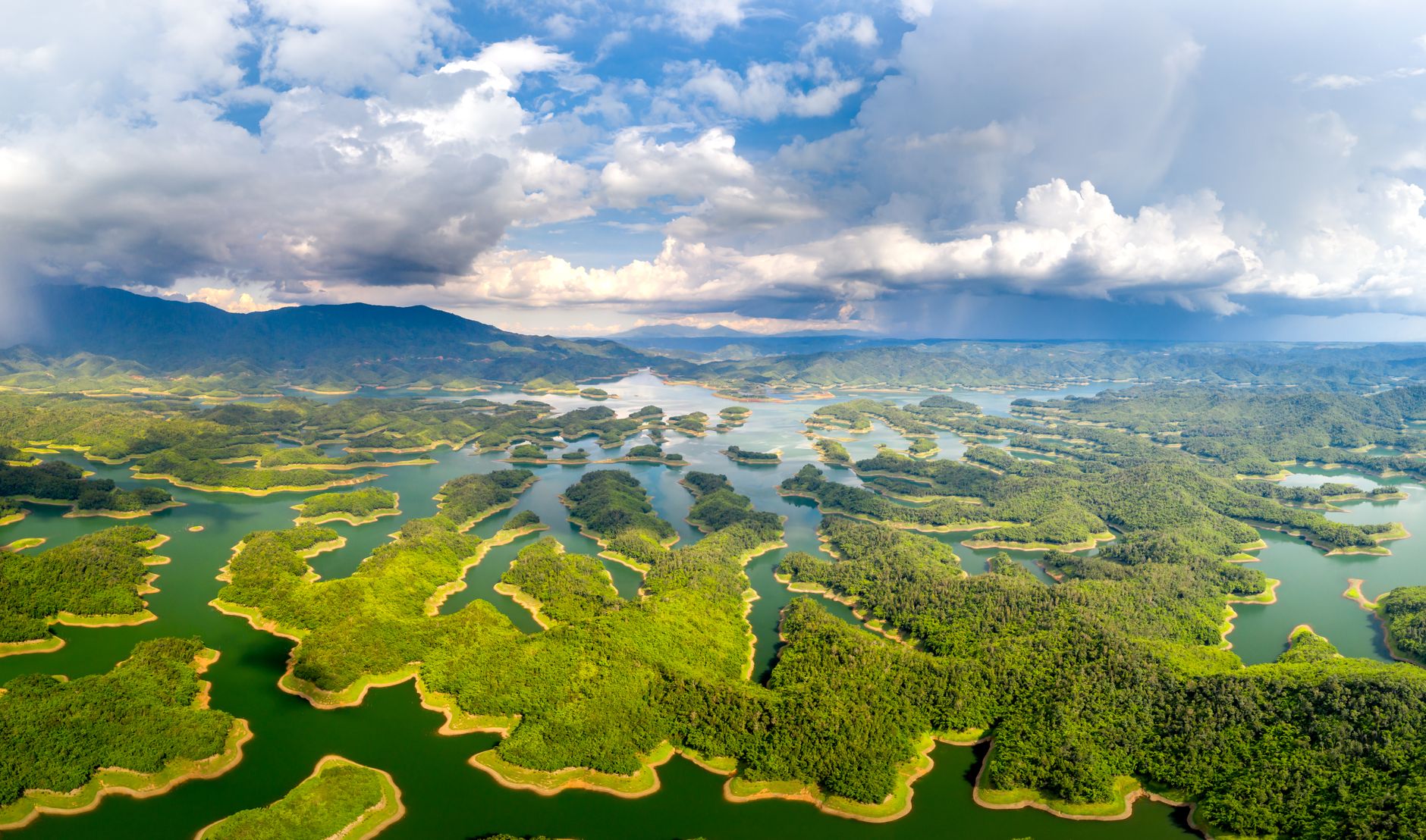
Phu Tho, a province 80 km northwest of Hanoi, sits at the crossroads of northern mountains and the Red River delta. It's quieter than Ha Giang or Sapa, but timing matters: monsoons make some roads rough, festivals draw pilgrims, and tourist numbers swing wildly. Here's how to read the calendar.
Weather patterns by season
Phu Tho has four distinct seasons, each with personality.
Spring (March–April): Mild, 18–24°C. Humidity creeps up midday but mornings are crisp. This is when the landscape greens after winter. Rain is light and scattered. Roads are dry. If you're doing any hiking to waterfalls or temple treks around Tam Dao or Phu Tho's rural border, this is ideal.
Summer (May–August): Hot and damp. Daytime temps hit 30–35°C; nights stay around 24°C. June and July are the wettest months — expect afternoon thunderstorms, sometimes heavy. Humidity sits around 75–80%. Roads into the hills stay passable, but streams swell and visibility on hilltops drops. Fewer Western tourists visit; most crowds are domestic families during school holidays (late July into early August).
Autumn (September–October): The sweet spot for many travelers. Temps drop to 20–28°C. Humidity falls. Rain tapers off by late September. October is particularly stable — clear skies, warm but not stifling days, cool nights. This is peak trekking season in nearby Sapa and Ha Giang, so Phu Tho sees overflow crowds, though it's still less packed than those hotspots.
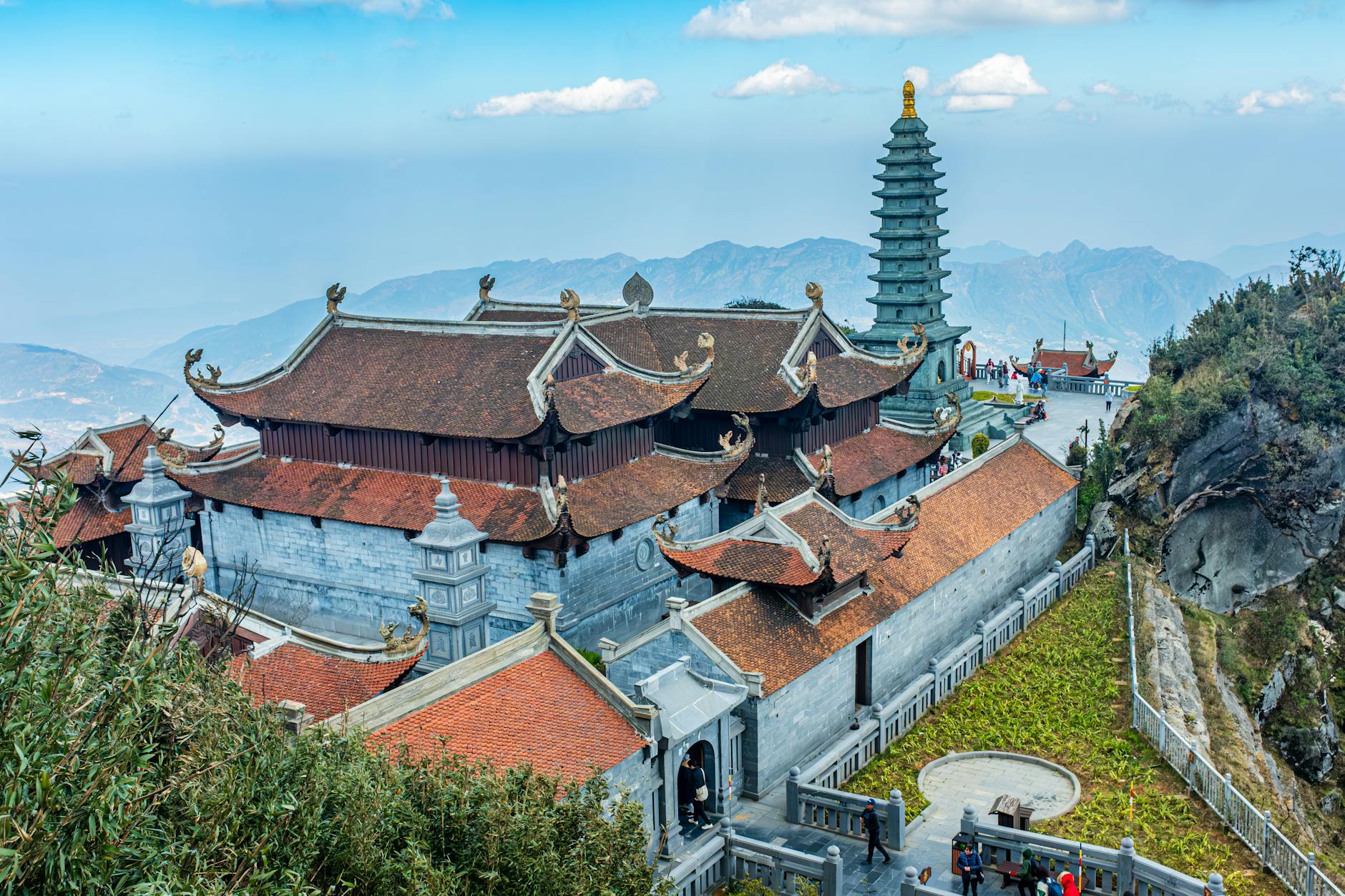
Winter (November–February): Cool and dry, 10–18°C. No rain to speak of. Clear visibility. But it's cold enough that unheated homestays and roadside cafes feel uncomfortable; bring layers. January is the coldest month. This is also Tet holiday season (late January or early February depending on the lunar calendar), when domestic tourism floods temples and family sites. Hang Mua temples, dedicated to the Hung Kings, fill with pilgrims.
Festivals and cultural peaks
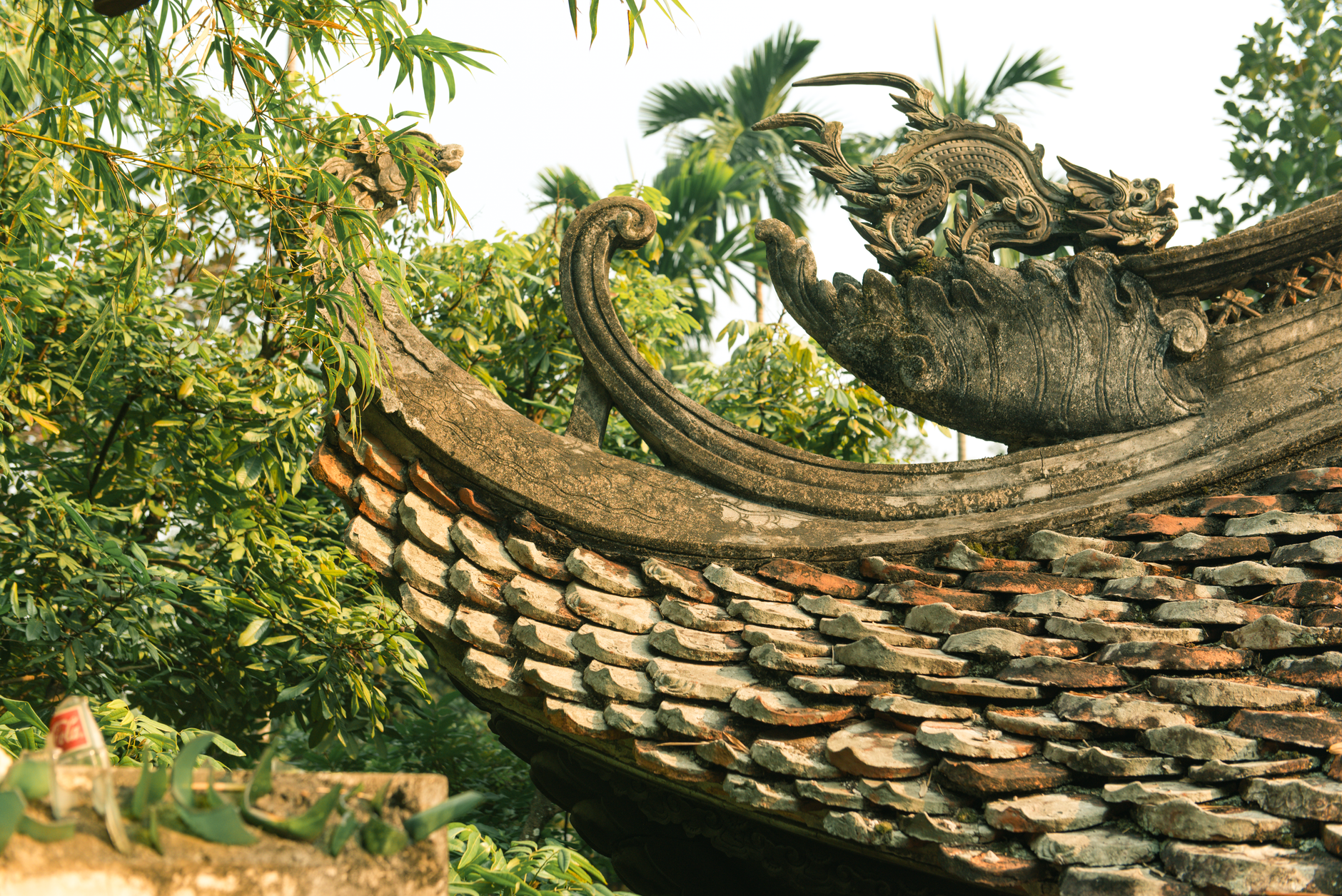
Phu Tho's biggest draw is the Hung Kings Festival, held annually on the 10th day of the third lunar month (usually April). Hundreds of thousands of Vietnamese travel to Phu Tho from across the country to honor the Hung Kings at Hung Temple. The entire province becomes a pilgrimage site. Hotels fill weeks in advance. Prices spike 30–50%. Roads jam with tour buses. If you want an authentic cultural experience and don't mind crowds, time your visit around this date — but book transport and lodging far ahead.
Tet (lunar new year, late January or early February) also draws significant crowds to temples and family shrines, but most tourism is domestic and regional. Foreign visitors are fewer, and tourist facilities may run reduced hours.
Smaller temple fairs happen throughout the year at local pagodas, especially during local holidays and full-moon days. These are less chaotic than the main Hung Kings festival but still worth noting if you want to encounter fewer tourists.
Peak season: October–November
October and November are Phu Tho's busiest months. Weather is perfect: cool, dry, stable. Temperatures are 20–25°C. Tourists fleeing summer heat in the south arrive. Hiking in the nearby hills and visiting temples is at its most pleasant. Hotels book up (though Phu Tho still has far fewer chains than Da Nang or Hoi An). Prices rise slightly but remain reasonable compared to national peaks.
If you're flexible, aim for early October or late November — you get good weather and slightly thinner crowds.

Photo by Quang Nguyen Vinh on Pexels
Shoulder seasons: March–April and September
These transitional months are underrated. Spring (March–April) brings warmth without peak heat. Humidity is rising but tolerable. Rain is light. Crowds are thin; you'll find homestays and local restaurants uncrowded. Prices are 10–20% lower than peak season.
Early September is the tail end of summer — still warm, but rain is tapering off. By late September, weather is solidifying. Mid-September sees a dip in domestic tourism after school holidays end, so you may find better availablilty and quieter village walks.
Off-season: June–August and December–February
Summer (June–August): Phu Tho is wet and sticky. Afternoon downpours are common. Hiking becomes muddy and visibility on ridges drops. Foreign tourism dries up. But this is precisely when accommodation is cheapest (30–40% off peak), local families still run guesthouses with fewer guests, and you can spend days in temples or cafes without tourists. If you enjoy solitude and don't mind rain, summer is economical and authentic.
Winter (December–February): Cold but dry. January is the chilliest month. Tourist numbers are low outside the Tet window. Prices are moderate. Accommodations and restaurants are less crowded, but some rural homestays may have limited heating. Bring a thermal layer and a good rain shell (occasional drizzle in December). This is a strong choice if you want quiet mornings in temples and cheap noodle soup.
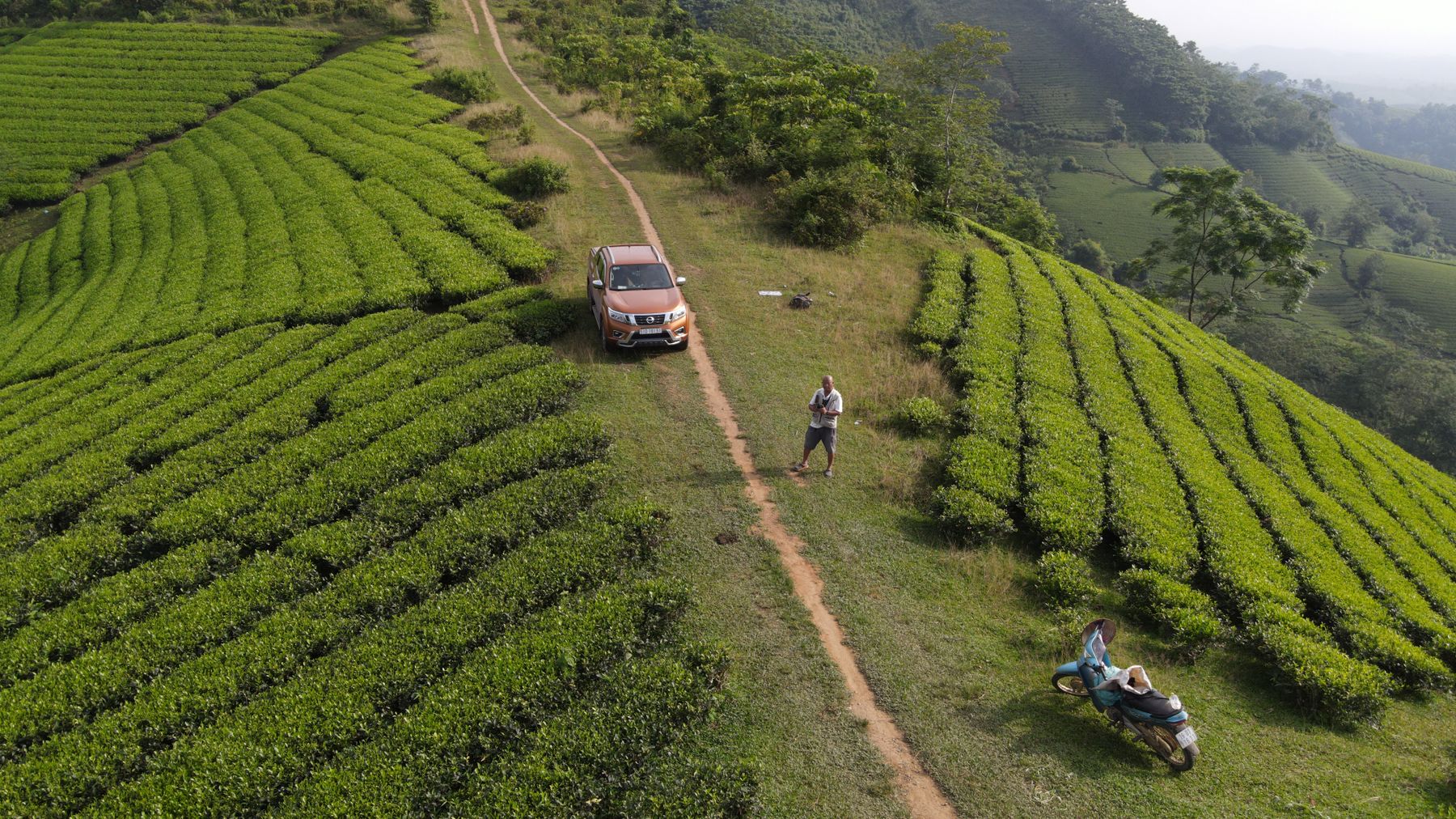
Photo by Quang Nguyen Vinh on Pexels
Month-by-month snapshot
- January: Cold (10–16°C), dry, fewer tourists except around Tet. Off-season prices.
- February: Still cool (12–18°C) and dry. Post-Tet, domestic crowds clear. Hiking is excellent.
- March: Warming (15–20°C), light rain, very few tourists. Great value.
- April: Warm (18–25°C), spring foliage, peak Hung Kings Festival if you're there mid-month. Book ahead.
- May: Hot and humid (24–30°C), rain increases. Domestic summer holidays begin late month.
- June–July: Hottest and wettest (28–35°C, frequent storms). Lowest prices, fewest foreigners.
- August: Still hot (28–32°C), school holidays peak, some domestic tourists. Rain persists.
- September: Cooling (22–28°C), rain eases late month. Good transition month.
- October: Perfect (20–25°C), dry, clear. Peak season. Book ahead.
- November: Ideal (18–24°C), dry, crisp nights. Still busy but slightly quieter than October.
- December: Cooling (14–20°C), very dry, occasional drizzle. Off-season tourism.
Crowd levels: where and when
Hung Temple and its immediate grounds (the central pilgrimage site) swell during the Hung Kings Festival to tens of thousands per day. If you visit outside the festival window (November–March, May–September), you'll encounter dozens to hundreds of visitors, mostly Vietnamese families on weekends. Weekdays in off-season mean you might have long temple courtyards nearly to yourself.
Rural homestays, village walks, and waterfall hikes in the surrounding hills see very few tourists at any time. Even in peak season, if you venture 2–3 km from the main temple complex or into communes like Tan Thanh or Tram Tau, you'll find quiet villages and friendly locals unaccustomed to foreign visitors.
Nearby towns like Phu Tho City (the provincial capital) and Viet Tri (the industrial hub) remain fundamentally local, with sporadic international tourism. Restaurants and hotels cater to Vietnamese businesspeople, not tourists. This means lower prices and no tourist markup, but also less English spoken and fewer Western-style amenities.
Frequently Asked Questions
When is the best time to visit Phu Tho for good weather and fewer crowds?
October is the most reliable month. Temperatures sit at 20–25°C, humidity drops after the monsoon season, and skies stay clear. Late November also works well. Avoid June and July if you dislike heat and rain — daytime temps hit 30–35°C with afternoon thunderstorms and humidity around 75–80%. Spring (March–April) is a solid second choice: mild at 18–24°C with dry roads and light rain.
What is the Hung Kings Festival and how does it affect travel in Phu Tho?
The Hung Kings Festival falls on the 10th day of the third lunar month, usually April. Hundreds of thousands of Vietnamese pilgrims travel to Hung Temple to honor the Hung Kings, making it the province's largest annual event. Hotels book up weeks in advance, prices spike 30–50%, and roads fill with tour buses. Book transport and lodging early if attending. Smaller temple fairs at local pagodas occur year-round on full-moon days with far smaller crowds.
How far is Phu Tho from Hanoi and how does that affect planning?
Phu Tho sits 80 km northwest of Hanoi, making it reachable as a short trip from the capital. Its location at the crossroads of the northern mountains and the Red River delta means seasonal conditions matter: monsoon rains from May through August can swell streams and reduce visibility in the hills, while October through November brings stable, dry weather that keeps roads and trekking routes in good condition.
Practical notes
Phu Tho is best visited October–November for weather and ease, or February–March for solitude and low prices. If you can't avoid summer or winter, know that rain and cold are real but not trip-killers; pack accordingly. Book Hung Temple visits and hotels 4–6 weeks ahead if you're aiming for the festival. Otherwise, Phu Tho's quietness means walk-in tourism works fine most of the year.
Last updated · Jul 26, 2026 · independently researched, never sponsored.