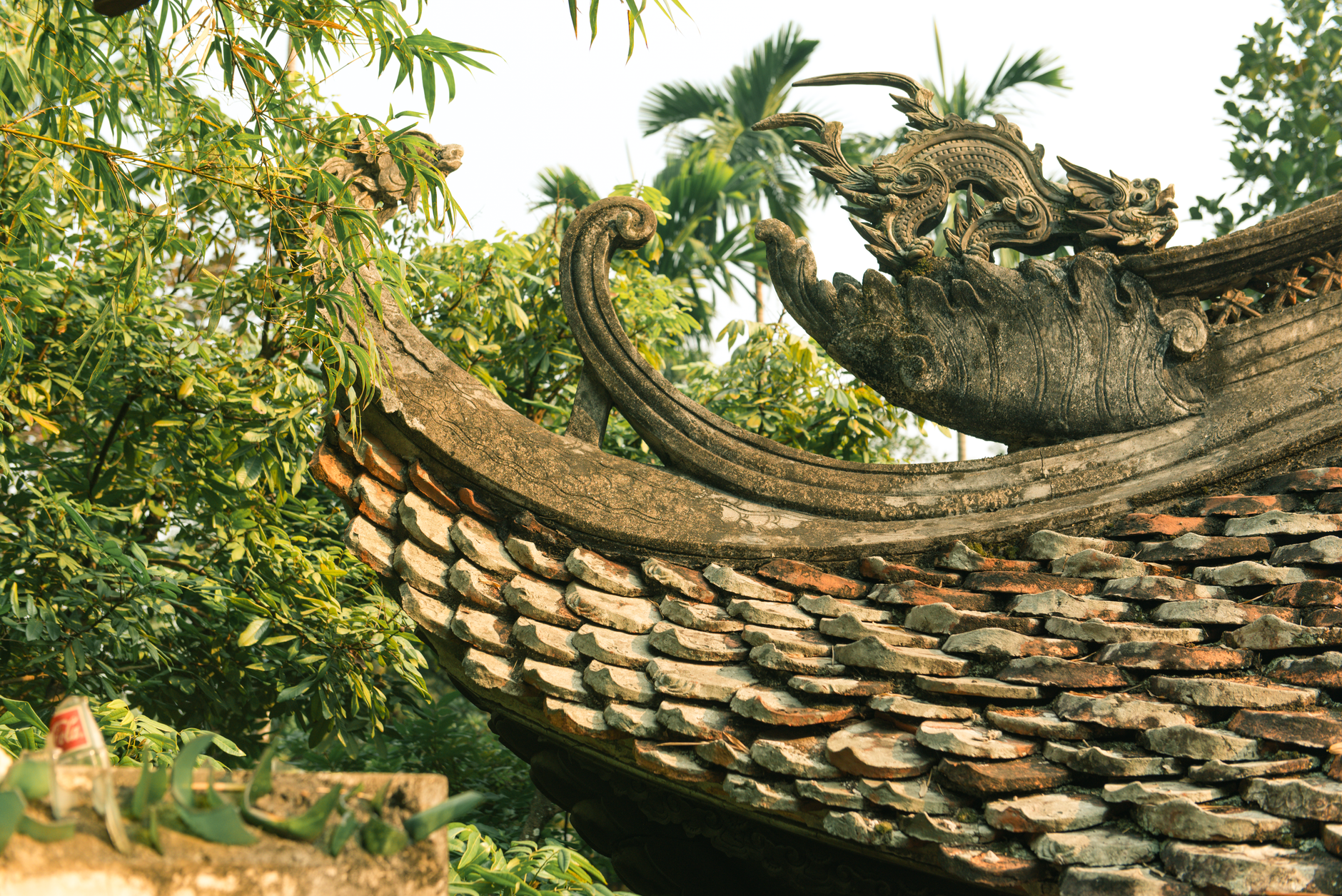
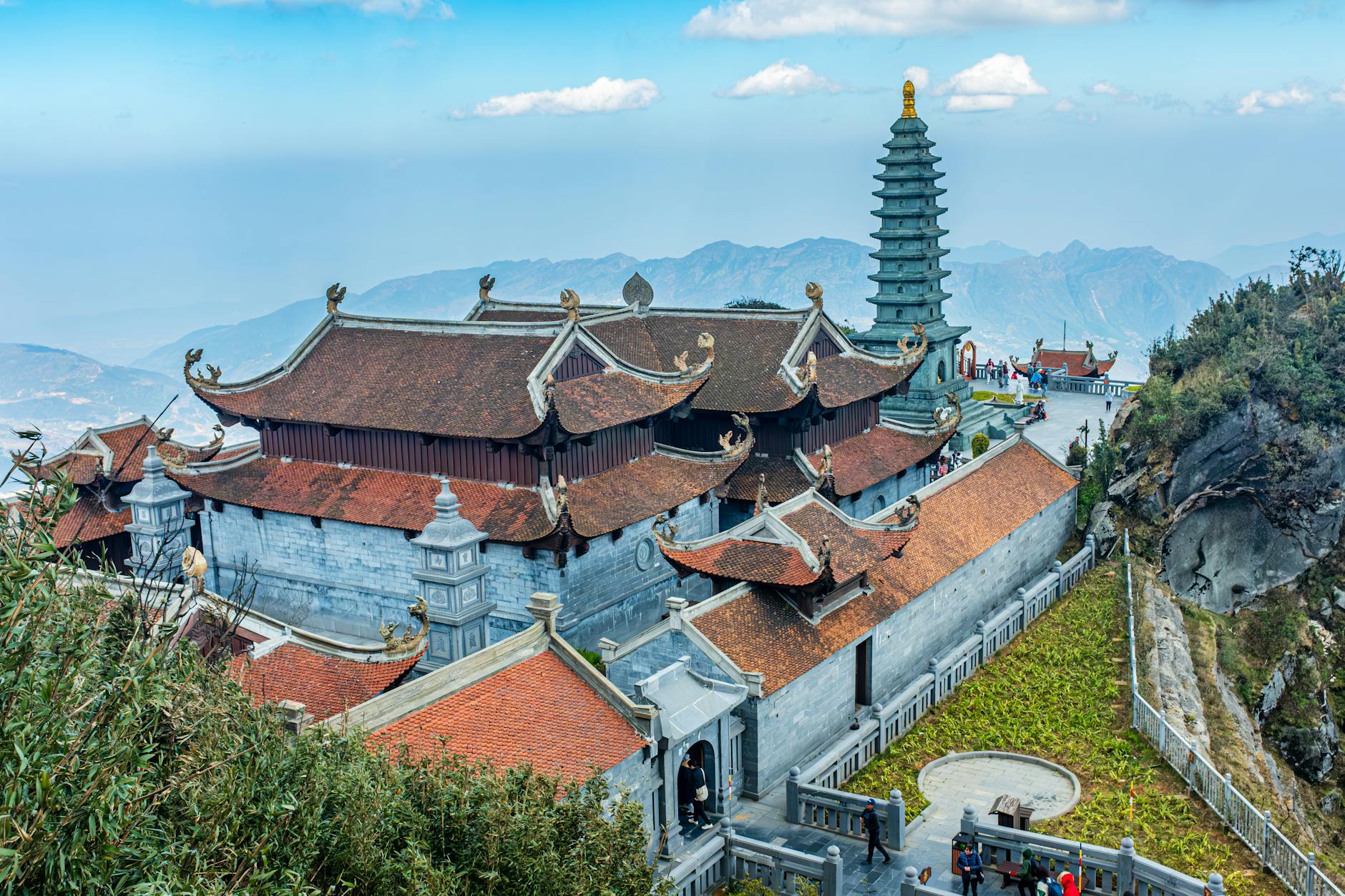
Phu Tho sits about 85 km northwest of Hanoi, straddling the Red River in the northern flatlands. It's not a typical beach or mountain resort destination—it's known for traditional craft villages, fruit orchards, and the Hung Kings Festival (Tet Nguyen Dan time). Getting there is straightforward from Hanoi, but options thin out if you're coming from further afield.
From Hanoi by bus
This is the cheapest and most frequent option. Several bus operators run routes from Hanoi to Viet Tri (Phu Tho's main city) multiple times daily.
My Dinh Bus Station (southwestern Hanoi (하노이 / 河内 / ハノイ)) has the most consistent departures. Buses leave roughly every 30 minutes from 5am to 5pm. The ride takes 1.5 to 2.5 hours depending on traffic and stops. Fares run 60,000–90,000 VND (US$2.50–3.80) for a standard seat. The station is accessible via Hanoi's city bus network—route 34 from the Old Quarter drops you right at the terminal. If you're coming from around Hoan Kiem Lake, a Grab car to My Dinh runs about 80,000–120,000 VND and takes 30–45 minutes depending on rush hour.
Kim Ma Bus Station (central Hanoi, Ba Dinh district) also serves Phu Tho with less frequent but slightly faster connections. Same price range, slightly shorter journey if traffic is light. Kim Ma is handy if you're staying near the Temple of Literature or the Ba Dinh area, since it's walkable from many hotels in that neighborhood.
Buses drop you at Viet Tri Central Bus Station (Ben Xe Viet Tri), located on the southern edge of town. From there, grab a "xe om" (motorbike taxi) or regular taxi to your hotel—most rides within Viet Tri cost 30,000–50,000 VND. Grab works in Viet Tri but driver availability is spottier than in Hanoi, so don't be surprised if you wait 10–15 minutes for a pickup. Having the Vietnamese phrase "Toi muon di den…" (I want to go to…) followed by your hotel name on your phone screen helps with xe om drivers who don't use the app.
From Hanoi by train
A slower, more atmospheric option. The Hanoi–Da Nang railway passes through Phu Tho, and a few daily services stop at Viet Tri Station. Journey time is 3–4 hours (vs. 2 hours by bus), but train travel offers better legroom and a chance to watch the Red River delta roll past.
Tickets are typically cheaper than buses—40,000–70,000 VND for a seat. Book at Hanoi Central Station (Ga Hang Co) or online via Vietnam Railways (duongsat.com.vn). Trains are less frequent than buses (2–3 departures per day), so check the schedule ahead of time. Morning departures (usually around 6:00am and 9:00am) are the most practical for a day trip. If you book a hard seat, expect wooden benches and lively company—vendors walking the aisles selling "banh mi", boiled eggs, and instant noodles are part of the experience.
Viet Tri Station is in the town center, so getting to your accommodation is easier than from the bus station. The station sits about 1 km from the main commercial strip along Hung Vuong Street, where you'll find most hotels and restaurants.
From Hanoi by motorbike or rental car
If you want independence and don't mind a 2-hour drive, renting a motorbike (150,000–250,000 VND/day) or car with driver (600,000–900,000 VND/day) gives you flexibility to explore at your own pace.
The route is straightforward: head north from Hanoi on National Highway 2, passing through Bac Ninh and Bac Giang provinces. The roads are flat and well-maintained, though traffic around Hanoi can be chaotic early morning. Once you clear the outer ring of Hanoi—roughly past Dong Anh district—the road opens up and the scenery shifts to rice paddies, small towns, and the occasional brick kiln. The stretch from Son Tay to Viet Tri is particularly pleasant, running close to the river with low traffic on weekdays.
If you're a confident rider, this is the best way to stop at roadside "che da" (iced tea) stalls, photo spots, and small fruit-selling villages. Rental companies in Hanoi's Old Quarter can arrange drop-off in Viet Tri if you're not returning. For car rentals, ask your hotel in Hanoi to book a "xe di tinh"—a private car with driver for provincial trips. Most drivers know the Phu Tho route well and can double as informal guides, pointing out local stops along the way.
A note on fuel: fill up before leaving Hanoi. There are gas stations along Highway 2, but they're spaced further apart than in the city. A full tank on a 125cc motorbike is more than enough for the round trip.
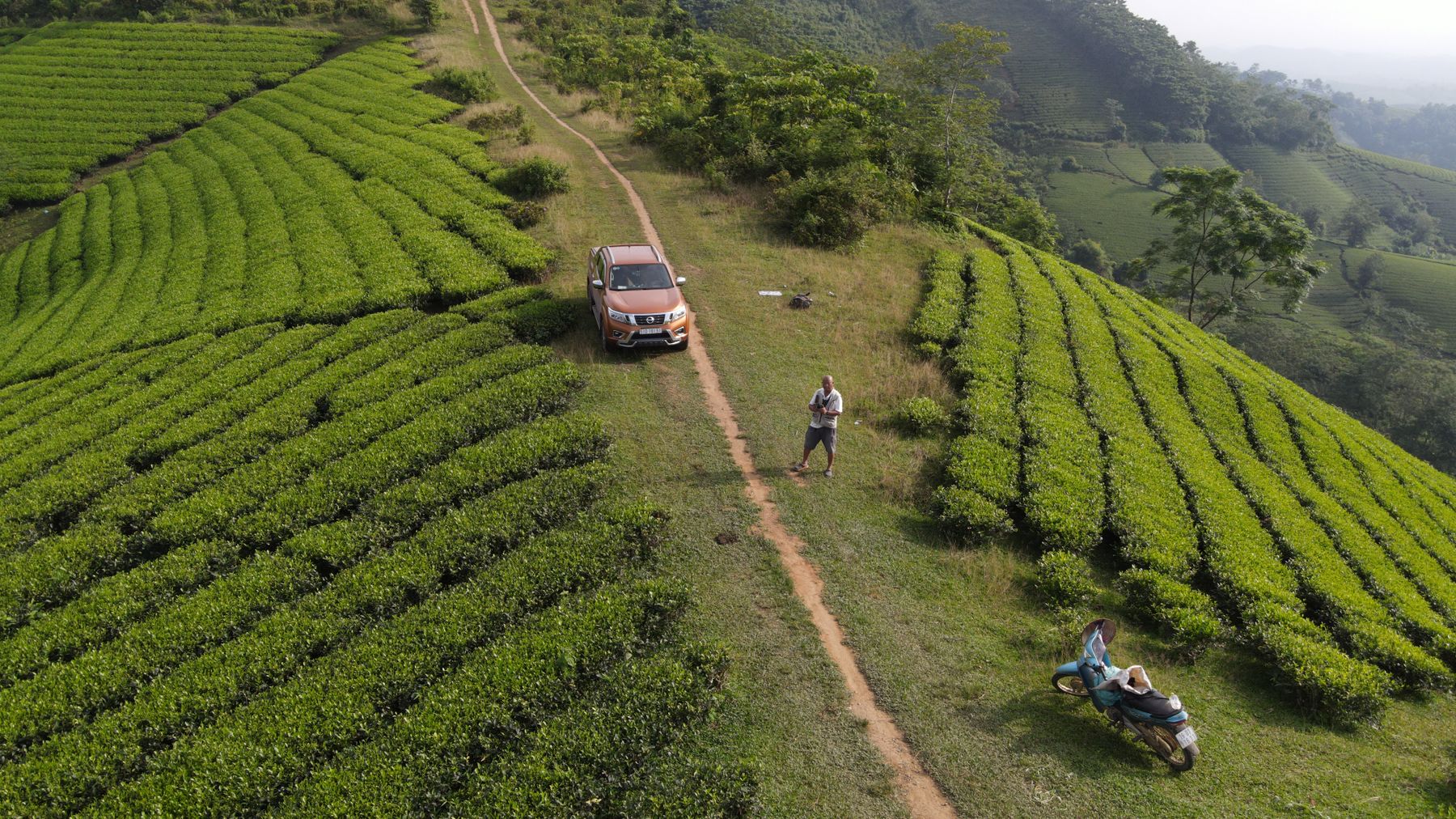
Photo by Quang Nguyen Vinh on Pexels
From other cities
From Da Nang or Hue: You'll likely change in Hanoi. Direct buses from Da Nang to Phu Tho don't run; fly or take a train/bus to Hanoi first (4–5 hours minimum), then onward to Phu Tho. Total transit time: 7–10 hours. Not recommended unless you have a specific reason to visit Phu Tho as part of a northern loop.
From Saigon: Again, Hanoi is the hub. A cheap flight to Hanoi (2 hours, 100,000–300,000 VND if booked in advance) is faster than a 24-hour bus ride. Then bus or train as above.
From Sapa or the northwest: If you're already doing a northern Vietnam loop—say, Ha Giang to Sapa to Phu Tho—you can take a bus from Lao Cai (the transit town near Sapa) toward Hanoi and get off at Viet Tri. Several limousine vans pass through or near Phu Tho on the Lao Cai–Hanoi corridor. The ride from Lao Cai to Viet Tri takes roughly 5–6 hours and costs 200,000–300,000 VND. Ask the driver before boarding whether they stop at Viet Tri—not all do.
From Ninh Binh: There's no direct bus, but the distance is only about 130 km. A hired car (roughly 1,200,000–1,500,000 VND one-way) or a combination of Ninh Binh-to-Hanoi bus and Hanoi-to-Viet Tri bus works, though expect 4–5 hours of total transit with the transfer.
Where to base yourself
Viet Tri is the obvious choice—it's Phu Tho's largest city and has the best hotels, restaurants, and services. Budget guesthouses run 150,000–250,000 VND/night; mid-range hotels (with AC and breakfast) 350,000–550,000 VND.
If you want something quieter and more rural, the smaller towns of Phu Tho Town (30 km south of Viet Tri) or villages around the Hung Kings Temple offer homestays and eco-lodges. These require a motorbike or hired car to reach comfortably.
For a day trip: most people base themselves in Hanoi and visit Phu Tho as a half-day or full-day excursion via bus or motorbike.

Photo by Valeria Drozdova on Pexels
Best times to visit
The Hung Kings Festival (late March or early April, depending on the lunar calendar) is the main draw—thousands gather at Hung Kings Temple. If you want to avoid crowds and heat, October–November offers mild weather and clear skies. June–August is hot and humid.
During the Hung Kings Festival, expect bus fares to spike slightly (10,000–20,000 VND above normal) and buses to fill quickly. Book your return ticket before heading out, or plan to leave Viet Tri before 3pm to avoid the worst of the homebound crush. Hotels in Viet Tri also fill up during the festival weekend—book at least a week ahead if you plan to stay overnight.
What to eat in Phu Tho
Phu Tho isn't a culinary destination on the level of Hanoi or Hoi An, but it has its own regional flavors worth trying.
"Banh chung" (square sticky rice cake) is the province's signature food item, and Phu Tho locals take pride in their version. You'll see vendors and small workshops making them year-round, not just at Tet. A single cake costs 30,000–60,000 VND depending on size and filling. The ones stuffed with fatty pork and mung bean are traditional.
"Thit chua" (sour fermented pork) is a Phu Tho specialty you won't easily find elsewhere. It's pork fermented with rice powder and garlic, wrapped in banana leaves, and eaten cold with fresh herbs. Look for it at local "com binh dan" (everyday rice restaurants) in Viet Tri—a plate with rice runs about 40,000–50,000 VND.
For breakfast, Viet Tri has plenty of "pho" stalls along Hung Vuong and Tran Phu streets. The local style leans closer to Hanoi's clear, beefy broth—expect to pay 30,000–45,000 VND per bowl. "Ca phe" shops are scattered around the town center, with iced milk coffee ("ca phe sua da") going for 20,000–30,000 VND.
If you're driving back to Hanoi and want to break the trip, the stretch of Highway 2 between Viet Tri and Phuc Yen has a handful of "com pho (쌀국수 / 越南河粉 / フォー)" roadside restaurants serving "bun rieu" (crab noodle soup) and "com tam" (broken rice) for 35,000–50,000 VND.
Common mistakes and what surprises foreigners
Assuming Viet Tri is Phu Tho. Viet Tri is the capital city of Phu Tho province, but the Hung Kings Temple complex is about 10 km north of the city center in Hy Cuong commune. Don't show up in Viet Tri and expect to walk to the temples—you need a xe om, taxi, or motorbike.
Visiting only during the Hung Kings Festival. The festival is incredible for cultural immersion, but it's also crowded and hot. The temple complex and surrounding countryside are far more peaceful on a regular weekday. If cultural observation is your goal, the festival is essential. If you want quiet exploration of craft villages and orchards, pick a different month entirely.
Not carrying cash. ATMs exist in Viet Tri but are scarce outside the city center. Card payments are rare at guesthouses, restaurants, and market stalls in Phu Tho province. Withdraw enough VND in Hanoi before you leave—500,000–1,000,000 VND should cover a comfortable day trip including transport, meals, and entry fees.
Underestimating the Hung Kings Temple climb. The main temple complex is built on Nghia Linh Mountain. It's not a huge mountain—the peak is under 200 meters—but the stone stairway has hundreds of steps and zero shade in parts. Bring water, wear proper shoes, and start early in the morning to avoid the midday heat. Entry to the temple complex is free.
Skipping the surrounding villages. Most visitors go to the Hung Kings Temple and head straight back. If you have a motorbike, spend a couple of hours exploring the villages within 5–10 km of the temple. You'll find tea plantations, pomelo orchards (Phu Tho is famous for "buoi Doan Hung" pomelo), and small workshops making "banh chung." These are not tourist-oriented—just daily village life along the Red River.
Quick reference: Phu Tho at a glance
- Distance from Hanoi: ~85 km northwest (1.5–2.5 hours by road)
- Main city: Viet Tri (population ~250,000)
- Getting there: Bus from My Dinh or Kim Ma station (60,000–90,000 VND), train from Ga Hang Co (40,000–70,000 VND), motorbike or car via Highway 2
- Best months: October–November (cool, dry) or late March/early April (Hung Kings Festival)
- Budget for a day trip from Hanoi: 200,000–400,000 VND (transport + meals + incidentals)
- Overnight budget (budget hotel + meals): 300,000–600,000 VND
- Key attraction: Hung Kings Temple (Den Hung), 10 km north of Viet Tri, free entry
- Local specialties: "Banh chung," "thit chua," pomelo
- Cash situation: Bring VND from Hanoi; limited ATMs outside Viet Tri center
- Language: Very little English spoken outside hotels; learn basic phrases or use a translation app
- Grab availability: Works in Viet Tri city center; unreliable outside town
Practical notes
Viet Tri itself is industrial and less touristy than Hanoi or Da Nang, so manage expectations. The real appeal lies in getting off the tourist trail: visiting "banh chung" (sticky rice cake) makers, orchards, and traditional craft workshops. A motorbike or car rental gives you the most freedom to explore the Red River villages at your own pace. If you're short on time, a morning bus from Hanoi, a few hours exploring Hung Kings Temple and nearby villages, and an evening bus back to Hanoi is a realistic itinerary.
Phu Tho also works well as a stop on a larger northern loop. If you're planning a route from Hanoi up through the highlands—heading toward Sapa or Ha Giang—Viet Tri sits right on the corridor and makes a logical half-day detour. Combine it with a night in one of the riverside towns and you break up the long northbound drive without losing much time.
Final note
Phu Tho won't make anyone's top-ten list of Vietnamese destinations, and that's part of why it's worth the two-hour bus ride from Hanoi. It's a window into everyday northern Vietnamese life that most travelers skip entirely. Go for the Hung Kings Temple, stay for the "thit chua" and the pomelo orchards, and don't expect English menus—that's the whole point.
Last updated · May 29, 2026 · independently researched, never sponsored.