What it is
Thac Na Khoang is a multi-tiered waterfall in the mountainous northern reaches of Thai Nguyen province, in an area that was formerly part of Bac Kan before administrative redistricting folded it into greater Thai Nguyen. The falls drop through several levels of mossy rock into shallow pools surrounded by dense forest — the kind of place where the sound of water is the only thing competing with cicadas. It's not a major tourist destination, and that's precisely the appeal. You'll share the trail with local families on weekend picnics, not tour buses.
The waterfall sits within a broader landscape of limestone karst and subtropical forest that characterizes much of Vietnam (베트남 / 越南 / ベトナム)'s northeast. The area has long been home to Tay and Nung ethnic communities, and the surrounding villages still feel distinctly unhurried.
Why travelers go
Thac Na Khoang draws a specific kind of visitor: someone already in the northern highlands, maybe on a motorbike loop between Thai Nguyen and the Ha Giang region, or looking for a day trip that doesn't involve a museum or a pagoda. The waterfall is genuinely uncrowded on weekdays, and the surrounding forest trails make it worth more than a quick photo stop.
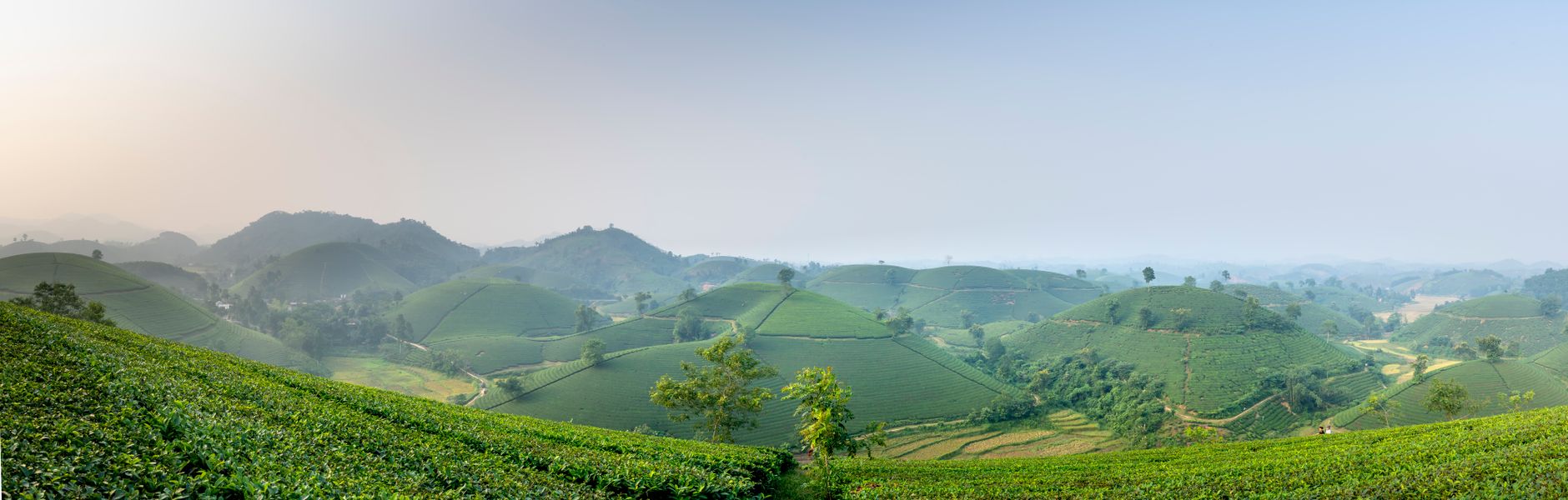
If you've been spending time in Hanoi and want to get out of the city without committing to a full Sapa or Ha Giang (하장 / 河江 / ハーザン) trip, this works. It pairs well with a visit to Thai Nguyen's tea-growing areas — the province is the capital of Vietnamese tea production, and the rolling hills around Tan Cuong are worth a detour.
Best time to visit
The waterfall is at its best from May through September, when monsoon rains keep the flow heavy and the forest intensely green. July and August are peak volume — the falls are loud and the pools deep enough to wade into. The downside: trails get muddy, and afternoon downpours are near-daily.
October and November offer a compromise. The rain tapers off, the trails dry out, and the waterfall still has decent flow. By December through March, it thins considerably. You'll still see the rock formations, but the experience is less dramatic.
Avoid major holiday weekends (especially around Tet and September 2) if you want the place to yourself. Local families flood in on those dates.
How to get there
The nearest major hub is Thai Nguyen city, roughly 80 km south of Hanoi.
Hanoi to Thai Nguyen: Buses run from My Dinh and Gia Lam stations every 20-30 minutes, costing around 80,000-100,000 VND. The ride takes about 1.5-2 hours depending on traffic. If you're on a motorbike, take QL3 north — it's a straightforward highway.
Thai Nguyen city to Thac Na Khoang: The waterfall is roughly 50-60 km north of the city center, depending on your exact route. You'll head toward the former Bac Kan border area on provincial roads. By motorbike, expect about 1.5 hours. The final stretch involves narrower roads through villages and forest — Google Maps gets you most of the way, but ask locals for the last few kilometers. Road signage is minimal.
There's no public bus to the falls. Your options are a rented motorbike (around 150,000-200,000 VND/day from Thai Nguyen), a hired "xe om" (motorcycle taxi, negotiate for a round trip — expect 300,000-400,000 VND with waiting time), or a private car arranged through your hotel.

Photo by Quang Nguyen Vinh on Pexels
What to do
Walk the full cascade
Don't stop at the first pool. Thac Na Khoang has multiple tiers, and most visitors only see the lowest one. A rough trail follows the stream upward through the forest, passing several smaller falls and rock pools. The full walk takes 45 minutes to an hour. Wear shoes with grip — flip-flops on wet rock is how people get hurt here.
Swim in the lower pools
The pools at the base of the main cascade are shallow enough to be safe for wading, and deep enough in the wet season to actually swim. The water is cold, even in summer. Bring a change of clothes — there's nowhere to buy anything at the site.
Eat lunch by the stream
Pack food. There are flat rocks and shaded spots along the stream banks that locals use for picnics. This is the move: bring "banh mi" or sticky rice from a market in Thai Nguyen, some fruit, and make an afternoon of it. Trying to rush this visit defeats the purpose.
Explore the surrounding villages
The Tay and Nung villages on the approach road are quiet but welcoming. If you're on a motorbike, slow down and take the side roads. You'll pass stilt houses, small tea plots, and rice paddies backed by forested hills. Photography is fine, but ask before pointing a camera at someone's home.
Combine with a tea plantation visit
On your way back to Thai Nguyen city, stop in the Tan Cuong tea area. You can visit small family-run tea farms, watch the processing, and buy directly. Thai Nguyen green tea — sometimes called "tra Thai" — is considered the best in the country. A packet of good loose-leaf runs 100,000-300,000 VND depending on grade.
Where to eat nearby
There's no restaurant at the waterfall. Your best bet is to eat in Thai Nguyen city before or after. Look for "pho" — the local bowls lean toward the Hanoi style, clear broth, simple toppings. For something more regional, seek out "com lam" (bamboo-tube rice), which is common in the highland Tay communities around here. You'll find it at small roadside stalls on the route north from the city, usually served with grilled pork or chicken.
If you pass through smaller towns en route, look for "bun rieu" — the crab-tomato noodle soup that northern Vietnam does well. A bowl runs 30,000-40,000 VND.
Where to stay
Most travelers base themselves in Thai Nguyen city, which has a reasonable range of hotels.
- Budget: Basic guesthouses ("nha nghi") from 200,000-350,000 VND/night. Clean enough, hot water, Wi-Fi. Don't expect English.
- Mid-range: City hotels with air conditioning, breakfast included, 400,000-700,000 VND/night. Check along Luong Ngoc Quyen or Hoang Van Thu streets.
- Homestay option: A few homestays have appeared in the villages closer to the falls. Quality varies. Ask at the Thai Nguyen tourism office or search on booking apps — options are limited but growing.
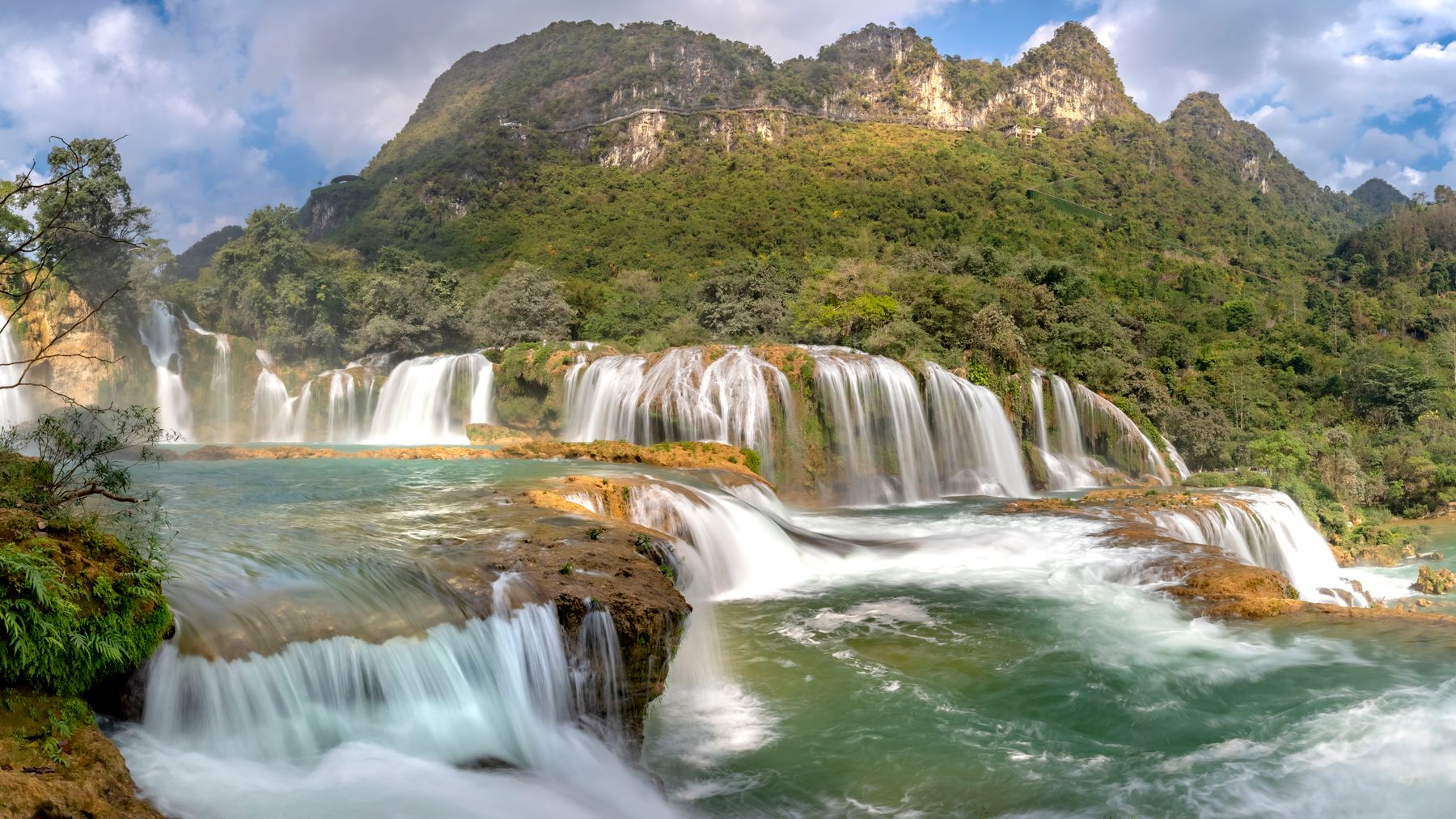
Photo by Quang Nguyen Vinh on Pexels
Practical tips locals would tell you
- Bring water and snacks. There are no vendors at the falls. The nearest shop might be 10-15 km back toward town.
- Start early. Leave Thai Nguyen city by 7:00-7:30 AM. You'll beat the heat and have the falls to yourself before any weekend visitors arrive.
- Carry cash. There are no ATMs near the waterfall. Load up in Thai Nguyen city.
- Bug spray matters. The forest is thick and the mosquitoes are committed, especially near standing water in the wet season.
- Check road conditions after heavy rain. The last section of road can wash out. Ask your hotel or a local before heading out if it's been raining hard for several days.
Common mistakes to avoid
- Wearing flip-flops on the trail. The rocks are slippery year-round. Sneakers or sandals with a strap and tread are the minimum.
- Showing up after 2 PM. Afternoon storms roll in fast during monsoon season, and being on a narrow forest trail in a downpour is unpleasant at best.
- Expecting infrastructure. No ticket booth, no handrails, no bathroom, no café. This is a raw natural site — plan accordingly.
- Skipping Thai Nguyen itself. The city isn't glamorous, but the tea culture is genuine and the food is solid. Don't just use it as a launchpad.
Practical notes
Thac Na Khoang works best as a day trip from Thai Nguyen city or as a stop on a longer motorbike route through Vietnam's northeast. Budget a full day — the drive, the hike, and a slow lunch by the water deserve that much. If you're continuing north toward Ha Giang or Cao Bang, it slots neatly into the first or last day of that journey.
Last updated · May 29, 2026 · independently researched, never sponsored.