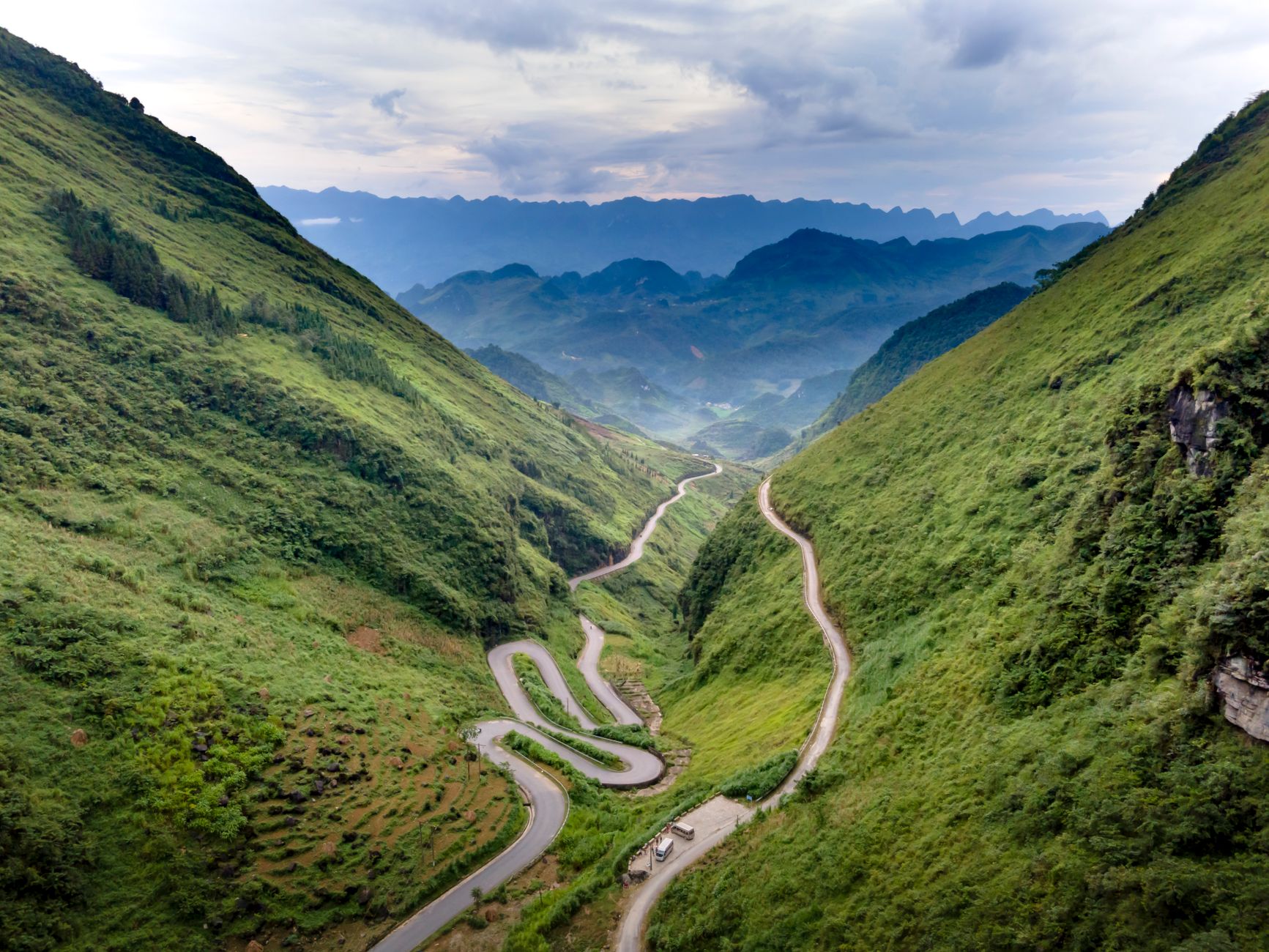
Vu Quang National Park sits in the western hills of Ha Tinh province, pressed against the Laos border and the Annamite mountain range. It's the kind of place where new mammal species were still being discovered in the 1990s — and where you can walk for hours without seeing another tourist.
What it is and why it matters
Vu Quang covers roughly 55,000 hectares of dense tropical and subtropical forest in Vu Quang district, Ha Tinh. It was originally established as a nature reserve in 1986, then upgraded to national park status in 2002. The park made international headlines in 1992 when scientists found the "sao la" (Pseudoryx nghetinhensis) here — a forest-dwelling bovine so elusive it's sometimes called the Asian unicorn. A few years later, the giant muntjac deer was also first documented in these forests.
The biodiversity is genuinely remarkable: over 1,800 plant species and more than 300 animal species have been catalogued, including several listed as critically endangered. But let's be honest — you're unlikely to spot a sao la. What you will find is primary forest that feels untouched, serious birdwatching territory, and a pace of life that the bigger national parks in Vietnam (베트남 / 越南 / ベトナム) lost years ago.
Why travelers go
Vu Quang draws a specific kind of visitor. If you want well-marked trails with cafe stops, head to Sapa or Da Lat. If you want raw, quiet forest with real canopy cover and the sound of gibbons in the morning, this is the place. Birdwatchers come for species like the crested argus and Edwards's pheasant. Trekkers come because the trails through the Truong Son range are genuinely challenging without being commercial. And a few people come simply because Ha Tinh province is almost entirely off the tourist circuit, which is reason enough.
Best time to visit
March through June is the sweet spot. The dry season in Ha Tinh runs roughly from February to July, and by March the worst of the winter cold has lifted. April and May are warm but not yet scorching, and leeches are less aggressive than in the wet months. Avoid September through November — Ha Tinh gets hit hard by seasonal rains and occasional typhoons, and trails inside the park can become impassable. December and January are cool (15-18°C in the hills) and damp, which is manageable but less pleasant for trekking.
How to get there
The nearest city with decent transport links is Vinh, about 70 km north of Ha Tinh city. Vinh has a domestic airport (flights from Saigon and Hanoi, typically 800,000-1,500,000 VND one way) and a major train station on the Reunification Express line.
From Vinh, take a bus or hire a car south to Ha Tinh city — about 50 km, roughly 1.5 hours by bus (around 60,000-80,000 VND). From Ha Tinh city, you need to get to Vu Quang town, another 70 km west into the hills. Local buses run this route but schedules are irregular; hiring a xe om (motorbike taxi) or private car is more practical (expect 400,000-600,000 VND for the car). The park headquarters is in Vu Quang town.
Total travel time from Vinh: roughly 3-4 hours depending on transport choices. If you're coming from Hue (about 350 km south), the drive takes 5-6 hours via the AH1 highway.

Photo by Vietnam Hidden Light on Pexels
What to do
Trek the primary forest trails
The park maintains several trails ranging from easy 3 km loops near headquarters to full-day treks deeper into the Truong Son mountains. The route toward the Rao An stream is a good half-day option — dense canopy, stream crossings, and a realistic chance of seeing langurs or civets. You'll need a park guide (required for most trails), which costs around 300,000-500,000 VND per day.
Birdwatching at dawn
Serious birders should arrange an early-morning guided walk. Vu Quang is part of an Important Bird Area, and the forest edge near the Ngan Truoi reservoir is productive for sightings. Bring your own binoculars — there's nowhere to rent them locally.
Visit the biodiversity museum
The small exhibition center at park headquarters has preserved specimens and information panels about the sao la discovery and ongoing conservation work. It's modest, but it gives useful context before you hit the trails. Entry is free with your park ticket.
Swim at Ngan Truoi reservoir
About 15 km from the park entrance, Ngan Truoi is a large reservoir surrounded by forested hills. Locals swim here, and it's a good spot to cool off after a morning trek. The road there is scenic on a motorbike.
Explore Vu Quang town
The town itself is small and quiet, but the weekly market is worth a wander if your timing lines up. You'll see forest products — wild honey, dried mushrooms, medicinal herbs — that don't show up in lowland markets.
Where to eat nearby
Ha Tinh province is known for "cu doi" — a starchy root vegetable made into chewy cakes, sometimes served with sesame and sugar. It's a regional specialty you won't find easily elsewhere. At roadside restaurants along the route to Vu Quang, look for "ca kho Ha Tinh" — braised fish cooked in clay pots with galangal, a dish the province takes seriously. In Ha Tinh city, com binh dan (everyday rice shops) along Phan Dinh Phung street serve solid, cheap meals for 30,000-50,000 VND.
Where to stay
Options are limited. In Vu Quang town, there are a handful of nha nghi (guesthouses) charging 200,000-350,000 VND per night — basic but clean enough. The park itself has a guesthouse near headquarters with simple rooms. For more comfort, base yourself in Ha Tinh city, where mid-range hotels run 400,000-800,000 VND per night, and make Vu Quang a day trip or overnight. Don't expect anything resembling a resort — this is deep provincial Vietnam.

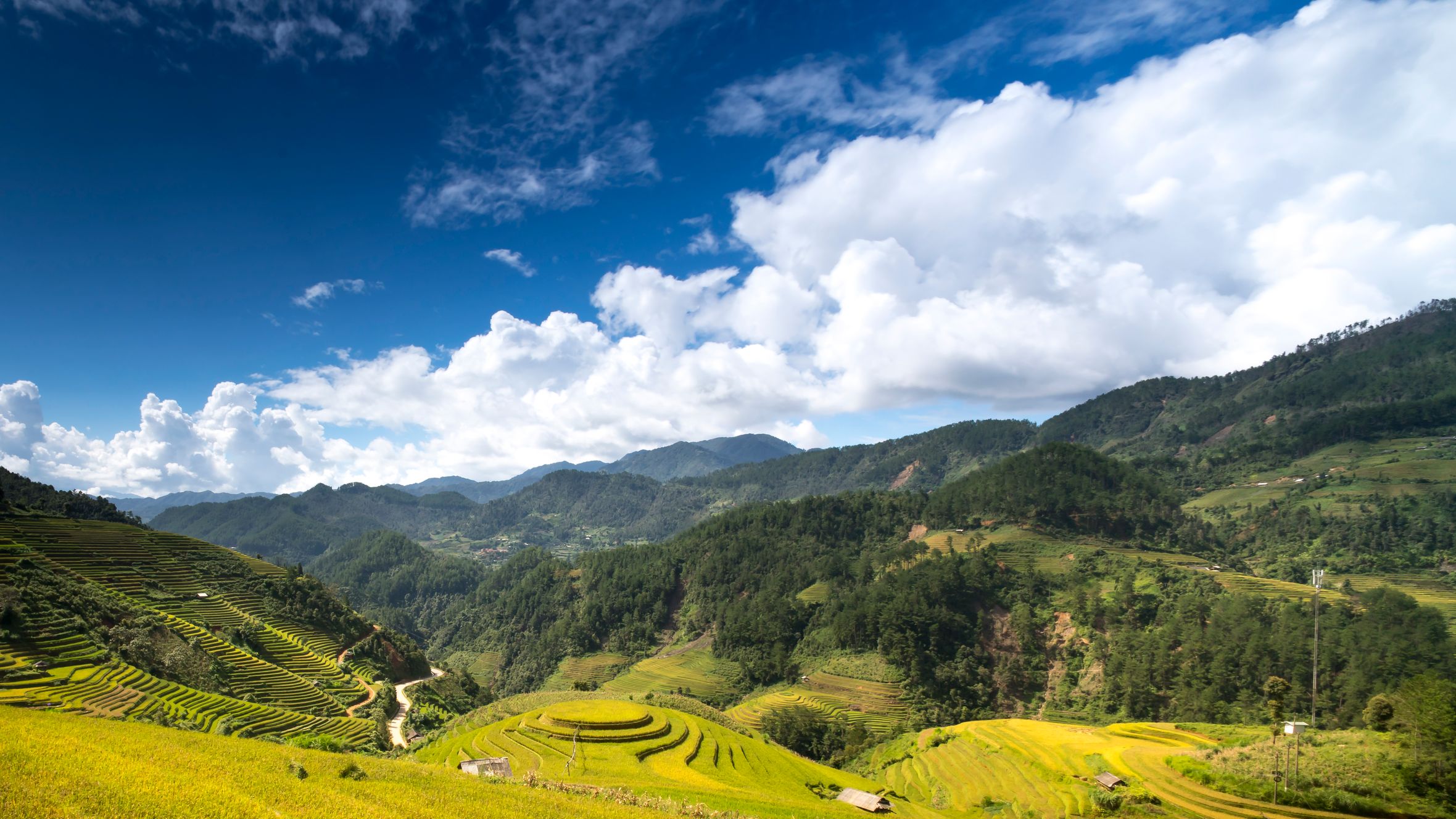
Photo by Tường Chopper on Pexels
Practical tips locals would tell you
- Bring cash. There are no ATMs in Vu Quang town and card payment doesn't exist out here.
- Pack leech socks or tuck your trousers into your socks during wet months. The forest leeches are persistent.
- Carry enough water and snacks for a full day. There are no shops on the trails.
- Phone signal (Viettel works best) is patchy inside the park. Download offline maps before you go.
- If you ride a motorbike from Ha Tinh city, the last 20 km is winding mountain road — take it slow, especially after rain.
Common mistakes to avoid
Don't show up without arranging a guide in advance. The park office can organize one, but calling ahead (or having your hotel in Ha Tinh city help with the call) saves wasted time. Don't assume you can camp anywhere — designated camping requires permission. And don't underestimate the distance from Vinh or Hue (후에 / 顺化 / フエ); this is not a quick side trip. Give it at least two days, one for travel and one for the park itself.
Practical notes
Park entry fees are around 40,000 VND per person, but confirm at the office as prices adjust. Vu Quang is one of those places where the journey getting there is part of the experience — the road west from Ha Tinh city passes through countryside and small villages that feel a long way from Hanoi or Saigon. That remoteness is exactly the point.
Last updated · May 29, 2026 · independently researched, never sponsored.