What it is
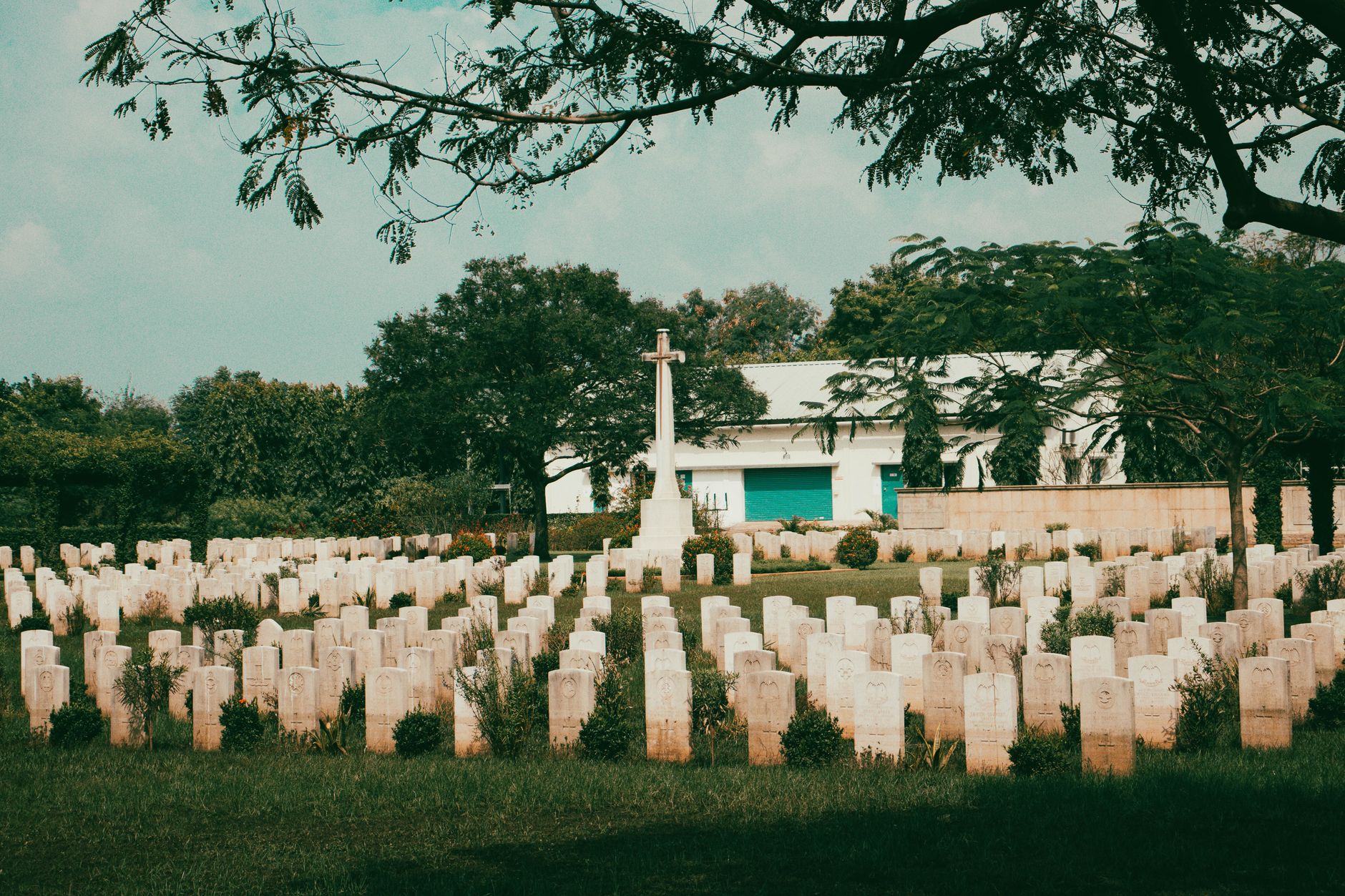
Vung Chua - Dao Yen is a coastal memorial site on the central Vietnamese coast, about 30 km north of Dong Hoi. It sits at the foot of a forested hill facing the sea, with Dao Yen (Swallow Island) visible just offshore. This is the final resting place of General Vo Nguyen Giap, one of the most significant military figures in 20th-century Vietnamese history. He chose this stretch of coastline himself — a quiet bay in his home province, far from the crowds of Hanoi.
The site opened to visitors in 2013. It draws a steady flow of domestic travelers, particularly around Tet and national holidays, but remains largely off the radar for foreign visitors. That's part of what makes it worth the detour: you get a genuinely local experience on a beautiful piece of coast.
Why travelers go
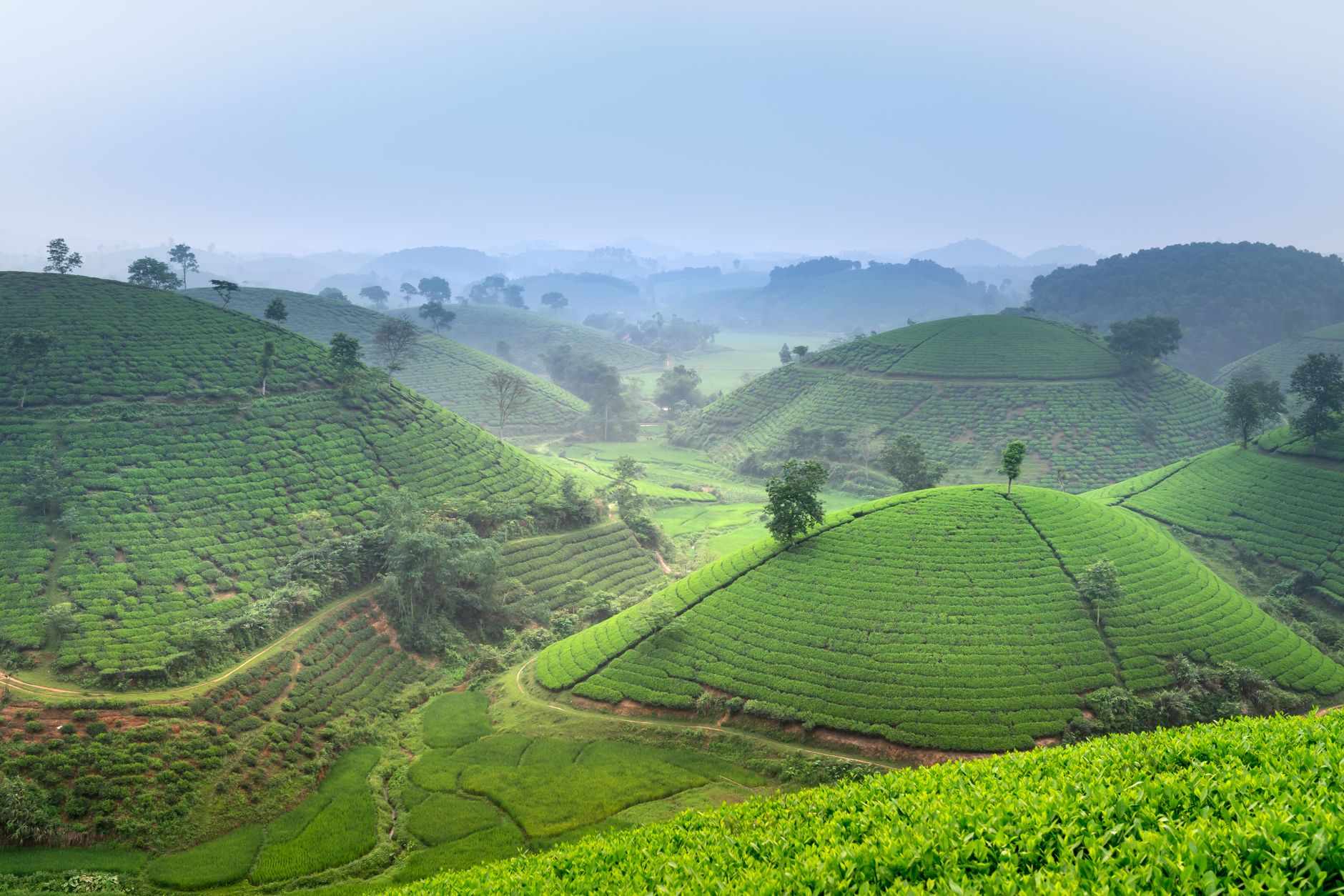
Most visitors come to pay respects at General Giap's tomb, which is set into the hillside with a simple granite marker and a wide view of the sea. But the area itself is reason enough. The coastline here is undeveloped — no resort sprawl, no beachfront bars. The water is clean, the sand is white, and the surrounding hills are covered in casuarina and pine forest. If you're traveling the north-central coast between Hue and Phong Nha, Vung Chua makes a worthwhile half-day stop that gets you off the main highway.
For Vietnamese travelers, the site carries deep significance. You'll see families, veterans, and school groups visiting throughout the year. The atmosphere is respectful and unhurried — a contrast to busier historical sites elsewhere in the country.
Best time to visit
The sweet spot is March through August. Skies are mostly clear, temperatures hover between 28–35°C, and the sea is calm enough that Dao Yen looks sharp against the horizon. April and May are ideal — warm but not yet peak summer heat, and domestic tourism hasn't ramped up for the June–July school holiday rush.
Avoid October through December if you can. This stretch of coast catches the northeast monsoon hard, and heavy rain can make the access road slippery. The site stays open, but grey skies and mud take the edge off the experience. Tet (뗏 (베트남 설날) / 越南春节 / テト (ベトナム旧正月)) (usually late January or February) brings large crowds of domestic visitors — expect limited parking and long waits at the memorial.
How to get there
The nearest hub is Dong Hoi, which has Dong Hoi Airport (VDH) with daily flights from Hanoi and Saigon (around 700,000–1,200,000 VND one way). The Reunification Express train also stops at Dong Hoi station.
From Dong Hoi, Vung Chua is roughly 30 km north along the coast road. Your options:
- Motorbike rental: The most flexible choice. Rentals in Dong Hoi run 120,000–180,000 VND per day. The ride takes about 40 minutes on QL1A, then a turn east toward the coast. The final 5 km stretch is a quiet two-lane road through forest.
- Taxi or Grab: A car from Dong Hoi costs around 350,000–450,000 VND one way. Grab availability is inconsistent outside the city center, so consider booking a return trip in advance.
- Guided tour: Some Dong Hoi hotels bundle Vung Chua into a half-day trip with nearby beaches. Expect 500,000–800,000 VND per person depending on group size.
There's no public bus that goes directly to the site.
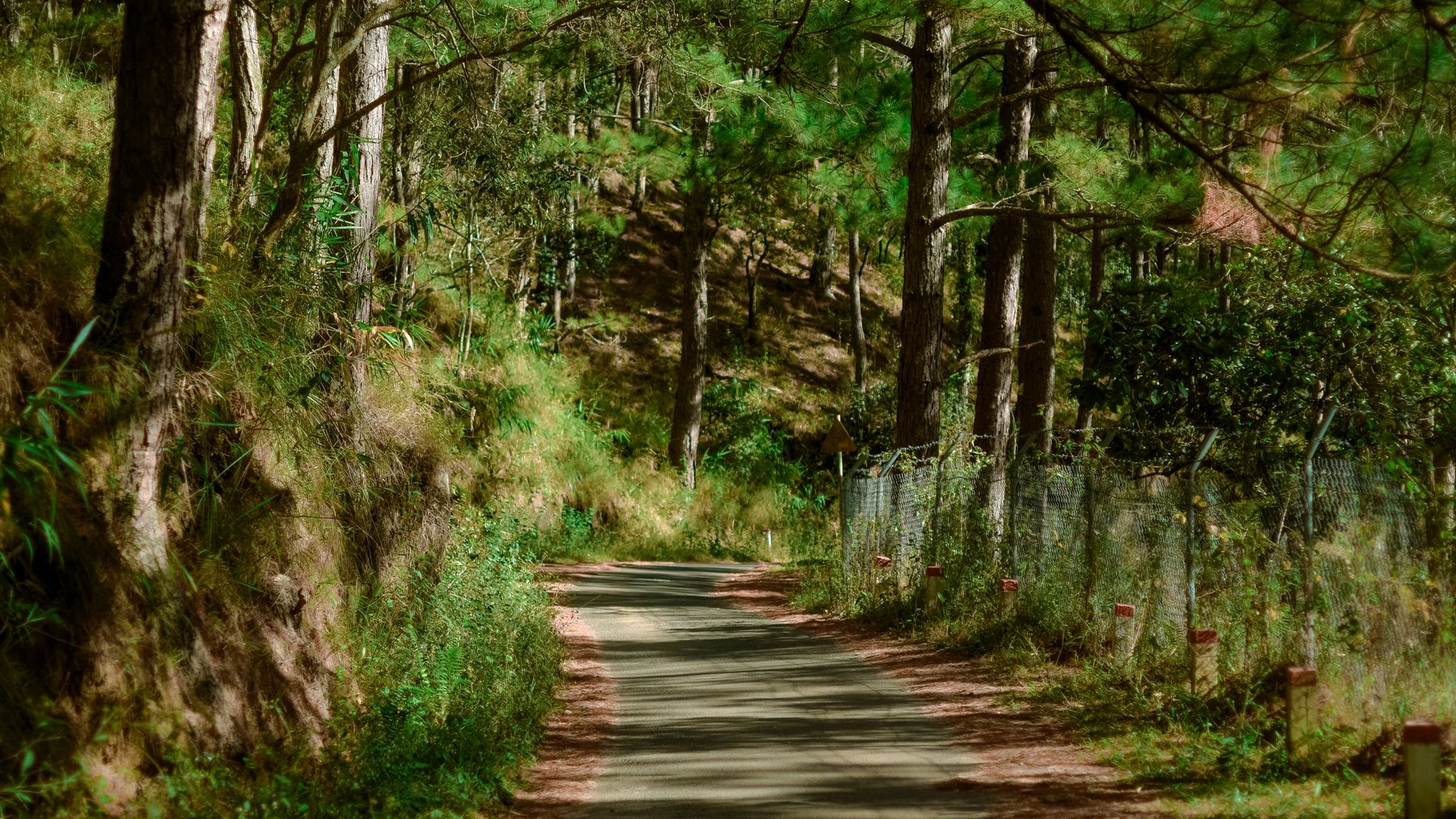
Photo by Dongdilac on Pexels
What to do
Walk the memorial grounds
The main path leads uphill from the parking area through landscaped gardens to the tomb itself. The walk takes about 15 minutes at a relaxed pace. The granite tomb faces east toward the sea, and the setting is deliberately understated — no grand mausoleum, no towering statues. A small exhibition hall near the entrance displays photos and personal effects. Budget about 60–90 minutes for the full visit.
Sit on Vung Chua beach
The crescent beach below the memorial site is one of the cleanest stretches of sand in the area. It's not set up for tourism — no sunbeds, no vendors — so bring your own water and a towel. The swimming is decent from April through August when the water is warm and relatively calm.
Look out toward Dao Yen
Swallow Island sits about 400 meters offshore. It's named for the swiftlets that nest in its rocky crevices — their nests are harvested for bird's nest soup, a high-value trade in Vietnam. You can't visit the island itself (it's restricted), but the view from the beach and hilltop is clear on good days.
Ride the coastal road
If you're on a motorbike, the stretch of road between Vung Chua and Quang Phu commune is worth riding slowly. Pine forests on one side, sea on the other, almost no traffic. It connects to several small fishing villages where you can watch boats come in during the early morning.
Visit Phong Nha on the same trip
Phong Nha is about 50 km northwest of Dong Hoi. Most travelers use Dong Hoi as a base for cave trips anyway, so combining Vung Chua with a day at Phong Nha makes logistical sense.
Where to eat nearby
There's not much at the site itself — a few drink vendors near the parking area sell water and snacks. For a proper meal, head back toward Dong Hoi or stop in one of the small towns along QL1A.
Look for "banh canh" — the thick tapioca-flour noodle soup that's a staple in this part of the central coast. Shops along the highway in Ba Don town (about 15 km north) serve good bowls for 25,000–35,000 VND. The local version often comes with crab or shrimp and a heavy hit of chili.
Fresh seafood is easy to find in Dong Hoi, particularly around Nhat Le beach. Grilled squid and steamed clams at the beachfront restaurants run 80,000–200,000 VND per plate depending on size and season.
Where to stay
Dong Hoi is your base. Options range widely:
- Budget guesthouses: 200,000–400,000 VND per night. Basic but clean, clustered around the train station and Nhat Le beach.
- Mid-range hotels: 500,000–900,000 VND. Several newer places along the beach road with air conditioning, hot water, and breakfast included.
- Resort-level: Sun Spa Resort and a few others near Nhat Le beach sit at 1,500,000–3,000,000 VND per night.
If you're combining with Phong Nha, consider splitting nights between Dong Hoi and the homestays in Phong Nha village.

Photo by James L on Pexels
Practical tips locals would tell you
- Dress modestly. This is a memorial site. Covered shoulders and knees are expected. You'll see signs at the entrance, and staff may turn away visitors in beachwear.
- Go early. The grounds open at 7:00 AM. Morning light is best for photos, and you'll avoid the midday heat on the uphill walk.
- Bring cash. There are no ATMs at the site. The nearest ones are in Dong Hoi or Ba Don.
- Carry water and sun protection. Shade is limited on the walk up to the tomb, and there's no covered rest area.
Common mistakes to avoid
- Underestimating travel time. The 30 km from Dong Hoi can take longer than expected if you miss the turnoff or hit road work. Give yourself at least an hour.
- Visiting only during holidays. Tet and September 2 (National Day) bring massive crowds. If you want a reflective visit, go on a weekday.
- Skipping the beach. Many visitors walk the memorial and leave. The beach below is the payoff — don't rush past it.
- Not combining with Phong Nha. You're already in Dong Hoi. Spending two or three days to cover both Vung Chua and the caves is the efficient play.
Practical notes
Entry to Vung Chua is free. The site is open daily from 7:00 AM to 5:00 PM. Parking for motorbikes is 5,000 VND; cars are 20,000 VND. If you're heading south afterward, Hue is about 170 km down QL1A — a solid half-day ride or three-hour drive.
Last updated · May 29, 2026 · independently researched, never sponsored.