An Bang Beach, 5 km north of Hoi An's Old Town, has become the quieter alternative to Cua Dai Beach. The sand is finer, the water stays clearer longer into the day, and there's less jet-ski noise. If you're choosing where to stay, the beach offers three price tiers—and each serves a different traveler.
Budget Hostels ($10–25 per night)
Hostels cluster in a loose strip along Nguyen Dinh Chieu Road, the main beach spine. Expect basic concrete rooms, cold-water showers, shared facilities, and occasionally noisy kitchens. The upside: you'll meet other travelers, staff usually know transport to Da Nang or Sapa tours, and nightly rates leave cash for meals.
Standard rooms in An Bang hostels run 200,000–500,000 VND ($8–22) for singles; dorms are 150,000–350,000 VND ($6–15). You get a fan or basic AC, a firm bed, and Wi-Fi that works most days. Bars attached to some hostels serve cheap "bia hoi" (draught beer) in the evenings, so the social scene is real—but also loud if you're an early sleeper.
A few hostels worth checking: look for places with rooftop terraces facing the water—they charge the same 250,000–400,000 VND per bed but the evening breeze makes a difference in summer. Most hostel bars sell local beers for 15,000–25,000 VND and basic cocktails for 60,000–80,000 VND. If you're hungry after check-in, the "com tam" (broken rice) stalls along the inland side of Nguyen Dinh Chieu serve plates for 35,000–50,000 VND—filling enough for dinner.
Who stays here: backpackers doing the Hanoi–Saigon loop, solo travelers, groups on a tight schedule.
Boutique Guesthouses & Mid-Range Hotels ($60–150)
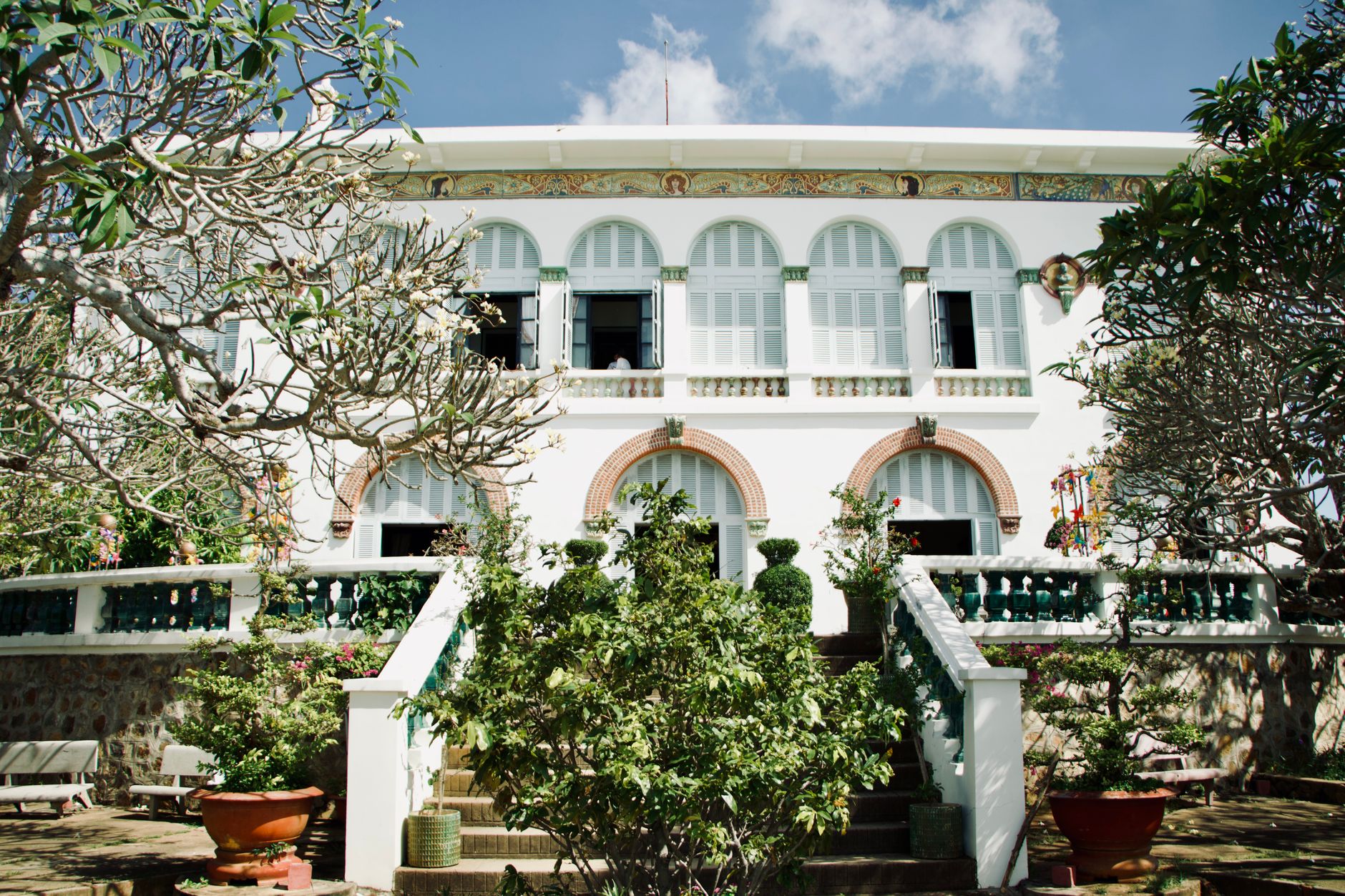
This is where An Bang's charm emerges. Properties like Sunshine Hideaway and Belle Maison occupy the middle ground—stylish, small-scale, owner-run. Rooms have real windows, quality linens, air-con, and rain showers. Breakfast is often included (fruit, "banh mi", Vietnamese coffee). Prices sit around 1.2–3 million VND ($50–130).
These places are bookable on Agoda or Booking; many don't have large websites. They're scattered across the beach and the village inland. The vibe is travelers-who-stayed-longer becoming semi-permanent residents—you'll find a library, a book-swap shelf, a small motorbike rental desk.
Some mid-range guesthouses also arrange cooking classes where you learn to roll "goi cuon" (fresh spring rolls) or fry "banh xeo" (sizzling crepes)—usually 400,000–600,000 VND per person including a market visit in Hoi An (호이안 / 会安 / ホイアン)'s Old Town. These are genuinely fun and a good way to spend a rainy morning. A few boutique hotels have small pools, which matters more than you'd think in July and August when the sea gets rough and red-flag days keep you out of the water.
Who stays here: couples, small groups, remote workers, people taking a week off.
Private Villas & Beach Houses ($150–500+)
If you're renting for a week or longer, or traveling as a family, villas offer kitchens, multiple bedrooms, and private outdoor space. Most are inland or set back from the waterline, a 2–5 minute walk to sand. Expect 3–5 million VND ($130–220) nightly for a modest 2-bed villa; larger setups or beachfront positions climb to 10+ million VND ($400+) for July–August.
Villa rentals go through Airbnb, Booking, or direct WhatsApp contact with local agents (search "An Bang villa rental" on Facebook groups). Fewer tourists use this tier, so book early if traveling peak season (December–February, July–August).
Having a kitchen changes the trip. The village market, about 1.5 km inland from the beach road, sells fresh herbs, vegetables, and seafood each morning before 9 am. You can pick up enough prawns and greens for a home-cooked dinner for 100,000–150,000 VND. Some villa owners stock basic spices and fish sauce; ask before arrival so you know what to bring from the Old Town.
Who stays here: families, groups of 4+, digital nomads with a budget, people who want to cook at home.

Photo by Quang Nguyen Vinh on Pexels
Why An Bang Beats Cua Dai
Cua Dai Beach, 2 km south of town, is more commercial—larger resorts, tour buses, paddleboard rentals, louder. An Bang is narrower and quieter; the sand slopes gently, making it safer for swimming. Cua Dai's nearness to the river mouth means cloudier water by mid-morning; An Bang stays clear until sunset. The trade-off: An Bang has fewer restaurants and beach bars—but that's why people go there.
Getting Around
Most travelers rent motorbikes (150,000–200,000 VND/$6–9 per day) or use Grab (ride-share app, ~60,000 VND/$2.50 to the Old Town). The beach is 15 minutes' walk from the main village, where you'll find "pho" shops, banh mi (반미 / 越式法包 / バインミー) stalls, and a convenience store. There's no supermarket or pharmacy on the beach itself.
If you plan to ride into Hoi An's Old Town regularly, note that motorbike parking near the pedestrian zone costs 5,000–10,000 VND. The ride itself takes about 10 minutes along Hai Ba Trung Road—straightforward, mostly flat, and well-lit until about 9 pm. Cycling is another option; many guesthouses lend basic bicycles for free or charge 30,000–50,000 VND per day. The 5 km ride is pleasant in early morning or late afternoon but brutal under midday sun from April onward.
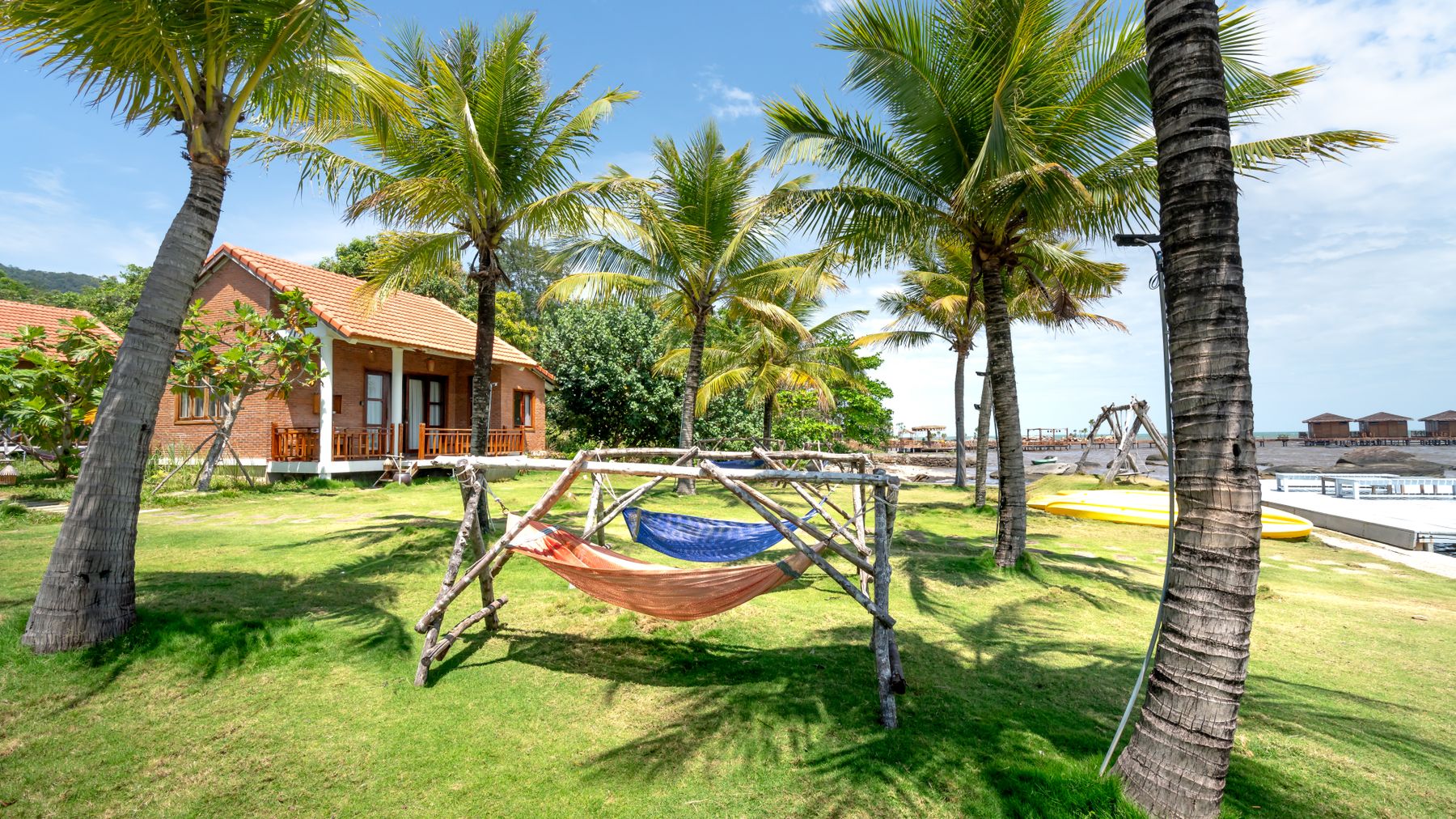
Photo by Quang Nguyen Vinh on Pexels
Season Matters
December–February is coolest and driest—peak season, prices up 20–30%. April–September is hot and humid; June–September sees occasional storms. Typhoon season (late October–November) is rare but possible; book refundable rates if visiting.
March and April are arguably the sweet spot: warm enough to swim (water around 25–27°C), fewer crowds than winter peak, and accommodation prices drop back to shoulder-season rates. If you're combining An Bang with a trip to Hue or Da Nang, this window gives you comfortable weather across all three cities without the summer heat.
Eating and Drinking Near An Bang
You don't need to go into the Old Town for every meal. The beach road has a handful of seafood restaurants and Western-leaning cafes—expect grilled fish plates for 120,000–180,000 VND and pizza or pasta for 100,000–150,000 VND. The better eating, though, is in the village.
Walk inland past the last guesthouses and you'll hit a cluster of local places serving "bun cha" (grilled pork with noodles, 40,000–55,000 VND), "banh cuon" (steamed rice rolls, 30,000–40,000 VND), and "mi quang"—the turmeric noodle dish that's a Central Vietnam staple, typically 40,000–50,000 VND per bowl. "Cao lau," the thick-noodle Hoi An specialty, shows up at a few spots too, though the best bowls are still in the Old Town market.
For coffee, look for the small "ca phe" carts that set up near the village intersection each morning around 6 am. A "ca phe sua da" (iced milk coffee) costs 15,000–25,000 VND. If you want egg coffee, you'll probably need to head into Hoi An proper—it's more of a Hanoi tradition and not widely available at An Bang.
Evening drinks lean casual. A few beach bars set up plastic chairs on the sand and serve beer and fruit shakes until around 10 pm. This isn't a party beach. If you want nightlife, the bars on Nguyen Phuc Chu Street in the Old Town are a short Grab ride away.
Common Mistakes Visitors Make
Booking beachfront and expecting silence. The properties closest to the water also sit nearest the beach bars and morning fishing activity. If quiet matters, pick a place one or two rows back from the sand.
Not carrying cash. Card acceptance is spotty outside the mid-range hotels. The single ATM on the beach road can run out of cash on weekends, especially during peak season. Withdraw in Hoi An before heading out and keep a reserve of 500,000–1,000,000 VND on hand.
Arriving without sunscreen. There's no pharmacy and the convenience store stocks limited brands at double the city price. Buy sunscreen in Da Nang or Hoi An.
Assuming Grab works perfectly. Drivers are fewer out here than in central Hoi An. During rain or after 9 pm, wait times can stretch to 15–20 minutes. Have your guesthouse's phone number saved—many can call a local taxi ("xe om") faster than the app.
Skipping the inland village entirely. Most visitors stick to the beach road and miss the cheaper, better food a five-minute walk away. The village is where locals actually eat, and prices reflect that.
Underestimating the sun in shoulder season. Even in March, UV is strong enough to burn within 40 minutes. The sea breeze tricks you into thinking it's cooler than it is.
Quick Reference: An Bang Beach at a Glance
- Distance from Hoi An Old Town: 5 km (10 min motorbike, 20 min bicycle)
- Distance from Da Nang airport: 30 km (~45 min by car or Grab)
- Budget dorm bed: 150,000–350,000 VND/night ($6–15)
- Budget private room: 200,000–500,000 VND/night ($8–22)
- Mid-range boutique: 1.2–3 million VND/night ($50–130)
- Villa rental: 3–10+ million VND/night ($130–400+)
- Motorbike rental: 150,000–200,000 VND/day ($6–9)
- Grab to Old Town: ~60,000 VND ($2.50)
- ATMs: 1 on beach road (carry backup cash)
- Peak season: December–February, July–August
- Best value months: March–April, September
- Nearest hospital: Hoi An city center (~6 km)
- Useful Vietnamese phrases: "Phong con trong khong?" (Any rooms available?), "Bao nhieu mot dem?" (How much per night?), "Goi Grab giup toi" (Call a Grab for me)
Frequently Asked Questions
How far is An Bang Beach from Hoi An's Old Town?
An Bang Beach sits 5 km north of Hoi An's Old Town. It is considered a quieter alternative to Cua Dai Beach, with finer sand and clearer water. The distance is short enough to cover by motorbike rental or bicycle, and hostel staff along Nguyen Dinh Chieu Road typically know transport options to nearby cities like Da Nang as well.
What does a mid-range guesthouse at An Bang Beach cost per night?
Mid-range boutique guesthouses and small hotels at An Bang Beach run approximately 1.2 to 3 million VND ($50-130) per night. Properties like Sunshine Hideaway and Belle Maison include air-con, rain showers, and breakfast with fruit, banh mi, and Vietnamese coffee. Some also offer cooking classes covering dishes like goi cuon and banh xeo for 400,000-600,000 VND per person, including a market visit to Hoi An's Old Town.
When should families or groups book private villas at An Bang Beach?
Book early if traveling in July or August, when demand peaks and prices climb. A modest two-bedroom villa runs 3-5 million VND ($130-220) per night, while larger or beachfront properties reach 10 million VND ($400+) during peak season. Note that rough seas and red-flag days are common in those months, making a villa with private outdoor space more practical than relying solely on beach access.
Practical Notes
Book hostels and boutiques direct via their Instagram or email for discounts; villa rentals require 50% upfront, often non-refundable. An Bang has one ATM (withdrawal fee ~20,000 VND/$1) and minimal English signage outside the beach road. Arrive by noon or contact your place in advance if arriving after 5 pm—some check-in windows close. If you're planning a longer Hoi An stay, day-tripping from the Old Town to An Bang is easy, but staying overnight lets you catch sunrise and actually swim without tour crowds.
For travelers moving on from Hoi An, Da Nang is the nearest transport hub with trains north to Hue and flights to Hanoi, Saigon, Phu Quoc, and Da Lat. Some guesthouses arrange shared cars to Da Nang airport for 200,000–300,000 VND per person—cheaper and more reliable than negotiating a private taxi at short notice.
Final Note
An Bang is not the beach for people who want resort pools, organized activities, or nightlife past 10 pm. It's the beach for people who want sand, a good book, cheap noodles, and the option to ride into one of Vietnam's most interesting old towns whenever they feel like it. Stay two nights minimum—one to settle, one to actually enjoy it.
Last updated · May 29, 2026 · independently researched, never sponsored.