Day 1 — Arrival in Hue
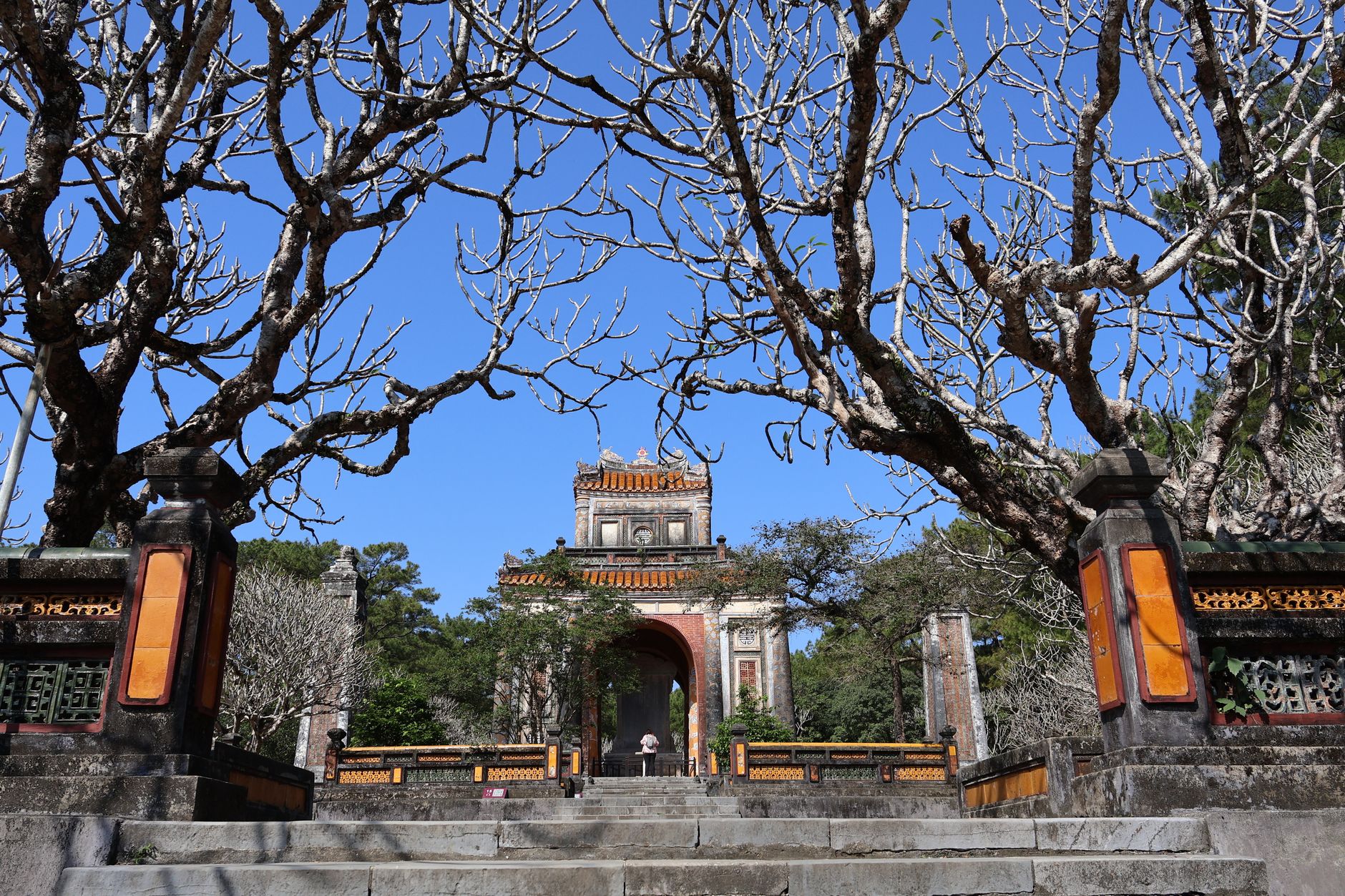
Start your journey in the former imperial capital. Hue is best experienced during the dry season (March to August) when the humidity is manageable and the skies are clear for exploring the "Tomb of Tu Duc" and the "Tomb of Khai Dinh". Spend your first evening near the Perfume River, grabbing a bowl of "bun bo hue" from a street-side stall. Look for places that serve the broth with a heavy hit of lemongrass and fermented shrimp paste.
Day 2 — Imperial History
Dedicate your morning to the Imperial Citadel. It is a massive complex, so give yourself at least four hours to walk the grounds. In the afternoon, head to the Thien Mu Pagoda. For dinner, seek out "banh beo" or "banh nam", the delicate steamed rice cakes that define Hue (후에 / 顺化 / フエ)’s royal-influenced street food culture.
Day 3 — The Pass to Da Nang
Travel south toward Da Nang (다낭 / 岘港 / ダナン). If you have the budget, hire a private car to drive over the Hai Van Pass. It is roughly 20km of winding coastal road that offers a better perspective of the landscape than the tunnel. Stop in Lang Co for a quick seafood lunch before reaching the coast of Da Nang.
Day 4 — Da Nang Coastal Life
Da Nang is a functional city, not just a resort hub. Spend your morning at My Khe beach, then head into the city center for "mi quang". This turmeric-infused noodle dish is a staple here; look for stalls that serve it with plenty of fresh herbs and a side of grilled rice crackers. In the evening, walk the Han River waterfront.
Photo by Minh Lê on Pexels
Day 5 — Mountains and Bridges
Take a day trip to the Ba Na Hills. While the "Golden Bridge" is the primary draw, the cooler mountain air is the real benefit during the heat of the dry season. Return to the city by late afternoon and find a spot for "banh xeo", the crispy, savory crepes stuffed with pork and shrimp.
Day 6 — Transit to Hoi An
It is a short 30km drive from Da Nang to Hoi An. Check into a homestay on the edge of the Ancient Town. Use the afternoon to wander the narrow alleys. Visit the Japanese Covered Bridge and the various assembly halls. For dinner, you must try "cao lau", a noodle dish unique to this town, supposedly made with water from a local ancient well.
Day 7 — Rural Hoi An
Rent a bicycle for 30,000 VND and head toward the Tra Que vegetable village or the nearby beaches like An Bang. The dry season is perfect for cycling through the rice paddies. In the evening, take a cooking class or simply hunt down the best "banh mi" in town—there are two famous rival shops near the center that have been debated by locals for years.
Photo by Minh Lê on Pexels
Day 8 — My Son Sanctuary
Take a morning excursion to "My Son", the cluster of abandoned Hindu temples constructed by the Champa Kingdom. It is about 40km from Hoi An. Go early, ideally by 7:30 AM, to beat the tour buses and the midday heat. Spend your final evening in Hoi An watching the lanterns glow along the river.
Day 9 — Beach and Relaxation
Use this day to slow down. Central Vietnam’s dry season can be intense, so spend the day at the beach or lounging in a cafe with a "vietnamese coffee". If you are feeling active, take a boat trip out to "Cu Lao Cham" for snorkeling and a fresh seafood lunch.
Day 10 — Departure
Enjoy one last bowl of "pho" or a quick "banh cuon" for breakfast before heading to the Da Nang International Airport. If you have extra time, stop by the Marble Mountains on your way out for a final view of the coastline.
Practical notes
Carry a reusable water bottle and stay hydrated; the dry season sun is deceptive and can lead to quick exhaustion. Always keep small denominations of VND for street food, as vendors rarely have change for large bills.
Last updated · May 30, 2026 · independently researched, never sponsored.