Day 1-3 — The Imperial Pace of Hue
Arrive in Hue and immediately shed the need to see every single monument in 48 hours. The city moves slower here, influenced by the Perfume River and the lingering habits of the former imperial capital. Spend your first morning at a local market near the Dong Ba area to observe the morning trade. For lunch, seek out "bun bo hue" from a nondescript stall rather than a tourist-heavy restaurant; look for the ones with low plastic stools and a bubbling pot of spicy broth.
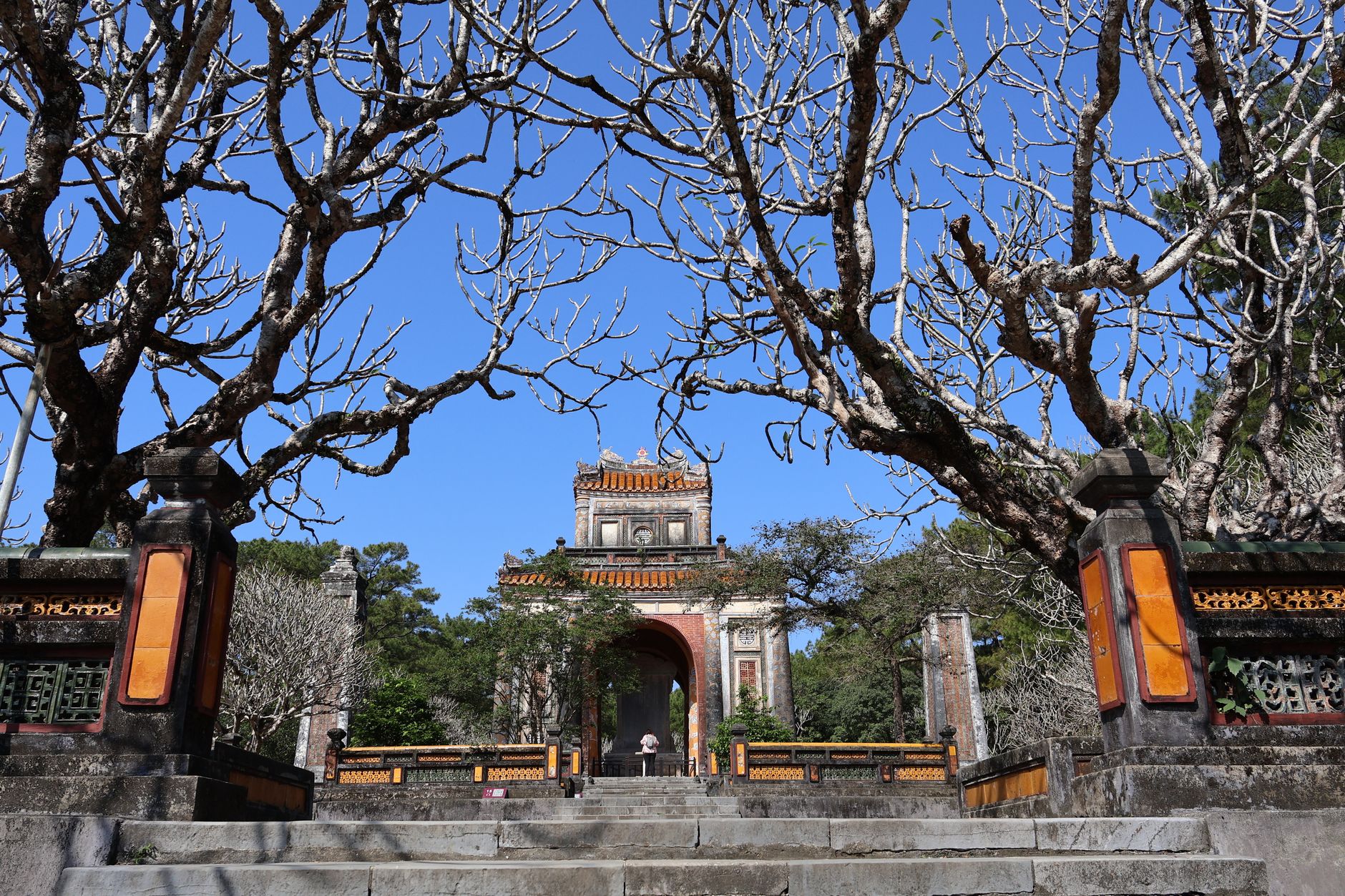
Dedicate your second day to the "Tomb of Tu Duc" and "Tomb of Khai Dinh". Instead of rushing, cycle there through the rural outskirts. The transition from the city center to the pine-forested hills is where the real Hue exists. On your third day, take a slow walk around the Imperial Citadel Thang Long’s southern cousin, the Hue Citadel, but focus on the quiet residential alleys inside the walls where artisans still practice traditional crafts.
Day 4-6 — Da Nang: Beyond the Beach
Take the train from Hue (후에 / 顺化 / フエ) to Da Nang. This is perhaps the most scenic rail journey in the country, hugging the coastline as it passes through the Hai Van Pass. Once in Da Nang, skip the high-rise resorts. Base yourself in the Ngu Hanh Son district or near the Han River.
Use these days to understand the city's relationship with its food. Spend your mornings eating "mi quang" at stalls frequented by office workers. In the evenings, head to the local markets to try "banh xeo"—the Central Vietnamese version is smaller and crispier than the southern style. Dedicate one afternoon to the Marble Mountains, but arrive at 4:00 PM to avoid the midday heat and the tour bus crowds. If you need a break, grab a "vietnamese coffee (베트남 커피 / 越南咖啡 / ベトナムコーヒー)" and sit by the river to watch the city transition into the night.
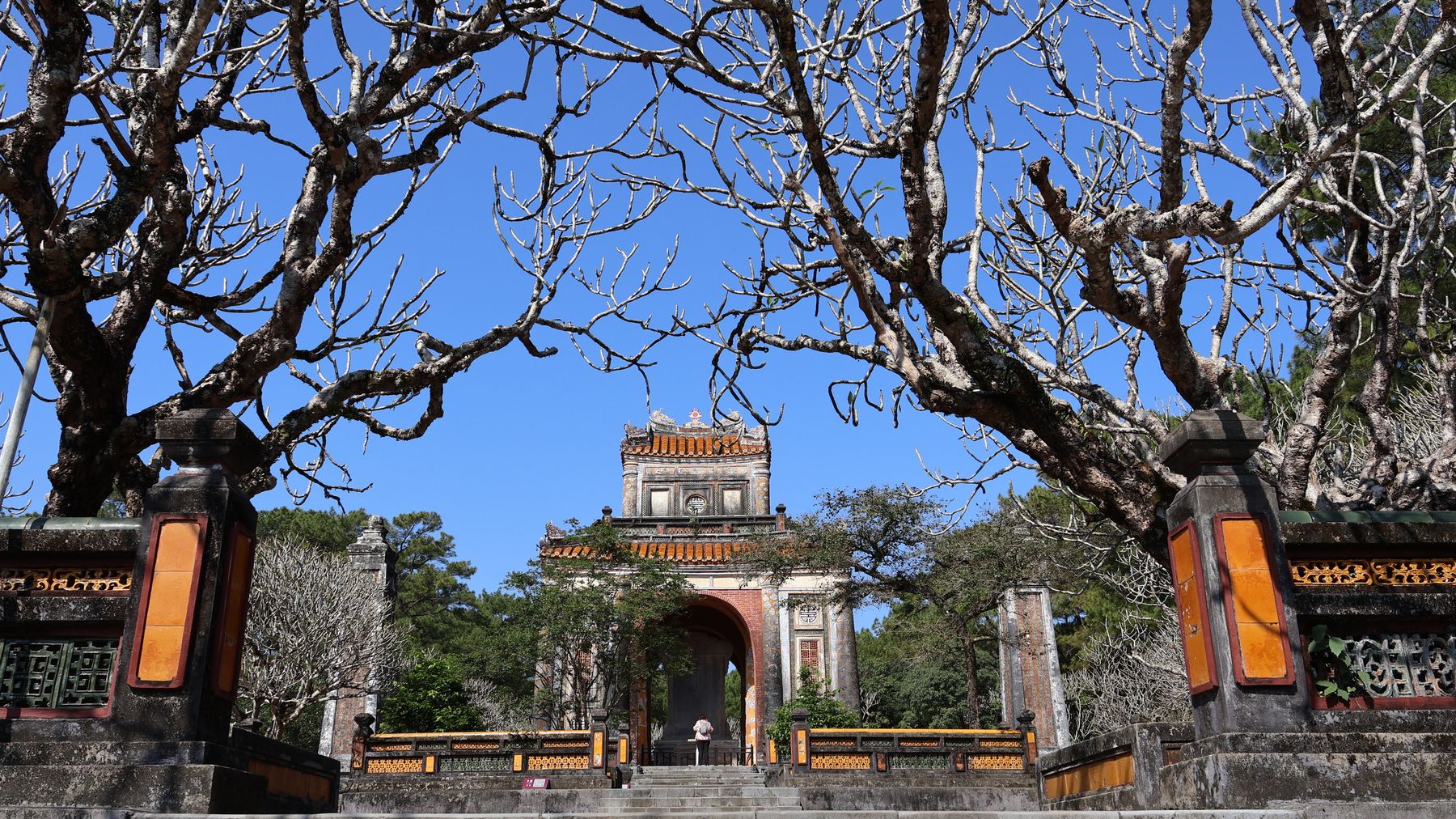
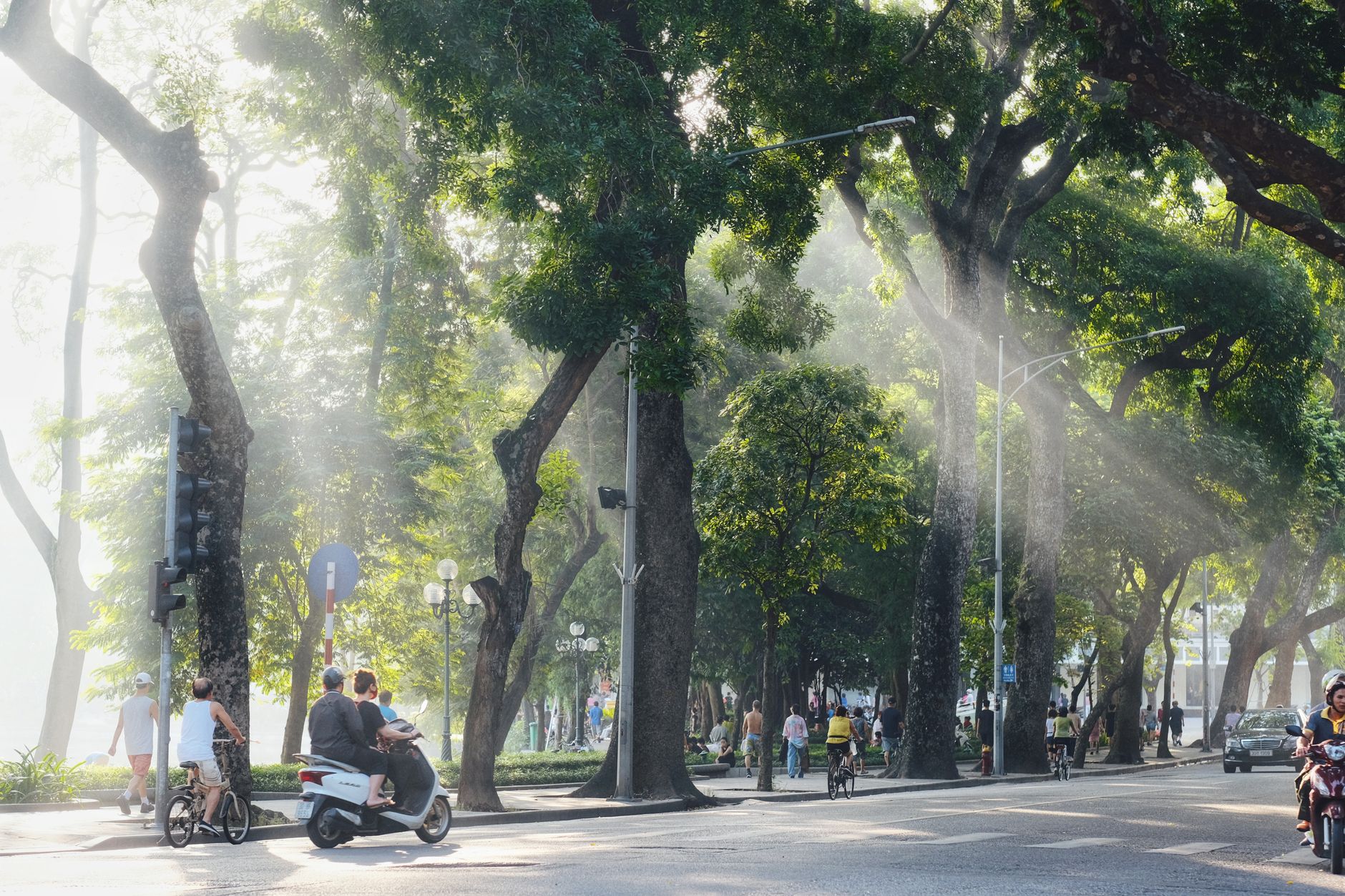
Photo by Minh Lê on Pexels
Day 7-10 — The Quiet Side of Hoi An
Most travelers treat Hoi An as a 24-hour stopover. For a slow travel experience, move 3km outside the Ancient Town toward the rice paddies or the Cam Nam area. The goal here is to integrate into the local rhythm. Rent a bicycle and spend your mornings riding to An Bang beach before the sun becomes punishing.
Dedicate your time to the culinary staples of the region. You cannot leave without trying "cao lau", a dish that relies on water from a specific local well—it is a perfect example of how geography dictates culture here. Spend your final days exploring the backstreets where the "ao dai" tailors work, not for a custom suit, but to observe the precision of their craft. If you have time, a quick trip to "Cu Lu Cham" offers a glimpse into island life that feels worlds away from the lantern-lit streets of the center.
Photo by Minh Lê on Pexels
Practical notes
Central Vietnam is best navigated by train between major hubs; book your tickets at least 48 hours in advance via the official railway website to ensure a soft-seat or sleeper berth. Always carry a small amount of cash in VND for street food, as most vendors do not accept digital payments. The weather can shift rapidly, so keep a light rain shell in your daypack regardless of the season.
Last updated · May 30, 2026 · independently researched, never sponsored.