What Ho Nam Cat actually is
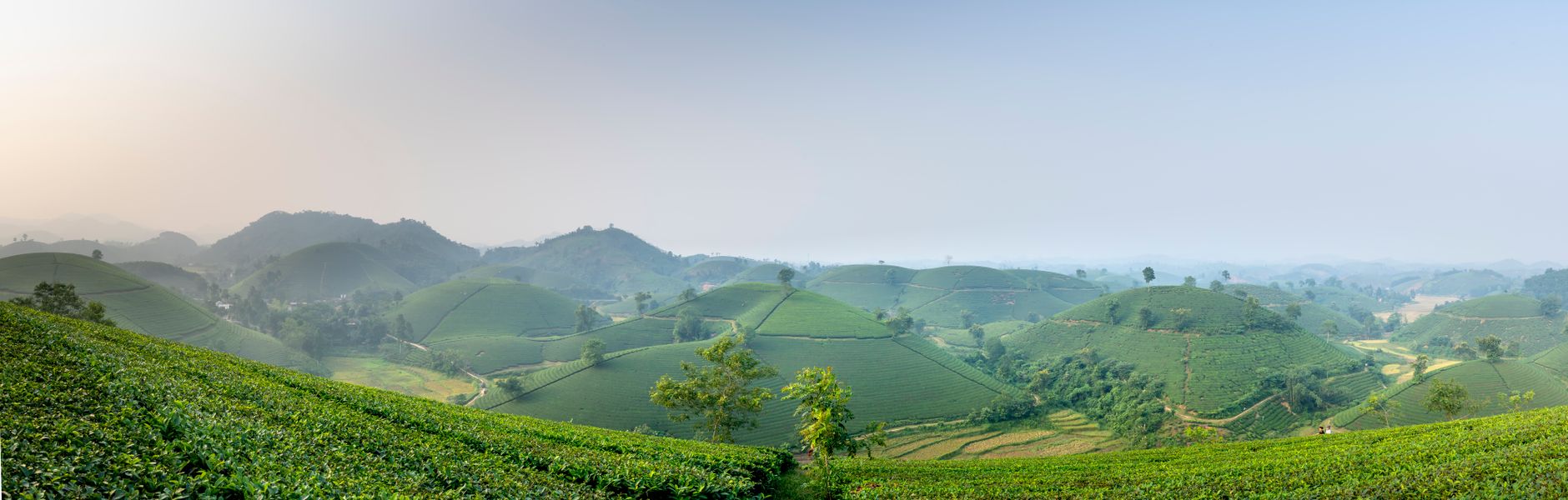
Ho Nam Cat is a reservoir-turned-lake sitting at roughly 300 meters elevation in the hilly terrain of Cho Don district — an area that historically belonged to Bac Kan province before the administrative merger brought it under the Thai Nguyen umbrella. The lake was created decades ago when a small river valley was dammed for irrigation and local hydropower. Over time, the surrounding karst hills reclaimed the shoreline with dense forest, and the result is a body of water that feels older and wilder than it technically is.
The lake stretches about 3 km long with dozens of small islands poking out of the surface, many of them forested. If you've been to Ba Be Lake about 60 km further north, think of Ho Nam Cat as its less-visited, smaller cousin — fewer tourist boats, no ticket booths, and a pace that's dictated entirely by the weather and the local fishing schedule.
Why travelers go
Ho Nam Cat draws a particular kind of visitor: someone who's already done Hanoi, maybe spent time in Ha Giang or Sapa, and wants something with zero infrastructure pressure. There are no crowds. On weekdays, you might share the lake with a handful of Tay and Dao villagers fishing from wooden boats and nobody else.
The appeal is simple. The water is clean enough to swim in during dry season, the surrounding hills are good for half-day hikes without a guide, and the silence at dawn — actual silence, not "peaceful ambiance" — is the kind of thing that recalibrates your nervous system after weeks of motorbike horns.
Photographers come for the mist. Between October and January, mornings produce a low fog that sits on the lake surface for the first two hours after sunrise. It's the reason most of the Vietnamese-language content about this place exists at all.
Best time to visit
The sweet spot is October through December. The monsoon rains have tapered off, the hills are still green, and morning mist is at its thickest. Temperatures hover around 18-24°C during the day, dropping to 12-15°C at night — comfortable for hiking and sleeping without air conditioning.
March through May is a secondary window. It's warmer (25-32°C), the lake level is lower, and some of the smaller islands become accessible on foot during dry spells. The mist is mostly gone, though.
Avoid July and August unless you're fine with heavy rain, leeches on the trails, and the occasional road washout on the approach from Cho Don town.
How to get there
The most practical hub is Thai Nguyen city, about 80 km south of the lake. From Hanoi (하노이 / 河内 / ハノイ), Thai Nguyen is roughly 75 km north — reachable by bus from My Dinh station (60,000-80,000 VND, about 2 hours) or by motorbike via QL3.
From Thai Nguyen city to Ho Nam Cat, you have two options:
- Motorbike (the better choice): Take DT259 north through Dinh Hoa district, then follow signs toward Cho Don. The ride is about 80 km and takes 2.5-3 hours depending on road conditions and how often you stop. The last 15 km is a narrow concrete road through villages — rideable but slow.
- Local bus + xe om: A bus runs from Thai Nguyen to Cho Don town (around 70,000 VND, 3 hours). From Cho Don, you'll need a xe om (motorbike taxi) for the final 12 km to the lake. Negotiate 50,000-80,000 VND for the ride.
If you're coming from Hanoi directly by motorbike, the full ride is about 160 km and takes 4-5 hours via QL3 and DT259. Fill up your tank in Cho Don — there's nothing reliable after that.

Photo by Quang Nguyen Vinh on Pexels
What to do
Boat the lake
Local families near the dam offer wooden boat trips around the lake's islands. There's no official ticket counter — you walk to the shore and ask. Expect to pay 200,000-300,000 VND for a boat that fits 3-4 people, for roughly 1.5-2 hours. The boatman will cut the engine near the islands and let you drift. Bring your own water and snacks.
Hike the eastern ridge
A footpath runs along the eastern shore and climbs to a ridge that gives you a full panoramic view of the lake and surrounding valleys. It's about 4 km round-trip, mostly under tree cover, and takes 2-3 hours at a relaxed pace. No markers — ask a local to point you to the trailhead near the northern end of the dam.
Swim (dry season only)
Between November and April, the water near the dam wall is calm and deep enough for swimming. Locals swim here regularly. There are no lifeguards, no roped-off areas — use your own judgment. The water temperature hovers around 20-22°C in winter, which is bracing but manageable.
Visit a Tay village
Several Tay minority villages sit within 3-5 km of the lake. These aren't set up for tourism — no homestay signs, no souvenir stalls. But if you approach with basic courtesy (a smile, a greeting in Vietnamese, maybe some fruit or snacks as a small gift), families are generally welcoming. You'll see stilt houses, small tea gardens, and rice paddies cut into the hillside.
Photograph the dawn mist
Get to the western shore by 5:30 AM between October and January. The mist rises off the water and wraps around the islands in layers. By 7:30 AM it's usually burned off. A tripod helps — light is low and the air is damp.
Where to eat nearby
Don't expect restaurants. The closest real food options are in Cho Don town, 12 km away, where a handful of "com binh dan" (everyday rice) shops line the main road. Meals run 30,000-50,000 VND.
Two things worth seeking out: "thit trau gac bep" — buffalo meat smoked over a wood fire, a specialty of the Tay communities in this area — and "xoi ngu sac", five-color sticky rice tinted with natural plant dyes. Both are more common during market days (usually every 5 days on the lunar calendar). Ask your homestay host or a local about the next market.
For Vietnamese coffee, Cho Don has a couple of basic cafes, but Thai Nguyen province is actually one of Vietnam (베트남 / 越南 / ベトナム)'s biggest tea-growing regions. If someone offers you a cup of locally grown green tea, take it — this is some of the best tea in the north.
Where to stay
Accommodation is basic:
- Homestays near the lake: A few families in the nearest village offer rooms. Expect a mattress on the floor, mosquito net, shared bathroom, and home-cooked dinner and breakfast included. Around 200,000-350,000 VND per person per night.
- Guesthouses in Cho Don town: Simple rooms with private bathroom and hot water. 250,000-400,000 VND per night.
- Thai Nguyen city hotels: If you want air conditioning and reliable Wi-Fi, stay in Thai Nguyen city and day-trip to the lake. Budget hotels start around 300,000 VND; mid-range options with decent beds run 500,000-800,000 VND.
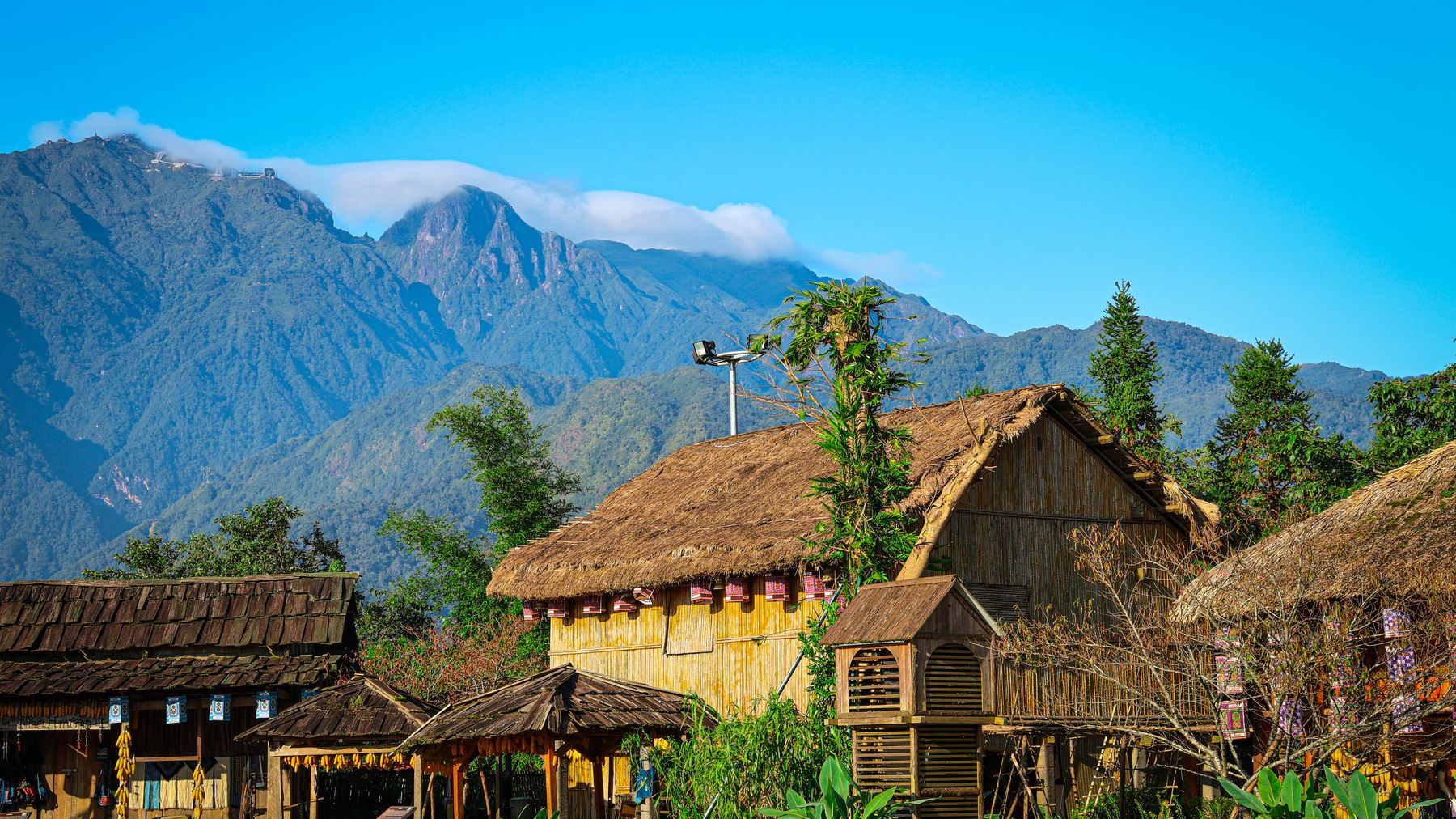
Photo by Haneul Trac on Pexels
Practical tips locals would tell you
- Bring cash. There are no ATMs near the lake. The last reliable ATM is in Cho Don town, and even that one occasionally runs out on weekends.
- Pack layers. Mornings are cold from October to February, but midday sun heats up fast. A light down jacket and a t-shirt will both get used.
- Mosquito repellent is not optional. The lake shore at dusk is prime mosquito territory.
- Charge your phone in town. Electricity at homestays can be intermittent. A power bank is worth its weight.
- Learn three phrases: "Xin chao" (hello), "Cam on" (thank you), and "Bao nhieu?" (how much?). They go further here than anywhere on the tourist trail.
Common mistakes to avoid
- Arriving without a plan for the last 12 km. The stretch from Cho Don to the lake has no public transport and almost no phone signal. Arrange your xe om or have your own motorbike sorted before you leave town.
- Expecting Ba Be-level facilities. Ho Nam Cat has no visitor center, no tour operators, no English signage. That's the point — but come prepared.
- Skipping Cho Don market. If your visit overlaps with a market day, don't miss it. The market is where Tay, Dao, and Kinh communities converge, and the food stalls alone are worth the detour.
- Trying to visit as a day trip from Hanoi. The 5-hour drive each way makes this miserable as a round trip. Give it at least one night, ideally two.
Practical notes
Ho Nam Cat rewards patience and low expectations for comfort. It's not a destination you "do" — it's one you settle into for a day or two, eat simply, sleep early, and wake up to fog on still water. For travelers heading further north toward Ba Be or Ha Giang, it works well as an overnight stop that breaks up the long ride from Hanoi.
Last updated · May 29, 2026 · independently researched, never sponsored.