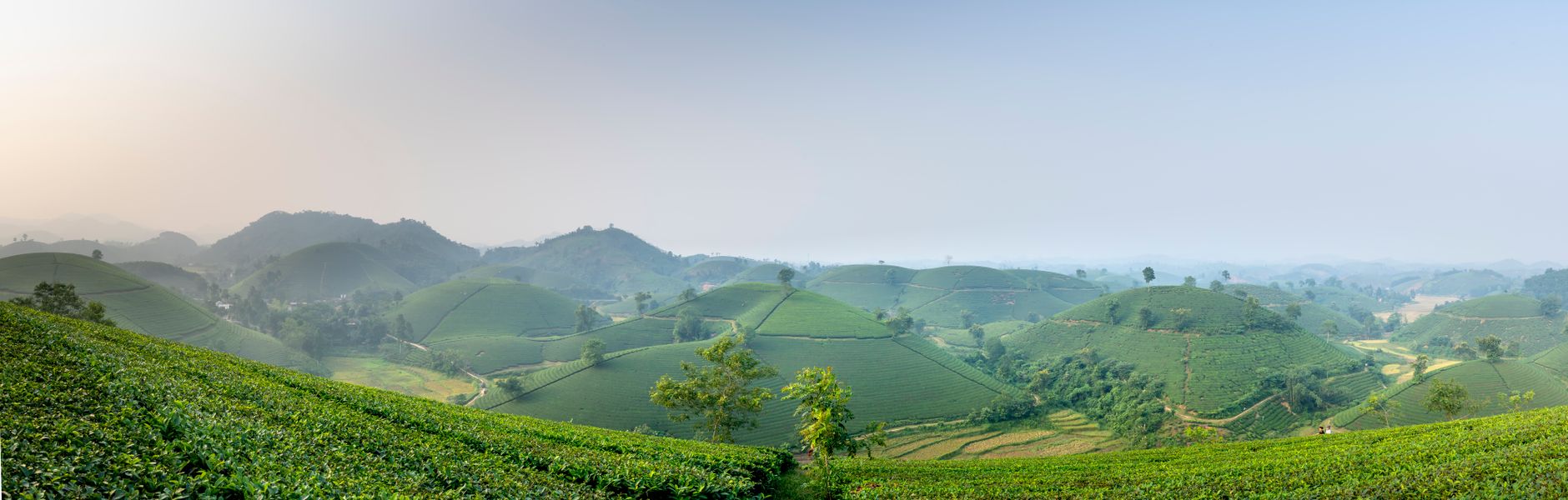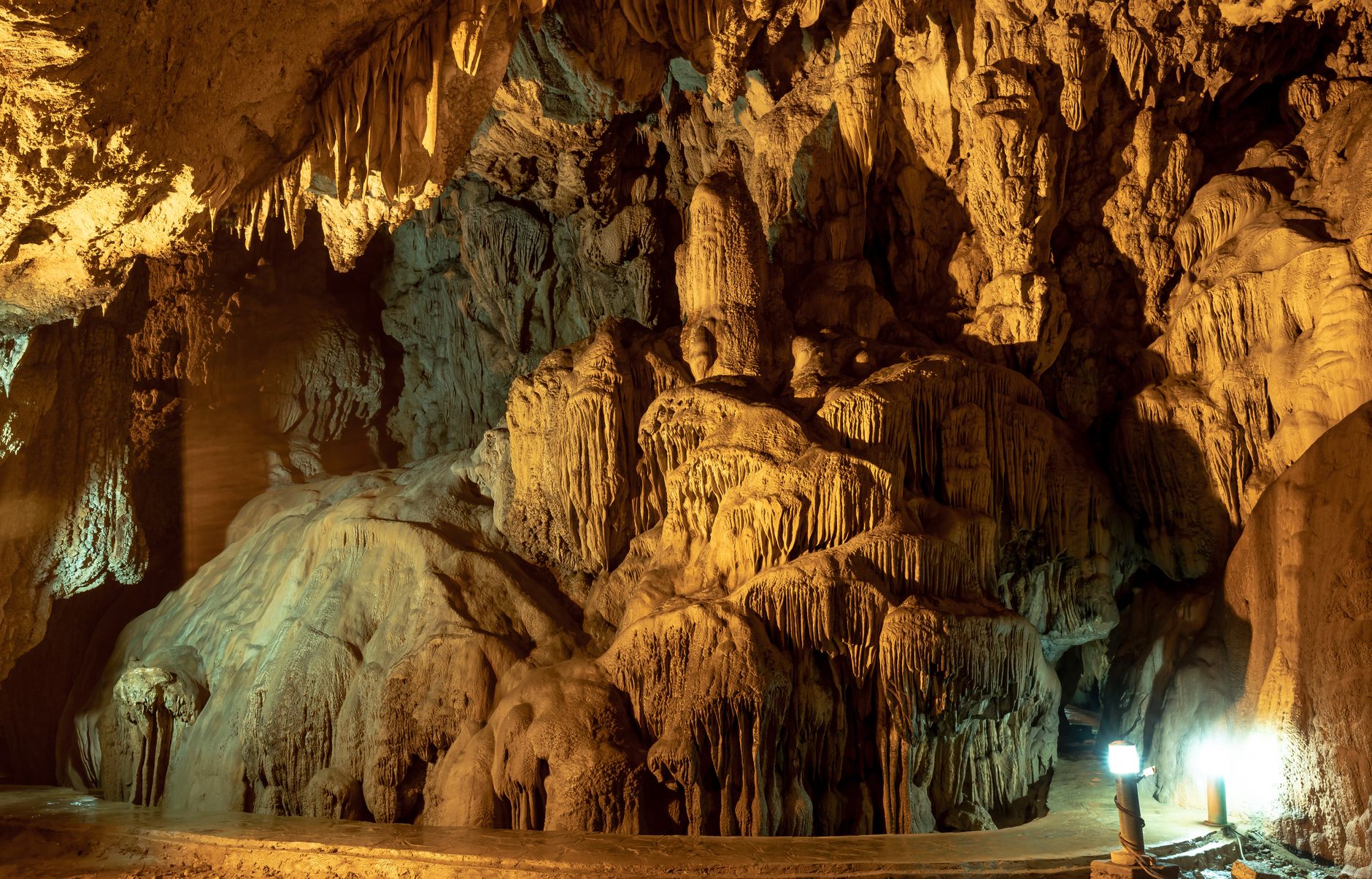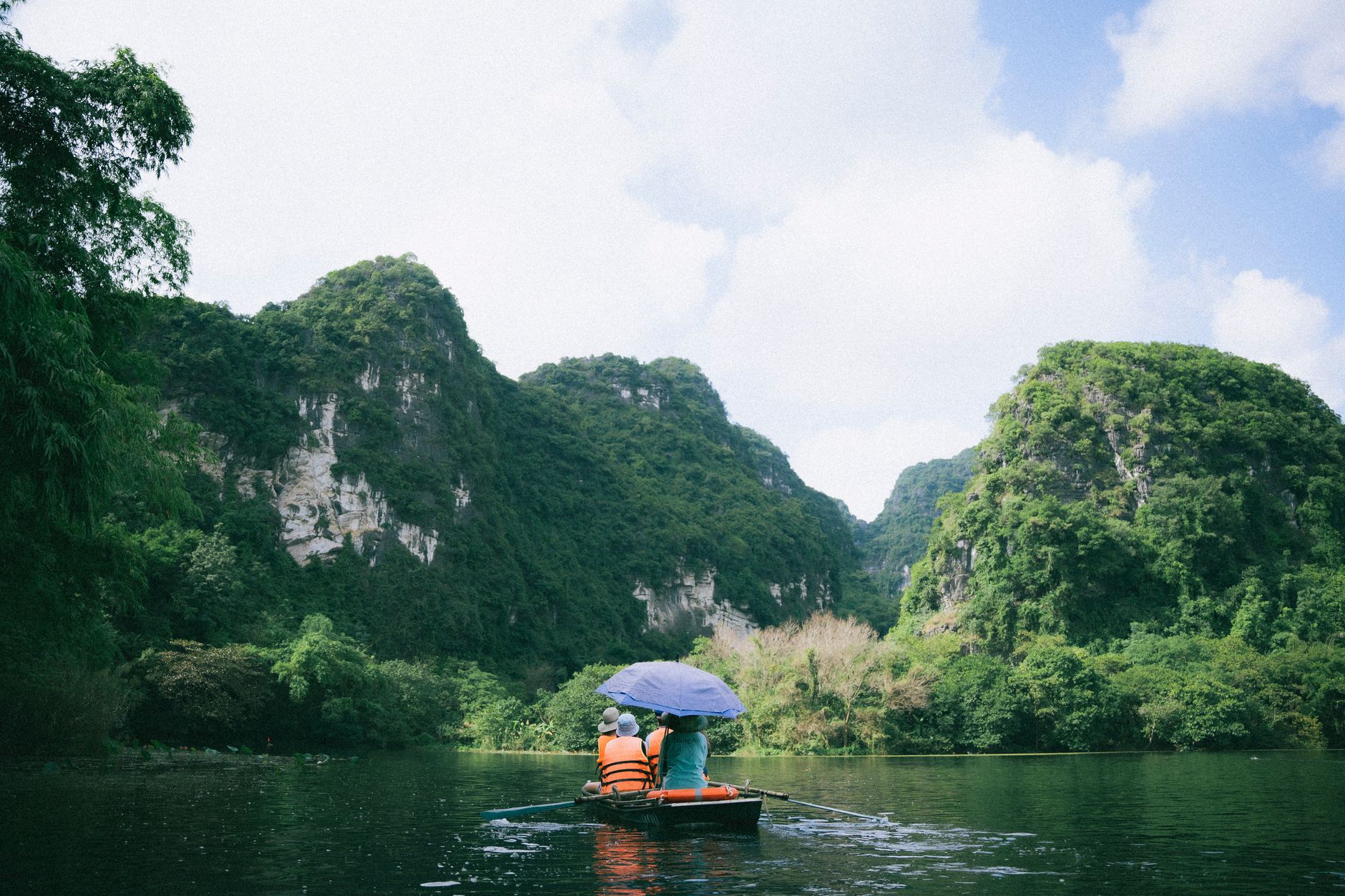
Suoi Tien Coc sits in the northern reaches of Thai Nguyen province, where the lowland tea hills start giving way to the karst limestone that defines Vietnam's northeast. It's a river-and-cave landscape without the tourist infrastructure — or the crowds — of better-known spots like Ninh Binh (닌빈 / 宁平 / ニンビン) or Ha Long Bay.
What it is
Suoi Tien Coc is a freshwater stream that winds through a narrow valley of karst formations, caves, and dense vegetation in the Dinh Hoa area of Thai Nguyen. The name roughly translates to "Fairy Stream" — a common label for scenic waterways across Vietnam (베트남 / 越南 / ベトナム), though this one earns it more than most. The stream feeds through several shallow caves where you can wade or bamboo-raft through, emerging into open sections flanked by sheer rock walls thick with ferns and creeping fig.
The area around Dinh Hoa has historical significance as a revolutionary base during the mid-20th century, and some visitors combine the trip with stops at related memorial sites in the district. But the draw for most travelers is the landscape itself: karst topography, clean water, and very few other people.
Why travelers go
Three reasons, really. First, proximity to Hanoi — it's under 150 km, making it a feasible day trip or overnight. Second, the cave-and-stream combination is genuinely unusual. You're not just looking at limestone from a boat; you're wading chest-deep through cave passages with the stream flowing around you, then floating on bamboo rafts through open-air gorges. Third, it's still largely off the domestic tour-bus circuit. On a weekday, you might share the valley with a handful of locals and nobody else.
Best time to visit
The sweet spot is September through November. The rainy season is tapering off, so the stream has good water levels for rafting and wading without the flash-flood risk of July and August. The air cools down noticeably in October, and the surrounding hills are at their greenest.
March through May also works. Water levels are lower, which means some of the cave passages are easier to walk through, but a few of the bamboo-raft sections may be too shallow. Avoid the dead of winter (December–January) unless you're comfortable with water temperatures around 15°C and grey skies.
Weekends in summer bring domestic visitors from Thai Nguyen city. If you want the valley mostly to yourself, go on a Tuesday.
How to get there from Hanoi
The most practical route is Hanoi to Thai Nguyen city, then onward to Dinh Hoa district.
- Hanoi to Thai Nguyen city: Buses leave from My Dinh bus station every 20–30 minutes, take about 1.5–2 hours, and cost 80,000–100,000 VND. If you're on a motorbike, take the Hanoi–Thai Nguyen expressway (QL3 new road) — it's roughly 80 km and tolls run about 40,000 VND for a motorbike.
- Thai Nguyen city to Suoi Tien Coc: Another 60–70 km northwest toward Dinh Hoa. Local buses to Dinh Hoa leave from Thai Nguyen bus station, cost around 40,000–50,000 VND, and take 1.5 hours on winding provincial roads. From Dinh Hoa town, you'll need a "xe om" (motorbike taxi) for the final 10–15 km to the site — expect 50,000–80,000 VND.
Honestly, a motorbike from Hanoi is the best option. The provincial roads past Thai Nguyen city are scenic, well-paved, and mostly empty. Total ride time: about 3–3.5 hours with a tea stop.
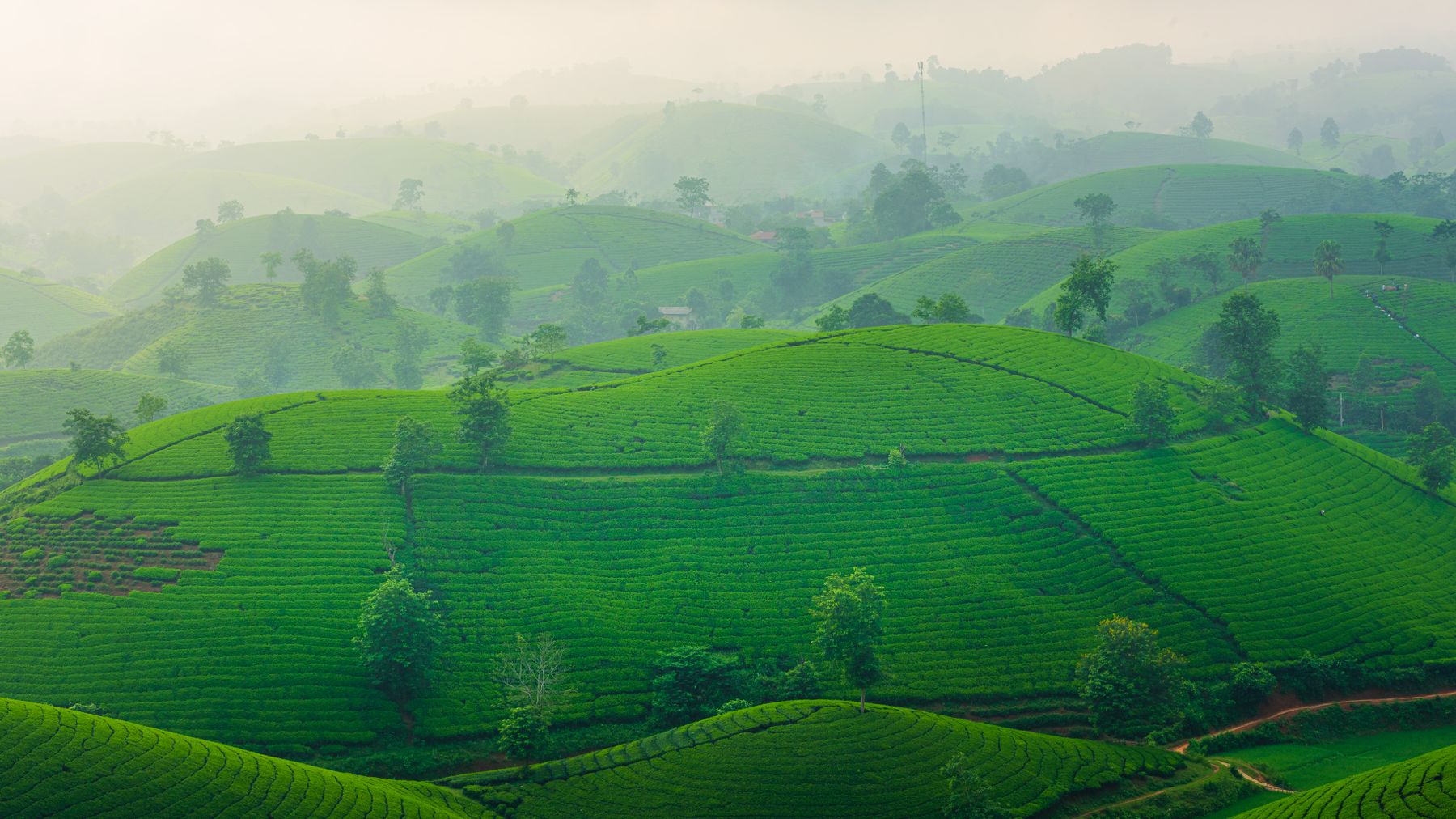
Photo by Duc Nguyen on Pexels
What to do
Wade through the cave passages
The main draw. You'll walk upstream through sections where the stream flows directly through limestone caves — some are short tunnels of 20–30 meters, others stretch longer with low ceilings that force you to duck. Bring water shoes with grip. The riverbed is rocky and slippery.
Bamboo raft the open gorge
Local operators run simple bamboo rafts through the open-air sections of the valley. The ride is slow, quiet, and costs around 50,000–100,000 VND per person depending on the route length. No motor — someone poles you through.
Hike the valley rim
A trail climbs from the stream entrance up to a ridge overlooking the karst valley. It's about a 40-minute scramble, not marked particularly well, so ask the raft operators to point you to the trailhead. Views across the tea hills and limestone peaks are worth the sweat.
Swim in the deeper pools
Between cave sections, the stream opens into pools deep enough for swimming. The water is clear and cold — even in September it hovers around 20–22°C. No facilities, no lifeguards, just river.
Visit a tea village
Thai Nguyen is Vietnam's tea capital. On the drive to or from Suoi Tien Coc, stop at one of the small villages along the road where families process their own green tea. You can buy directly — 100,000–200,000 VND gets you a generous bag of fresh "tra Thai Nguyen" that's better than anything in Hanoi shops. If you're a fan of lotus tea, ask whether any producers in the area do the infusion with local leaves.
Where to eat nearby
Dinh Hoa town has a row of "com binh dan" (everyday rice) places along the main road. The local specialty to look for is "thit trau" — water buffalo meat, often grilled or stir-fried with lemongrass and chili. It's chewier and more flavorful than beef, and a plate with rice runs 40,000–60,000 VND. If you pass through Thai Nguyen city, seek out "bun cha" — the city does a version that's slightly sweeter than Hanoi's, with thicker patties. The strip of food stalls near Dong Quang market is a reliable bet.
Where to stay
- Dinh Hoa town: A few basic guesthouses ("nha nghi") in the 150,000–250,000 VND range. Expect clean rooms, fans or basic A/C, hot water if you're lucky. Don't expect English.
- Thai Nguyen city: More options here — budget hotels for 300,000–500,000 VND, a couple of mid-range places around 600,000–900,000 VND with proper amenities. If you're riding a motorbike, Thai Nguyen city is the smarter base.
- Homestays near the site: A handful of families near Suoi Tien Coc offer homestay-style accommodation. Quality varies. Ask the raft operators — they usually know who's hosting.
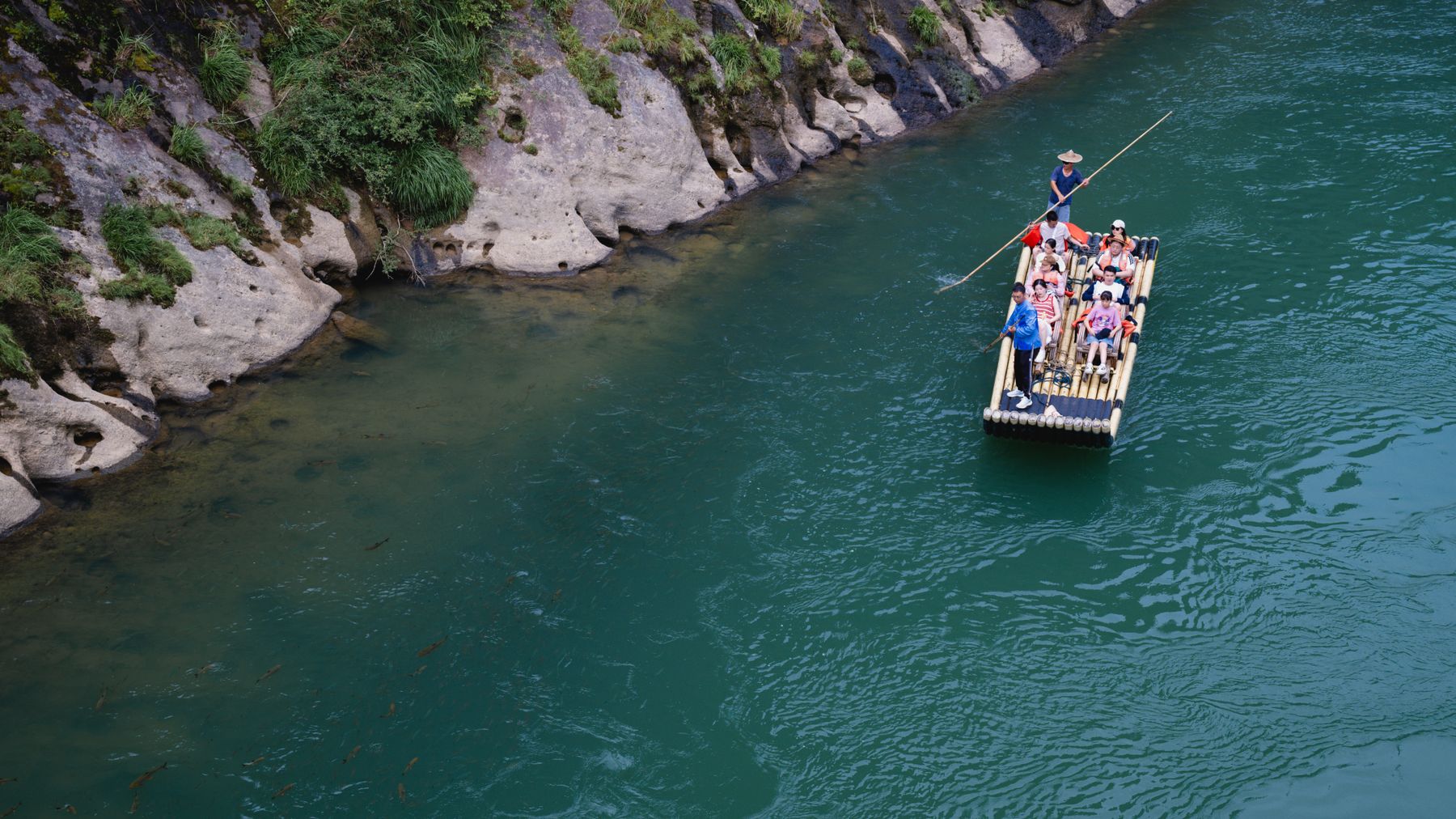
Photo by 幼聪 戴 on Pexels
Practical tips locals would tell you
- Bring your own snacks and water. There's no shop at the stream itself, and the nearest convenience store is back in Dinh Hoa town.
- Water shoes are non-negotiable. Flip-flops will come off in the current. Cheap rubber-soled water shoes from any Hanoi market (40,000 VND) do the job.
- Waterproof your phone. A zip-lock bag works. The wade-through sections get deep enough that pockets are submerged.
- Carry cash. No ATMs near the site, and nobody takes cards. Bring enough from Thai Nguyen city.
- Start early. Arrive by 8–9 AM to get the best light in the gorge and avoid the midday heat on the motorbike ride.
Common mistakes to avoid
- Underestimating travel time. The 70 km from Thai Nguyen city feels longer than it looks on a map — the road curves constantly through hilly terrain.
- Going after heavy rain. A day or two after big storms, the stream runs fast and muddy. Raft operators may refuse to go out, and the cave passages become risky. Check weather the day before.
- Skipping the tea stop. You're in the heart of Vietnamese tea country. Driving straight through without tasting anything is a missed opportunity.
Practical notes
Suoi Tien Coc works as a long day trip from Hanoi or a comfortable overnight via Thai Nguyen city. It pairs well with a broader northeast loop — riders heading toward Ha Giang or Bac Kan can slot it in without much detour. Budget 300,000–500,000 VND for the day excluding transport, and bring a dry bag.
Last updated · May 29, 2026 · independently researched, never sponsored.