Mui Ne (무이네 / 美奈 / ムイネー) undergoes a dramatic transformation during the spring months. As the howling winter winds that draw kiteboarders from across the globe begin to soften, this coastal strip near Phan Thiet shifts into a calmer, sunnier, and significantly cheaper destination for casual travelers.
If you are planning a trip between February and late April, understanding this seasonal transition is the key to timing your visit perfectly. Here is an honest look at what spring in Mui Ne actually looks like on the ground.
The Spring Climate: From Kiteboarding Gales to Calmer Waters
To understand spring in Mui Ne, you have to understand the wind. From November through January, the northeast monsoon brings relentless, high-velocity winds. While this is peak season for extreme sports, it makes casual swimming difficult, as the sea is rough and the air is constantly filled with flying sand.
By late February, the wind begins to lose its aggressive edge. March and April represent the sweet spot for general beachgoers.
- February: The tail end of the high-wind season. Mornings are usually calm, but the wind picks up significantly by mid-afternoon. Temperatures hover around a comfortable 28°C to 30°C.
- March: The transition month. The sea calms down, making swimming at Ham Tien beach much more enjoyable. Temperatures rise slightly to 31°C, with clear blue skies almost every day.
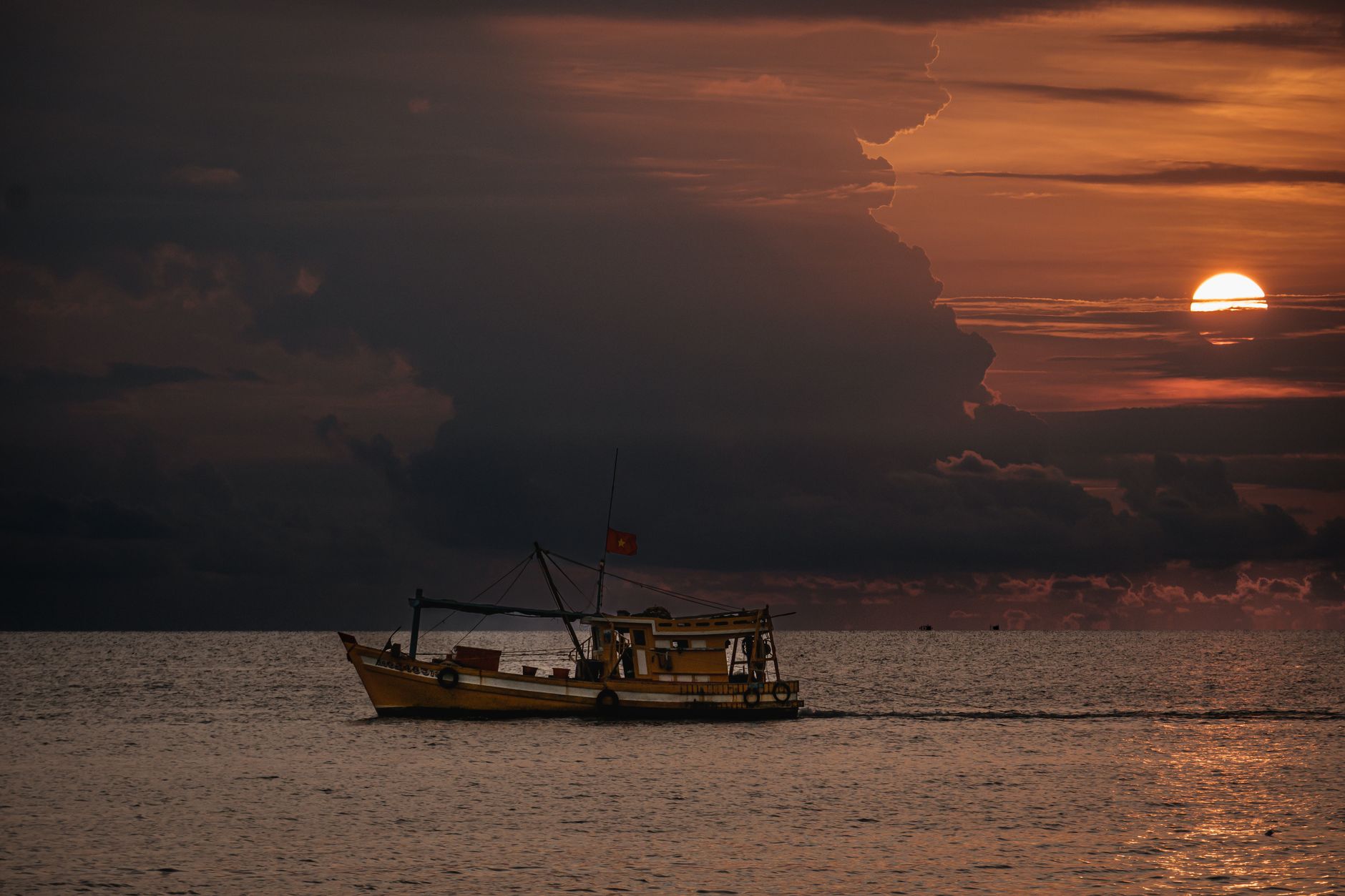
- April: The hottest month of the spring window, with temperatures frequently hitting 33°C or 34°C. The water is flat and warm, resembling a swimming pool. The wind is light, which is perfect for paddleboarding but disappointing for windsurfers.
Crowds and Costs: The Shoulder-Season Advantage
Aside from the brief spike during the "Tet (뗏 (베트남 설날) / 越南春节 / テト (ベトナム旧正月))" (Lunar New Year) holiday in February, spring is a highly economical time to visit Mui Ne.
Once the winter kiteboarding crowd packs up and departs in March, boutique resorts along Nguyen Dinh Chieu street face a temporary lull before the massive wave of domestic summer tourists arrives in late May.
During this spring window, you can easily secure mid-range beachfront rooms for 900,000 VND to 1,500,000 VND per night—rooms that easily command double that price during peak winter weekends or summer holidays.
Furthermore, the famous sand dunes are blissfully quiet. If you visit the White Sand Dunes at 6:00 AM on a Tuesday in March, you will likely share the vast landscape with only a handful of other travelers, rather than the convoy of ATVs and tour buses that clog the ridges in July.

Photo by Long Bà Mùi on Pexels
Spring Activities: What to Do When the Wind Dies Down
With calmer seas and predictable weather, spring opens up activities that are difficult to enjoy during the rough winter months.
Morning at the Dunes and Fairy Stream
Because April temperatures can get oppressive by midday, early mornings are precious. Hire a local jeep driver for about 500,000 VND to take you to the White Sand Dunes for sunrise, followed by the Red Sand Dunes.
On the way back, stop at the Fairy Stream ("Suoi Tien"). In spring, the water levels in this shallow canyon are low and gentle, making it an easy, cool walk barefoot through the orange clay sands.
Stand-Up Paddleboarding and Swimming
During the winter, the shorebreak along the main resort strip is too violent for casual swimmers. In March and April, however, the water flattens out. You can rent a stand-up paddleboard (SUP) from local surf schools for around 250,000 VND per hour and paddle out into calm, glassy waters.
Coastal Dining Without the Premium
Spring is an excellent time to explore the local food scene without the long queues. Head to the embankment area along Huynh Thuc Khang street for fresh seafood sold by weight.
For breakfast, skip the resort buffet and seek out local stalls serving "com tam" (broken rice with grilled pork) or a crispy "banh mi" for 30,000 VND, paired with a strong, iced "ca phe sua da" (Vietnamese iced coffee with condensed milk) for 20,000 VND.

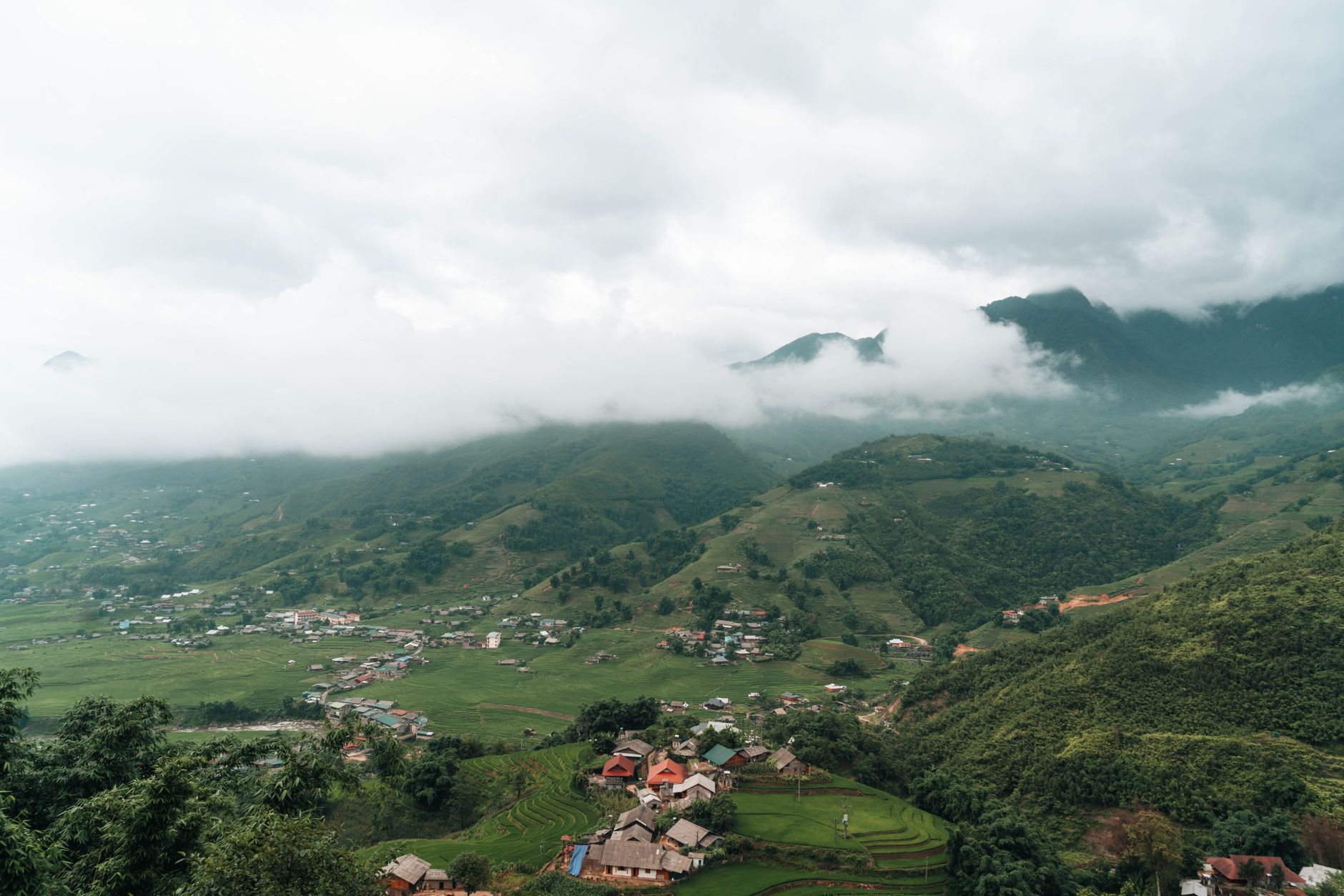
Photo by Quang Nguyen Vinh on Pexels
The Pros and Cons of a Spring Trip
To help you decide if this is the right window for your travel style, here is a quick breakdown of the trade-offs.
The Pros:
- Excellent swimming conditions: The ocean is calm, clear, and safe for children.
- Lower prices: Great deals on beachfront boutique resorts and fewer crowds at major sights.
- Easy transit: The highway from Saigon (Ho Chi Minh City) has cut travel time down to just 2.5 hours, making a spring weekend trip incredibly easy.
The Cons:
- High heat in April: The humidity rises significantly by mid-April, making afternoon sightseeing uncomfortable.
- No wind for sports: If your primary goal is to learn kiteboarding or windsurfing, March and April will disappoint you.
- Erosion visibility: Mui Ne suffers from seasonal beach erosion. In late spring, certain sections of the beach may have very little sand, though resorts usually mitigate this with sandbags or seawalls.
Practical Notes for Spring Travelers
If you book a spring trip, pack high-SPF sunscreen and lightweight, breathable clothing to handle the midday heat. If your travel dates overlap with the Tet holiday in February, book your train or limousine bus tickets from Saigon at least a month in advance, as transport options sell out quickly during the national holiday. For March and April, however, you can easily book transport and accommodation just a few days before departure.
Last updated · May 30, 2026 · independently researched, never sponsored.