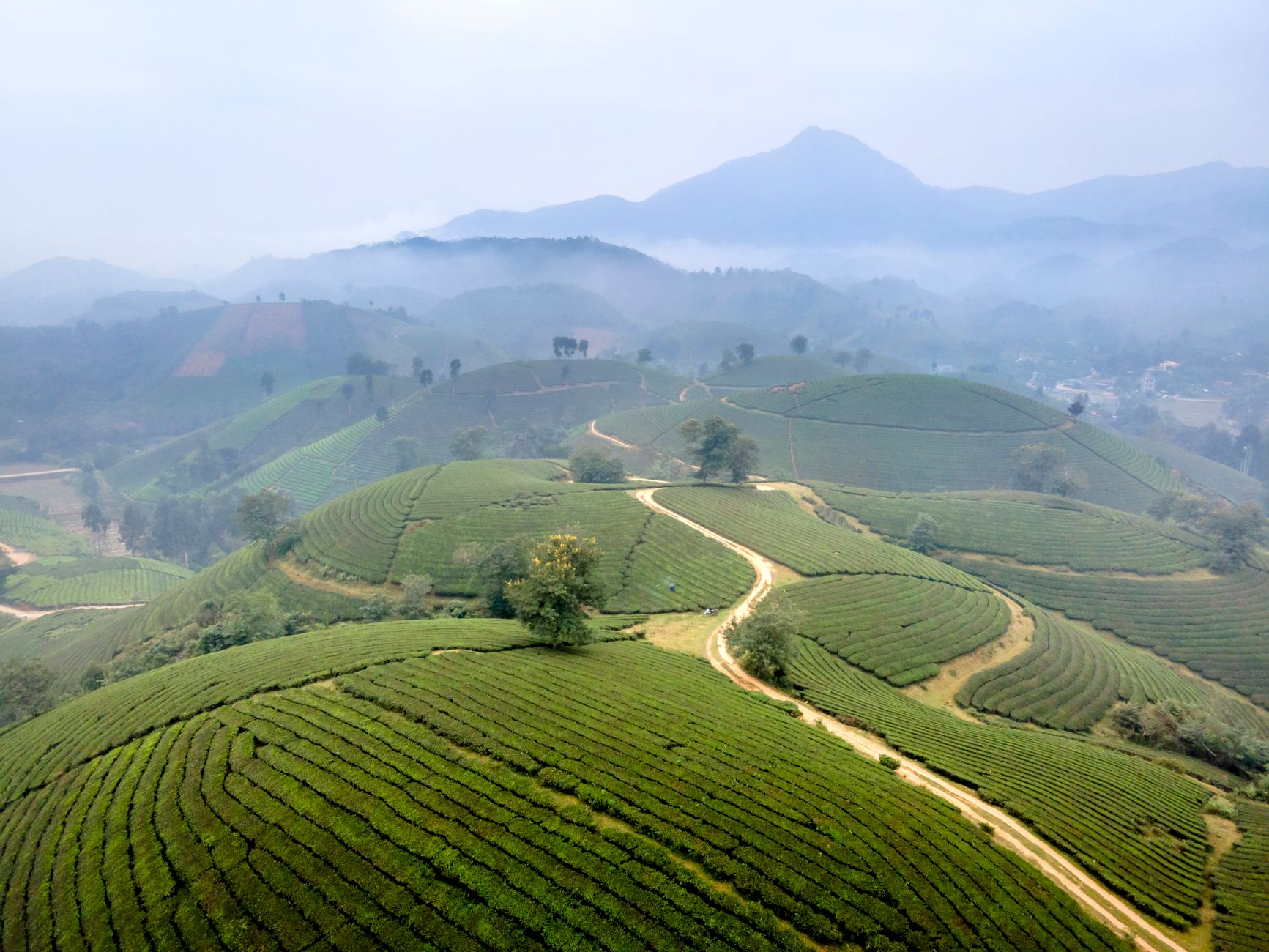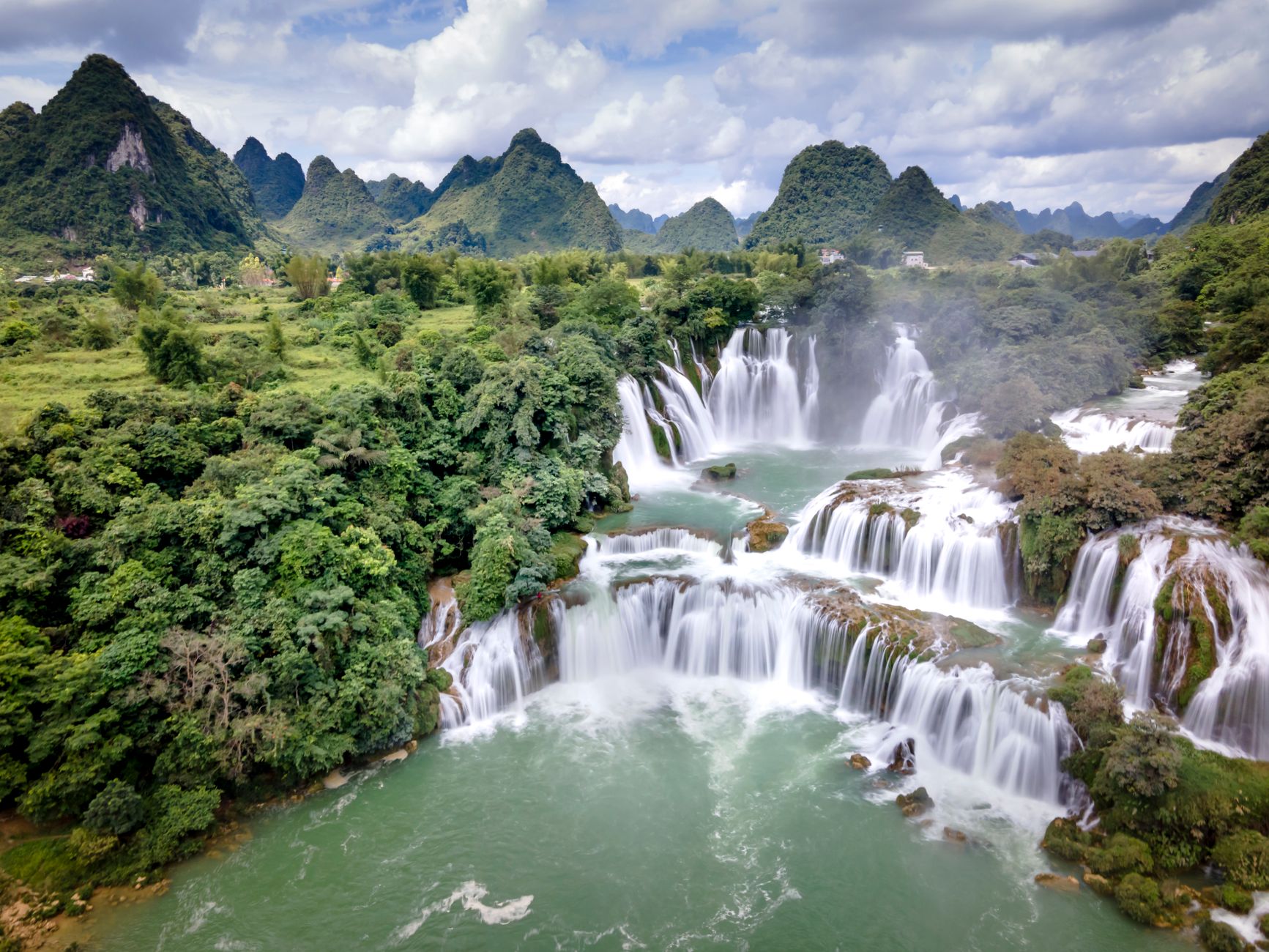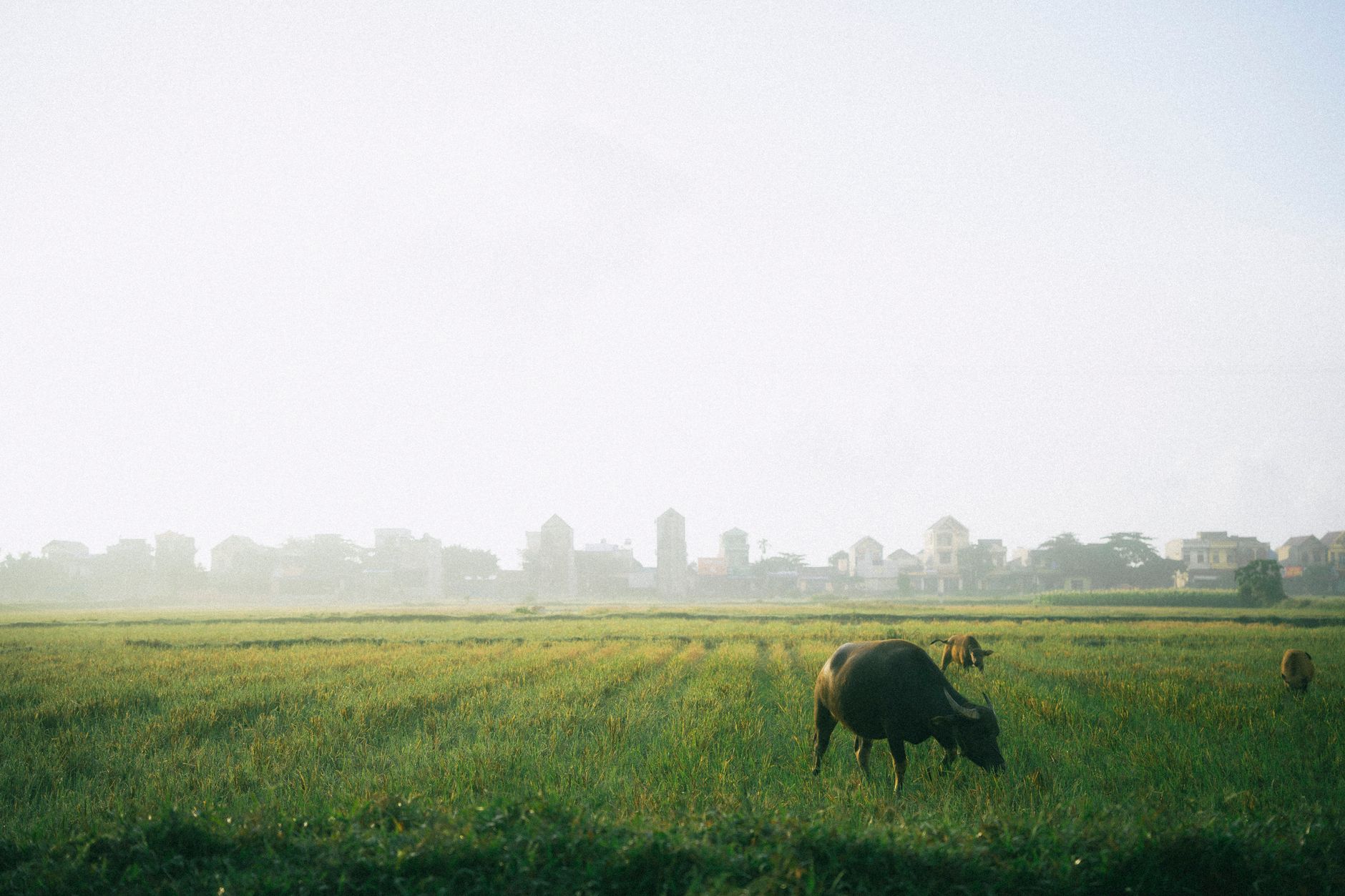
Tri An Lake sits about 65 km northeast of Saigon in Dong Nai province — a massive hydroelectric reservoir that most visitors to southern Vietnam (베트남 / 越南 / ベトナム) never hear about. That's a shame, because it's one of the easiest overnight escapes from the city, and it offers something Ho Chi Minh City can't: silence, open water, and grilled fish you watched someone pull out of the lake twenty minutes ago.
What Tri An Lake actually is
Tri An is a man-made reservoir created when the Tri An hydroelectric dam was completed in 1991 on the Dong Nai River, with Soviet-era engineering assistance. The lake covers roughly 323 square kilometers at full capacity — big enough that standing on one shore, you can't see the other side. The surrounding area includes patches of the Nam Cat Tien National Park buffer zone, rubber plantations, and small fishing villages that have built their economy around the reservoir.
It's not a resort destination. There are no beach clubs or infinity pools. What you get instead is a working landscape where local families camp on weekends, anglers set out before dawn, and floating restaurants serve whatever came off the boats that morning.
Why travelers go
Most people come for one of three reasons: camping by the water, fishing, or just getting out of Saigon without the five-hour drive to a coastal beach. The lake has become genuinely popular with young Vietnamese from Ho Chi Minh City (호치민시 / 胡志明市 / ホーチミン市) who want a weekend campfire without the crowds of Vung Tau or the distance of Mui Ne. If you're a foreign traveler staying in Saigon and want to see what the southern Vietnamese countryside actually looks like beyond the tourist circuit, Tri An is about as unfiltered as it gets.
Best time to visit
The dry season — roughly November through April — is the reliable window. Skies are clear, humidity drops to something tolerable, and the lake level is stable enough for boat trips and shoreline camping. December through February is the sweet spot: cooler mornings, less haze, and weekday visits can feel genuinely empty.
Avoid September and October if you can. Heavy rains swell the reservoir, some dirt access roads get muddy, and the dam occasionally releases water, which makes boat operators cautious. Weekends year-round bring domestic camping crowds, especially around the Ma Da and Bau Ca Cai areas.
How to get there from Saigon
From central Saigon, you're looking at roughly 70-80 km depending on which part of the lake you're heading to. The most common route runs along National Highway 1A to Bien Hoa, then north on Provincial Road 761 toward Vinh Cuu district.
By motorbike: The most popular option. About 1.5-2 hours from District 1, depending on traffic getting out of the city. Fuel cost round-trip is around 80,000-120,000 VND. This gives you flexibility to explore the shoreline.
By car: Same route, same time. If you rent a car with driver through a Saigon travel service, expect 1,200,000-1,800,000 VND for a day trip or overnight.
By bus: Take a bus from Mien Dong bus station toward Vinh Cuu or La Nga town. Tickets run 60,000-90,000 VND. From the drop-off point you'll need a local xe om (motorbike taxi) to reach the lakeshore — about 30,000-50,000 VND for the last stretch. Not the most convenient option, but it works.

Photo by Lam Kiên on Pexels
What to do
Camp along the shore
The Bau Ca Cai area and the shoreline near Ma Da are the two most popular camping zones. You can pitch your own tent for free in several spots, or rent basic setups from local operators for 150,000-300,000 VND per tent. The ground is mostly packed earth and grass — bring a decent mat. Campfires are common and generally tolerated, but keep them small and contained.
Take a boat out on the lake
Local fishermen rent boats for lake tours, typically 200,000-400,000 VND per hour for a small vessel that fits 4-6 people. Early morning is best — the water is flat, mist sits on the surface, and you'll see cormorant fishermen working their nets. Some operators will take you to small islands in the middle of the reservoir where you can swim or just sit.
Fish
Tri An is a legit freshwater fishing destination. Tilapia, snakehead, and carp are the common catches. You can rent basic rod setups from lakeside vendors for around 50,000-100,000 VND. Serious anglers bring their own gear and hire a boat to reach deeper spots. Whatever you catch, the floating restaurants will cook it for you — usually for a small fee of 50,000-80,000 VND.
Visit the Tri An Dam
The dam itself is viewable from a public access road. It's not a dramatic tourism experience, but if you've never seen a major hydroelectric dam up close, the scale is worth a stop. During water release periods (usually late rainy season), the spillway is impressive.
Explore the forest fringe
The western edge of the lake borders land that connects to Nam Cat Tien National Park territory. While the main park entrance is further north (about 150 km from Saigon), the Vinh Cuu area has pockets of dipterocarp forest with basic trails. Don't expect signage — ask locals or your guesthouse owner for directions.
Where to eat nearby
The floating restaurants along the lake are the main draw. They specialize in freshwater fish — grilled snakehead with tamarind sauce, tilapia hot pot, and fried elephant ear fish that you wrap in rice paper with herbs and dip in "nuoc cham." A full meal for two with fish, rice, greens, and drinks runs about 250,000-400,000 VND. It's not refined cooking, but the fish is absurdly fresh.
On the road in from Bien Hoa, look for roadside "com tam" stalls — broken rice with grilled pork. It's the default southern lunch, and the versions out here are honest and cheap at 35,000-50,000 VND per plate.
Where to stay
Budget (under 400,000 VND/night): Basic guesthouses — "nha nghi" — in Vinh Cuu town or along the lake access roads. Expect a fan room, thin mattress, and shared bathroom. Functional, not charming.
Mid-range (400,000-1,000,000 VND/night): A handful of lakeside homestays and small resorts have appeared in recent years, offering air-conditioned rooms with lake views. Quality varies. Check recent Vietnamese-language reviews on Google Maps — the English-language coverage is almost nonexistent.
Camping (free-150,000 VND): Still the most popular option for weekenders from Saigon.
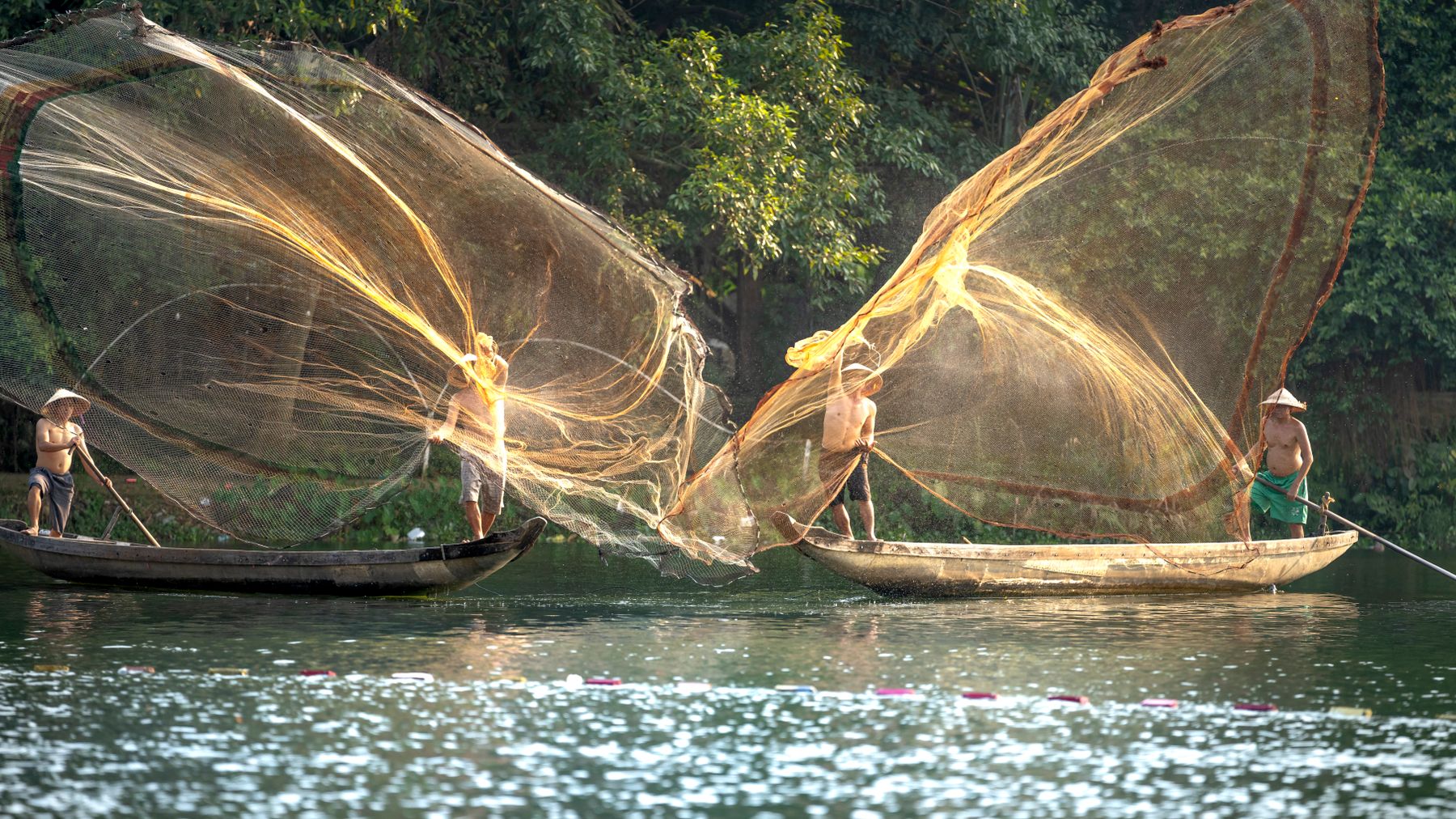
Photo by Quang Nguyen Vinh on Pexels
Practical tips locals would tell you
- Bring mosquito repellent. The lake margin at dusk is relentless.
- Fill up fuel in Bien Hoa or along Highway 1A. Gas stations thin out significantly past Vinh Cuu.
- If you're camping, bring your own drinking water and trash bags. There are no bins at most shoreline spots, and the litter problem is already visible.
- Phone signal (Viettel, Mobifone) is decent near the dam and main roads, but drops to nothing on the water or deeper forest areas.
- Sunscreen matters more than you think. The lake surface reflects UV hard, and there's little shade on the water.
Common mistakes to avoid
- Driving out without checking road conditions in rainy season. The last few kilometers to some camping spots are unpaved. A scooter with street tires can struggle in mud.
- Showing up on a Saturday expecting solitude. Weekend camping culture is strong here. Friday night arrivals or weekday visits are dramatically quieter.
- Skipping the boat trip. The lake looks fine from shore, but getting out on the water — especially at sunrise — is a different experience entirely.
- Expecting English. Almost nobody out here speaks it. Download Vietnamese phrases offline or use a translation app. A few words of effort go a long way.
Practical notes
Tri An Lake works best as an overnight trip from Saigon — drive out in the morning, camp one night, head back the next afternoon. It pairs well with a longer southern loop if you're heading onward toward Da Lat or Cat Tien National Park. Just don't expect a polished tourism product. This is countryside Vietnam, and that's the entire point.
Last updated · May 29, 2026 · independently researched, never sponsored.