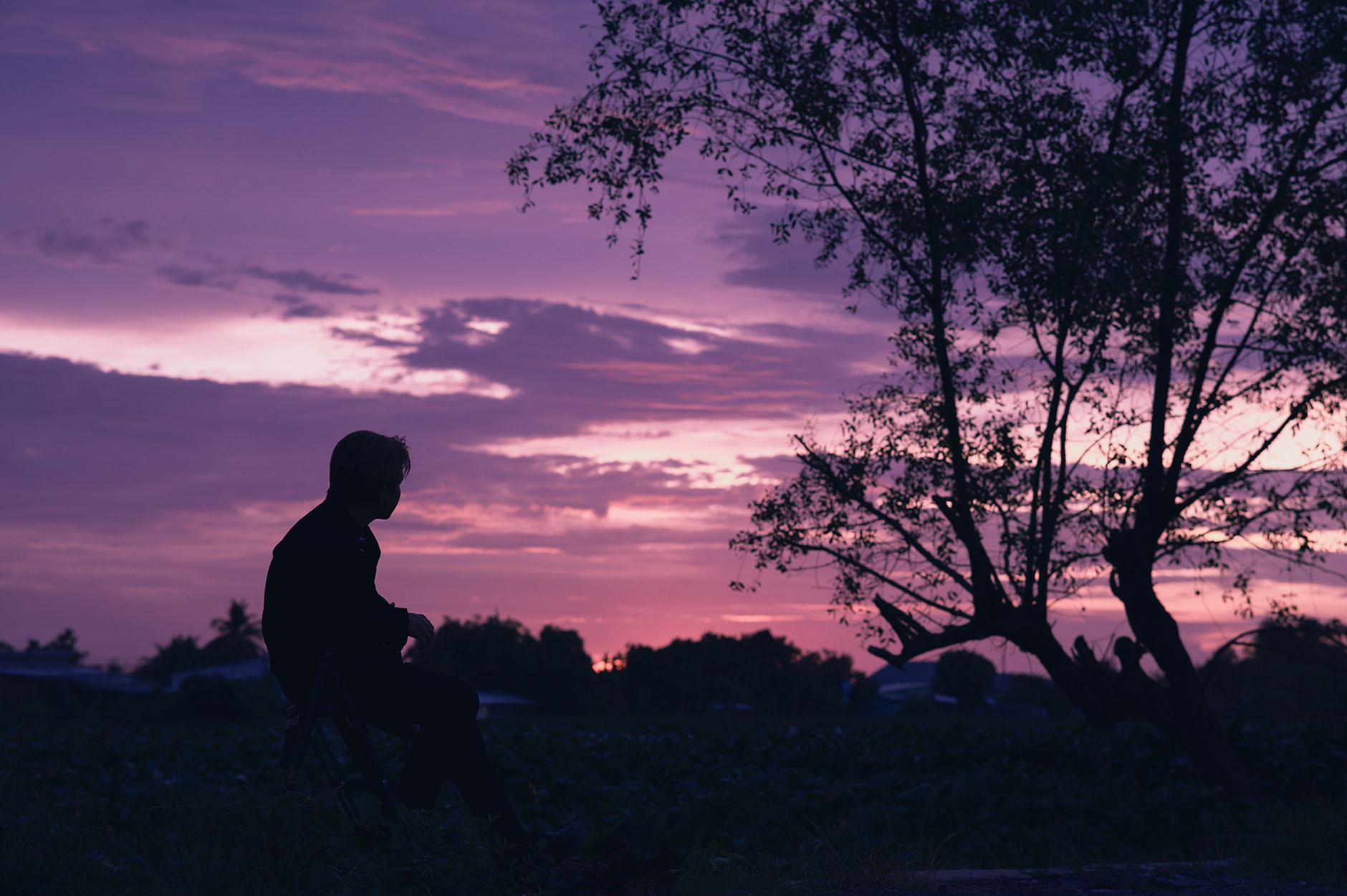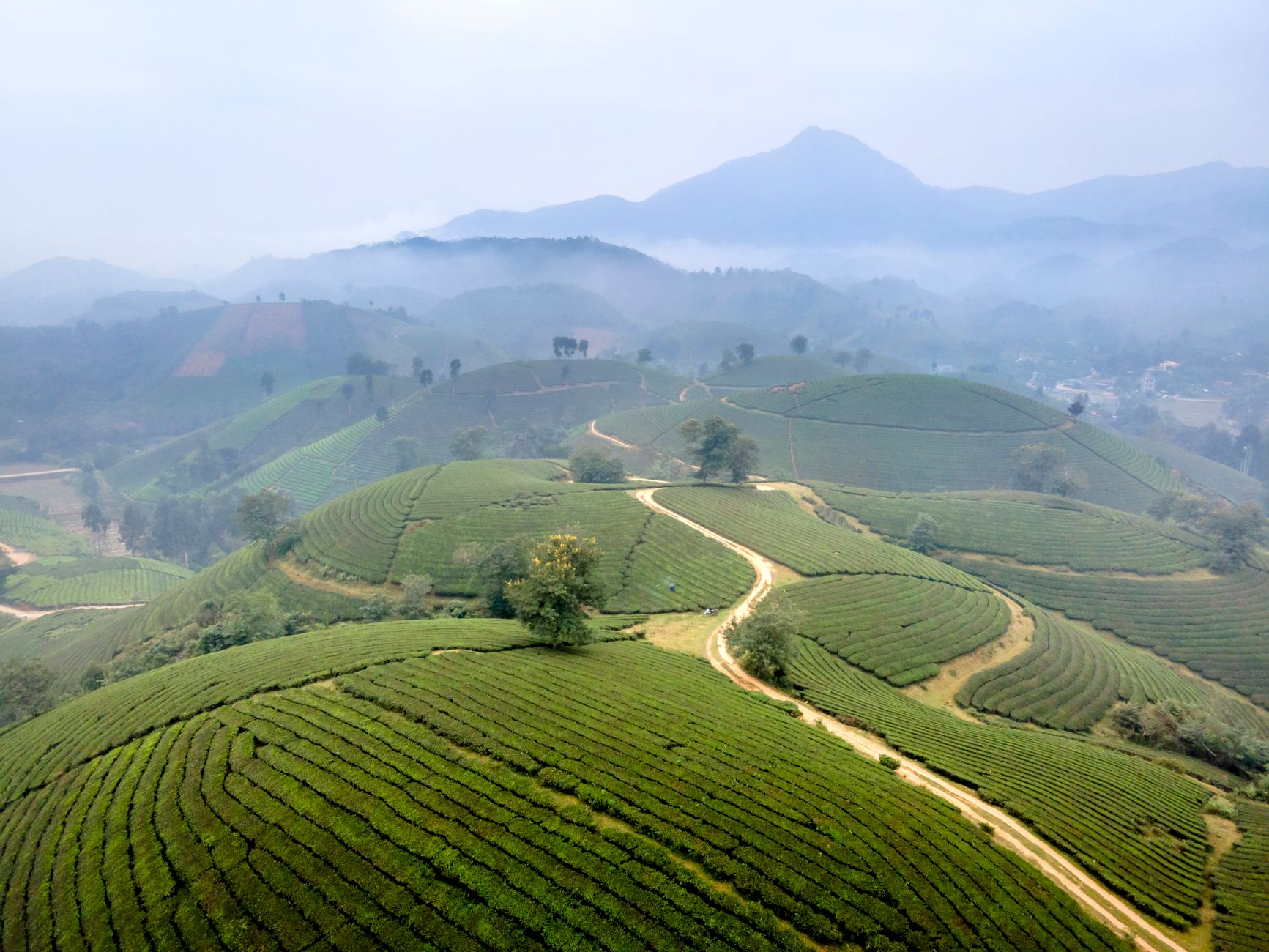
Ho Suoi Lam is a man-made reservoir in what used to be Binh Phuoc province, now part of the expanded Dong Nai after administrative redistricting. It sits about 120 km northeast of Saigon in a stretch of countryside that most foreign visitors never see — rubber plantations, cashew orchards, and laterite roads that turn the color of rust after rain.
What it is
The reservoir was built in the 1980s as an irrigation project for surrounding farmland. Over the decades, the area around the lake quietly became a weekend escape for people in Dong Nai and Binh Duong provinces — families cooking outdoors, groups of friends camping on the grassy banks, anglers spending entire afternoons doing absolutely nothing productive. The lake covers roughly 300 hectares when full, ringed by low hills and patches of secondary forest. It's not a national park or a ticketed attraction. It's just a lake that happens to be in a pleasant spot.
Why travelers go
Ho Suoi Lam appeals to a specific type of visitor: someone who wants to get out of Saigon (사이공 / 西贡 / サイゴン) without committing to a multi-day trip. There are no tour buses here, no souvenir shops, no Instagram backdrops engineered for influencers. The draw is the quiet. You sit by the water, you eat grilled food, you maybe rent a kayak or a rowboat, and you drive home. For travelers already exploring Dong Nai — maybe on the way to Cat Tien National Park or coming back from the highlands around Da Lat — it makes a logical half-day stop.
Best time to visit
The dry season from November through April is the most reliable window. The reservoir is fullest in October and November after the rains, and the surrounding vegetation is at its greenest. By March and April, water levels drop and some of the shoreline turns muddy. Avoid weekends in December and January if you want solitude — that's when domestic visitors come in numbers for camping and barbecues. Weekdays are almost always empty.
The rainy season (May to October) is hit-or-miss. Mornings are often clear, but afternoon downpours can turn the access roads slippery, especially the last few kilometers of unpaved track.
How to get there from Saigon
From central Saigon, Ho Suoi Lam is about 120 km by road — roughly 2.5 to 3 hours depending on traffic leaving the city.
By motorbike: The most common way. Take National Highway 1A north toward Bien Hoa, then cut northeast on DT 761 toward Phu Rieng. The final 10-15 km is on smaller provincial roads with signage in Vietnamese only — download the offline map on Google Maps or Maps.me before you leave. Fuel up in Dong Xoai or Phu Rieng town; there's nothing at the lake itself. Petrol cost round-trip: around 120,000-150,000 VND.
By car: Same route. If you're renting a car with driver from Saigon, expect to pay 1,500,000-2,000,000 VND for a day trip depending on vehicle type.
By bus: There's no direct bus to the lake. You can take a bus from Mien Dong bus station in Saigon to Dong Xoai (around 100,000-130,000 VND, 3 hours), then hire a local "xe om" (motorbike taxi) for the remaining 25 km. This costs roughly 150,000-200,000 VND one way — negotiate before you get on.

Photo by Thien Nhan on Pexels
What to do
Kayak or rowboat on the reservoir
Small rental operations near the main access point offer kayaks and rowboats, usually 50,000-100,000 VND per hour. The lake is calm enough for beginners. Paddling toward the far shore where the tree line meets the water is the best part — it's quieter and you'll see kingfishers and egrets.
Camp overnight on the lakeshore
Bring your own tent. The grassy areas along the southern bank are the most popular spots. There's no formal campsite — no showers, no toilets, no electricity. You set up, you bring everything, you pack everything out. Firewood is usually available from local vendors near the access road for about 30,000 VND a bundle.
Fish
The reservoir has tilapia, snakehead, and carp. Locals fish from the banks using basic rod setups. You can buy bait from small shops in the nearest village. No permit required, but ask around if you're unsure — norms are informal and change.
Walk the perimeter trail
A rough path follows parts of the northern shoreline through cashew and rubber plantations. It's not marked, not maintained, and not particularly scenic in a postcard sense — but it's a solid 5-6 km walk through real working countryside. Wear shoes you don't mind getting dirty.
Visit a cashew farm
This part of Dong Nai is cashew country. If you're here between February and April (harvest season), you'll see the fruit drying on tarps outside every other house. Some families are happy to show you the process if you stop and ask. Buy a bag of fresh-roasted cashews directly — 80,000-120,000 VND per kilogram, roughly half the Saigon price.
Where to eat nearby
Don't expect restaurants at the lake. The nearest real food options are in Phu Rieng town, about 15-20 km away.
Look for "com binh dan" — everyday rice plates with whatever's available that day. A full plate with grilled pork, greens, and soup runs 35,000-50,000 VND. If you spot a place grilling "ca loc nuong trui" (mud-roasted snakehead fish), stop. It's a southern specialty — the whole fish is packed in mud and straw, roasted over coals, then cracked open at the table. You wrap pieces in rice paper with herbs. Expect to pay 150,000-250,000 VND for a fish big enough for two people.
For something quicker, grab a "banh mi" from a roadside cart in Dong Xoai on your way in or out.
Where to stay
There are no hotels at Ho Suoi Lam. Your options:
- Camping at the lake: Free. Bring your own gear.
- Guesthouses in Dong Xoai: Basic rooms with air conditioning and hot water, 200,000-350,000 VND per night. Don't expect English-speaking staff.
- Homestays near Phu Rieng: A few families offer rooms. Quality varies. Check Google Maps listings with recent reviews. Budget 250,000-400,000 VND.
If you want something more comfortable, plan Ho Suoi Lam as a day trip and sleep in Saigon or Bien Hoa.

Photo by Lam Kiên on Pexels
Practical tips locals would tell you
- Bring your own water and food. There is no shop at the lake. The nearest convenience store is in Phu Rieng.
- Sunscreen and a hat are non-negotiable. There's almost no shade along the main shoreline.
- Pack out your trash. There's no collection service. The lake's cleanliness depends entirely on visitors not being careless.
- Charge your phone fully and download offline maps. Cell signal is weak to nonexistent at the lake itself.
- If riding a motorbike, check your tires before the last 10 km. The unpaved sections have sharp gravel and thorns from the surrounding brush.
Common mistakes to avoid
- Arriving late in the day. If you leave Saigon after 10 AM, traffic through Bien Hoa will eat your morning. Leave by 6 or 7 AM.
- Expecting facilities. This is not a developed tourist site. No ticket booth, no parking attendant, no rescue boat. Plan accordingly.
- Camping without mosquito protection. The area around the reservoir is prime mosquito territory after dusk. Bring repellent and consider a treated mosquito net for your tent.
- Skipping Dong Xoai entirely. It's not a destination in itself, but it's your last chance for ATMs, fuel, and supplies. Don't pass through without stopping.
Practical notes
Ho Suoi Lam works best as a self-sufficient day trip or overnight camping excursion from Saigon. It pairs naturally with a longer southern road trip — combine it with a few days in Da Lat (달랏 / 大叻 / ダラット) or a visit to Cat Tien National Park and you have a week that covers very different terrain. Just don't come expecting infrastructure. Come expecting a lake, some trees, and a reason to do nothing for a while.
Last updated · May 26, 2026 · independently researched, never sponsored.