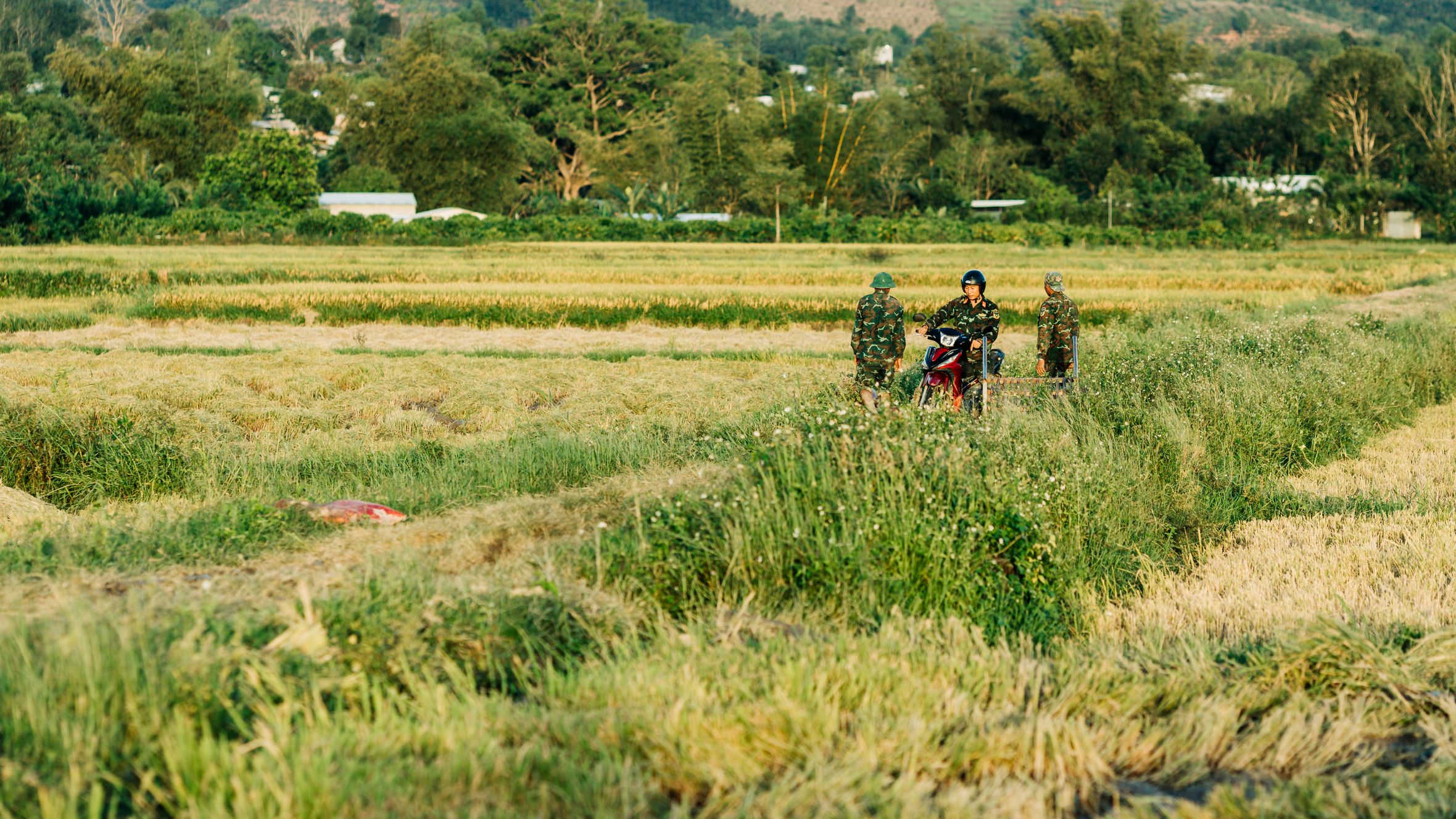
Lai Chau is a frontier town in northwestern Vietnam, closer to China than to most Vietnamese cities. It sits 400 km northwest of Hanoi and serves as a gateway to Sapa, Dien Bien Phu, and the remote mountain villages of the region. Getting there requires patience; there's no train, limited flights, and the roads are winding. But that remoteness is partly why people go.
From Hanoi by bus
Most travelers start in Hanoi. The most direct option is a sleeper or day bus from Hanoi's long-distance bus stations.
Hanoi to Lai Chau: 12-14 hours, depending on road conditions and stops. You leave the capital around late afternoon or evening, and arrive early the next morning. Cost is around 300,000-400,000 VND (US$12-16) for a standard sleeper, or 450,000-550,000 VND (US$18-22) for a more comfortable cabin with wider bunks.
Buses depart from:
- Giap Bat station (southern Hanoi): long-distance buses to western destinations.
- Nuoc Ngam station (northwestern Hanoi): also serves Lai Chau and Dien Bien routes.
The route winds through Hoa Binh province and follows Highway 6 north. Scenery is decent—limestone hills, river valleys—but the road is narrow and potholed in stretches. Motion sickness is real; bring ginger candy or dramamine. Buses are often crowded and stop frequently for food and fuel. Plan for 2-3 unscheduled halts.
From Hanoi by motorbike
Renting a motorbike in Hanoi and riding yourself gives more flexibility and is cheaper per person if you're traveling in a group.
Motorbike rental: 100,000-200,000 VND per day (US$4-8) for a basic 110cc bike. You'll need an International Driving Permit (IDP) and Vietnamese license, though enforcement is loose for tourists on short rides. Fuel costs about 30,000 VND per tank (US$1.20).
The ride is 400-450 km and takes 10-12 hours non-stop, though most riders break it into two days and stay overnight in Hoa Binh or Son La. The roads are better than they were five years ago, but still rough at points. In rain or low visibility, the hairpin bends around Sapa's altitude become genuinely hazardous. Many riders opt to rent a motorbike in Sapa (50 km southeast of Lai Chau) instead, which shaves off a day and is lower-altitude.
Practical note: Hire a motorbike through a reputable Hanoi agency (not street vendors). Agree on fuel surcharge and insurance. Carry a phone with offline maps (Google Maps doesn't work reliably; use Locus or All Trails).
From Da Nang by bus or motorbike
Da Nang is smaller and farther than Hanoi, but some travelers use it as a jumping-off point.
Da Nang to Lai Chau: 600+ km, 16-18 hours by bus. Not practical as a day trip. You'd overnight in Hue or Dien Bien Phu along the way. Buses are less frequent and often crowded with local passengers; comfort is lower than Hanoi routes. Cost is 500,000-650,000 VND (US$20-26).
Motorbike: A scenic but exhausting option. Riders typically split it into 2-3 days: Da Nang → Hue → Vinh → Hanoi → Lai Chau, or Da Nang → Phong Nha → Hanoi → Lai Chau. You're adding 500+ km to the route. Only do this if you have time and enjoy long rides.
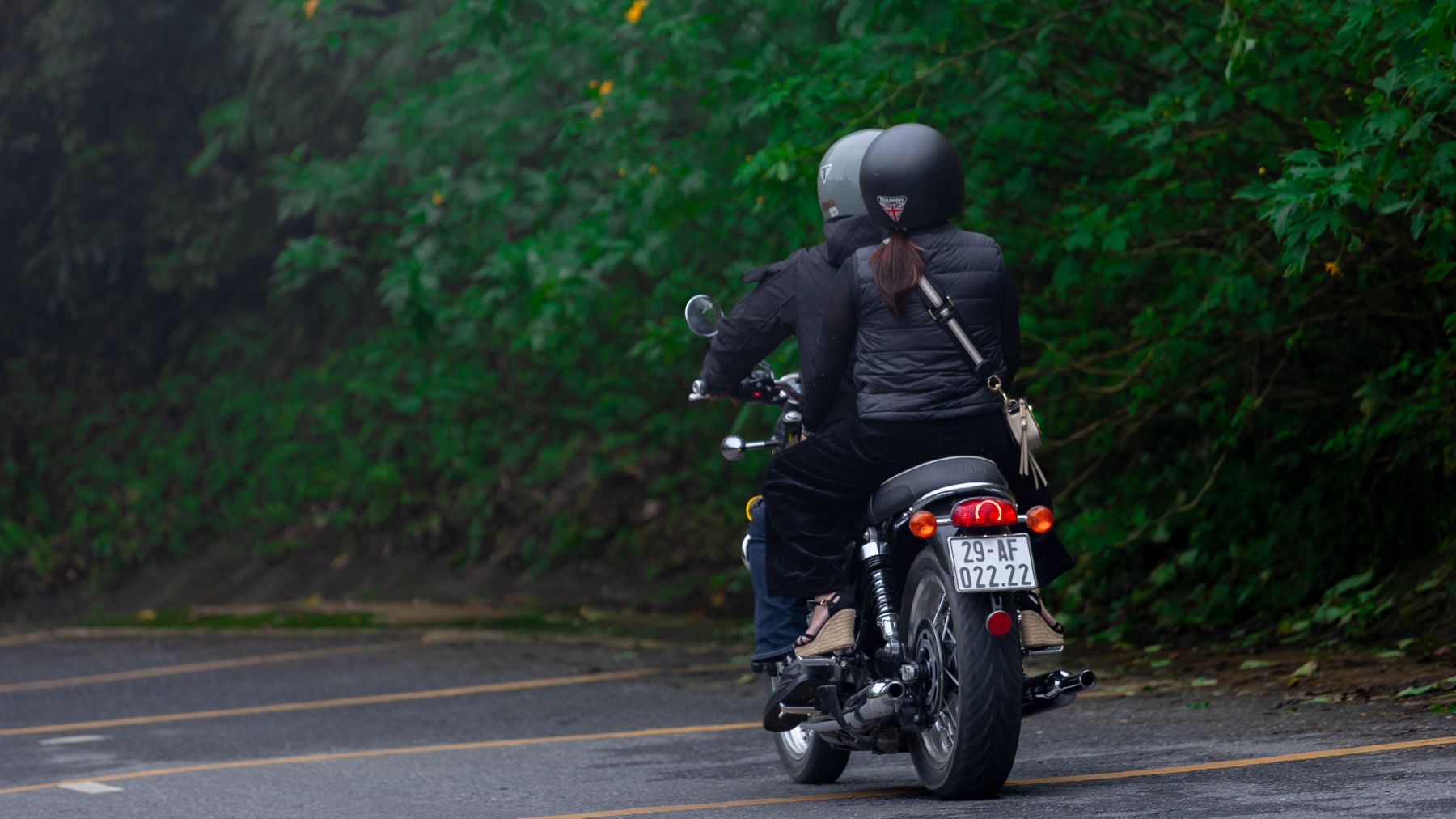
Photo by Hồng Quang Official on Pexels
Flights (Hanoi to Dien Bien Phu)
Flying directly to Lai Chau is not possible. However, you can fly Hanoi to Dien Bien Phu (the nearest airport, 100 km south of Lai Chau) on Vietnam Airlines or Bamboo Airways.
Hanoi to Dien Bien Phu: 1 hour flight, ~2.5 hours total with airport procedures. Cost is 1,200,000-1,800,000 VND (US$48-72) one-way. Flights are 3-4 times per week and often cancel in bad weather.
From Dien Bien Phu airport, hire a motorbike taxi or minibus (150,000-250,000 VND; 100 km, 2-3 hours) to reach Lai Chau town. This is faster than bus from Hanoi if you value time over cost, and useful if you're connecting a tight itinerary.
Tour operators and shared minibuses
If you don't want to drive yourself or hunt for buses, book a shared minibus tour through a Hanoi travel agency. Cost is 400,000-600,000 VND (US$16-24) per person for a 2-3 day Hanoi-Sapa-Lai Chau loop, including accommodation and a guide. The experience is less flexible—you follow the group's pace—but logistics are handled, and you meet other travelers.
Popular operators:
- Old Quarter-based agencies (Hanoi's backpacker zone) offer budget options.
- Sapa Focus and Sapa Sisters (Sapa-based) can pick you up from Hanoi and route you through Sapa first.

Photo by Quang Nguyen Vinh on Pexels
Where to base yourself
Lai Chau town is the main hub: roughly 30,000 people, basic guesthouses (150,000-300,000 VND per night; US$6-12), motorbike rentals, and a wet market. The town itself is not a major tourist draw—it's functional. But it's a quiet place to rest and a launchpad for day trips to nearby villages and trekking.
Sapa (50 km southeast, 90 minutes by motorbike) is the tourist hotspot. More guesthouses, restaurants, and organized tours. If your goal is trekking and mountain scenery, base in Sapa and take a day trip to Lai Chau, or loop both towns into a 3-4 day itinerary.
Dien Bien Phu (100 km south) is another alternative: quieter than Sapa, with a distinct history as a French colonial garrison. Fewer tourists; better for motorbike exploration.
Frequently Asked Questions
How long does the bus journey from Hanoi to Lai Chau take?
The bus from Hanoi to Lai Chau takes 12-14 hours depending on road conditions, with 2-3 unscheduled stops for food and fuel. Buses depart from Giap Bat or Nuoc Ngam stations in Hanoi, typically in the late afternoon or evening, arriving early the next morning. A standard sleeper costs 300,000-400,000 VND (US$12-16); a wider cabin bunk runs 450,000-550,000 VND (US$18-22).
What is the closest airport to Lai Chau for travelers from Hanoi?
There is no airport in Lai Chau. The nearest option is Dien Bien Phu airport, 100 km south of Lai Chau. Vietnam Airlines and Bamboo Airways operate flights from Hanoi roughly 3-4 times per week. The flight itself takes 1 hour, about 2.5 hours including airport procedures. Fares run 1,200,000-1,800,000 VND (US$48-72) one-way, significantly more expensive than the bus.
When should you avoid riding a motorbike to Lai Chau from Hanoi?
Avoid the motorbike route in rain or low visibility. The hairpin bends near Sapa's altitude become genuinely hazardous in those conditions. The full ride covers 400-450 km and takes 10-12 hours non-stop, so most riders split it over two days, overnighting in Hoa Binh or Son La. If you want a shorter ride, renting a motorbike in Sapa — 50 km southeast of Lai Chau — removes a full day of riding.
Practical notes
Best time to visit is October-November and March-April (cool, dry, clear skies). June-August is wet and misty; December-February can be cold and foggy. Roads are passable year-round but slow in rain.
Bring an offline map, a simple medical kit (pharmacies in Lai Chau town are basic), and cash in VND—ATMs are rare. Accommodation should be booked ahead in October-November; the rest of the year you can find rooms on arrival. If you rent a motorbike, inspect brakes, tires, and headlight before leaving town.
The journey to Lai Chau rewards patience. There's no "quick" way to get there, but that's the point.
Last updated · May 26, 2026 · independently researched, never sponsored.





