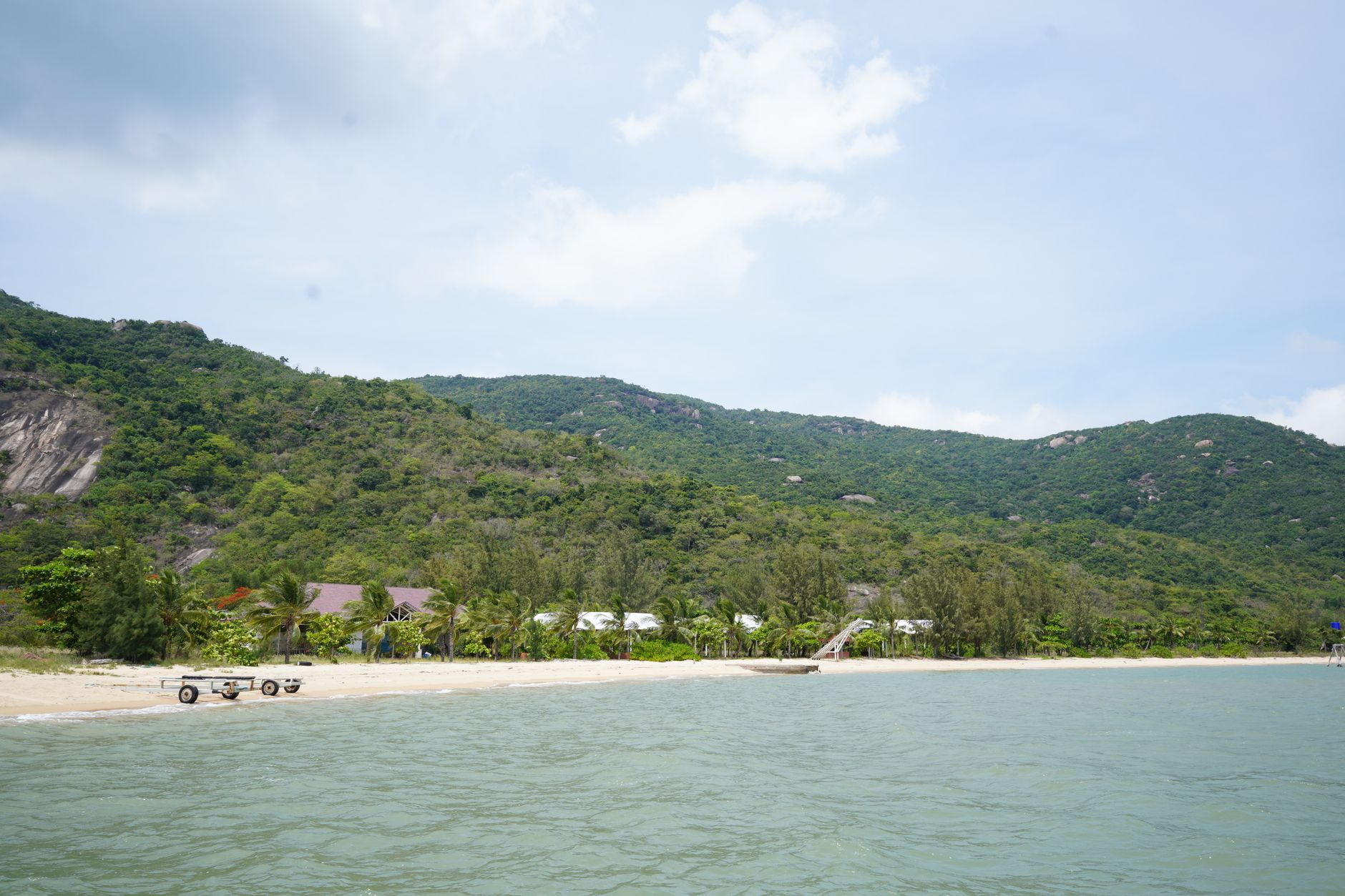
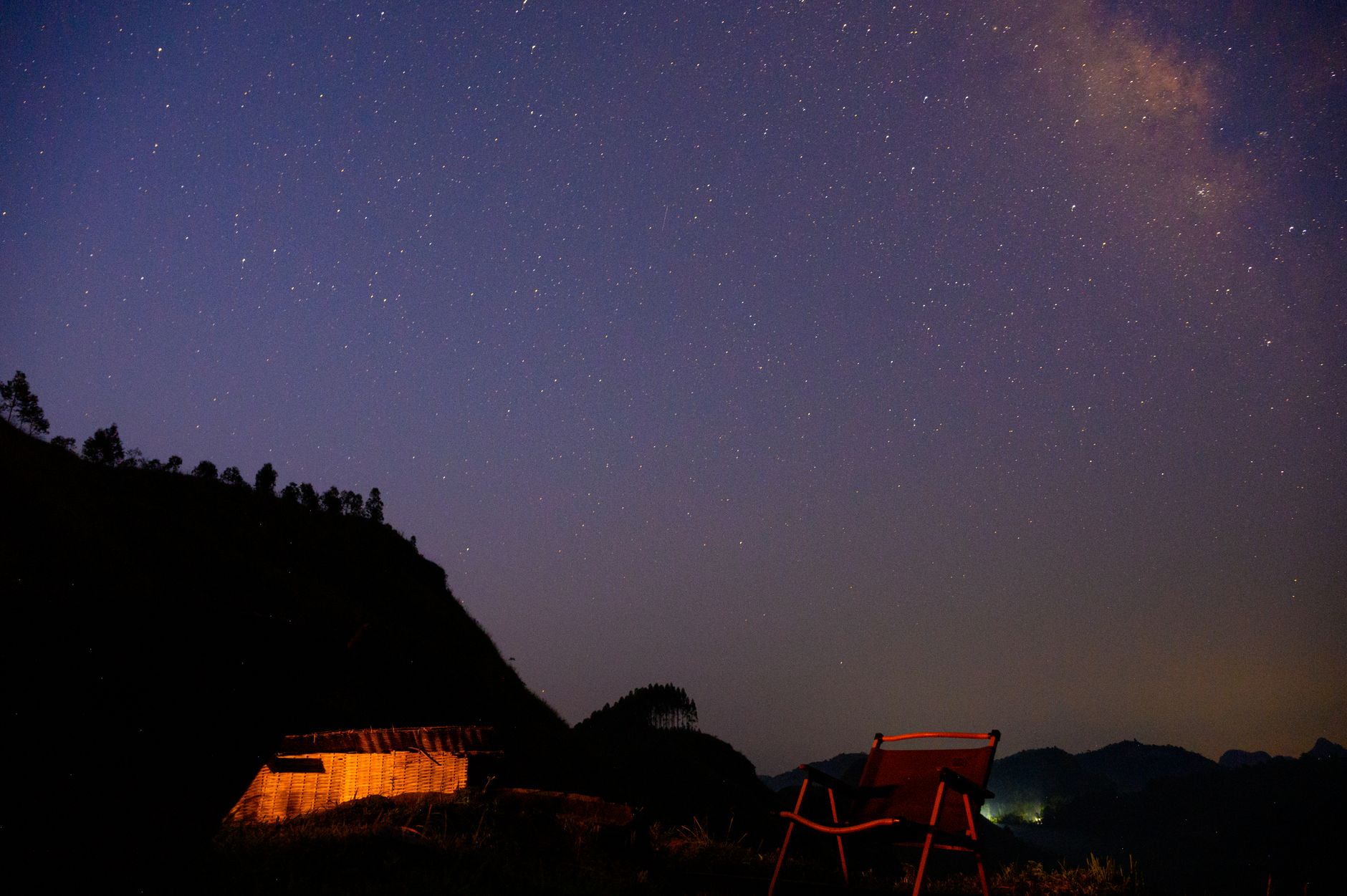
What It Is and How It Got Here
Khu Du Lich Sinh Thai Nguoi Giu Rung — roughly "The Forest Keeper" — is an eco-tourism area tucked along the waterways of what was formerly Ben Tre province, now part of the expanded Vinh Long province after Vietnam's recent administrative merger. The site sits within a patch of mangrove and fruit orchard land typical of the Mekong Delta (메콩 델타 / 湄公河三角洲 / メコンデルタ), built around the idea of preserving the cajuput ("tram") forest ecosystem while giving visitors something more grounded than the usual coconut-candy-factory tourist loop.
The project grew out of a local conservation effort. Rather than clearing forest for aquaculture ponds — the default move in this part of the delta — the founders kept the tree cover intact and built low-impact wooden walkways, stilted huts, and floating platforms through the canopy and waterways. It's small-scale, a bit rough around the edges, and genuinely interesting for that reason.
Why Travelers Go
Most people visiting the Mekong Delta end up on a day trip from Saigon to Ben Tre or Can Tho, cycling past rice paddies and sampling coconut candy. Nguoi Giu Rung appeals to a different crowd — or at least a different mood. You come here to slow down. The forest is quiet. The waterways are narrow enough that your boat barely fits. There are no loudspeakers, no souvenir stands, no crowds.
It's a good counterpoint if you've already done the bigger delta destinations. If you're spending time in Vinh Long anyway — and you should, the town has some of the best "hu tieu" in the south — this makes for a solid half-day or full-day side trip.
Best Time to Visit
The Mekong Delta has two seasons: wet (May–November) and dry (December–April). Both work here, but they offer different experiences.
Dry season (December–April): Easier to get around, less mud on the trails, and water levels are lower so the forest floor is more visible. January and February overlap with Tet, so expect domestic visitors and slightly higher prices for homestays.
Wet season (June–September): Water levels rise, the forest floods, and you can kayak or paddle through channels that are dry the rest of the year. It rains most afternoons — heavy but short. Mornings are usually clear. Fewer visitors, greener everything.
Avoid the peak of Tet (뗏 (베트남 설날) / 越南春节 / テト) (the actual holiday week) unless you enjoy competing for boat space with extended Vietnamese families carrying entire picnics.
How to Get There
The most practical hub is Vinh Long city, about 130 km southwest of Saigon.
From Saigon: Buses from Ben Xe Mien Tay (Western Bus Station) run to Vinh Long every 30–45 minutes. The ride takes around 2.5–3 hours and costs 80,000–120,000 VND depending on the operator. Phuong Trang (FUTA) and Thanh Buoi are reliable choices.
From Vinh Long city to Nguoi Giu Rung: The site is roughly 30–40 km from Vinh Long center, depending on the exact route through delta back roads. You can hire a motorbike taxi ("xe om") for around 150,000–200,000 VND one way, or rent a motorbike in town for 120,000–150,000 VND per day and ride yourself. The roads are flat, mostly paved, and the ride passes through orchard country — coconut palms, jackfruit, rambutan depending on season. Google Maps works, but ask your hotel to write down the name in Vietnamese for when you inevitably stop and ask a local for the final turn.
There's no direct public bus to the site.
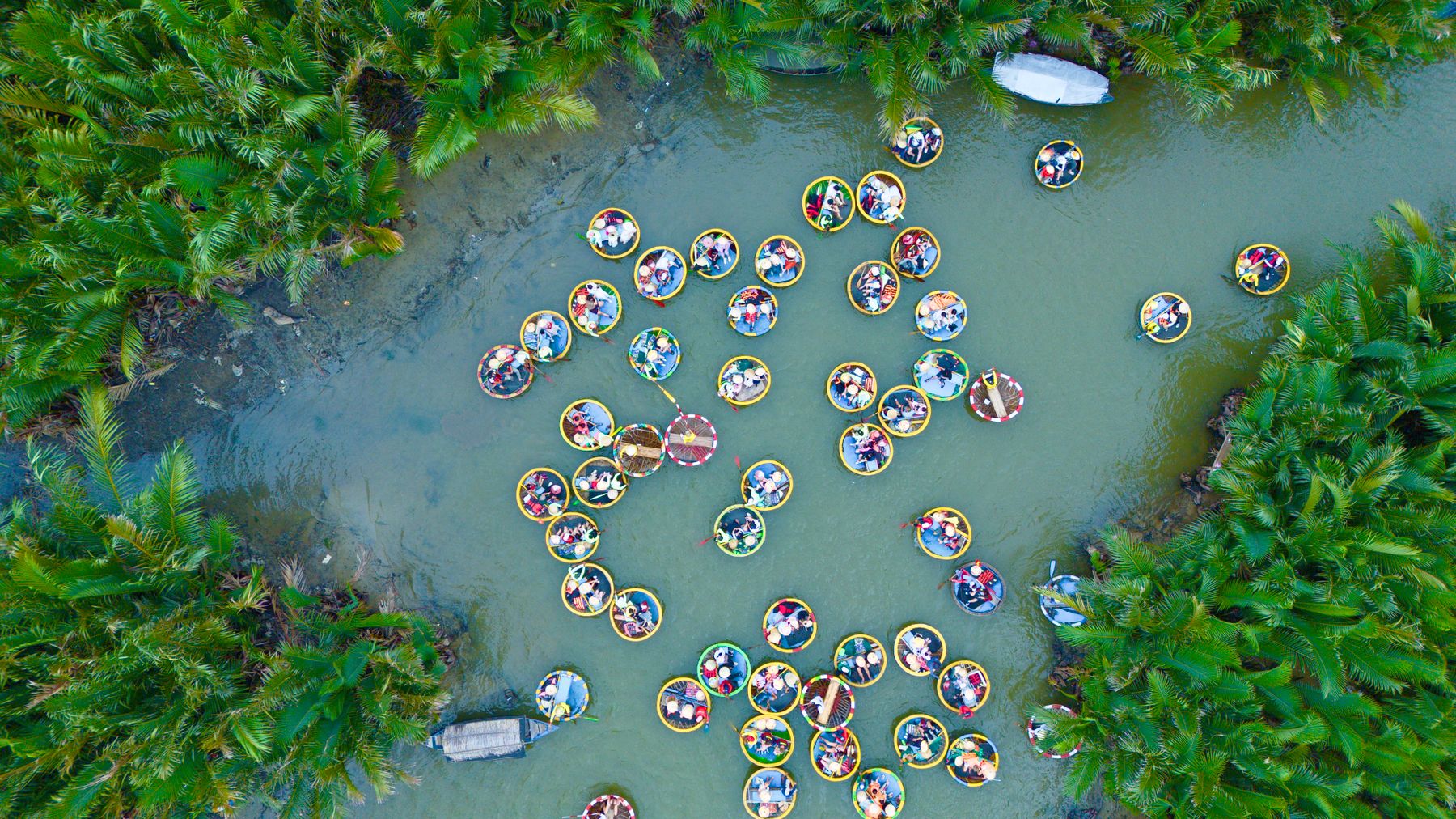
Photo by Vietnam Hidden Light on Pexels
What to Do
1. Paddle Through the Cajuput Forest
The main draw. You board a small wooden sampan or kayak and navigate narrow channels shaded by cajuput trees. The water is tannin-dark, the light filters green through the canopy, and the only sound is your paddle. Guided boat trips run about 45 minutes and cost 50,000–80,000 VND per person. Kayak rental, if available, runs slightly more.
2. Walk the Elevated Boardwalks
Wooden walkways thread through the forest above the waterline. They're basic — no polished railings or interpretive signs — but they get you into the interior of the mangrove without sinking knee-deep. Good for birdwatching in the early morning. Herons, kingfishers, and if you're patient, the occasional water monitor lizard.
3. Try the Honey Harvesting Demo
Several eco-tourism sites in the delta offer this, but here it feels less staged. A local beekeeper walks you through how cajuput honey is harvested from hives built into the forest. You taste it on the spot — cajuput honey is lighter and more floral than the longan honey you find in markets. A jar to take home runs 100,000–150,000 VND.
4. Fish with Locals
Some packages include rod fishing or net casting in the surrounding ponds and channels. You probably won't catch much — the snakehead and catfish here are smarter than you — but the process is the point. If you do catch something, the on-site kitchen will cook it for you.
5. Hammock Time
This sounds like filler, but it's not. The stilted rest huts over the water are genuinely one of the best places in the delta to do absolutely nothing. String a hammock, drink iced tea, listen to the forest. The Mekong Delta rewards people who stop moving.
Where to Eat Nearby
The site has a basic kitchen serving delta staples — grilled snakehead fish wrapped in lotus leaf, sour soup ("canh chua") with tamarind and river fish, and steamed rice.
In Vinh Long town, seek out "hu tieu" — the southern noodle soup that's lighter and sweeter than its northern cousins. Hu Tieu Nam Vang stalls are everywhere; the broth here is pork-bone based with shrimp, pork slices, and a handful of fried shallots. A bowl runs 30,000–45,000 VND. For something different, try "banh xeo" — the crispy turmeric crepe stuffed with shrimp and bean sprouts. Delta-style "banh xeo" tends to be larger and crispier than what you find in Saigon.
Where to Stay
Nguoi Giu Rung itself may offer basic homestay-style accommodation — stilted rooms or shared dorm huts. Expect 200,000–400,000 VND per night, minimal amenities, mosquito nets, and cold-water showers. Call ahead to confirm availability.
In Vinh Long town, guesthouses and mini-hotels along Pham Thai Buong street start at 250,000 VND for a clean room with air conditioning and hot water. Mid-range options like Cuu Long Hotel or Phuong Hoang Hotel run 400,000–700,000 VND. For something with character, homestays on the islands (An Binh island, reachable by ferry) offer fruit-orchard settings and home-cooked meals for 350,000–500,000 VND including dinner and breakfast.

Photo by maxed. RAW on Pexels
Practical Tips Locals Would Tell You
- Bring mosquito repellent. The cajuput forest is beautiful. The mosquitoes know it. Especially at dawn and dusk.
- Wear shoes that can get wet. Flip-flops work on the boardwalks; sport sandals are better for the muddy bits near the water.
- Carry cash. There are no ATMs at the site. Vinh Long town has plenty — withdraw before you leave.
- Go early. Arrive by 7:00–7:30 AM for the best light and bird activity. By 10:00 AM, the heat settles in and the forest goes quiet.
- Learn one phrase: "Cho toi mot ly tra da" — "give me an iced tea." You'll need it.
Common Mistakes to Avoid
- Treating it as a theme park. This is a conservation-minded site, not a resort. Adjust expectations — rustic facilities, limited food options, no Wi-Fi deep in the forest. That's the appeal.
- Coming on a rushed day trip from Saigon. The 5–6 hour round trip by bus eats your day. Stay a night in Vinh Long instead and visit in the morning.
- Skipping the boat for the boardwalk only. The walkways are fine, but the water channels are the heart of the experience. Don't cheap out on the boat ride.
Practical Notes
Nguoi Giu Rung is small, low-key, and not trying to compete with the polished eco-resorts popping up across the delta. That's exactly what makes it worth the detour. Pair it with a day exploring Vinh Long's riverside markets and island homestays, and you've got one of the more honest Mekong Delta experiences available — no coconut candy factory required.
Last updated · May 29, 2026 · independently researched, never sponsored.