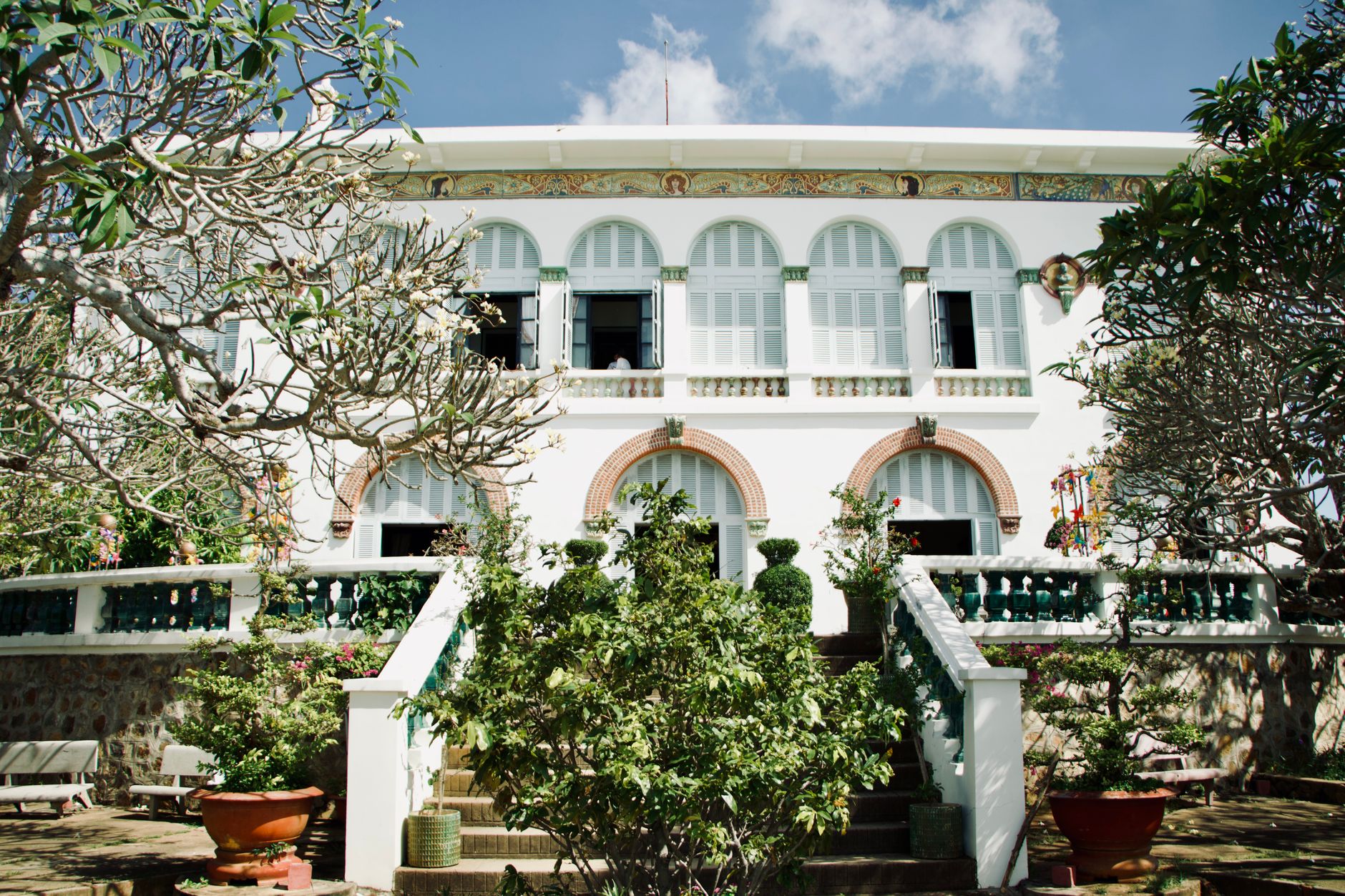
Canh Duong Beach is the kind of place most travelers blow past on the way between Hue and Phong Nha. That's a mistake worth correcting. It's a 5 km arc of sand along the coast of Phu Loc district — quiet, local, and one of the better beach stops in central Vietnam (베트남 / 越南 / ベトナム) if you don't need a resort experience.
What it is
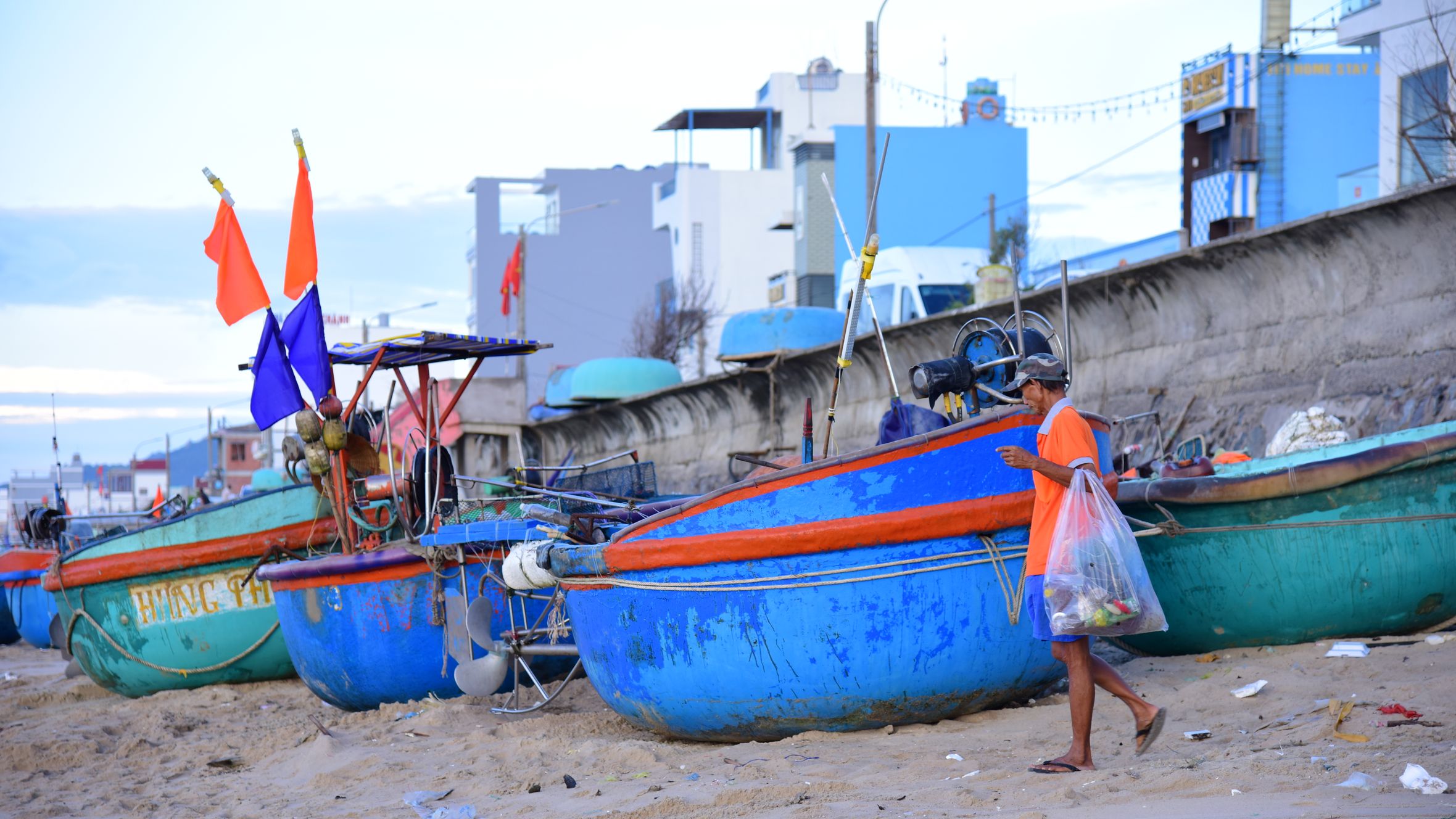
Canh Duong is a fishing village and beach about 50 km north of Hue (후에 / 顺化 / フエ), tucked between the Truong Son foothills and the East Sea. The village has been here for centuries, and fishing remains the main livelihood — you'll see round basket boats ("thung chai") on the sand and nets drying along the road. The beach itself runs long and wide, with coarse golden sand and relatively calm water most of the year. There's no boardwalk, no beach clubs, no admission fee. It's a working coastline that also happens to be a good place to swim.
Compared to the more developed Lang Co beach further south along the coast, Canh Duong gets a fraction of the visitors. That's partly geography — it's slightly off the main highway — and partly because nobody's built it up yet.
Why travelers go
Three reasons, mostly. First, it's an honest coastal stop between Hue and points north like Phong Nha without the resort markup of Lang Co. Second, the seafood here is priced for locals, not tourists — expect to pay 80,000–150,000 VND for a plate of grilled fish that would cost three times more in Da Nang. Third, the village itself is interesting. Morning fish markets, boat-building, drying squid on racks — the kind of working-village texture that disappears once a place gets "developed."
It also works as a half-day trip from Hue if you have your own wheels and want beach time without committing to a full resort day.
Best time to visit
April through August is the sweet spot. Skies clear up, the sea calms down, and temperatures hover around 30–35°C. The water is swimmable and the village is active with summer fishing.
Avoid October through December if you can. Central Vietnam's rainy season hits hard — Hue and its surrounding coast get drenched, with occasional flooding. January through March is cooler (18–23°C) and sometimes overcast, but the beach is still walkable if you're not set on swimming.
How to get there from Hue
Canh Duong is roughly 50 km north of Hue city center, and you have a few options.
Motorbike
The most practical choice. Head north on National Route 1A, then turn east toward the coast at the Canh Duong junction — it's signed, though not prominently. Total ride time is about 1 hour 15 minutes depending on traffic. Motorbike rental in Hue runs 120,000–180,000 VND per day for a semi-auto.
Grab car or private taxi
A Grab car from Hue costs around 350,000–450,000 VND one way. Worth it if you're splitting with someone. Note that getting a Grab back from Canh Duong can be slow — drivers aren't plentiful out there. Arrange a round trip or negotiate a wait.
Local bus
There are buses heading north from Hue's An Cuu bus station toward Quang Tri. Ask the driver to drop you at the Canh Duong turnoff — from there it's about 3 km to the beach, walkable or hitchable. Bus fare is around 30,000–40,000 VND. Not the most comfortable option, but it works on a budget.

Photo by Quang Nguyen Vinh on Pexels
What to do
Swim and walk the beach. The obvious one. The beach stretches about 5 km and is rarely crowded, even on weekends. The southern end near the village is more active; the northern stretch is emptier. Water is generally calm from April to August — no lifeguards, so use judgment.
Watch the morning fish market. Show up between 5:30 and 7:00 AM and you'll catch boats coming in with the night's haul. Squid, mackerel, shrimp, crab — all sold dockside in plastic tubs. It's loud, fast, and photogenic. Nobody minds if you watch or take pictures, but stay out of the way of the ice carts.
Visit the whale temple. Canh Duong has a "lang ca ong" — a whale worship temple — common in central Vietnamese fishing villages. Fishermen here have venerated whales for generations, believing them to be protectors at sea. The temple is small but culturally rich, with whale bones on display. No entrance fee, but dress respectfully.
Rent a basket boat. Some fishermen will take you out in a "thung chai" for 50,000–100,000 VND. It's a short ride, mostly for the experience of bobbing around in a woven boat that has no business floating but does. Best arranged informally on the beach in the morning.
Cycle the coastal road. If you have a bicycle (or a slow motorbike), ride the road that traces the coast north of the village. Casuarina trees, fish-drying racks, and quiet stretches with nobody around. A 10 km out-and-back loop takes about an hour at a relaxed pace.
Where to eat nearby
Seafood is the play here. Small family-run restaurants line the road into the village — look for the ones with tanks out front.
Order "banh khoai" — Hue's version of "banh xeo," a crispy turmeric crepe stuffed with shrimp and pork. It's a regional staple and some of the village spots make a solid version. Pair it with grilled squid or steamed clams in lemongrass. A full seafood meal for two runs 200,000–350,000 VND, which is about as cheap as coastal eating gets in Vietnam.
If you're heading back through Hue, that's your chance for "bun bo Hue" — the city's signature spicy beef noodle soup. It's everywhere in town, but Bun Bo Hue Ba Tuyet on Nguyen Du street is a reliable pick at around 35,000 VND a bowl.
Where to stay
Canh Duong itself has limited accommodation. A handful of homestays and guesthouses exist in the village, mostly basic rooms with fans and shared bathrooms for 200,000–350,000 VND per night. Don't expect air conditioning or hot water at the lower end.
For more comfort, stay in Hue and treat Canh Duong as a day trip. Budget hotels in Hue run 300,000–500,000 VND; mid-range places near the Citadel or along the Perfume River go for 600,000–1,200,000 VND.

Photo by Quang Nguyen Vinh on Pexels
Practical tips locals would tell you
- Bring sunscreen and water. There's almost no shade on the beach itself, and the closest convenience store is back in the village.
- Cash only. No ATMs in Canh Duong. Bring enough VND from Hue.
- Fuel up before you leave Hue. Gas stations thin out on the way north. Top off before heading out.
- Respect the fishing gear. Nets, traps, and boats on the beach are people's livelihoods. Don't sit on them or move them for photos.
Common mistakes to avoid
Coming on a rainy-season day and expecting to swim. The sea gets rough from October to December, with strong currents and murky water. Check weather before heading out.
Not negotiating transport in advance. If you take a taxi or Grab, arrange the return trip before your driver leaves. Getting stranded in a village with no ride-hailing coverage is a real possibility.
Expecting a resort beach. There are no sun loungers, cocktail bars, or beach umbrellas for rent. This is a fishing village with a beach, not a beach resort. Bring what you need and adjust your expectations.
Practical notes
Canh Duong works best as a half-day or full-day side trip from Hue, especially if you're already exploring the area around the Imperial Citadel Thang Long or the Tomb of Tu Duc. Pair it with a stop at Lang Co on the way back for a full coastal day. It's not polished, but that's the point.
Last updated · May 29, 2026 · independently researched, never sponsored.