Quang Binh sits in central Vietnam where the landscape shifts from tropical lowlands to karst cliffs. Most travelers speed through on the way to Da Nang or Hue, but the province rewards a longer stop. The main town is sleepy; the real draw is outside — caves, rivers, beaches, and countryside where you'll see far fewer tourists than popular coastal routes.
Phong Nha-Ke Bang National Park
This is the centrepiece. The park covers 123 km² and contains some of the oldest and most complex cave systems in Southeast Asia. Phong Nha Cave itself is enormous — a river runs through it, and the 2 km journey by boat past stalactites feels genuinely awe-struck, though without the drama. The cave mouth is dramatic enough; the interior is cool and damp, and worth the entry fee (80,000 VND per person, plus 20,000 VND for the boat).
Son Doong Cave, the world's largest by passage volume, sits in the same park but requires a two-day, one-night guided trek (2–3 million VND; book through Oxalis Adventure Tours, the only licensed operator). The trek is serious — expect 5–6 hours walking on Day 1, camping inside the cave, then 4 hours out on Day 2. It's not a casual stroll, but the payoff is real: walking through a cavern so large it contains a river, jungle, and sunlight filtering through a collapsed ceiling.
Thu Sien (Paradise) Cave, 15 km south of town, is the more polished option. A cable car whisks you 600 m down; the cave is lit and paved, with stalactites and stalagmites arranged like a museum. Entry is 250,000 VND. It's comfortable but less intimate than Phong Nha.
Rivers and Easy Paddles
The Nho Que (Son rivers) run clear and slow through the park. Half-day "Dark Cave" canoe trips cost around 600,000 VND per couple (through local operators in Phong Nha town). You paddle into a cave entrance, wade through cave water to a small lake, then swim back. It's less spectacular than Son Doong but costs a fraction as much and doesn't require overnight camping.
Bo Trach, a quieter town 40 km north, is the gateway to Mekong-style "sampan" trips on the Gianh River. Motorised boats (not tourist traps) drift past karst scenery for about 500,000 VND per boat for 2–3 hours. Less crowded than Phong Nha.
Beaches
Quan Lan Island, a 45-minute ferry ride from Ben Hang (15 km from Dong Hoi), is a working fishing village with a quiet beach. Few tourists arrive; accommodation is basic (guesthouses 200,000–300,000 VND per night). The island is best as an overnight escape, not a day trip. Take the morning ferry, eat fresh "banh canh" (tapioca-based crab soup) at a roadside stall, and leave the crowds to Phu Quoc and Hoi An.
Nhat Le Beach, just north of Dong Hoi city, is a long, empty stretch of sand. It gets quiet after 10 AM. No resorts; no vendors. Locals fish here. A motorbike taxi from central Dong Hoi costs 30,000 VND and takes 15 minutes.
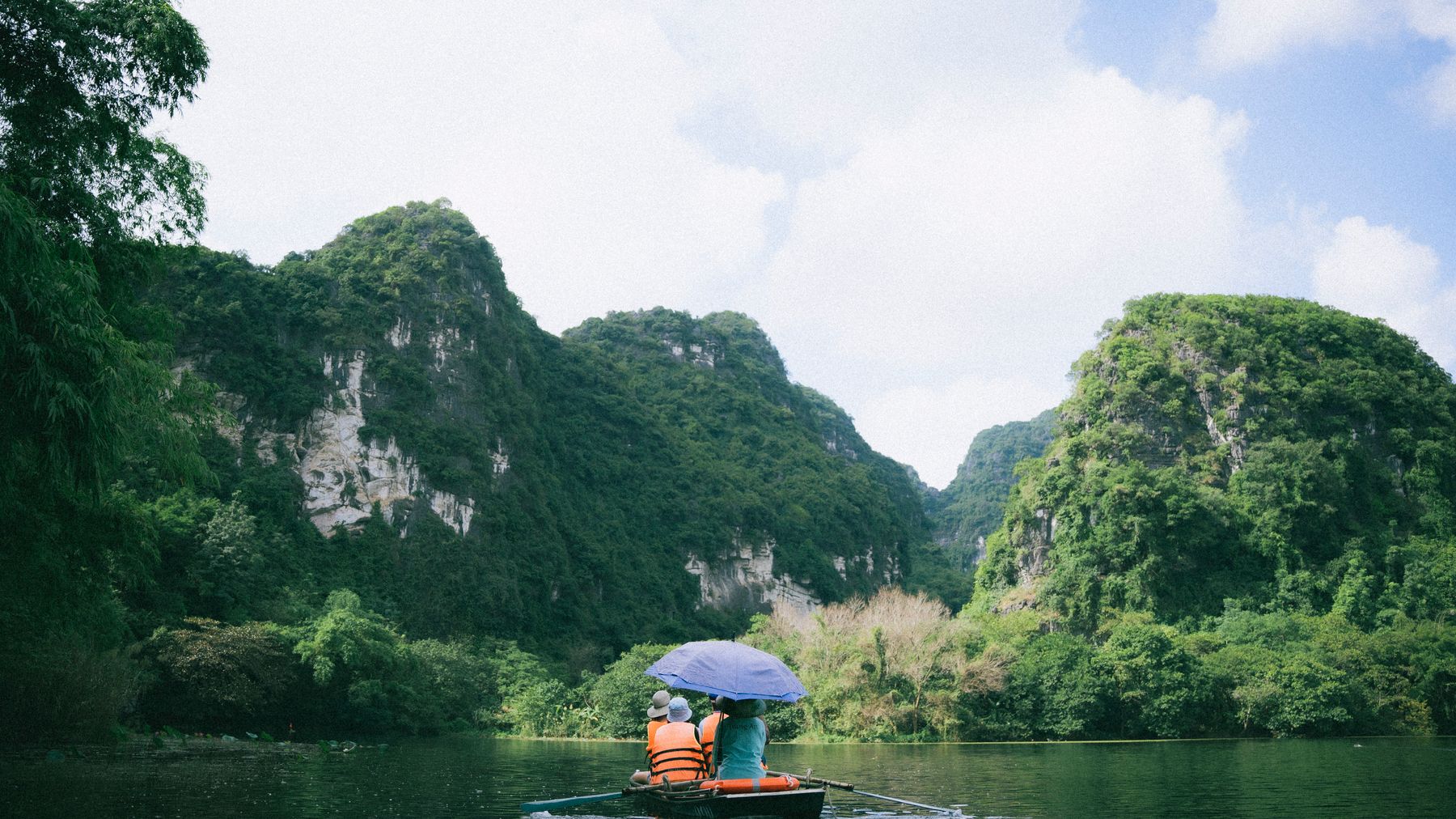
Photo by Bid on Pexels
What Else Is Worth a Day
Phong Nha Market. The town of Phong Nha has a proper "banh mi" stand (25,000 VND), a decent noodle place, and a beer hall where locals drink "bia hoi" (15,000 VND). Eat here, not at the hotel cafe. Markets open early (5–6 AM).
Vinh Moc Tunnels. A short 30 km south, these tunnels were dug by villagers during the "Vietnam War" as shelter. They're less famous than Cu Chi Tunnels near Saigon, but less touristy too. The site is genuine, cramped, and moving without being exploitative. Entry 60,000 VND. A motorbike tour from Dong Hoi (300,000 VND for 4 hours) includes this plus Nhat Le Beach.
Khe Sanh Combat Base. The ruins of a 1960s American airbase sit 100 km west, near the Lao border. The site is stark — concrete pad, a few trenches, a small museum. It's only worth it if you're interested in military history and have 8 hours to spare for the drive. Most won't.
Dong Hoi City. The capital is unremarkable — a few riverfront cafes, a colonial church, and a night market. Don't spend more than an afternoon here unless you're eating. The night market (17:00–22:00) is good for street food: "banh hoai" (crispy, sweet fried cakes), grilled squid, and sticky rice.
Cultural Experiences
Quang Binh is not a cultural hotspot. There are no temples of major significance, no weaving villages, no festivals that draw travellers. The province is about landscape, not heritage.
That said, spending a morning watching fishermen on the Gianh River or eating "com tam" (broken-rice bowls, 30,000 VND) at a dawn market in Bo Trach gives you a window into rural central Vietnam — quieter and less performed than the cultural tourism circuit in Hue or Hoi An.

Photo by Quang Nguyen Vinh on Pexels
What to Skip
Phong Nha town itself. It's a staging point, not a destination. There is one main street, a handful of mediocre restaurants, and most tourists are just passing through. Stay one night if you're doing a cave tour; don't linger.
Expensive cave tours. Some operators charge 1–2 million VND for "exotic" cave experiences that are overpowered and overbooked. Stick with Phong Nha Cave and a river paddle. You'll spend less and see more.
Organized "eco-tourism" packages. Quang Binh's eco-lodges market themselves heavily to package-tour groups. They're pricey and generic. Rent a motorbike instead (150,000 VND/day) and navigate on your own.
Bai Xep Beach. It's marketed as a hidden gem 80 km south. It's a working fishing village, not a beach. Fine if you're exploring; not worth a dedicated trip.
Day-Trip Ideas from Dong Hoi
"Cave and River" full day: Boat tour through Phong Nha Cave (1.5 hours drive), 2-hour cave boat ride, lunch in Phong Nha town, afternoon canoe through Dark Cave. Budget 8 hours, 1.2–1.5 million VND per person (including guide, boat, cave fees).
"North Loop" half-day: Motorbike to Bo Trach (40 km), sampan ride on Gianh River (1.5 hours), lunch of fresh crab and "ca phe sua da" (iced milk coffee), return by 17:00. Budget 4 hours, 600,000 VND for two on a rented bike.
"War History and Beach": Vinh Moc Tunnels (30 km), Nhat Le Beach (15 km further), sunset at the beach, return for dinner. Budget 5 hours, 500,000 VND on a motorbike.
Practical Notes
Dong Hoi is the transport hub. Trains from Hanoi take 12 hours; buses from Da Nang take 4 hours. Rent a motorbike or book a tour — public transport to caves and beaches is sparse. The best time is October to May (dry, cool). June to September is humid and wet. Bring cash; many guesthouses and cave operators don't take cards. English is less common here than in tourist zones, so download a translation app.
Last updated · May 26, 2026 · independently researched, never sponsored.