What it is
The Tam Dao TV Tower — "Thap truyen hinh Tam Dao" — is a telecommunications relay perched near the summit of Tam Dao mountain, roughly 80 km northwest of Hanoi. It's not a tourist attraction in the conventional sense. There's no ticket booth, no gift shop, no audio guide. It's a functional broadcast tower surrounded by cloud forest, and that's exactly why people make the trip.
Built during the expansion of Vietnam (베트남 / 越南 / ベトナム)'s national broadcast infrastructure, the tower sits at an elevation above 1,200 meters. The access road and trails leading to it cut through some of the densest montane forest left in the Red River Delta region. For travelers staying in Tam Dao town — the old French hill station — the tower is the natural endpoint of a half-day hike or motorbike ride that gets you above the tourist strip and into genuinely quiet terrain.
Why travelers go
Tam Dao town itself draws weekend crowds from Hanoi (하노이 / 河内 / ハノイ), especially between April and October. The main street fills up with families, karaoke bars open early, and the atmosphere can feel more like a domestic resort than a mountain retreat. The TV tower area offers the opposite: a reason to walk past the hotels, through the treeline, and into the kind of fog-wrapped forest that Tam Dao was originally known for.
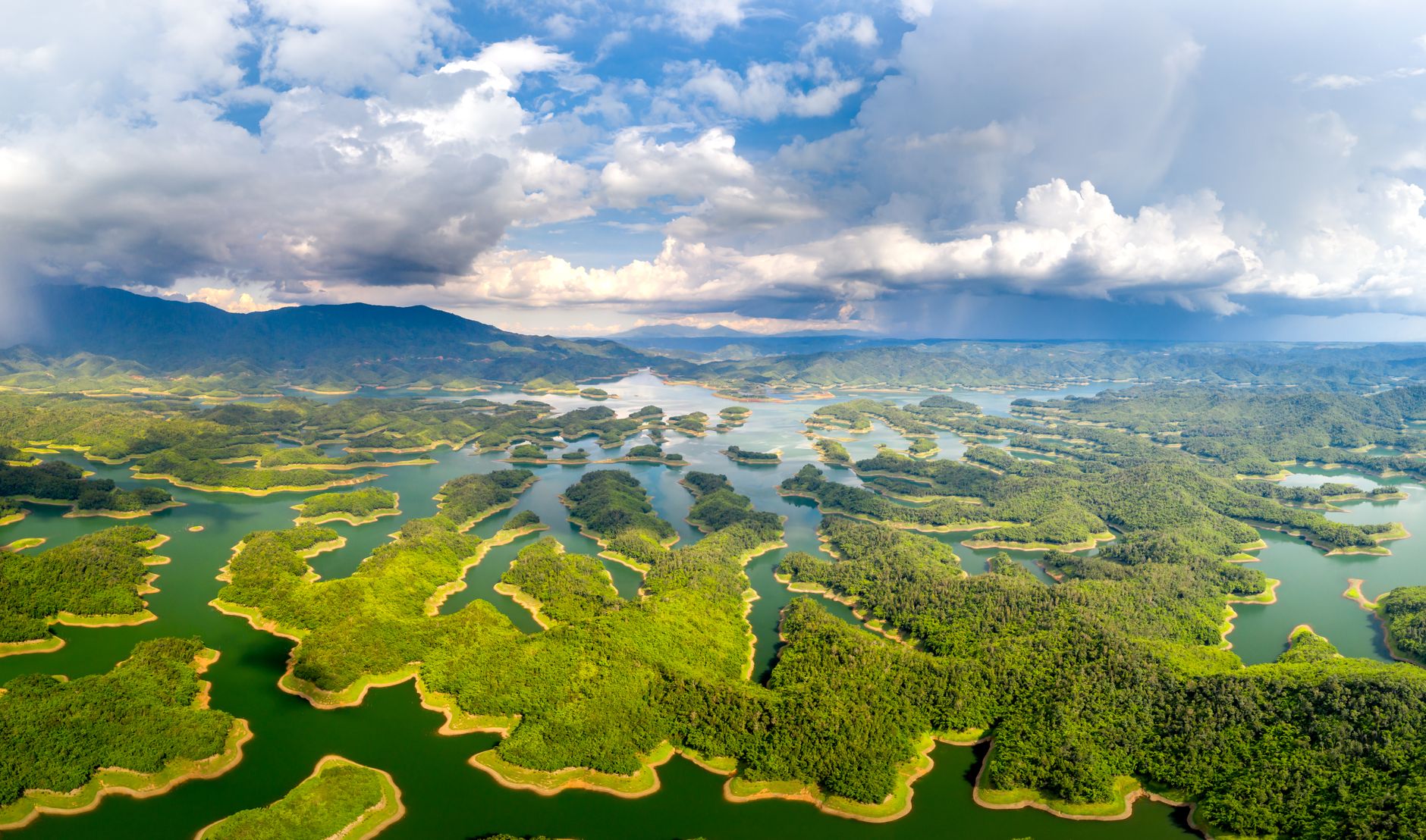
From near the tower, on a clear morning, you can see across the lowlands toward the Red River. On overcast days — which are frequent — you're standing inside the clouds. Neither experience is bad. The trail itself passes old-growth trees, moss-covered rocks, and sections where the canopy blocks out almost all direct sunlight. Birders come here specifically; Tam Dao National Park is home to several endemic species.
Best time to visit
The sweet spot is March through May and September through November. March and April bring warmer days with occasional fog — good hiking weather without the summer heat that pushes Hanoians up the mountain in droves. May is borderline; weekends get crowded.
Summer (June–August) means cooler temperatures up top — often 18–22°C when Hanoi is pushing 38°C — but also peak domestic tourism and afternoon rain. If you come in summer, go on a weekday.
Winter (December–February) can drop below 10°C near the summit. The fog is thicker, trails are slippery, and some guesthouses cut hot water to save on electricity. Pack layers and don't expect views.
How to get there from Hanoi
By motorbike: The most flexible option. Take the highway toward Vinh Yen, then follow provincial roads up to Tam Dao town — about 80 km, roughly 2–2.5 hours depending on traffic through the outer Hanoi districts. The mountain road from the base to Tam Dao town is well-paved but steep, with tight switchbacks. Confident riders only.
By car or taxi: A private car from central Hanoi runs around 1,200,000–1,500,000 VND round trip if you negotiate a day rate. Grab doesn't reliably serve the mountain section, so arrange return transport in advance.
By bus: Public buses run from Hanoi's My Dinh station to Vinh Yen (around 60,000–80,000 VND, 1.5 hours). From Vinh Yen, you'll need a local taxi or "xe om" (motorbike taxi) for the remaining 25 km up the mountain — expect to pay 150,000–200,000 VND one way.
From Tam Dao town to the TV tower area, it's either a hike (roughly 3–5 km depending on the trail) or a motorbike ride partway followed by a walk. There's no paved road all the way to the tower itself.

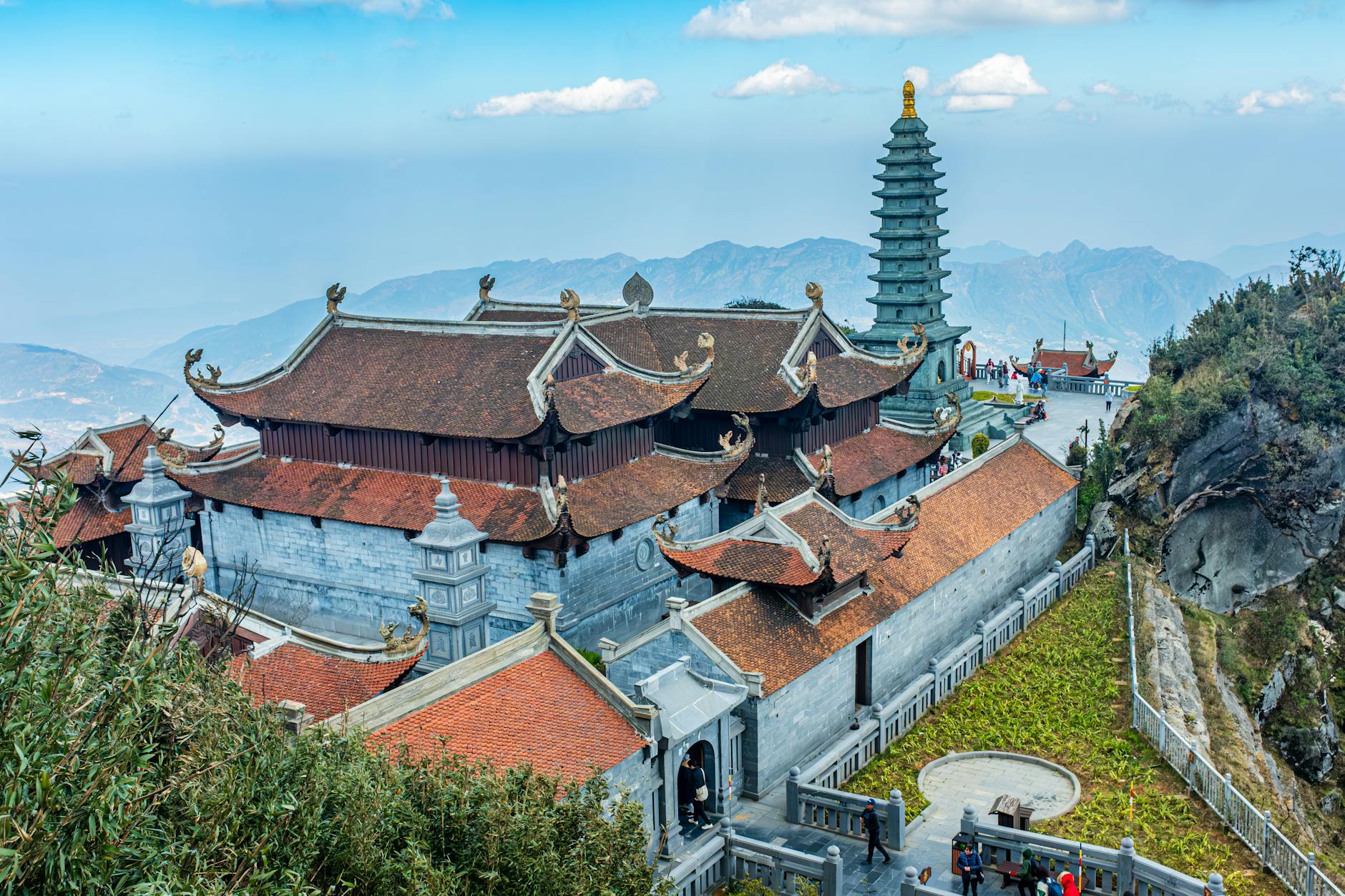
Photo by Dongdilac on Pexels
What to do
Hike the tower trail
The main draw. From the western end of Tam Dao town, a trail leads uphill through national park forest toward the tower. It's not a manicured path — expect mud, roots, and sections where you're pulling yourself up by tree branches. Allow 1.5–2 hours up, a bit less coming down. Bring water; there's nothing to buy once you leave town.
Walk the Silver Waterfall loop
Thac Bac (Silver Waterfall) is a short detour off the main road below town. It's a 15-minute walk from the parking area, and while the waterfall itself is modest, the surrounding forest is worth the stop. Entry is around 20,000 VND.
Explore the old French villas
Tam Dao was a colonial hill station, and a handful of crumbling stone villas still sit along the ridge above town. Most are overgrown and fenced off, but walking the back lanes gives you a sense of what the place looked like before the hotels arrived.
Catch sunrise from the church steps
The small stone church near the center of town faces east. If the clouds cooperate, sunrise from this spot — coffee in hand — is one of the better ways to start a morning in northern Vietnam.
Birdwatching in the national park
Tam Dao National Park is a recognized Important Bird Area. Species like the Tam Dao warbler are found nowhere else. Serious birders hire local guides through the national park office; expect to pay around 300,000–500,000 VND for a half-day guide.
Where to eat nearby
Tam Dao town's main street is lined with restaurants, most serving the same roster of mountain-town dishes. Two things worth ordering:
"Su su" (chayote): Tam Dao's signature vegetable. It grows everywhere on the mountain and shows up stir-fried, in soup, and as a side. The stir-fried chayote shoots — "ngon su su xao" — are the best version: crunchy, slightly sweet, and dirt cheap at around 30,000–50,000 VND a plate.
Hill chicken ("ga doi"): Free-range chicken grilled or steamed, served with rice and dipping salt. It's tougher than lowland chicken but far more flavorful. Most restaurants charge 250,000–400,000 VND for a whole bird. Pair it with a cold Hanoi beer or, if you spot it, a glass of local "ruou" (rice wine) — though go easy on that last one.
If you're heading back through Hanoi afterward, the city's food scene is a different universe — "bun cha" and egg coffee are worth planning a meal around.
Where to stay
Budget (300,000–500,000 VND/night): Basic guesthouses along the main road. Expect thin walls, intermittent hot water, and karaoke noise on weekends. Midweek stays are quieter and sometimes cheaper.
Mid-range (600,000–1,200,000 VND/night): Newer hotels with proper heating, hot showers, and balconies facing the valley. Book directly — prices on booking apps are often higher than walk-in rates.
Upper range (1,500,000–3,000,000 VND/night): A few resort-style properties have opened in recent years with better rooms and restaurant service. Worth it if you want comfort, but you're paying Hanoi prices for mountain-town amenities.
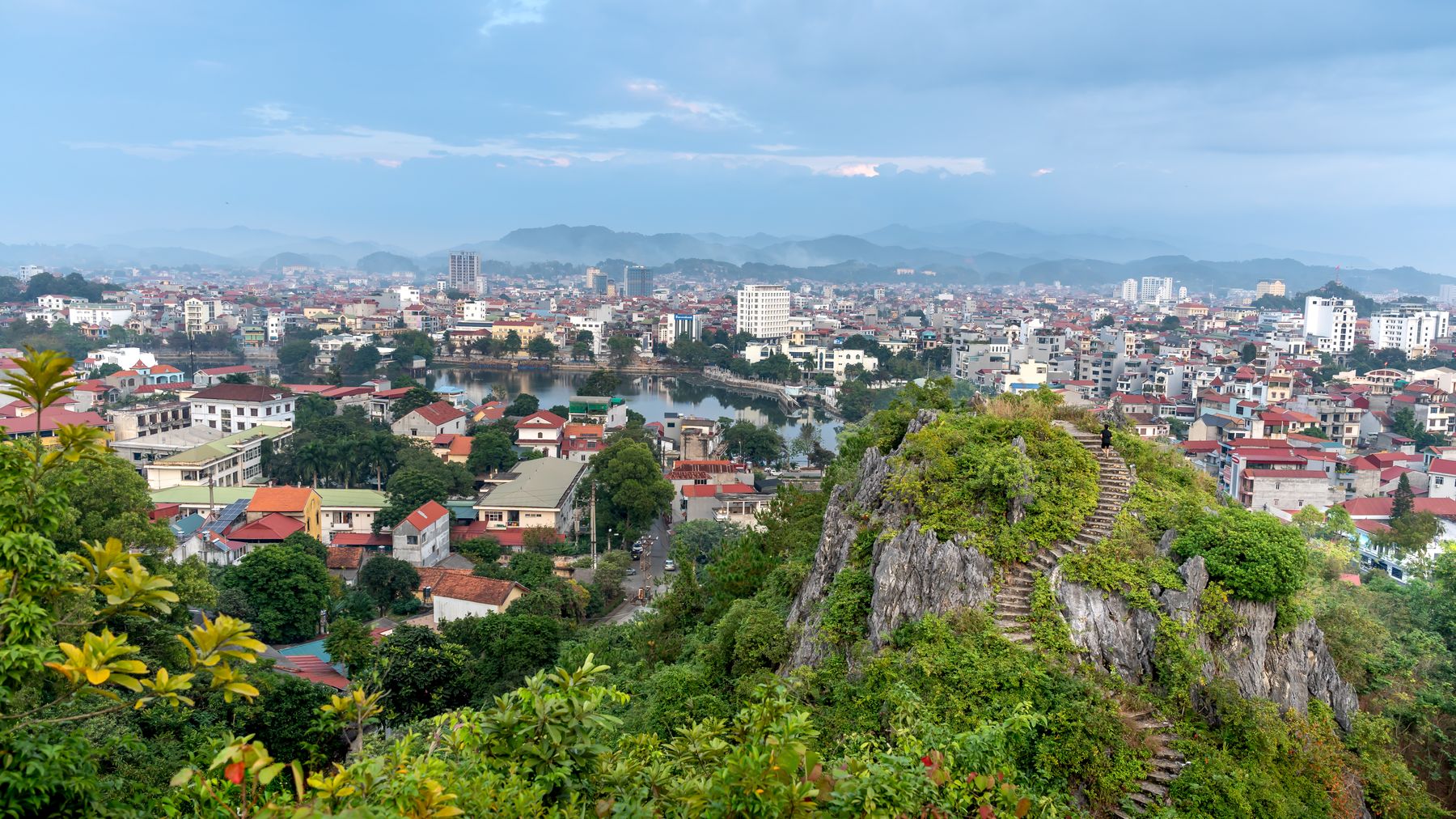
Photo by Quang Nguyen Vinh on Pexels
Practical tips locals would tell you
- Bring a rain jacket regardless of season. Tam Dao makes its own weather. A clear morning can turn to heavy fog in twenty minutes.
- Wear proper shoes for the tower trail. Flip-flops are fine for town; the trail to the tower will wreck them and possibly your ankles.
- Carry cash. ATMs exist in town but occasionally run dry on weekends. Most guesthouses and restaurants are cash-only.
- Start the hike early. By mid-morning, clouds often settle in and the trail gets slippery. A 6:00 or 6:30 AM start gives you the best shot at views.
Common mistakes to avoid
- Coming on a summer weekend without a booking. Tam Dao fills up fast from June to August. You'll either overpay or sleep in your car.
- Expecting a polished hiking trail. The path to the TV tower isn't maintained for tourism. It's a utility access route through forest. If that sounds unappealing, stick to the waterfall walk instead.
- Skipping the Hung Kings Temple complex nearby. The Hung Kings Festival site in Phu Tho is less than an hour's drive from the base of Tam Dao mountain and connects you to one of Vietnam's most important cultural traditions. If you have a full day, combining both makes a solid northern loop from Hanoi.
Practical notes
Tam Dao works as a day trip from Hanoi, but an overnight stay lets you catch the mountain at its best — early morning, before the crowds and the clouds roll in. The TV tower trail is the reward for anyone willing to lace up real shoes and walk past the karaoke strip. Budget a full day if you want to hike and eat well without rushing.
Last updated · Jul 4, 2026 · independently researched, never sponsored.