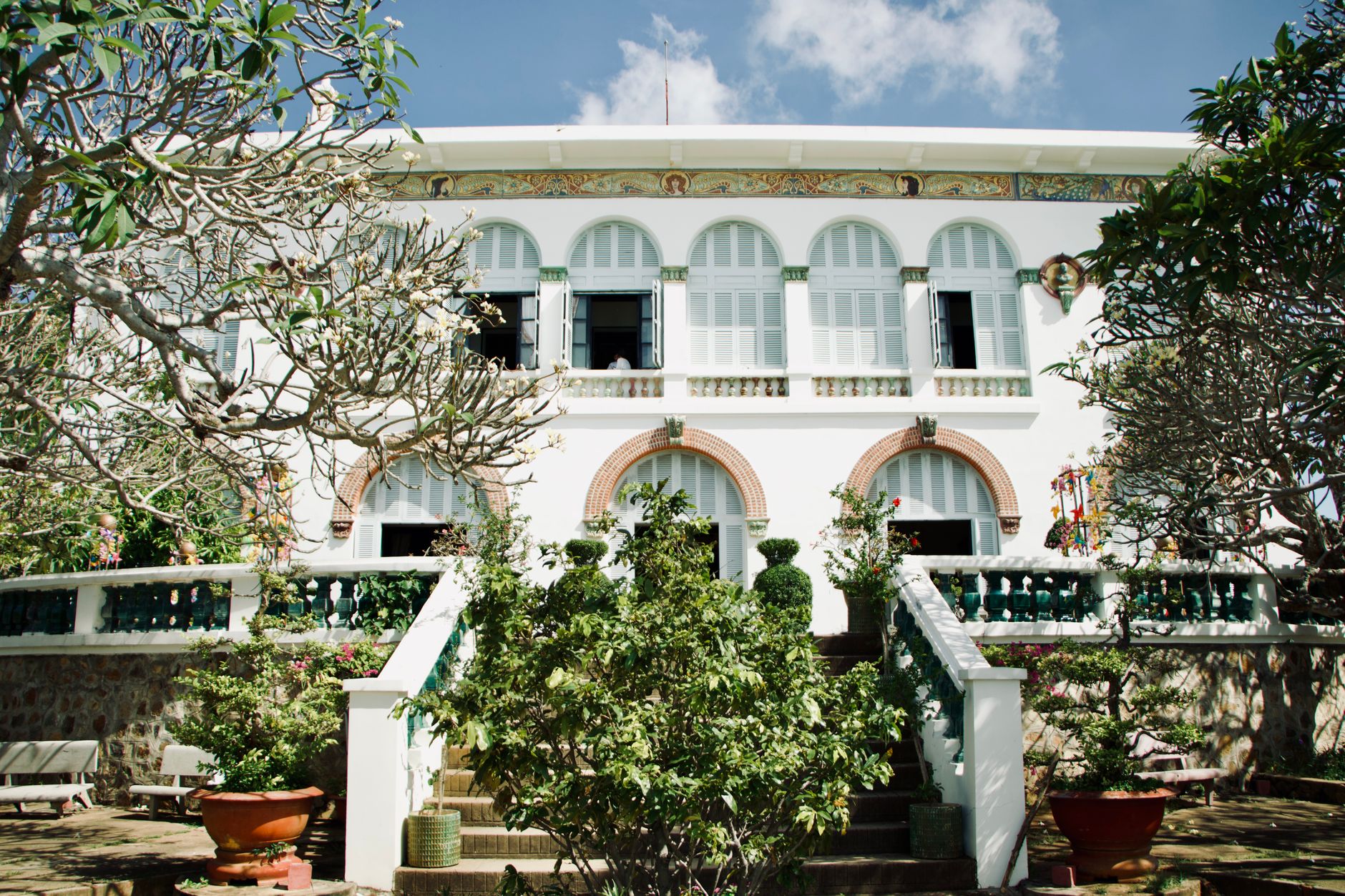
What Tam Giang Lagoon actually is
Tam Giang — or more precisely, the Tam Giang–Cau Hai lagoon system — is a 70-km stretch of brackish water running parallel to the coast north and southeast of Hue. It's the largest lagoon in Southeast Asia, covering roughly 22,000 hectares, separated from the South China Sea by a narrow strip of sand. Fishing communities have worked these waters for centuries, and the lagoon remains central to the economy and daily rhythm of villages like Quang Thanh, Quang Loi, and Phu An.
Unlike Hue's imperial monuments, Tam Giang doesn't appear on most first-timer itineraries. That's partly why it's worth the trip. The lagoon is a working landscape — fish traps, shrimp ponds, wooden boats — not a curated tourism product. You come here to slow down, eat well, and see a side of central Vietnam (베트남 / 越南 / ベトナム) that the Imperial Citadel doesn't show you.
Why travelers go
Three reasons, mostly. First, the sunrises and sunsets over open water are genuinely extraordinary — the lagoon's east-west orientation and shallow depth mean the light reflects off the surface in ways that make photographers unreasonable. Second, the seafood. The lagoon's brackish water produces excellent shrimp, crab, clams, and fish, cooked simply and sold cheaply at waterside stalls. Third, it's quiet. On a weekday morning, you might share a boat with nobody but the person rowing it.
Tam Giang also functions as a day trip that balances the temple-and-tomb fatigue that sets in after two or three days in Hue (후에 / 顺化 / フエ). After visiting the Tomb of Tu Duc and the Tomb of Khai Dinh, a morning on the lagoon feels like a reset.
Best time to visit
The sweet spot is March through August. Skies are clear, the water is calm, and the light at dawn and dusk is at its best. April to June is ideal — warm but not yet peak summer heat.
Avoid October through December. Hue's rainy season hits hard, and the lagoon floods. Water levels rise, boat trips get cancelled, and the roads to some villages turn to mud. January and February are cooler and occasionally foggy, which can be atmospheric but limits visibility.
If you want to see the fish trap lanterns lit at night — one of Tam Giang's most photographed scenes — aim for a clear evening between April and July.

Photo by Quang Nguyen Vinh on Pexels
How to get there from Hue
Tam Giang's nearest access point is about 15 km northeast of central Hue, roughly a 30-minute motorbike ride. Most travelers head to one of two areas: the village of Quang Loi (for boat trips) or the bridge at Thai Duong Ha (for the classic panoramic view).
- Motorbike rental: 120,000–150,000 VND/day from most Hue guesthouses. The road is flat and straightforward — follow Tran Nhat Duat north, then cut east toward the lagoon.
- Grab car: Around 100,000–150,000 VND one way from Hue center. Availability can be thin on the return, so consider booking a round trip or having the driver wait.
- Guided tour: Several Hue-based operators run half-day lagoon trips for 400,000–700,000 VND per person, usually including a boat ride, fishing demonstration, and a meal. These are convenient but lock you into a schedule.
There's no public bus that takes you directly to the lagoon's edge.
What to do
Take a boat through the fish traps
The main draw. Local fishermen run small wooden boats through the lagoon's network of "no", the traditional fixed fish traps made of bamboo stakes and netting. A boat ride of 60–90 minutes costs around 200,000–400,000 VND depending on group size and negotiation. Go at sunrise if you can manage it — the light is better and you'll see fishermen pulling in the morning catch.
Visit a floating fish farm
Several families operate floating aquaculture pens where they raise shrimp and fish. Some welcome visitors and will explain the setup. It's not a polished tourism experience — expect to sit on a wooden platform, drink tea, and watch someone haul up a net. That's the appeal.
Cycle the lagoon road
A paved road runs along sections of the lagoon's western shore, passing through rice paddies, shrimp ponds, and small villages. Renting a bicycle in Hue (50,000–80,000 VND/day) and riding out here makes for a solid half-day trip, though the ride is roughly 15 km each way and there's limited shade.
Watch the net casting at Thai Duong Ha
The bridge at Thai Duong Ha offers a wide-angle view of the lagoon. Fishermen cast circular nets from the bridge and from boats nearby, especially in the early morning. It's a good spot to stop even if you're not planning a full boat trip.
Photograph the lantern-lit traps at dusk
Some fish traps are lit with small lanterns after dark to attract fish. If you arrange an evening boat ride — easiest through a local guide or your homestay — you can see the lagoon dotted with warm light. It's genuinely beautiful without needing a marketing adjective.
Where to eat nearby
The lagoon villages specialize in "banh canh" — thick tapioca-and-rice-flour noodles served in a crab or shrimp broth. A bowl runs 25,000–40,000 VND at a roadside stall in Quang Loi or Phu An. The crab version, made with lagoon crab, is the one to order.
Also look for "banh xeo" here — the central Vietnamese version is smaller, crispier, and stuffed with shrimp. Expect to pay 5,000–8,000 VND per piece. Many families cook these to order at simple home kitchens near the water.
If you're back in Hue for dinner, the city's "bun bo Hue" scene is deep — but the lagoon's own seafood, eaten where it was caught, is hard to beat.
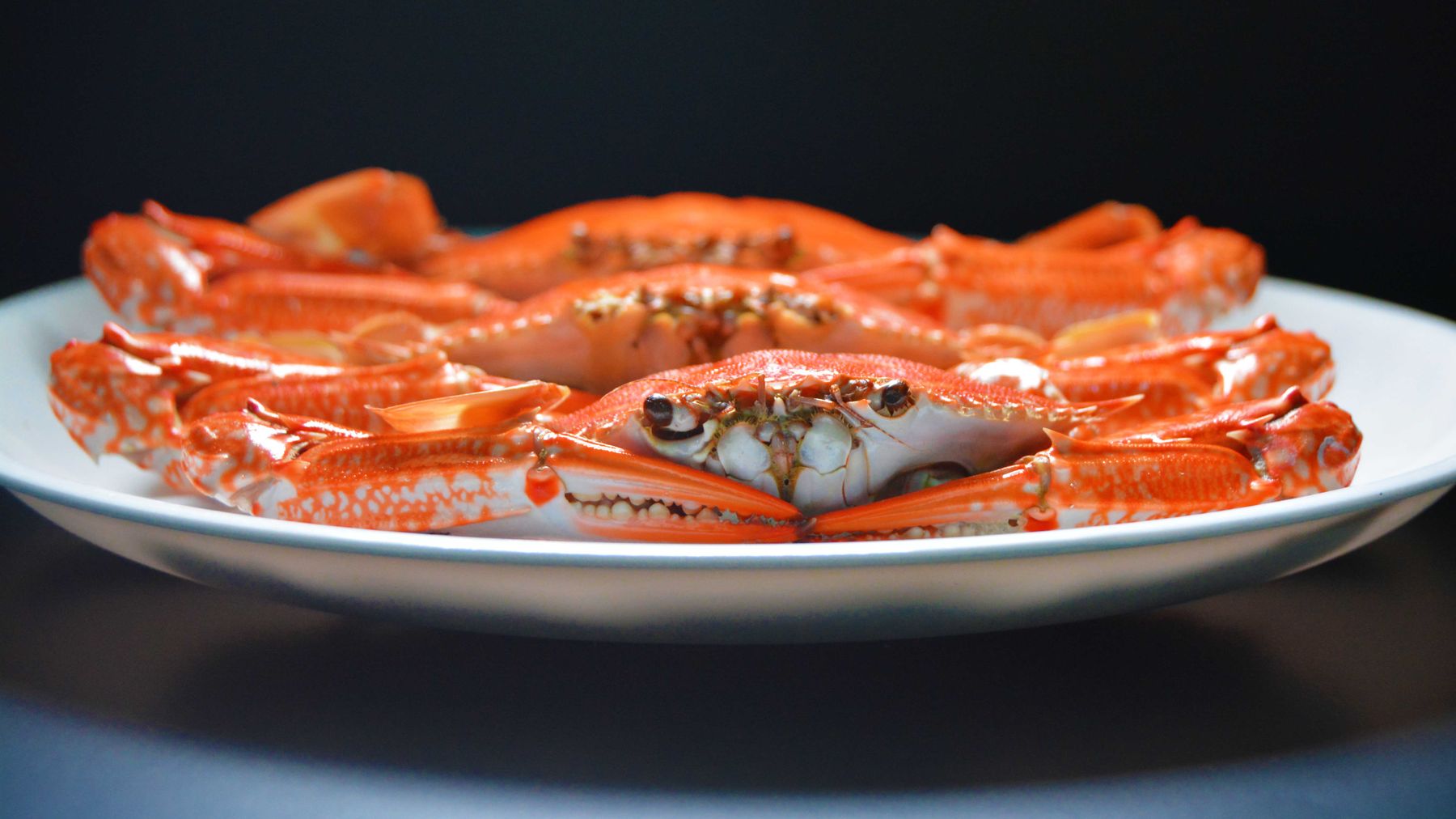
Photo by Jaradah Fish on Pexels
Where to stay
Most travelers visit Tam Giang as a day trip from Hue and sleep in the city. Budget guesthouses in Hue run 200,000–400,000 VND/night; mid-range hotels with air conditioning and breakfast sit around 600,000–1,200,000 VND.
If you want to stay at the lagoon itself, a few homestays in Quang Loi and nearby villages offer basic rooms for 250,000–400,000 VND/night. These are simple — fan rooms, shared bathrooms, mosquito nets — but they put you on the water at sunrise without the commute. Book through local tourism cooperatives or ask at Hue tourist offices.
Practical tips locals would tell you
- Bring sunscreen and a hat. The lagoon has zero shade. Even on overcast days, the water reflects enough UV to burn.
- Carry cash. There are no ATMs at the lagoon. Bring enough VND for boat trips, food, and drinks.
- Negotiate boat prices before boarding. Agree on duration and cost upfront. Having your guesthouse or a Vietnamese-speaking friend call ahead helps.
- Mosquito repellent matters at dusk. The lagoon is prime mosquito territory once the sun drops.
- Wear shoes you don't mind getting wet. Boarding boats involves wading through shallow water and mud.
Common mistakes to avoid
- Arriving midday. The light is flat, the heat is brutal, and most fishermen are resting. Come at dawn or late afternoon.
- Expecting a boardwalk or visitor center. Tam Giang is a working lagoon, not a developed attraction. That's the point, but adjust expectations.
- Skipping the food. Some visitors boat around, take photos, and leave without eating. The seafood here — fresh from the water that morning — is half the reason to come.
- Only visiting Hue's imperial sites. The Tomb of Tu Duc and the Imperial Citadel deserve your time, but Tam Giang gives you a completely different texture of Hue. Don't skip it because it's not in the guidebook top five.
Last updated · May 29, 2026 · independently researched, never sponsored.