Thac Bao Dai sits about 15 km southwest of central Da Lat, tucked into pine forest at roughly 1,200 meters elevation. It's not the biggest waterfall in the highlands, but the setting — cool air, multiple tiers dropping through mossy rock, and far fewer tour buses than Datanla or Elephant Falls — makes it worth the detour.
What it is and why it's called Bao Dai
The waterfall is named after Bao Dai, Vietnam (베트남 / 越南 / ベトナム)'s last emperor, who reportedly used the surrounding forest as a retreat during the French colonial period. Da Lat was his preferred escape from the heat of the lowlands, and several sites around the city still carry his name — the Bao Dai Summer Palace being the most visited. The waterfall itself drops across several rock shelves over a total height of around 30 meters, feeding into a clear pool at the base. The forest canopy is dense here, so even on bright days the light filters through in patches. It feels noticeably cooler than Da Lat town, which is already cooler than anywhere else in southern Vietnam.
Administratively, this area now falls under the expanded Lam Dong province following the 2025 merger with Dak Nong and Binh Thuan. For travelers, nothing changes on the ground — you're still heading to Da Lat (달랏 / 大叻 / ダラット) as your base.
Why travelers go
Most people come because they want a waterfall experience without the carnival atmosphere that has overtaken some of Da Lat's more famous falls. There are no alpine coasters bolted to the hillside here, no loudspeaker music. The trail down is a proper walk through forest, steep in places, and that filters out a good chunk of the casual crowd. If you've been in Da Lat for a couple of days and want something quieter after the night market and the usual circuit, this is a solid half-day option.
Best time to visit
Da Lat's dry season runs roughly from November through March. The waterfall still flows year-round, but visiting between December and February means you'll deal with less mud on the trail and clearer skies for the drive out. The rainy season (May to October) makes the falls more dramatic — heavier water volume, mist rising off the rocks — but the path gets slippery and genuinely tricky in spots. If you go in the wet months, wear proper shoes, not sandals.
Weekday mornings are best regardless of season. By mid-afternoon on weekends, domestic tour groups start arriving.
How to get there from Da Lat
From the center of Da Lat, it's about 15 km heading southwest on DT725 toward Lam Ha district. The drive takes 25-35 minutes by motorbike depending on how aggressively you negotiate the curves.
- Motorbike rental: 120,000-180,000 VND/day for a semi-auto. This is the most practical option — the road is paved the whole way but narrow in sections, so a car feels excessive.
- Grab car: Around 150,000-200,000 VND one way. Getting a return Grab from the falls can be hit or miss, so consider asking the driver to wait (negotiate a round-trip fare, roughly 350,000-400,000 VND including wait time).
- Organized tour: Some Da Lat day tours bundle Thac Bao Dai with other waterfalls and the Langbiang area. These run 400,000-600,000 VND per person but you'll spend limited time at each stop.
Entrance fee at the falls is 30,000 VND per person.

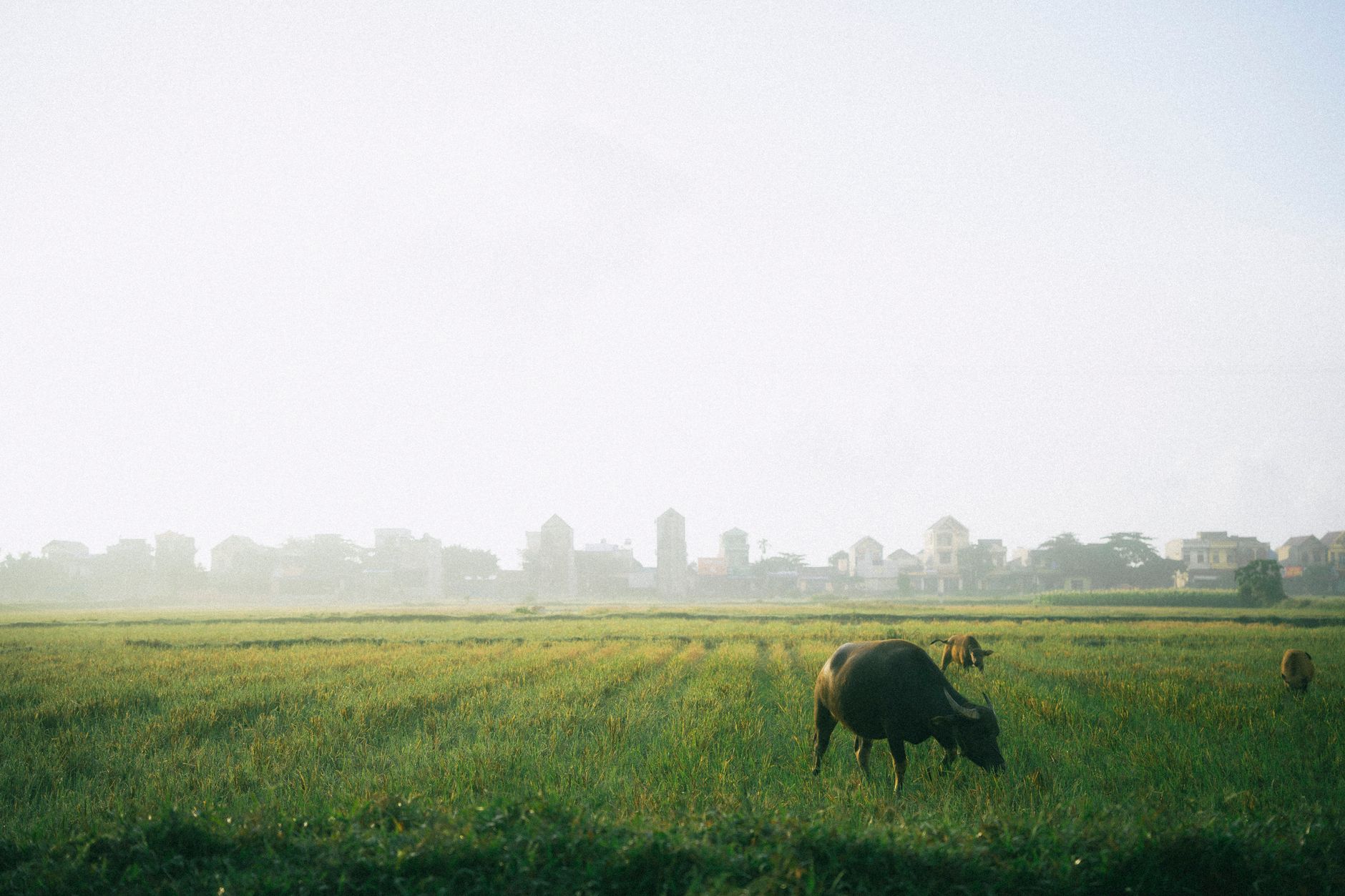
Photo by Quang Nguyen Vinh on Pexels
What to do
Walk the full trail, not just the viewpoint
Most visitors stop at the first overlook near the top tier. The trail continues down to the base pool — it takes another 15-20 minutes and the steps are uneven, but the bottom is where you actually feel the falls. Bring a dry bag for your phone.
Swim in the base pool
The pool at the bottom is swimmable in the dry season when the current is manageable. The water is cold — properly cold, not refreshing-cold — so don't expect to linger. There are no changing rooms, so wear your swimsuit under your clothes.
Have coffee at the top
There's a small cafe near the entrance gate selling Da Lat-grown coffee. It's nothing fancy, but sitting with a "ca phe sua da" at altitude with pine trees overhead is a specific kind of pleasant. 25,000-35,000 VND per drink.
Photograph the middle tier
The middle section of the falls, where water splits across two rock faces, is the most photogenic angle. There's a narrow spur trail that branches left about halfway down — easy to miss if you're not looking. The light is best before 10 AM.
Combine with Langbiang Mountain
Langbiang peak is roughly 12 km north of Da Lat and on the same general circuit. You can do both in a day if you start early: Langbiang in the morning (the jeep ride up takes 15 minutes, or hike for 2-3 hours), then Thac Bao Dai in the afternoon.
Where to eat nearby
There's almost nothing at the waterfall itself beyond the small cafe. Eat before or after in Da Lat.
- "Banh canh" with chicken or pork: The thick tapioca noodle soup is a Da Lat staple. Try the stalls along Ngo Quyen street — a bowl runs 35,000-50,000 VND.
- "Banh mi" xiu mai (meatball banh mi): A Da Lat-specific variation where the baguette comes with a small bowl of tomato-braised meatballs for dipping. Le Thi Rieng street near the main market has a couple of well-known carts. About 25,000 VND.
For a proper sit-down meal, head back to central Da Lat where options are much wider.
Where to stay
Stay in Da Lat itself — there's no accommodation at the waterfall and no reason to sleep out that way.
- Budget: Hostels and basic guesthouses near the Da Lat market area run 150,000-300,000 VND/night.
- Mid-range: Boutique hotels around Xuan Huong Lake or the Tran Phu corridor go for 500,000-1,200,000 VND/night. Many have balconies with pine-forest views.
- Splurge: A handful of resort properties (Ana Mandara, Terracotta) are priced at 2,000,000-4,000,000 VND/night and sit on the outskirts with more space and quiet.
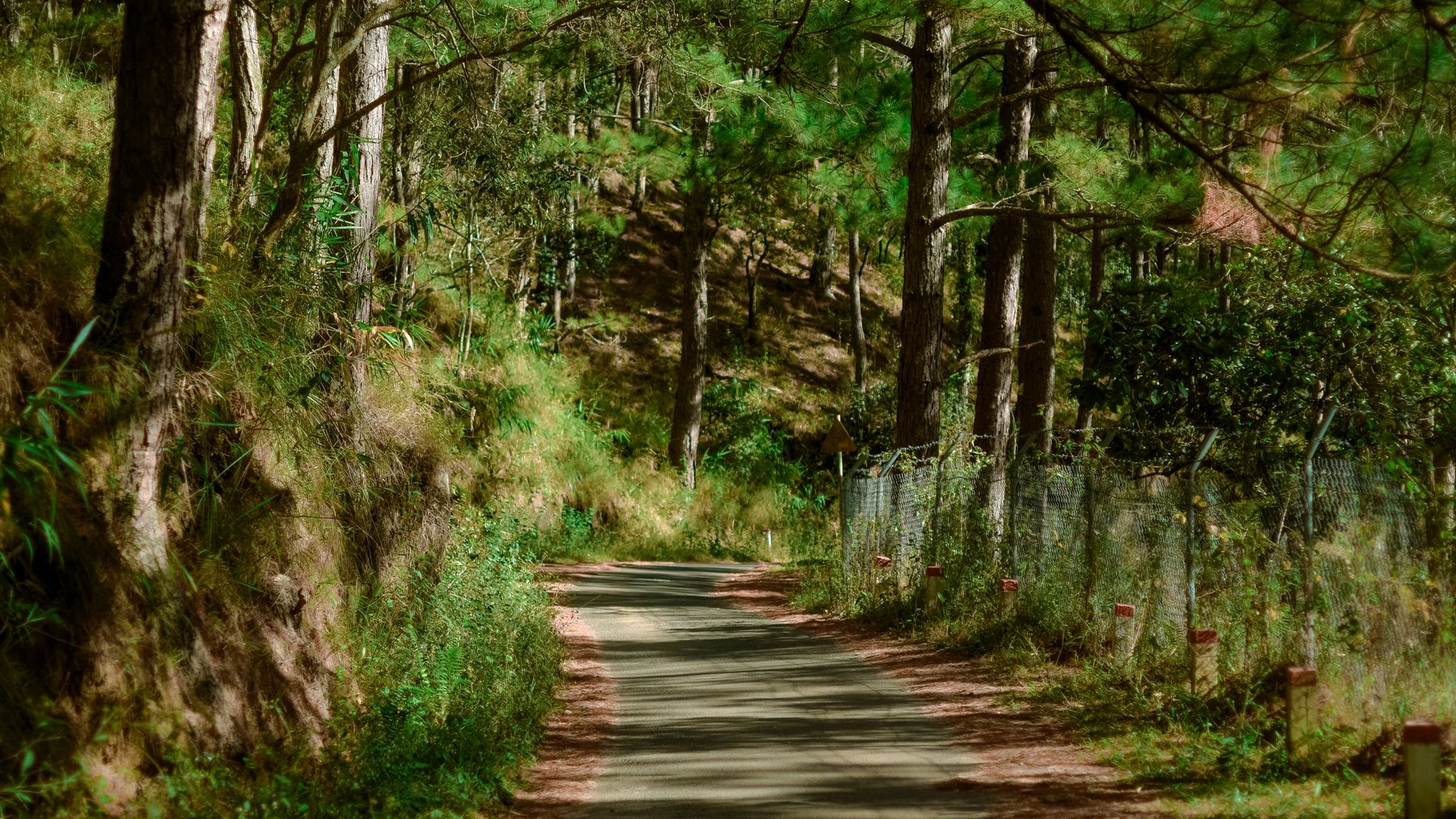
Photo by Dongdilac on Pexels
Practical tips locals would tell you
- Bring a light jacket. Even in the dry season, the temperature at the falls can drop to 16-18°C in the morning.
- Wear shoes with grip. The stone steps near the lower tiers get mossy and wet from spray regardless of season.
- Bring cash. The entrance gate and the cafe don't take cards.
- Start early. The falls face east, so morning light hits the water directly. By afternoon, the gorge is in shadow.
Mistakes to avoid
- Going in flip-flops: The trail is steep and uneven. People slip every single day. Bring proper footwear.
- Only visiting the top viewpoint: You'll see about 30% of the waterfall and miss the best part. Commit to the full descent.
- Visiting on a weekend afternoon: Domestic tour groups arrive between 1-4 PM on Saturdays and Sundays. The trail is narrow and there's no good way to pass large groups on the steps.
- Expecting facilities: There are no lockers, no towel rental, no proper restrooms beyond a basic toilet at the entrance. Plan accordingly.
Practical notes
Thac Bao Dai is a half-day trip from Da Lat, best paired with Langbiang or a coffee farm visit. It rewards people willing to walk the full trail and punishes those in sandals. Budget around 250,000-400,000 VND total including transport, entrance, and coffee.
Last updated · May 26, 2026 · independently researched, never sponsored.