
Why Dak Lak Exists on Most Itineraries (and Why It Shouldn't Be a Blur)
Dak Lak Province, in Vietnam's Central Highlands (중부 고원 / 中部高原 / 中部高原), sits at the intersection of three things: coffee money, ethnic diversity, and outdoor access. Most travelers zip through on the way to Saigon or Da Lat, hitting the elephant sanctuaries and leaving. That's a mistake. The province rewards slower travel—a few days lets you move past tourist checkpoints and into actual coffee farms, M'nong villages, and waterfalls where you won't see 50 other visitors.
Top Sights That Are Worth Your Time
Yok Don National Park
This 1,200 sq km park is the primary reason people come to Dak Lak, and deservedly so. Unlike elephant camps in Thailand or northern Vietnam (베트남 / 越南 / ベトナム), Yok Don is a protected forest with a functional ecosystem. You'll see wild elephants (though sightings aren't guaranteed), gaur, muntjac, and hornbills. The park sits on the Serepok River, which forms the border with Cambodia.
The official entry is near Buon Ma Thuot, about 40 km north. Guides are mandatory (arrange via the park office or your hotel). A full-day trek costs around 500,000–800,000 VND per group; a two-day overnight trek with camping is 1.2 million–1.8 million VND. The overnight option is vastly better—you'll be deeper in forest at dawn when wildlife moves.
Bring insect repellent, sturdy boots, and realistic expectations. Elephants are shy. You're more likely to hear them than see them. But the forest itself is worth the cost: dense canopy, lianas, the sound of gibbons at dawn.
Lak Lake
Lak Lake (Ho Lak) is a 50 sq km freshwater lake ringed by forested hills and M'nong villages. It's scenic without being dramatic—no white-water energy, no limestone karst. Its appeal is quiet and slow-paced.
You can rent a motorboat (300,000–400,000 VND for half a day) or kayak from the main pier near Lak village. Most visitors stop at one or two floating fish farms and a M'nong settlement. If you go at dusk, the light across the water is genuinely lovely. Some guesthouses offer homestays on the lake's east shore; staying overnight here beats staying in Buon Ma Thuot city.
Buon Ma Thuot City
Dak Lak's capital isn't a tourist stronghold, which is exactly why it's worth a few hours. The city center is walkable and low-key. Visit Ton Duc Thang Museum (free entry), a small but earnest place with colonial photographs and agricultural history. Grab coffee at a local "ca phe sua da" shop on Ly Thuong Kiet Street—the beans here are roasted within 50 km of where you're sitting.
The Central Highlands Coffee Museum on Nguyen Chi Thanh Street is a newer addition; it's touristy but informative if you're curious about how Dak Lak became the world's second-largest coffee producer (after Brazil). Entry is 50,000 VND.
Hidden Gems and Quieter Experiences
Coffee Farm Visits (Not Tourist Plantations)
The best coffee experiences aren't at branded "coffee tours." Instead, rent a motorbike or hire a driver and visit working farms in the hills around An Khe, Buon Ma Thuot, or Thuan Chau districts. Many smallholders welcome visitors if you show up respectfully and ask permission—your guide or hotel can facilitate this.
You'll learn more drinking coffee on someone's porch while they explain their harvest than on any organized tour. Expect to spend a few hours and buy some beans (around 150,000–250,000 VND per kg for decent arabica).
Dray Nur and Dray Sap Waterfalls
These twin waterfalls lie about 20 km south of Buon Ma Thuot, near the town of Ea Sup. Dray Nur is the smaller, more accessible cascade; Dray Sap is more dramatic, dropping 15 meters into a pool ringed by jungle.
The sites are mildly developed—a parking area, some wooden platforms, a few food stalls. It's not pristine, but it's also not swarming with tour groups. A motorbike trip from the city takes 45 minutes each way. The waterfalls are worth an afternoon dip if the water level is high (September–November); in dry season they're underwhelming.
Krong Kmar Lake and Ede Village
West of Buon Ma Thuot, Krong Kmar Lake is a small artificial reservoir surrounded by Ede settlements. It's largely ignored by tourists, which makes it ideal. You can hire a boat (around 300,000 VND) or take a motorbike through the villages and stop for lunch at a family's house.
Ede people are traditionally animist and historically raised water buffalo and cultivated dry rice. Many still live in stilt houses. The hospitality is genuine, and the pace is genuinely quiet.

Photo by SABIK NISAM on Pexels
Cultural Experiences
M'nong and Ede Villages
The Central Highlands are home to several ethnic minorities. M'nong and Ede are the largest around Dak Lak. Both have distinct architecture, agriculture, and festivals.
Instead of booking a village "tour," hire a guide who actually speaks the language and is from that ethnic group. Ask your hotel or the provincial tourism office. You'll spend less than a standard tour and see a more honest interaction.
The best times to visit are during local holidays: Tet / 越南春节 / テト) Trung Thu (mid-autumn festival) and Tet Doan Ngo (summer solstice) bring communal celebrations, though tourist presence is rising.
Homestay Nights
Several villages around Lak Lake and in the Chu Prong area offer homestays in traditional stilt houses. You'll eat meals with the family, help with daily tasks, and sleep on a mat (bring your own sleeping bag or use what they provide). Costs are 200,000–400,000 VND per night, including food.
This is slow tourism at its best. You're not seeing much—you're being present with a family for 24 hours.
Outdoor Activities
Trekking
Beyond Yok Don, several multi-day treks are possible in the Chu Prong Plateau and around Buon Trip. Routes pass through tea plantations, old-growth forest, and minority villages. A three-day trek costs around 2 million–3 million VND (guide, meals, accommodation).
Go with a reputable local guide, not a Hanoi-based operator booking a stranger. Your hotel can recommend guides; ask about their experience and language skills.
Motorbike Riding
The roads through Dak Lak's hills are excellent for riding—smooth asphalt, not heavily trafficked, scenic views of forest and villages. A one-day loop covering Lak Lake, Dray Nur, and a coffee farm visit is around 150 km and very doable. Rent a motorbike in Buon Ma Thuot (150,000–200,000 VND/day) and pick a route with your guesthouse staff.
Fishing and Boating
Lak Lake is known for freshwater fishing. Local guides offer sunset fishing trips (around 500,000 VND for two people, four hours). It's peaceful and low-pressure—the fish don't always bite, but the lake at dusk is worth the price alone.
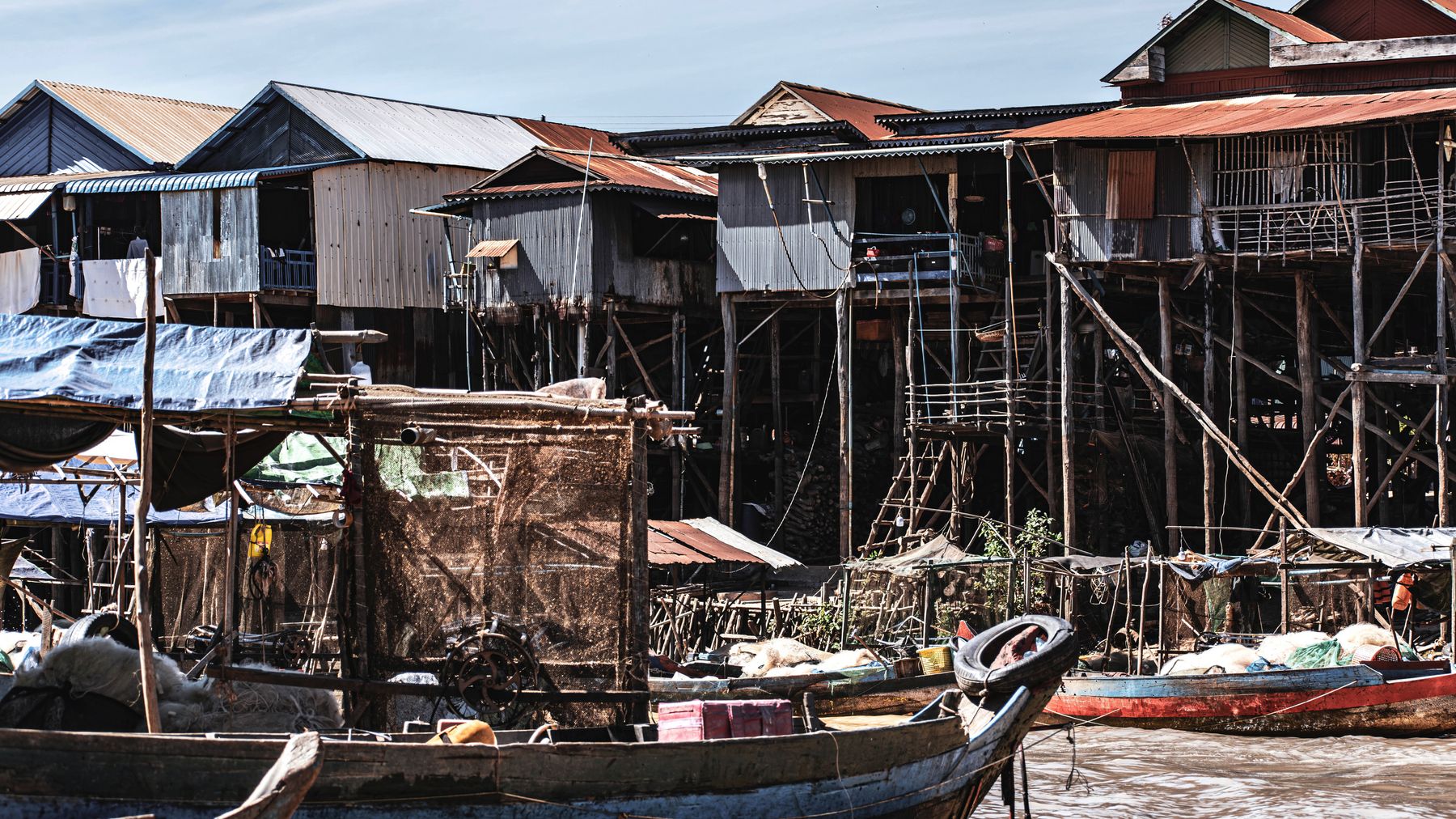
Photo by Karolina on Pexels
Day-Trip Ideas from Buon Ma Thuot
Morning: Yok Don park hike, afternoon: return for lunch and explore the city center, evening: coffee at a local cafe. This is a solid single-day intro to the province.
Alternative: Motorbike loop—Dray Nur waterfall, Krong Kmar Lake, coffee farm, return by dusk. Quieter than the tourist trail, better food at village restaurants.
Multi-day option: Three days combining Lak Lake homestay, Yok Don overnight trek, and a Chu Prong trek. You'll see most of Dak Lak's highlights and meet local people genuinely.
What to Skip
Elephant rides. Even the more "ethical" camps are problematic—elephants shouldn't carry human weight on their backs for hours. Yok Don's trek-based approach (hiking alongside wild elephants) is better if you want to see them.
Mass-market "tribal" tours. Tours that bundle three villages into one afternoon, with guides who don't speak the local language, are performative and disrespectful. Slow down instead.
Resort hotels in Buon Ma Thuot city. The five-star properties here are overpriced and isolate you from the city's actual character. Stay at a guesthouse in the central district and walk to restaurants.
Souvenir shops on the main drag. Overpriced and generic. If you want crafts, buy directly from village vendors or at the morning market (Cho Dem) in Buon Ma Thuot, where locals shop.
Practical Notes
Dak Lak's best season is October–March (cool, dry). July–September brings heavy rain and leeches in the forest. Allow three to four days minimum to avoid rushing; many travelers speed through in one day and miss everything.
Buon Ma Thuot airport has direct flights to Hanoi and Saigon, but they're sporadic. Traveling by bus from Da Lat (5 hours) or Saigon (12 hours) is more reliable. English is limited outside hotels; a translation app and patience help.
When you hire guides or book treks, ask about their background and experience upfront. The best guides grew up in the region and genuinely want to teach—not perform.
Last updated · May 29, 2026 · independently researched, never sponsored.







