Day 1-3: The Saigon Pulse
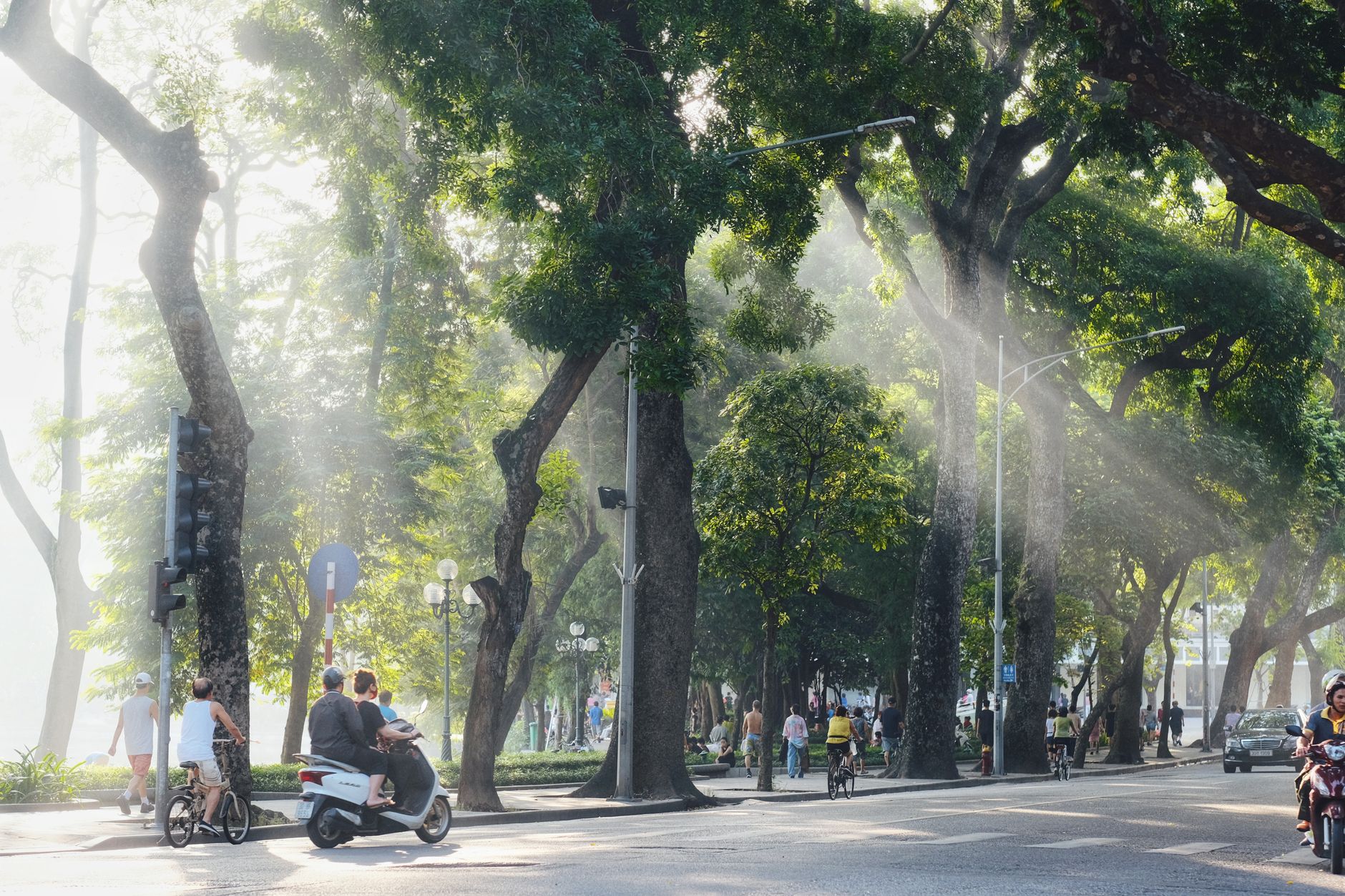
Start in Saigon, where the food scene moves at a frantic, rewarding pace. Spend your first morning at a local market—skip the tourist-heavy Ben Thanh and head to a neighborhood spot like Tan Dinh Market. Grab a bowl of "bun rieu" for breakfast, the tomato-based crab noodle soup that defines the city's morning rhythm.
Spend your afternoons navigating the alleyways of District 3. This is where you find the best "com tam" (broken rice) served with grilled pork chops and a side of pickled vegetables. For a mid-day break, find a quiet corner for "ca phe sua da." By evening, head to the sidewalk stalls for "banh xeo," the crispy turmeric-infused crepes stuffed with pork and shrimp. Wrap up your Saigon stint with a late-night "banh mi" from a street cart—look for the one with the longest line of locals.
Day 4-5: Coastal Flavors in Mui Ne
Take a morning bus or private car from Saigon (사이공 / 西贡 / サイゴン) to Mui Ne. The drive takes about 4 to 5 hours. Once you arrive, the pace shifts from urban chaos to coastal calm. Mui Ne is famous for its seafood, but specifically for "goi ca mai," a raw fish salad made from a local herring-like fish, served with a peanut and herb dipping sauce.
Spend your time here exploring the fishing village at dawn. You will see the catch of the day being hauled in. For dinner, find a shack along the beach that specializes in grilled scallops with scallion oil and peanuts. It is simple, fresh, and best enjoyed with a cold beer while listening to the tide.

Photo by HONG SON on Pexels
Day 6-9: Highland Harvest in Da Lat
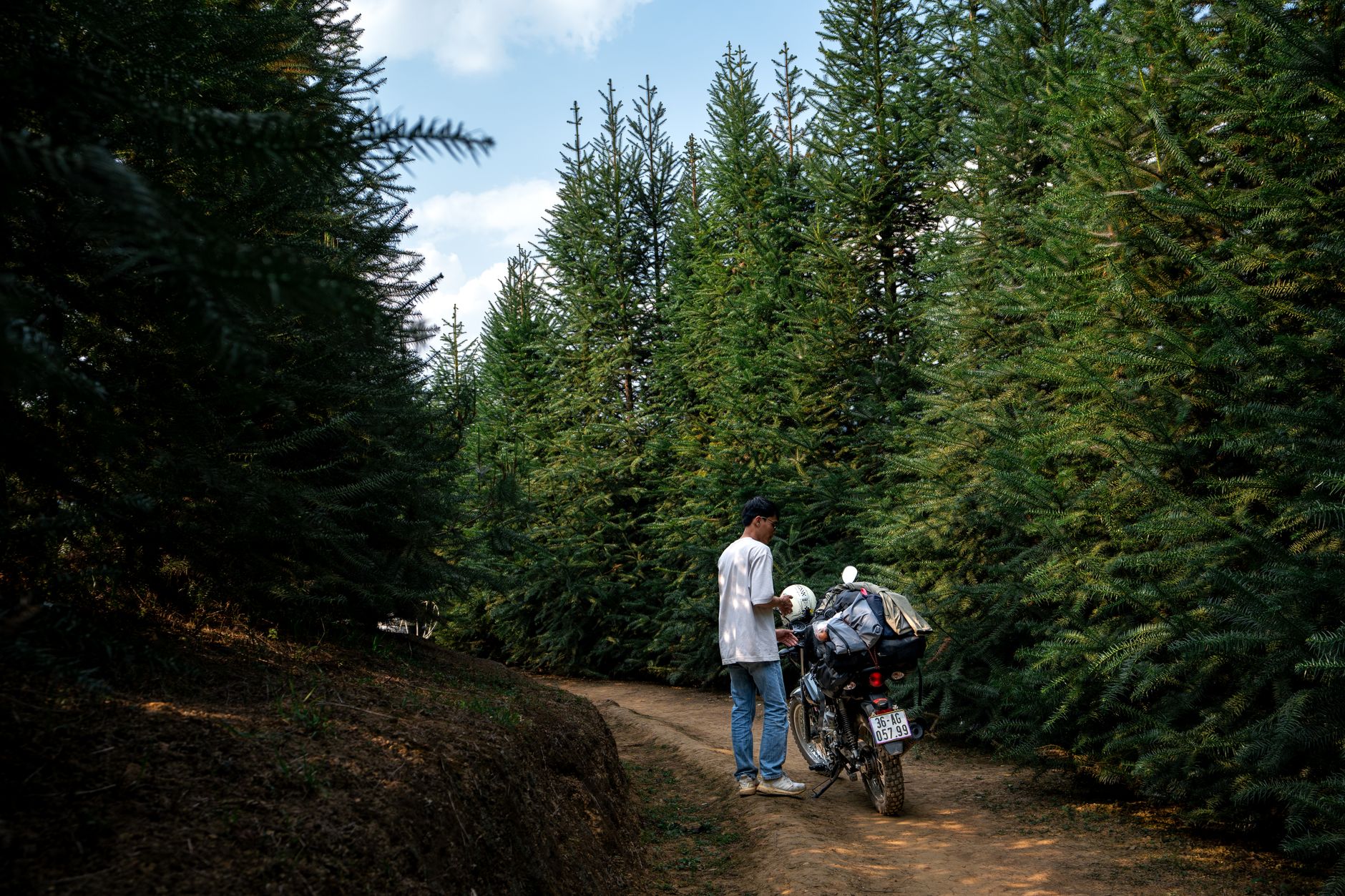
Travel from Mui Ne to Da Lat by bus or private car, a winding 4-hour journey that climbs into the Central Highlands (중부 고원 / 中部高原 / 中部高原). The temperature drops significantly, which changes the food culture entirely. Da Lat is the garden of Vietnam, and the produce here is the star.
Start your mornings with "banh can," small, crispy rice flour cakes cooked in clay molds, topped with quail eggs or ground pork. Because of the cool air, Da Lat is the perfect place to hunt for hot pots. Try "lau ga la e," a chicken hot pot with lemon basil leaves that is aromatic and warming. In the evenings, head to the Da Lat night market to grab "banh trang nuong," often called Vietnamese pizza, grilled over charcoal on the sidewalk.
Spend your days visiting the local farms. The strawberries and artichokes here are legendary. If you need a caffeine fix, look for cafes that roast their own highland beans; the "vietnamese coffee" here has a distinct, nutty profile compared to the darker roasts found in the south.

Photo by Quang Nguyen Vinh on Pexels
Day 10: Return to Saigon
Take a short flight from Lien Khuong Airport in Da Lat back to Saigon. Use your final day to revisit your favorite spots or try one last dish you missed, perhaps a bowl of "hu tieu" or a plate of "cha gio" at a local eatery. Saigon is a city that demands a second look, and you will likely find something new even on your final afternoon.
Practical notes
Transport between these cities is best handled by "limousine" vans, which offer more legroom and direct hotel-to-hotel service than standard buses. Always carry a light jacket for Da Lat, as the temperature can drop to 15 degrees Celsius at night, even when the rest of the country feels like a sauna.
Last updated · May 30, 2026 · independently researched, never sponsored.