Most travelers stick to the coast between Da Nang and Hue, but the real character of Central Vietnam lies in the rugged interior. This itinerary swaps beach loungers for mountain passes and local markets, focusing on the highlands where the air is cooler and the pace of life slows down significantly.
Day 1 — Arrival in Da Lat
Arrive in Da Lat, the gateway to the Central Highlands (중부 고원 / 中部高原 / 中部高原). Skip the crowded central market for now and head straight to the outskirts near Tuyen Lam Lake. Spend your first afternoon acclimating to the altitude. Grab a "vietnamese coffee" at a local roastery—the beans here are some of the best in the country. Dinner should be simple: look for a roadside stall serving "banh can", small rice flour pancakes cooked in clay molds.
Day 2 — Trekking the Lang Biang Foothills
Head north of the city to the Lang Biang plateau. Instead of the main tourist summit, hire a local guide to take you through the pine forests toward the smaller, less-traveled ridges. You will pass through small vegetable farms where the K'Ho people cultivate artichokes and coffee. The terrain is rolling, not vertical, making it a perfect introduction to the region’s geography.
Day 3 — Coffee Culture and K'Ho Villages
Spend the day in the village of Bon D'reng. This is an opportunity to see how coffee production integrates with daily life. Many families here operate small-scale processing units. In the evening, try to find a place serving "nem chua" and local rice wine, which is often shared during community gatherings.
Day 4 — Transit to Kon Tum
This is a long travel day (approx. 250km). Take a private car or local bus north toward Kon Tum. The road winds through the Annamite Range, offering a look at the transition from the lush highlands to the more arid northern plateau. Stop in Pleiku for a bowl of "pho (쌀국수 / 越南河粉 / フォー)" dry noodles, a regional variation that is distinct from the northern style.

Photo by Quang Nguyen Vinh on Pexels
Day 5 — The Bahnar and Jarai Communities
Kon Tum is the heart of the Bahnar and Jarai ethnic cultures. Spend the day visiting the "rong" houses—the tall, communal steeples that serve as the center of village life. These structures are built with bamboo and thatch, standing as architectural landmarks of the region. Respect the local customs; always ask permission before taking photos of the interior.
Day 6 — Trekking the Dak Bla River
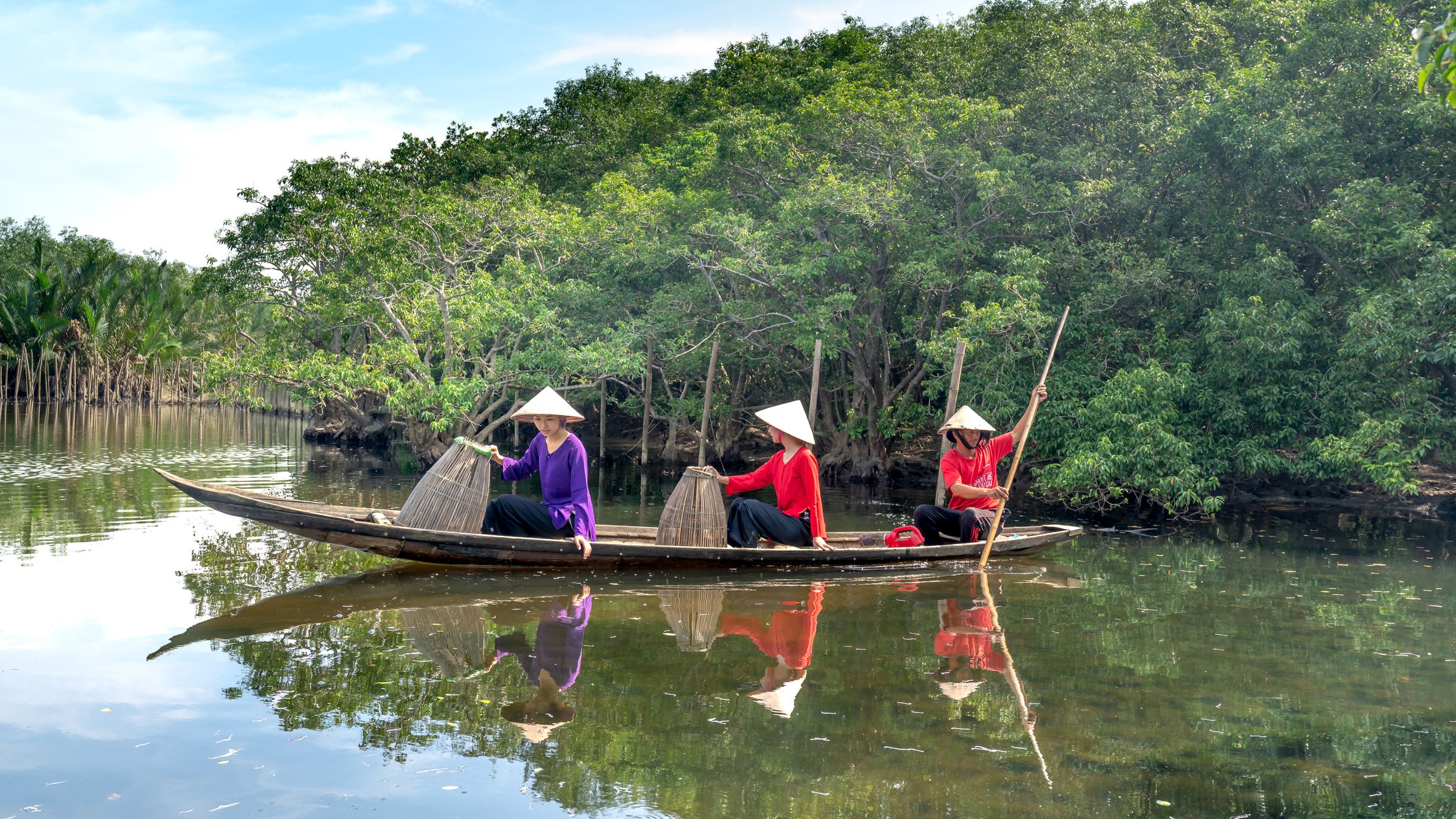
Take a light trek along the banks of the Dak Bla River. The trail connects several small villages where you can see traditional weaving techniques. The pace here is slow. You aren't looking for a summit; you are looking for the rhythm of the river and the daily routines of the people who live along it.
Day 7 — Moving Toward the Coast: Quy Nhon
Descend from the highlands toward the coast. The drive to Quy Nhon takes you through dramatic mountain passes. As you reach the sea, the temperature will spike. Check into a guesthouse near the harbor. For dinner, seek out "banh xeo" filled with fresh local shrimp, a staple of this coastal city.

Photo by Tho Ta on Pexels
Day 8 — Coastal Culture and Cham Ruins
Before leaving the coast, visit the Po Nagar towers near the city. These remnants of the ancient Cham civilization provide a stark contrast to the wooden architecture of the highland villages you visited earlier. Spend the afternoon swimming at a quiet beach like Bai Xep, which remains relatively untouched compared to the resorts in Da Nang.
Day 9 — Return to the Highlands: The Road to Hue
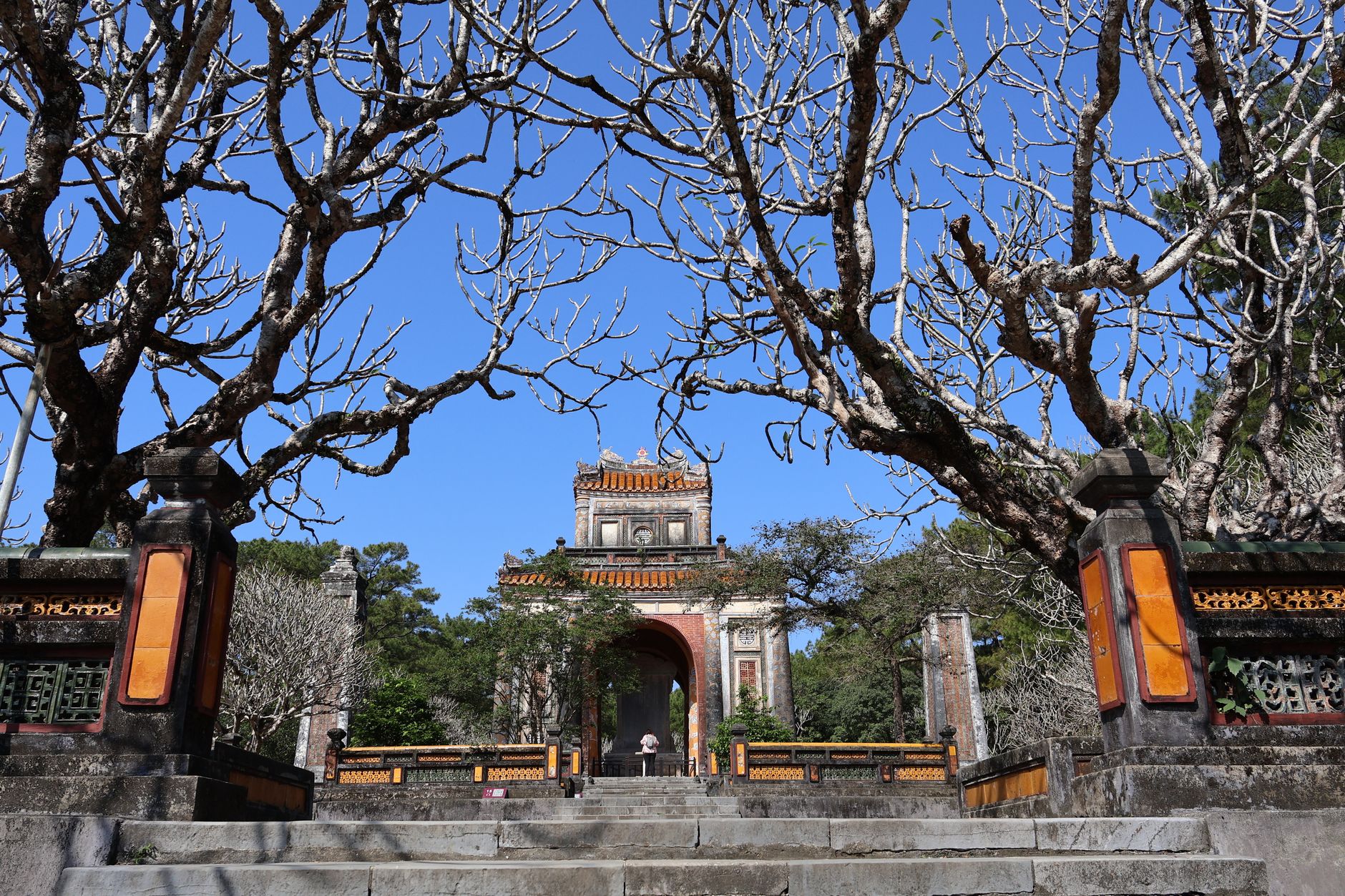
Travel north toward Hue. While the city is famous for the "Imperial Citadel Thang Long" (note: this is a historical site reference), focus your time on the outskirts. Visit the "Tomb of Tu Duc" or the "Tomb of Khai Dinh" in the late afternoon when the tour buses have departed. These sites offer a quiet look at the royal history of the region.
Day 10 — Departure from Hue
Spend your final morning walking the banks of the Perfume River. Grab a final "bun bo hue" from a street vendor—the broth here is significantly punchier than what you will find in Saigon or Hanoi. Reflect on the journey from the highland coffee farms to the royal tombs before heading to the airport.
Practical notes
Pack layers; the highlands can drop to 15°C at night even if the coast is 30°C. Always hire a local guide when trekking in the highlands to ensure you are respecting village boundaries and supporting the local economy directly.
Last updated · May 30, 2026 · independently researched, never sponsored.