Central Vietnam (베트남 / 越南 / ベトナム) is often treated as a series of disconnected stops, but there is a distinct rhythm to moving south from the limestone massifs of the interior toward the low-lying coast. This 10-day route prioritizes depth over breadth, giving you enough time to actually sit with a bowl of "bun bo hue" in its home city or find a quiet alley in Hoi An before the tour buses arrive.
Day 1-3 — The Karst Country of Phong Nha
Arrive in Dong Hoi and take the 45-minute transfer to Phong Nha village. Most travelers rush through, but three days allows you to escape the main boat queues. Use your first day to rent a motorbike and ride the loop toward the botanical gardens. On day two, skip the standard tourist boat and book a trekking-focused cave tour. These operators take you deeper into the system, often involving a 5-10km hike through the jungle before you even reach the water. On your third day, visit the "Tung Cave" area or simply find a local cafe overlooking the Son River to watch the sunset with a "vietnamese coffee".
Day 4 — The Transit to Hue
Take the morning bus or a private car from Phong Nha to Hue. The drive takes about 5 to 6 hours. It is a long haul, but the landscape shifts from dramatic, jagged limestone peaks to the rolling, tea-covered hills of Quang Tri province. Arrive in Hue by mid-afternoon, check into a hotel near the Perfume River, and head straight for a bowl of local "bun bo hue (분보후에 / 顺化牛肉粉 / ブンボーフエ)". The broth here is significantly punchier than what you find in Saigon.

Photo by Quang Nguyen Vinh on Pexels
Day 5-6 — Imperial Hue
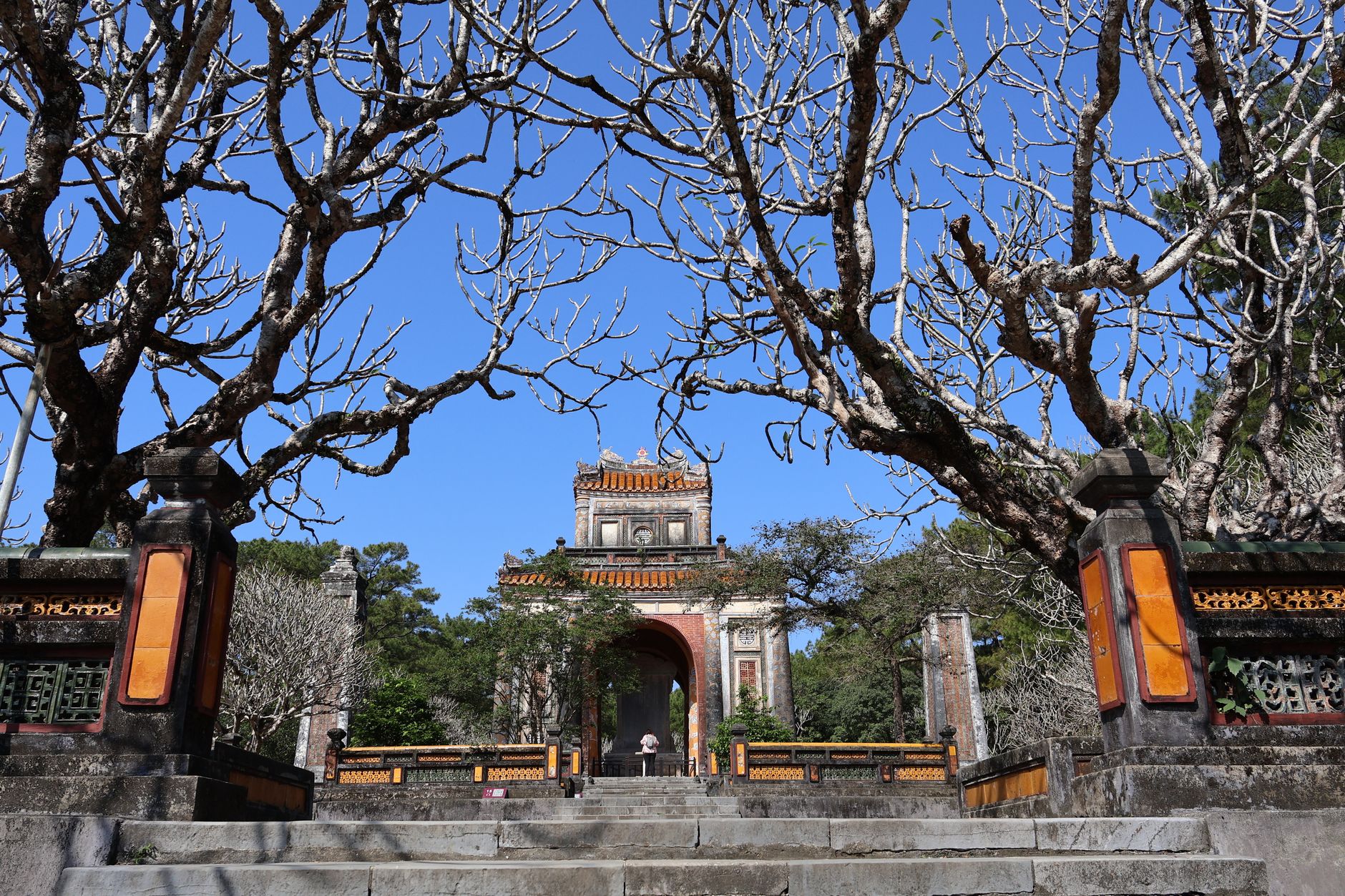
Hue is a city of slow movement. Spend your first day exploring the "Imperial Citadel Thang Long" (the local version) and the surrounding moats. On day six, rent a bicycle and head south along the river to visit the "Tomb of Tu Duc" and the "Tomb of Khai Dinh". These sites are best visited early—around 7:30 AM—to avoid the heat and the crowds. In the evening, look for small street stalls serving "banh beo" or "banh nam", the delicate steamed rice cakes that define the local snack culture.
Day 7 — The Pass to Hoi An
Travel from Hue to Hoi An by private car. This is the most scenic leg of the trip. Ask your driver to take the Hai Van Pass rather than the tunnel. It adds about 45 minutes to the journey but offers views of the coastline that you simply cannot get otherwise. You will pass through Da Nang, but keep moving south until you reach the quieter outskirts of Hoi An.

Photo by Quang Nguyen Vinh on Pexels
Day 8-10 — Hoi An and the Coast
Once in Hoi An, the goal is to avoid the Ancient Town between 10:00 AM and 4:00 PM. Use the morning for a bicycle ride through the rice paddies toward An Bang beach. For lunch, find a spot serving "cao lau", the signature noodle dish that uses water from the local ancient wells. Spend your afternoons exploring the quieter residential streets on the edge of the town, where the architecture is less polished but more authentic. On your final day, take a short boat trip to "Cu Lao Cham" if the weather permits, or simply spend the day reading in a cafe with a glass of "lotus tea".
Practical notes
Transport between these cities is best handled via private car hire if you have a group of three or more; it is surprisingly affordable and allows for photo stops on the mountain passes. Always carry cash in VND for street food, as smaller vendors in Phong Nha and Hue rarely accept cards. If you visit during the rainy season (October to December), expect flooding in Hue and Hoi An; check local weather reports before booking your transport.
Last updated · May 30, 2026 · independently researched, never sponsored.