A few kilometers from Cao Bang town, the valley of Bang Ang turns white for about six weeks every winter. Plum trees — thousands of them, planted by Tay and Nung families over generations — bloom along the hillsides and rice terraces in late January and into February, well before the rest of the north shakes off the cold. It is not a tourist site in any organized sense. There are no ticket booths, no official lookout platforms. That is exactly why it is worth the trip.
Where Bang Ang Actually Is
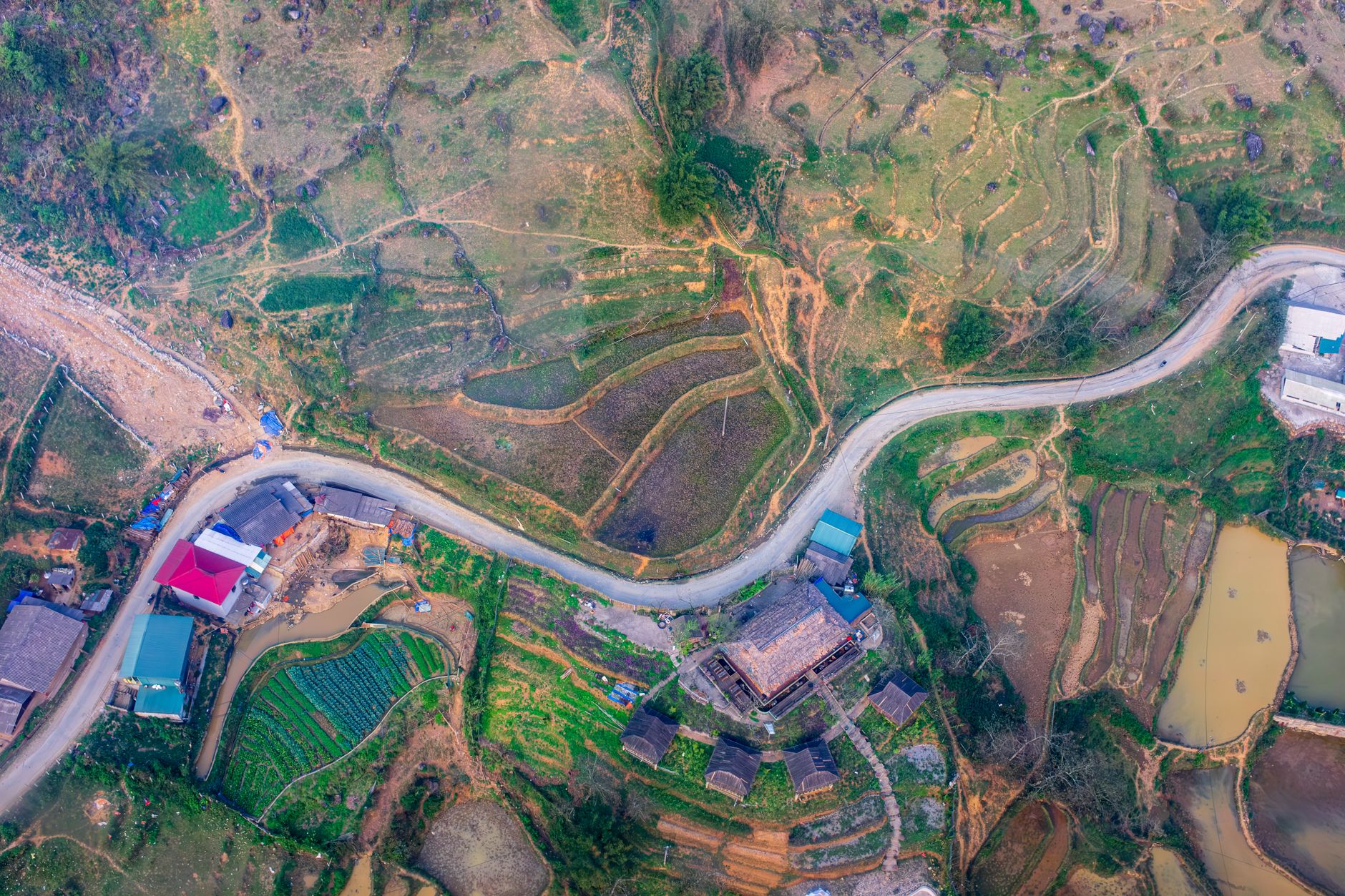
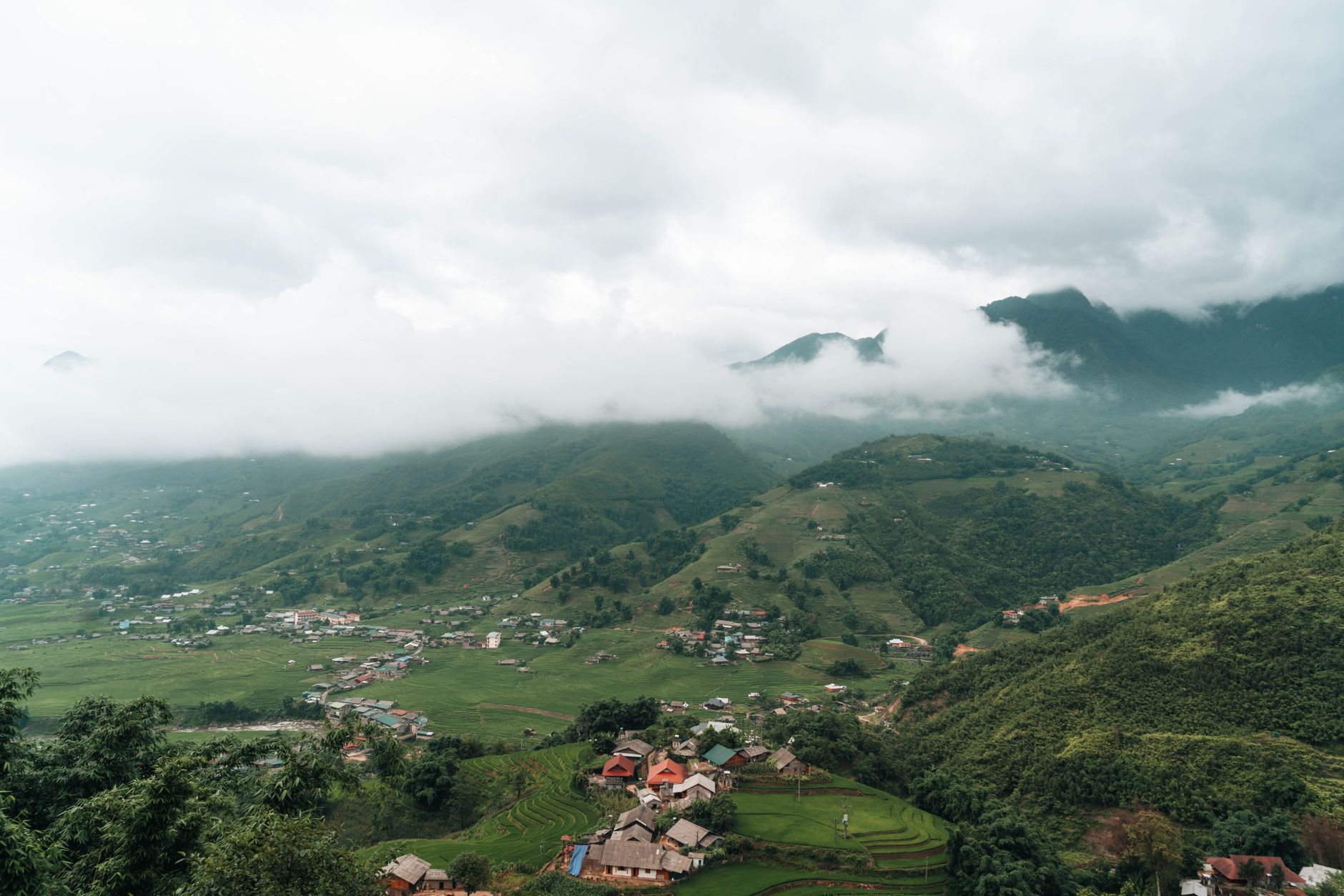
Bang Ang is a small valley in Phuc Sen commune, roughly 12 km southwest of Cao Bang town on the road toward Nguyen Binh. Most visitors coming up from Hanoi on National Highway 3 roll straight through without realizing what is in the hills to the left. The bloom sits between about 400 and 700 meters elevation, which keeps temperatures cool enough in January and February for the flowers to hold for several weeks rather than dropping within days like lowland varieties.
Cao Bang itself is already undervisited compared to Ha Giang to the west, and Bang Ang sits inside that quiet further still. On a weekday in early February, you might share the valley with a few local families tending their trees and one or two motorbike riders from town.
When to Go
The bloom window is roughly January 20 to February 20, though it shifts by one to two weeks depending on the year's temperatures. In a warmer winter the trees open earlier and drop faster. In a cold snap year — when the limestone plateau above Cao Bang gets frost — the flowers can persist into late February.
The safest bet is the ten days around the Lunar New Year, when "Tet" decorations are still up in town and the valley is at peak white. The light is best in the morning, before the mountain mist burns off around 9 or 10 a.m. Afternoons can be hazy and flat for photos.
Avoid weekends immediately after Tet (뗏 (베트남 설날) / 越南春节 / テト (ベトナム旧正月)) if you want solitude. That is when domestic visitors from Cao Bang and Thai Nguyen make day trips, and the narrow lanes through the valley get congested with cars.
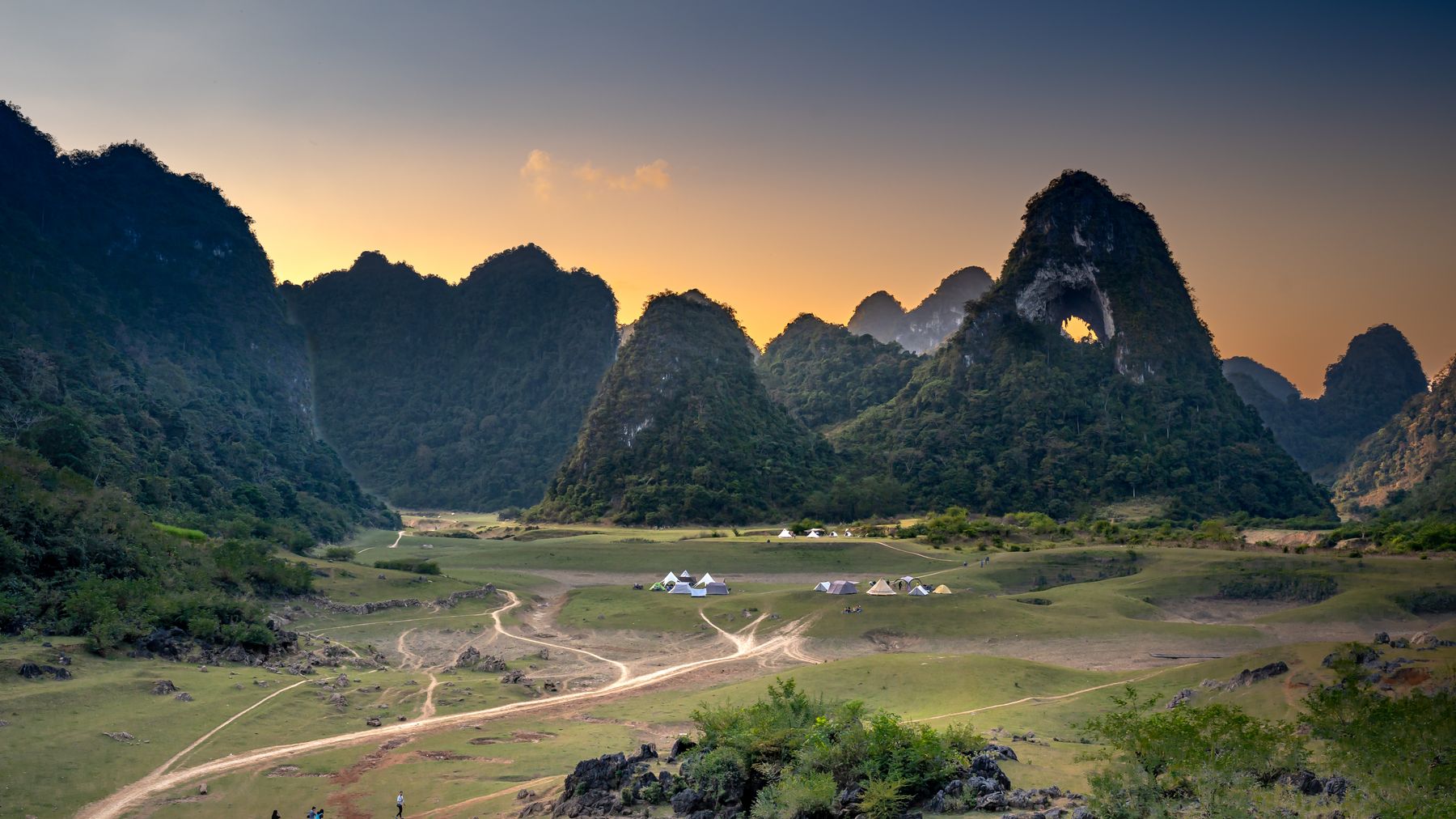
Photo by Quang Nguyen Vinh on Pexels
Getting There
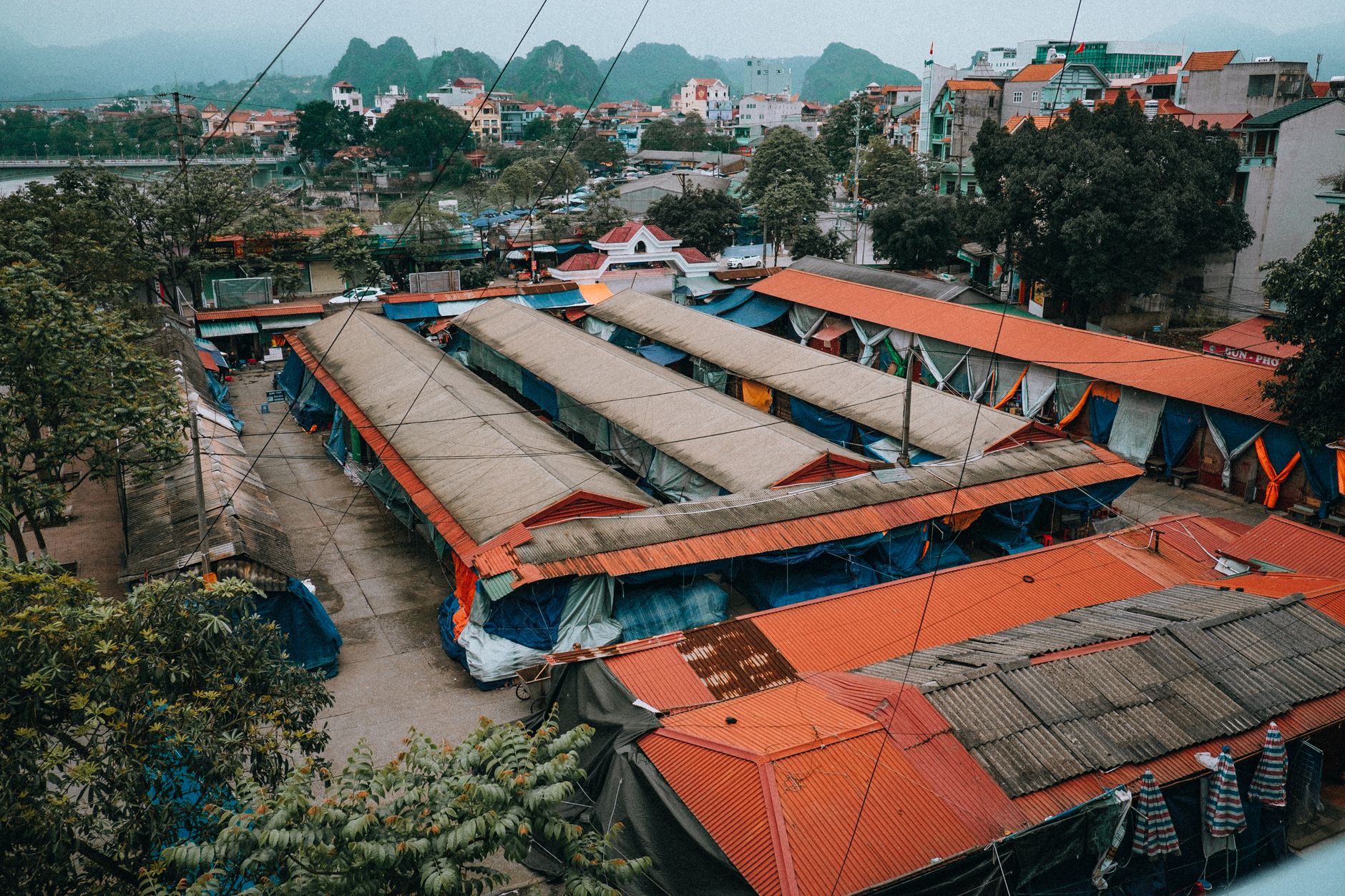
From Cao Bang town, rent a motorbike — around 150,000 VND per day from guesthouses near the central market — and head southwest on Highway 34 toward Nguyen Binh. After about 10 km, watch for the turnoff toward Phuc Sen. The road into the valley is paved but narrow, with some steep sections after rain. A 110cc scooter handles it fine in dry conditions.
If you are coming directly from Hanoi, the drive to Cao Bang is around 270 km via Highway 3 through Bac Kan — roughly six hours by private car or seven to eight hours on the morning bus from My Dinh station. The overnight sleeper bus exists but drops you at Cao Bang town around 5 a.m., which is actually fine timing: grab breakfast in town and reach Bang Ang just as the morning light hits the valley.
What You Will Find There
The plum trees here are not ornamental varieties planted for tourism. They are working trees — "man" plums — whose fruit gets salted and dried or turned into a sour liquor that local families have been making for decades. The blossoms are a side effect of that agricultural calendar, which makes the whole scene feel genuinely inhabited rather than staged.
Walk the lanes between the orchards rather than staying on the main road. You will find farmhouses with baskets of last year's dried plums on the porches, chickens picking around tree roots, and occasionally a family willing to sell you a small jar of plum wine for 50,000 to 80,000 VND. It is rough and sour and very good against the January cold.
The valley also sits inside Cao Bang Geopark, the UNESCO-recognized limestone landscape that includes Ban Gioc Waterfall and Nguom Ngao Cave. Most geopark itineraries skip Bang Ang entirely in favor of those bigger sites, so you are unlikely to encounter organized tour groups here.
Photo by Quang Nguyen Vinh on Pexels
Where to Stay and Eat
There is no accommodation in the valley itself. Stay in Cao Bang town, where a decent guesthouse runs 250,000 to 400,000 VND per night. The town has a small but functional food street near the night market where you can find "bun thang"-adjacent noodle soups in the morning and grilled meats in the evening.
For a more regional breakfast, look for "banh cuon" stuffed with wood ear mushroom and pork — local versions in Cao Bang are thicker-skinned than the Hanoi style and served with a sharper dipping broth. A bowl costs 25,000 to 35,000 VND at the market stalls that open from around 6 a.m.
If you are extending the trip, Cao Bang links logically to a Ha Giang loop or to Ban Gioc, which is 90 km northeast of town. Neither is quick — roads in this part of the north demand patience — but the density of scenery per kilometer makes it worthwhile.
Practical Notes
Bring a warm layer; morning temperatures in Bang Ang in January sit around 8 to 12 degrees Celsius, and the valley holds mist for the first hour after sunrise. Phone signal is intermittent once you leave Highway 3, so download offline maps before leaving Cao Bang town. The valley roads are not marked on most apps — look for Phuc Sen commune as your navigation anchor.
Last updated · May 29, 2026 · independently researched, never sponsored.