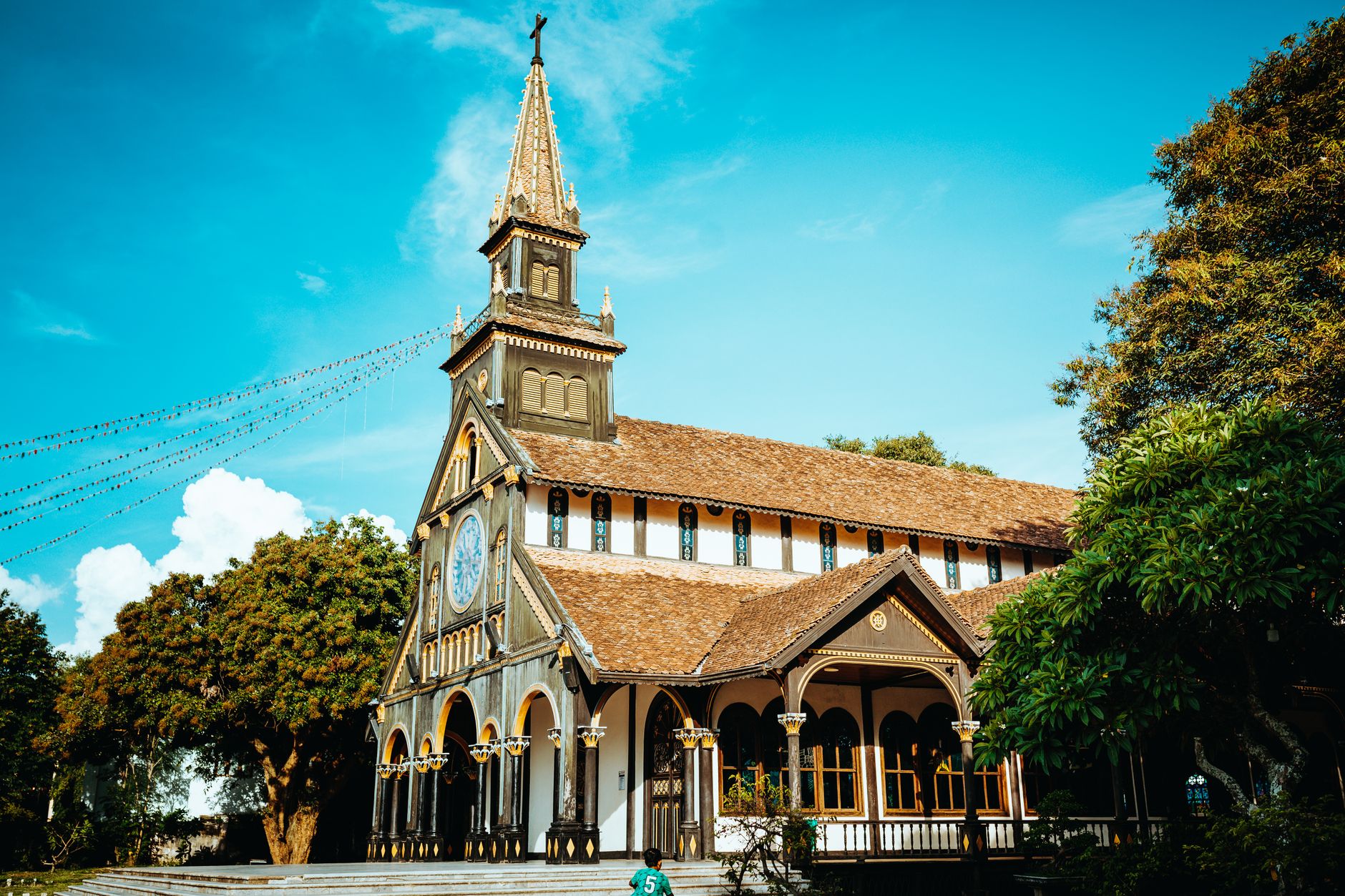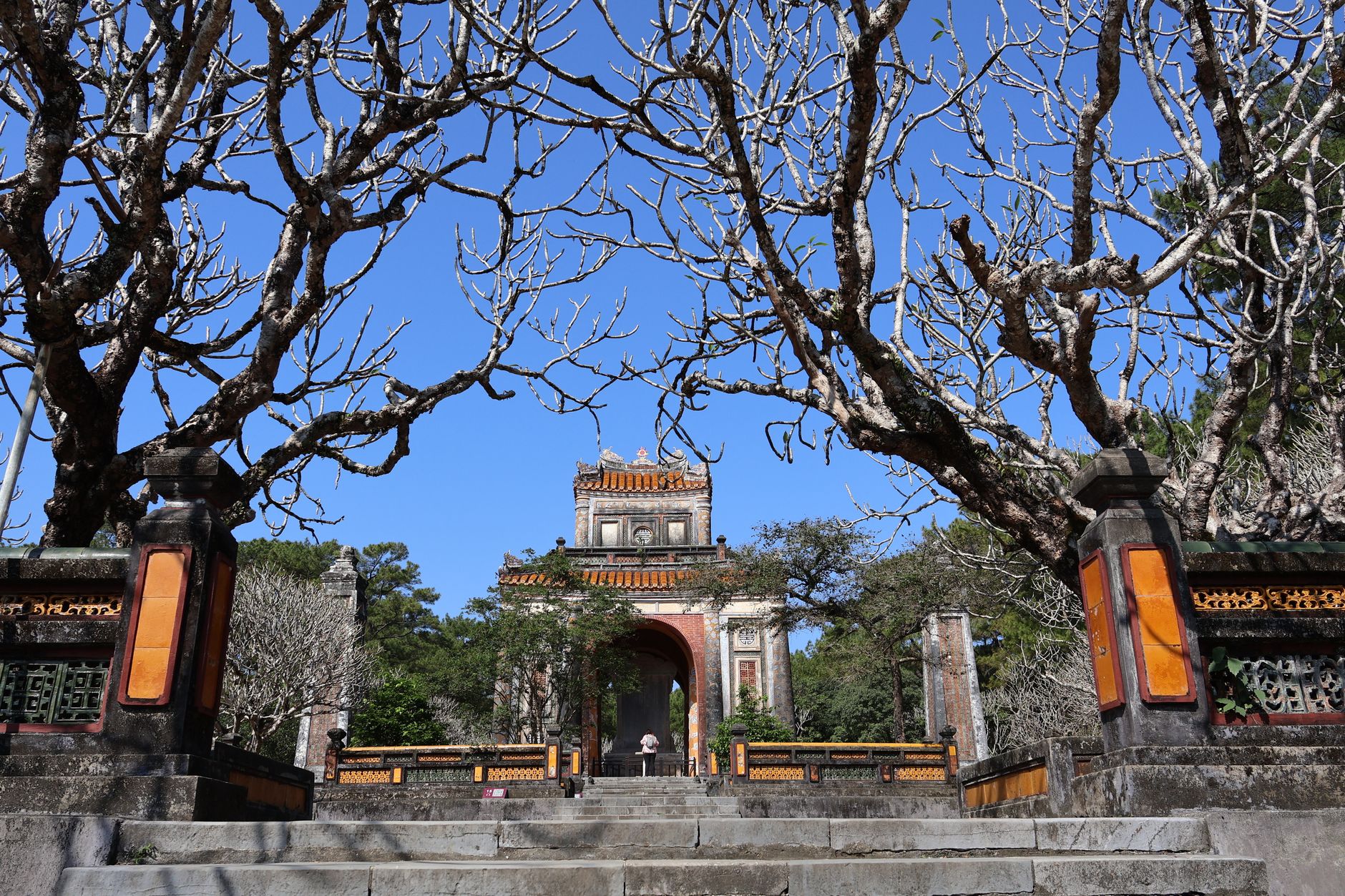
Bo Y is one of Vietnam's quieter international border gates, sitting at the point where Vietnam, Laos, and Cambodia nearly meet in the Central Highlands (중부 고원 / 中部高原 / 中部高原). It's not a place most tourists end up by accident — but if you're doing an overland route into southern Laos, or you're curious about a part of Vietnam that feels genuinely remote, it's worth understanding how it works.
What Bo Y Is and Why It Matters
Bo Y (Cua Khau Bo Y) is an international border crossing in Ngoc Hoi district, in the highlands west of Kon Tum city. It connects Vietnam (베트남 / 越南 / ベトナム) to the Phou Keua checkpoint in Attapeu province, Laos. The crossing has been open to international travelers since 2008, though it sees a fraction of the traffic compared to borders like Lao Bao further north.
The bigger draw for many visitors is the nearby tri-border marker — a monument at the junction where Vietnam, Laos, and Cambodia converge. It's one of very few places in Southeast Asia where three countries meet, and there's a modest monument and flagpole area that marks the spot. The area around Bo Y is home to several ethnic minority communities, particularly the Gie Trieng and Sedang peoples, and the landscape is all red-dirt roads, coffee plantations, and rolling highland hills.
Why Travelers Go
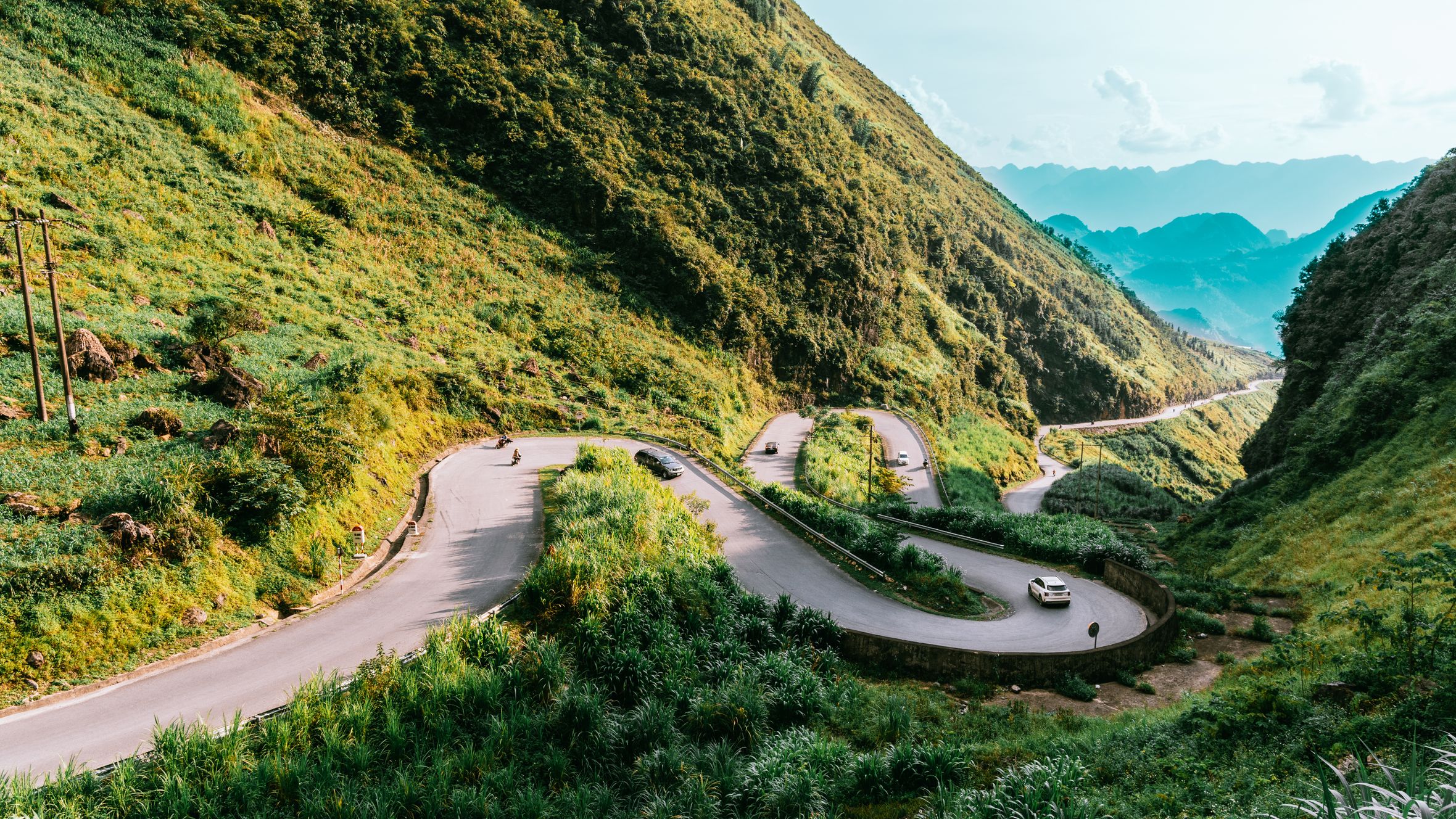
Most people passing through Bo Y fall into two categories: overland travelers heading to or from Attapeu in Laos, and domestic tourists making the trip to stand at the tri-border point. If you're riding a motorbike through the Central Highlands, the route from Kon Tum to Bo Y makes a solid day trip or a stopover before crossing into Laos. The road itself — National Route 40 — passes through Dak Glei and Ngoc Hoi, with long stretches of highland scenery, minority villages, and not much traffic.
It's also a genuine off-the-tourist-circuit destination. You won't find backpacker bars or tour buses here. That's either a selling point or a warning, depending on your style.
Best Time to Visit
November through March is the most comfortable window. The dry season in the Central Highlands means cooler mornings (sometimes dropping to 15°C), clear skies, and passable roads. April and May get hot — low-to-mid 30s — and the wet season from June through October can turn unpaved side roads muddy. The border crossing operates year-round, but if you're planning to visit the tri-border monument or explore villages nearby, dry season makes everything easier.
How to Get There
From Kon Tum City
Kon Tum is the nearest major hub, about 90 km south of Bo Y via National Route 40. The drive takes roughly two to two and a half hours by motorbike or car. There's no direct public bus to Bo Y gate itself, but local buses run from Kon Tum's bus station to Ngoc Hoi town (about 60 km, around 60,000–80,000 VND), and from Ngoc Hoi you can hire a "xe om" (motorbike taxi) for the remaining 30 km to the border — expect to pay around 100,000–150,000 VND.
If you're renting a motorbike in Kon Tum, the ride is straightforward. Route 40 is paved and in decent shape. Fill up on fuel in Ngoc Hoi; there's not much after that.
From Da Nang or Hue
Da Nang is about 300 km east. You'd need to get to Kon Tum first — buses from Da Nang run daily (around 6–7 hours, 180,000–220,000 VND). From Hue, it's a similar story but longer. Most travelers doing this route are already in the Highlands.

Photo by Nghĩa Văn on Pexels
What to Do
Visit the Tri-Border Monument
The main attraction near Bo Y. The monument sits on a hilltop a few kilometers from the border gate, with markers for Vietnam, Laos, and Cambodia. There's a paved path up, a small plaza, and good views of the surrounding hills. It's not dramatic — no clifftop panorama — but it's a genuinely unusual geographic spot. Free entry. Budget about 30–45 minutes.
Walk Through Ngoc Hoi Town
Ngoc Hoi is the district capital and the last proper town before the border. It's small, unhurried, and has a morning market where Gie Trieng and Sedang vendors sell forest vegetables, dried meats, and handwoven textiles. The market is busiest before 8 AM.
Explore Ethnic Minority Villages
Several villages along Route 40 between Dak Glei and Ngoc Hoi are home to communal longhouses ("nha rong") — tall, dramatic thatched-roof structures that serve as community gathering places. You can see them from the road, but if you want to visit, ask locally or go with someone who speaks the local language. Don't just walk in unannounced.
Drive the Route 40 Loop
If you're on a motorbike, the ride from Kon Tum to Bo Y and back makes a full day. The road passes through coffee and rubber plantations, crosses a few rivers, and offers long views of highland valleys. Pack lunch — there aren't many stops.
Cross Into Laos
If you have a valid Lao visa (or qualify for visa on arrival at this crossing — check current regulations, as this changes), you can cross into Attapeu province. The Lao side is even quieter. Make sure you have your passport, and arrive before 4 PM; the crossing closes in the late afternoon.
Where to Eat Nearby
Ngoc Hoi has a handful of "com binh dan" (everyday rice) shops along the main road — filling plates of rice with grilled pork, greens, and soup for 30,000–45,000 VND. Look for places with locals sitting outside; that's your quality check.
The local dish to try is "com lam" — sticky rice cooked inside bamboo tubes over a fire, often served with grilled chicken or dried buffalo meat. You'll see it sold at the Ngoc Hoi market and at roadside stalls between Dak Glei and Ngoc Hoi. A tube costs around 10,000–15,000 VND. The rice picks up a faint sweetness from the bamboo — it's simple and good.
Where to Stay
Ngoc Hoi has a few basic guesthouses ("nha nghi") in the 150,000–300,000 VND range. Rooms are simple — bed, fan or AC, hot water if you're lucky. Don't expect English-speaking staff. Kon Tum city has better options: mid-range hotels for 400,000–700,000 VND and a couple of places with decent reviews near the central area. Most travelers use Kon Tum as a base and day-trip to Bo Y.
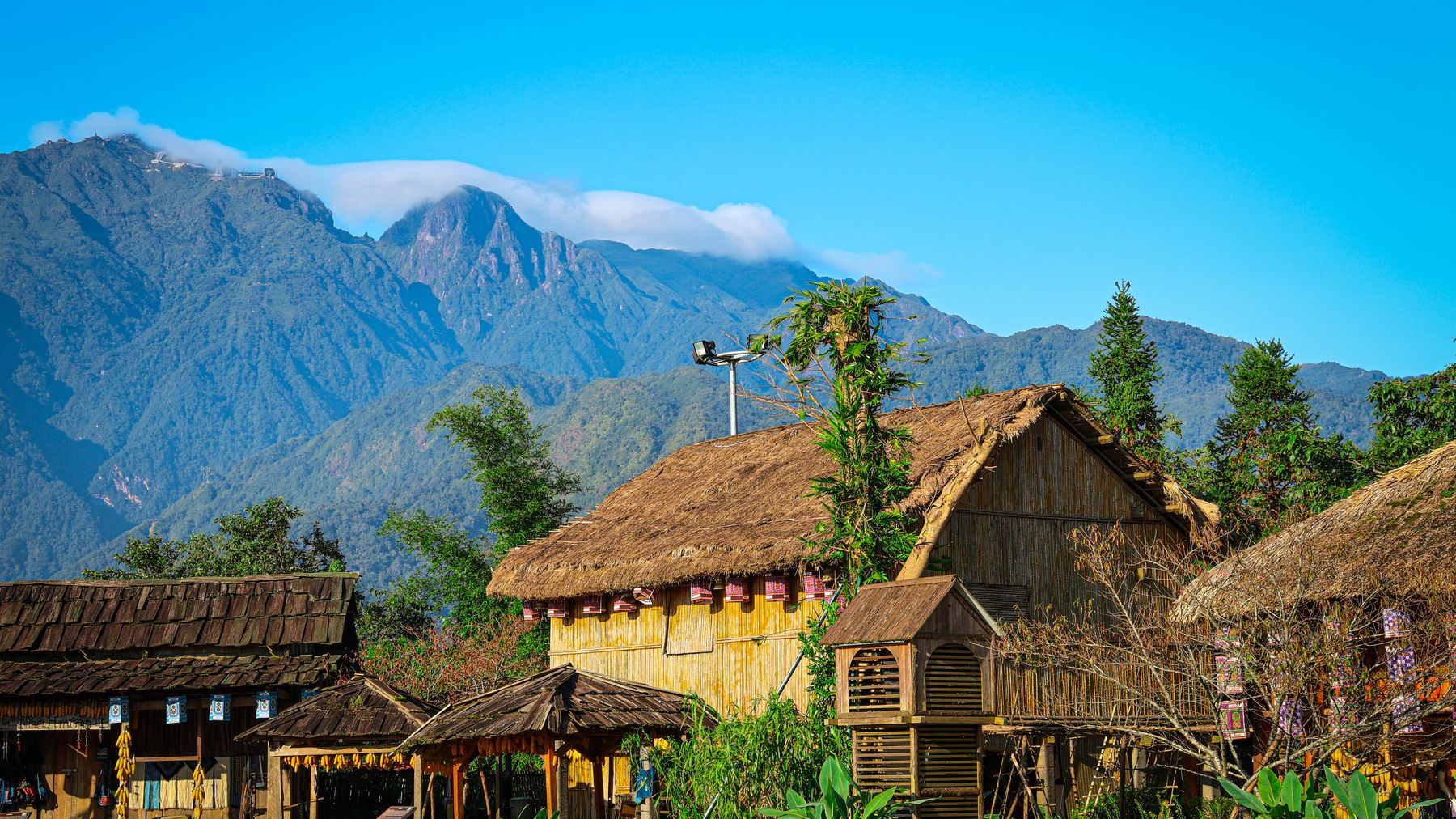
Photo by Haneul Trac on Pexels
Practical Tips
- Bring cash. There are no ATMs at the border and only one or two in Ngoc Hoi. Stock up in Kon Tum.
- Fuel up in Ngoc Hoi. The last reliable petrol station before the border.
- Carry your passport even if you're not crossing — police checkpoints near border areas sometimes ask foreigners for ID.
- Phone signal is spotty between Ngoc Hoi and the border. Download offline maps before you leave Kon Tum.
- Border hours are roughly 7 AM to 5 PM, but don't push it — aim to arrive by 3 PM if you're crossing.
Common Mistakes
Showing up without enough cash is the big one. The other is underestimating travel time — 90 km on highland roads doesn't move as fast as 90 km on a coastal highway. Give yourself a full day if you're coming from Kon Tum and want to actually see things, not just tick the border off a list. And if you're planning to cross into Laos, sort your visa situation before you get here. This isn't a crossing where you can easily improvise.
Practical Notes
Bo Y rewards travelers who like the journey as much as the destination. The ride through the Central Highlands is the real experience — the border itself is just the turning point. Pair it with a few days in Kon Tum exploring the highlands, and you've got a trip that feels nothing like the usual Vietnam circuit.
Last updated · Sep 2, 2026 · independently researched, never sponsored.