Hue has no shortage of dishes that announce themselves loudly, but "com hen" does it quietly — a small bowl, a pile of condiments, and a heat level that sneaks up on you between bites. It is cheap, fast, and almost entirely absent from the tourist menus around Dong Ba Market. That gap is worth crossing.
What Goes in the Bowl
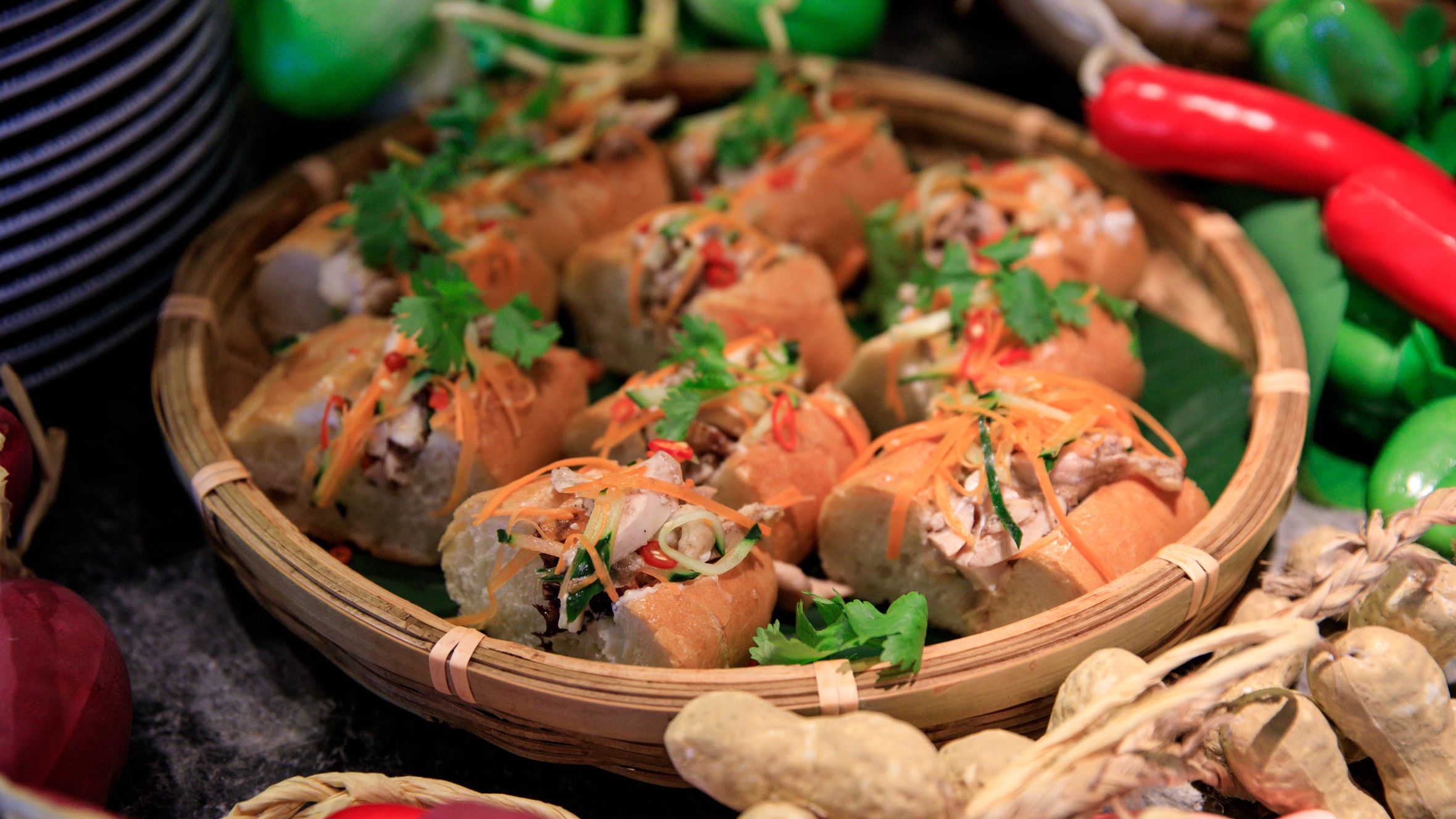
The base is cold cooked rice — leftover rice, essentially, which is part of the point. On top: a spoonful of baby clams ("hen") that have been flash-fried or sauteed briefly in lard and fish sauce, keeping them just barely cooked and intensely briny. Then the toppings arrive in a loose pile: shredded banana flower, bean sprouts, rau ram (Vietnamese coriander), thinly sliced starfruit or green mango for acid, crushed peanuts, sesame rice crackers, and — the part that makes the texture — "banh trang nuong", broken fried pork rind crumbled over everything.
A small bowl of hot broth comes alongside. This is the clam-cooking liquid, thin and saline, with a few chili rings floating in it. You pour it in at the end or sip it separately depending on the vendor's preference.
The chili situation deserves a sentence of its own: com hen in Hue (후에 / 顺化 / フエ) is genuinely spicy by Vietnamese standards. The clam paste mixed through the bowl contains fermented shrimp paste ("mam ruoc") and fresh chili at a ratio that most vendors calibrate toward locals, not tourists. If you need less fire, say "it cay" before they mix it. They will look mildly disappointed but comply.
Where to Eat It
Con Hen Island
Con Hen is the origin point — a thin sliver of land in the Huong River, reachable by a short walk over the Phu Cat bridge or a 3-minute boat ride from the east bank. Several family stalls have been operating here for decades. The vendors on Con Hen tend to use clams harvested from the river the same morning; the difference in freshness is detectable. Look for stalls along the main path on the island's west-facing bank, open from around 6am until they sell out — typically by 10am. A bowl runs 15,000–20,000 VND.
Vy Da Neighborhood
Vy Da, the riverside residential quarter south of the Imperial Citadel, is where Hue locals actually eat com hen on a weekday morning. The stretch of alleyways between Le Thanh Ton street and the river bank holds a cluster of open-front houses with plastic stools and hand-lettered signs reading "Com Hen — Bun Hen". Quan Com Hen Ba Tuoi at the corner near the Vy Da ferry landing is the name you will hear repeatedly from residents; she has been serving the same recipe since the early 1990s and prices her bowls at 15,000 VND regardless of what you order.
Arrive before 8am. This is a breakfast dish, occasionally eaten at lunch, but vendors run out and do not restock.

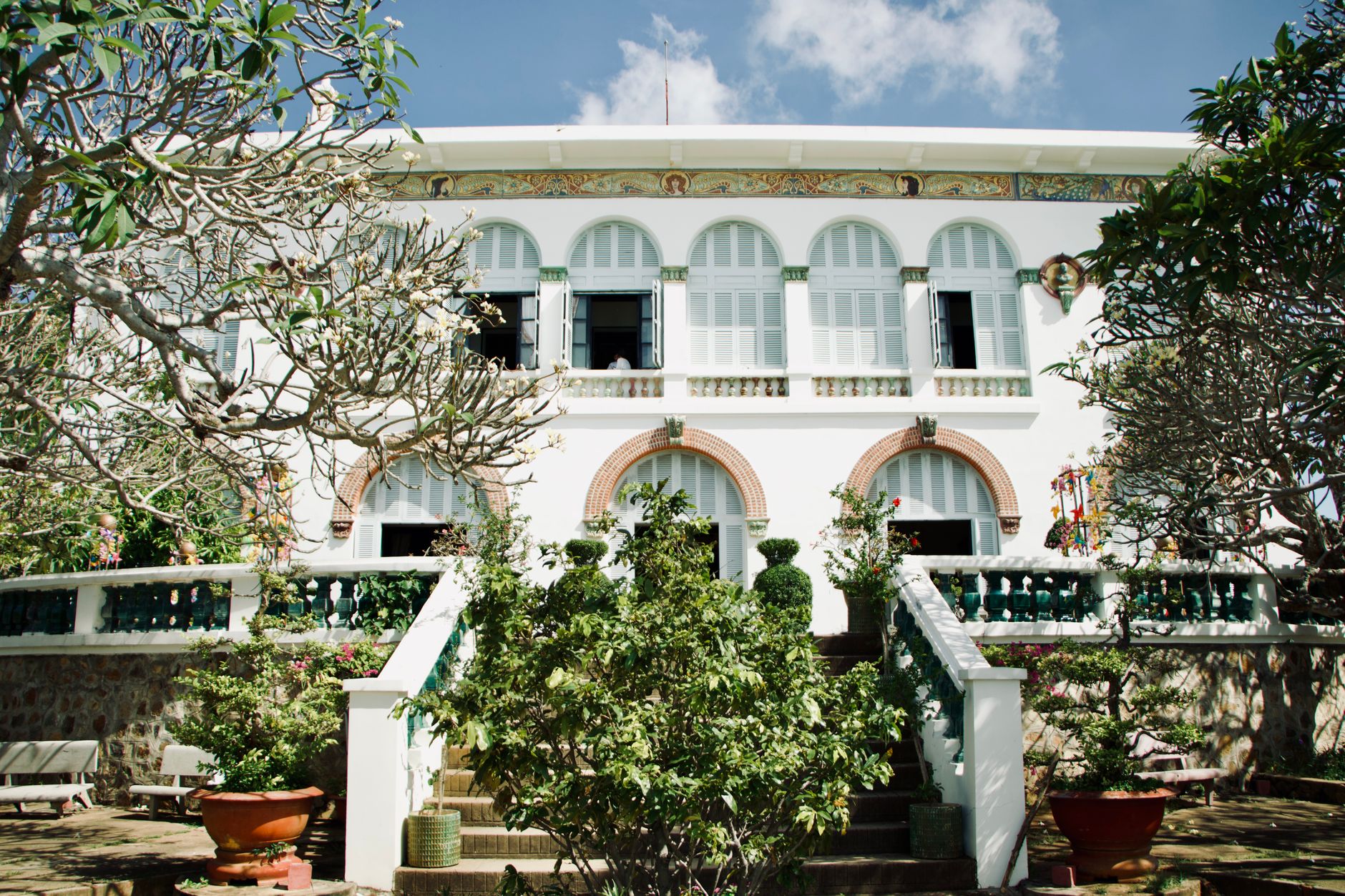
Photo by Khoa Nguyen on Pexels
Bun Hen: the Noodle Cousin
"Bun hen" swaps the cold rice for thin round rice vermicelli. Everything else — the clams, the herbs, the mam ruoc, the crackling — stays. The texture is softer and the dish tends to sit wetter in the bowl, making the broth a more active ingredient. Most com hen stalls offer both; if you are ordering for two, getting one of each is a reasonable way to compare. The bun version is marginally more filling and slightly more popular with younger locals.
Cost and Ordering
Budget 15,000–25,000 VND per bowl at any stall. A full breakfast for two people, including ca phe sua da from the cart next door, should come in under 70,000 VND total. The dish does not scale expensively: a "large" serving at most places just means a slightly deeper bowl of the same ingredients.
Ordering is simple. Point at what the person next to you is eating and say "mot com hen" (one com hen) or "mot bun hen" (one bun hen). If you want less chili: "it cay". If you want extra pork rind — and you should — "them banh trang" usually gets the message across.

Photo by FOX ^.ᆽ.^= ∫ on Pexels
Why It Tastes Like Hue
Com hen is not a restaurant dish that got adapted for street food. It went in the other direction: a survival food from the river-island communities that became a point of civic pride. Hue's culinary identity runs toward complexity in small portions — the same instinct behind its royal court cuisine, just expressed without the ceremony. The bowl piles eight or nine ingredients into something that costs less than a bus fare, and the balance between funk (the shrimp paste), acid (the green fruit), heat (the chili), and crunch (the pork rind) is not accidental. Vendors adjust these ratios by feel, which is why the bowl at one stall tastes noticeably different from the one two doors down.
It is also the kind of dish that rewards repeat visits. The first bowl can be disorienting — cold rice, raw herbs, aggressive spice, unfamiliar funk. The second bowl, you start to understand the logic.
Practical Notes
Most com hen stalls are cash only; keep small bills (5,000 and 10,000 VND notes) on hand. Con Hen island stalls open earlier and sell out faster — if you are coming from the city center, leave your guesthouse by 7am to be safe. The dish is not available in the evening anywhere reputable.
Last updated · May 26, 2026 · independently researched, never sponsored.