Vinh Moc is not a tunnel system built for combat. It's a place where an entire village moved underground to survive, and where 17 children were born between 1966 and 1972. That distinction matters when you visit, because the experience feels less like a war museum and more like walking through a community that simply refused to leave.
Vinh Moc is a network of tunnels dug by hand by villagers in Vinh Linh district, Quang Tri province, starting in 1966. The tunnels run about 2 km in total length across three levels — the deepest sits roughly 23 meters below ground. Unlike the Cu Chi Tunnels near Saigon, which were primarily military, Vinh Moc was a civilian settlement. Families lived here full-time. The tunnels sheltered around 300 people at their peak.
The site was largely forgotten for years after the war before being restored and opened to visitors. Today it sits about 130 km north of Hue, in a quiet stretch of coast that most travelers blow past on the way between Hue and Phong Nha.
Vinh Moc offers something different from other wartime heritage sites in Vietnam (베트남 / 越南 / ベトナム). The tunnels here are original — not widened or reconstructed for tourists the way parts of Cu Chi have been. You walk through passages at their actual dimensions, which means ducking, squeezing, and feeling the humidity press in around you. It's claustrophobic in places, and that's the point. You understand what daily life meant down here in a way that photos and plaques can't convey.
The coastal setting is also a draw. The tunnel exits open onto a bluff overlooking the sea, and the surrounding area is rural, green, and uncommonly quiet. There's no tourist circus outside the gates.
Best time to visit
March through August gives you the driest, warmest weather. July and August can be hot — mid-30s Celsius — but the tunnels themselves stay cool year-round, hovering around 20-22°C underground. Avoid October through December if you can. Quang Tri catches serious rain during those months, and the access roads can flood. Weekday mornings are best for avoiding the occasional tour bus groups that arrive from Hue (후에 / 顺化 / フエ) around midday.
Most travelers base themselves in Dong Ha, the provincial capital of Quang Tri, which sits about 40 km south of Vinh Moc. From Hue, Dong Ha is roughly 1.5 hours north by bus or train.
From Hue: Catch a Reunification Express train to Dong Ha (about 70,000-90,000 VND for a hard seat, 2 hours). Alternatively, buses from Hue's southern bus station run frequently and cost around 80,000 VND.
From Dong Ha to Vinh Moc: This is the tricky leg. There's no direct public bus. Your options:
- Motorbike rental from Dong Ha — around 150,000-200,000 VND per day. The ride takes about 45 minutes on QL1A north, then east on a signposted side road. This is the most flexible option. - Xe om (motorbike taxi) or Grab — expect 200,000-300,000 VND one way. - Guided DMZ tour from Hue — most Hue tour operators bundle Vinh Moc with the DMZ sites (Khe Sanh, Hien Luong Bridge, Truong Son Cemetery) for 600,000-900,000 VND per person. Convenient, but you'll spend limited time at each stop.
If you're heading to or from Phong Nha, Dong Ha is the natural transit point — it's about 3-4 hours by bus between them.

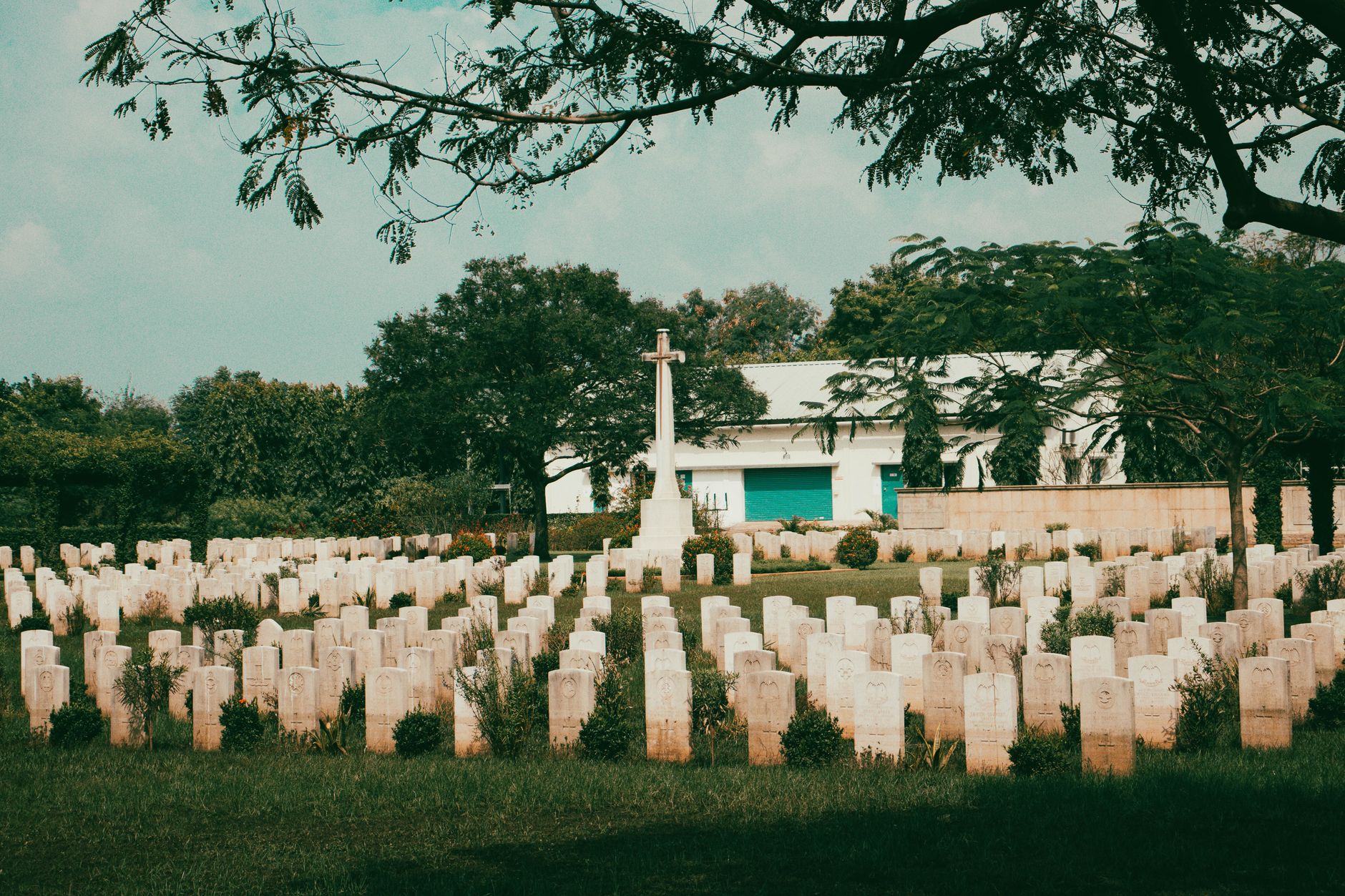
Photo by Tuấn Vũ on Pexels
Walk the tunnel system
Admission is 40,000 VND. A guide isn't mandatory but is worthwhile — local guides at the entrance charge around 200,000 VND for a group and know the family histories connected to specific rooms. The walk takes 30-45 minutes. Bring a small flashlight; the tunnels have some electric lighting but sections are dim. Wear shoes with grip — the floor is uneven and damp.
Visit the on-site museum
The small exhibition hall near the entrance holds photographs, tools used to dig the tunnels, and personal items recovered from the site. It takes 15-20 minutes and provides context that makes the tunnel walk hit harder.
Walk to the coastal exits
Two of the tunnel exits open onto the cliff face above the beach. The view from here is worth the short walk — you can see Con Co Island offshore and get a sense of why the village chose this location. The contrast between the cramped underground and the open coastline stays with you.
Explore the surrounding area
The Hien Luong Bridge and Ben Hai River — the former demarcation line at the 17th parallel — are about 25 km south. If you have your own wheels, combining these sites makes a solid half-day. The countryside between them is flat, green rice paddies, and almost zero traffic.
Sit on Vinh Moc beach
The beach below the tunnels is empty most days. It's not a resort beach — no loungers, no vendors — but the sand is clean and the water is swimmable from April to August. A good place to decompress after the tunnels.
Where to eat nearby
Vinh Moc itself has almost no restaurants. Your best bet is back in Dong Ha or along the highway.
In Dong Ha, look for "banh canh" — the thick tapioca noodle soup that's a Quang Tri staple. Local versions here use crab or pork hock and cost 25,000-35,000 VND a bowl. "Com hen" (baby clam rice), a dish more commonly associated with Hue, also shows up in roadside spots along QL1A north of Dong Ha for around 30,000 VND.
If you're on a motorbike, the stretch of road approaching Vinh Moc has a couple of "com binh dan" (everyday rice) places where a plate runs 30,000-40,000 VND.
Dong Ha has the widest range of accommodation. Budget guesthouses start at 200,000-300,000 VND per night. Mid-range hotels with air conditioning and breakfast run 400,000-700,000 VND. There's nothing luxury-tier here — this isn't a tourist hub. A few homestays have popped up closer to the coast in Vinh Linh district, typically 250,000-350,000 VND, though availability is inconsistent. Book ahead or call directly.
If you'd rather base in Hue and day-trip, that works, but you'll spend 3+ hours on the road round trip.

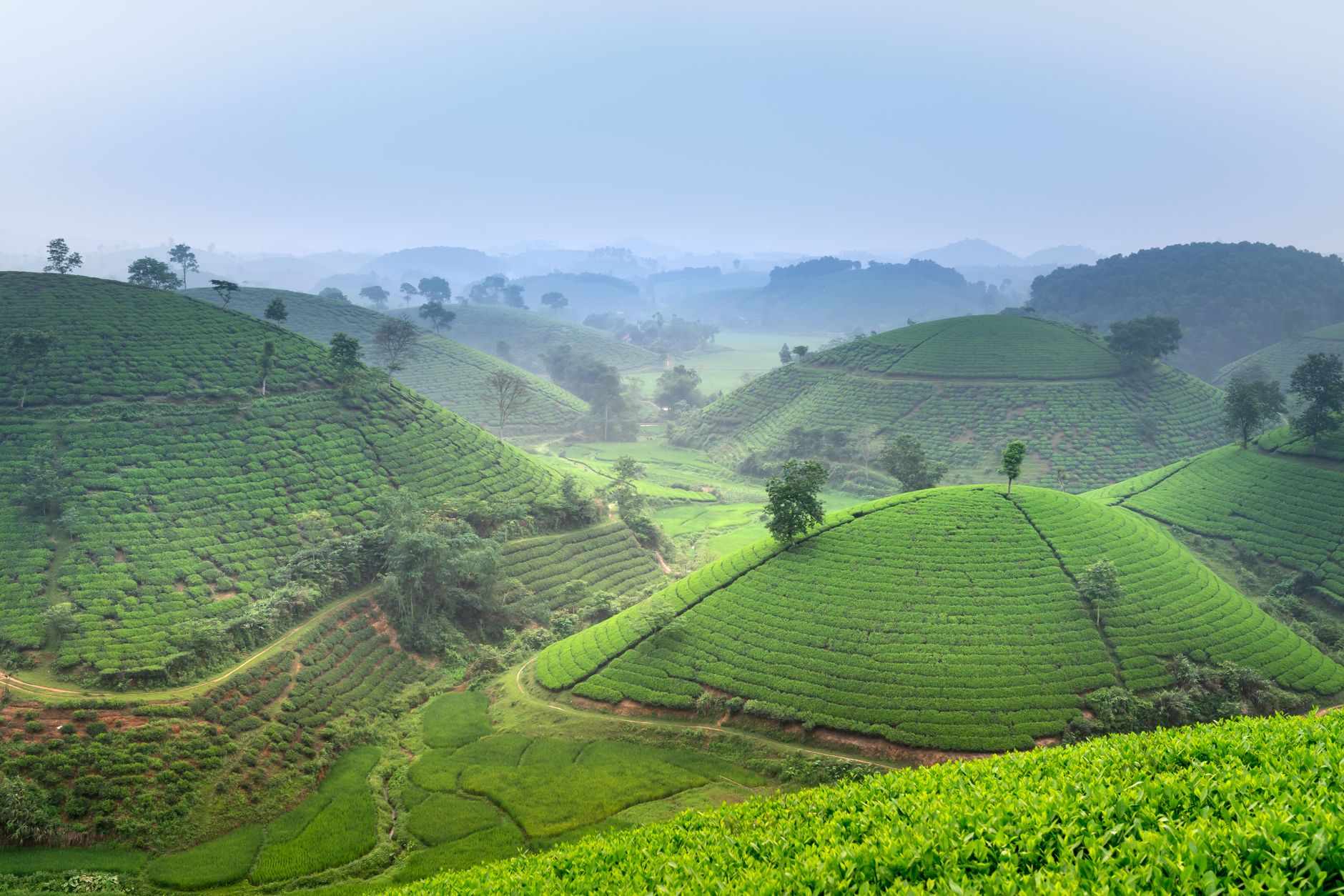
Photo by Tai-Jung Wu on Pexels
Practical tips locals would tell you
- Bring water and snacks. There's one small drink vendor outside the tunnel entrance, but nothing else for several kilometers. - Wear long sleeves underground. The temperature drop is noticeable, and mosquitoes live in the tunnel mouths. - Go early. The site opens at 7:00 AM. Arriving by 8:00 means you'll likely have the tunnels to yourself. - Charge your phone. There's no power inside the tunnels and limited signal. If you're using your phone as a flashlight, make sure it's topped up. - Carry cash. No card machines at the site or anywhere nearby.
Common mistakes to avoid
- Skipping the guide. The tunnels are more impactful with someone who can explain which rooms were used for what. Without narration, it's just a dark corridor. - Bundling it into a rushed DMZ tour. The group tours from Hue pack in too many stops. If Vinh Moc interests you, dedicate a half-day to it specifically. - Wearing flip-flops inside. The floors are uneven, muddy in spots, and occasionally slippery. Closed shoes save you from a fall. - Expecting Cu Chi. Vinh Moc is smaller, quieter, and less commercialized. That's its strength, but if you're expecting firing ranges and souvenir shops, recalibrate.
Vinh Moc rewards travelers who slow down and pay attention. It's not the most accessible site in central Vietnam, but the effort to get here filters out the crowds. Pair it with a night in Dong Ha and a day trip to Phong Nha, and you've got one of the more interesting stretches of the central coast that most people skip entirely.
Last updated · May 29, 2026 · independently researched, never sponsored.