Lao Bao is Vietnam (베트남 / 越南 / ベトナム)'s busiest land border crossing into Laos, sitting at the western end of Highway 9 in what was formerly Quang Tri province (now part of the merged Quang Tri–Quang Binh province). If you're traveling overland between central Vietnam and Savannakhet or Vientiane, this is your gate.
What it is and a bit of background
Cua Khau Lao Bao (Lao Bao Border Gate) connects Vietnam's Quang Tri district with Dansavanh on the Lao side. It sits in the Lao Bao Special Economic Zone, about 80 km west of Dong Ha town and roughly 300 km northwest of Da Nang. The crossing has been a trade corridor for centuries — Highway 9 follows a route that linked the Vietnamese coast to the Mekong basin long before the French colonial road engineers paved it. Today it handles both commercial trucks and tourist traffic, and the Vietnamese side has a duty-free shopping zone that draws local day-trippers.
The gate is open daily from 7:00 AM to 7:00 PM (Vietnam time). Laos is one hour behind, so the Lao side operates 6:00 AM to 6:00 PM local time. Don't show up at 6:45 PM thinking you have plenty of time — processing slows considerably in the last hour.
Why travelers go
Most people pass through Lao Bao for one reason: crossing into Laos overland. It's the most convenient border gate if you're coming from Hue, Dong Ha, or anywhere in central Vietnam and heading toward Savannakhet (for the Thai border) or south Laos. A smaller number of travelers come specifically to visit the Lao Bao area itself — the DMZ historical sites along Highway 9, the surrounding countryside, and the duty-free zone.
Best time to visit
The dry season from March to August is your best window. The stretch of Highway 9 between Dong Ha and Lao Bao climbs through hilly terrain, and during the rainy months (September through January), fog and occasional landslides can slow things down. October and November see the heaviest rainfall. If you're crossing in the wet season, leave early and budget extra time.
April to June is ideal — warm, mostly dry, and the hills along Highway 9 are green without being waterlogged.
How to get there
From Dong Ha
Dong Ha is the nearest major transport hub, about 80 km east on Highway 9. Local buses run from Dong Ha bus station to Lao Bao town throughout the day, departing roughly every 30–45 minutes from around 5:30 AM. The ride takes about 2 hours and costs 60,000–80,000 VND.
A private car or taxi from Dong Ha runs 800,000–1,000,000 VND one way. If you're splitting with other travelers, this becomes reasonable and saves time.
From Hue
From Hue (후에 / 顺化 / フエ), take a bus or train to Dong Ha first (about 1.5–2 hours by bus, 70,000–100,000 VND; or 1 hour by train, from 50,000 VND for a hard seat). Then connect to Lao Bao as above. Total travel time from Hue to the border is roughly 4–5 hours with the connection.
Several tour operators in Hue and Da Nang also sell direct bus tickets to Savannakhet or Vientiane via Lao Bao. These cost around 350,000–500,000 VND to Savannakhet. The bus handles the border formalities — you just need your passport and Lao visa (or visa-on-arrival fee of $30–40 USD depending on nationality).

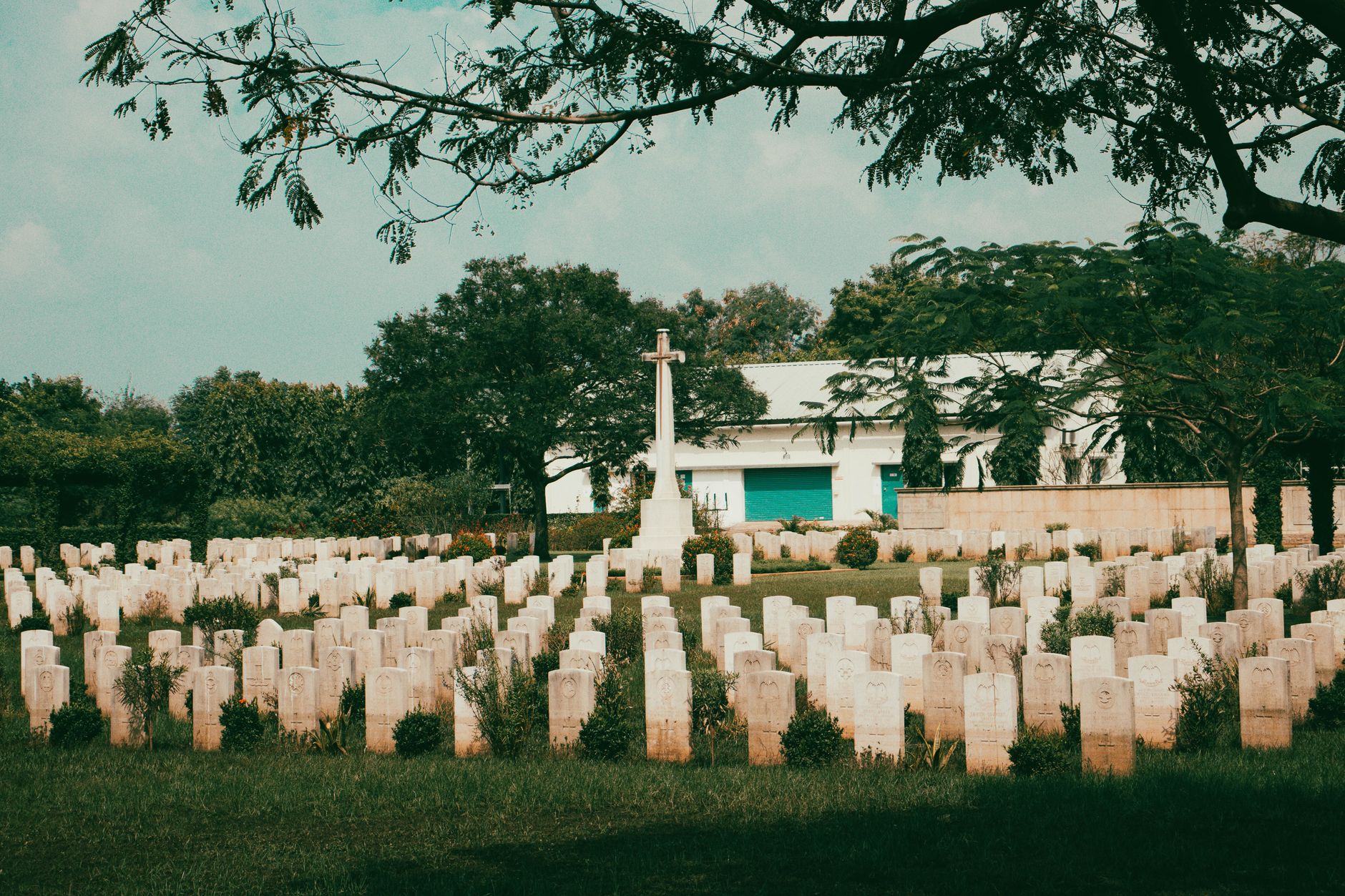
Photo by Anh Tuấn Lê on Pexels
What to do around Lao Bao
Walk the duty-free zone
The Lao Bao Special Economic Zone has a cluster of duty-free shops selling alcohol, cigarettes, cosmetics, and imported snacks. Prices aren't dramatically cheaper than city shops for most items, but imported whisky and wine can be 20–30% less. It's worth a browse if you have time to kill before your bus, but don't expect a luxury mall.
Drive Highway 9 and the DMZ sites
Highway 9 between Dong Ha and Lao Bao passes through some of the most historically significant terrain in central Vietnam. The Khe Sanh Combat Base, about 20 km before Lao Bao, has a small museum with artifacts and displays from the 1968 siege. The Dakrong Bridge, roughly midway along the route, marks where the Ho Chi Minh Trail crossed Highway 9. If you're interested in the war history of this region, renting a motorbike or hiring a car for the full Highway 9 drive is a solid half-day.
Visit the Dakrong Valley
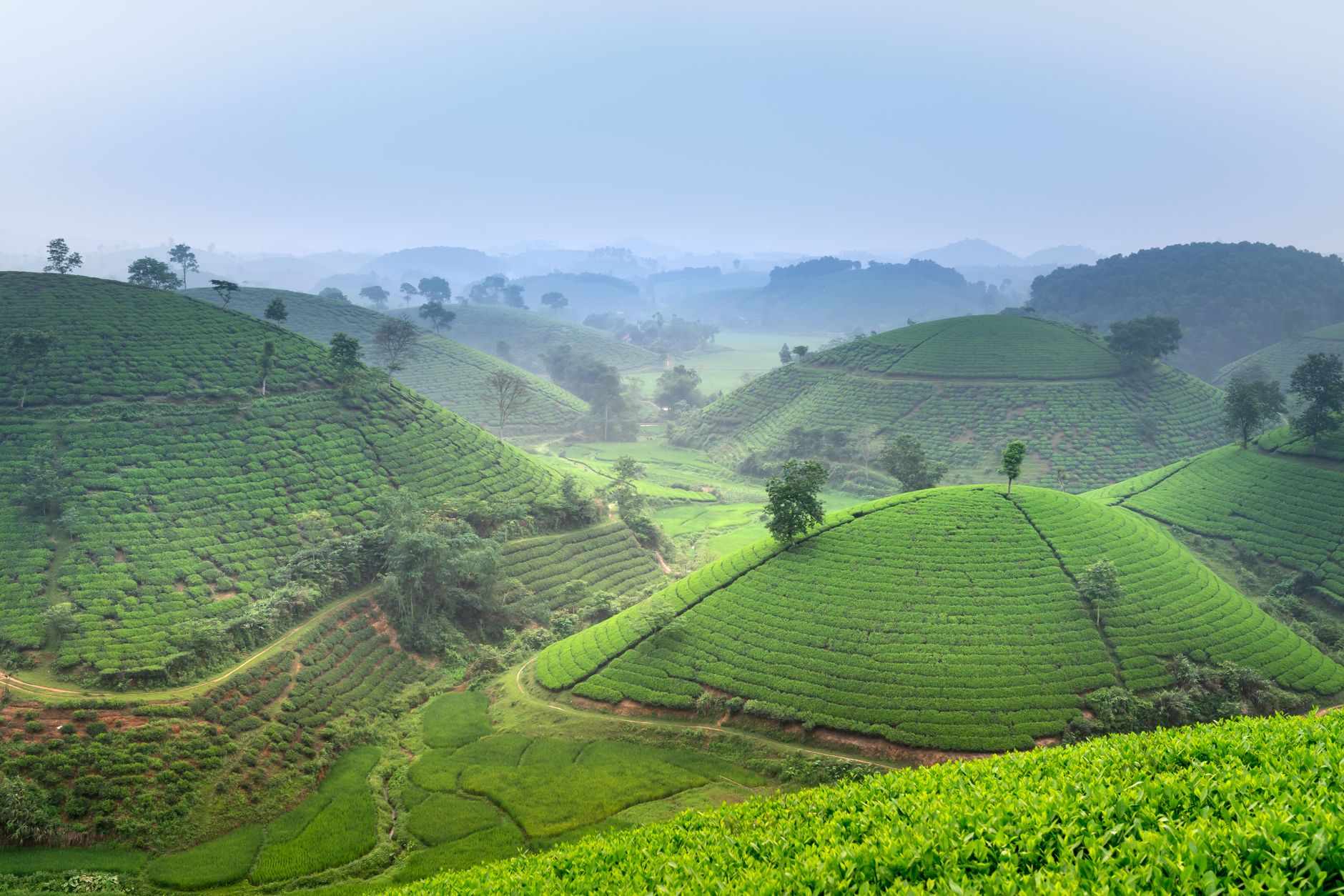
South of Highway 9, the Dakrong Valley is home to Van Kieu and Pa Co ethnic minority communities. The landscape is rugged — river valleys, forested hills, pepper and coffee plantations. There's no formal tourist infrastructure here, but if you have your own transport and a sense of direction, the back roads toward Huong Hoa district reward with quiet scenery and villages that see very few visitors.
Cross into Laos for Dansavanh
Even if Laos isn't your final destination, the Dansavanh side of the border has a small market and a casino complex (Savan Vegas) that some travelers pop into out of curiosity. You'll need proper documentation to cross, naturally.
Lao Bao town market
The town market near the border gate sells cross-border goods — Lao beer, Thai snacks, textiles, and local produce. It's a working market, not a tourist attraction, but it gives you a feel for the border-town economy.
Where to eat nearby
Lao Bao town has basic "com binh dan" (everyday rice) restaurants along the main road. For something more specific, look for "bun hen" — rice noodles with tiny river clams, a dish common in this part of central Vietnam. Quang Tri is also known for its "banh bot loc" — tapioca dumplings stuffed with shrimp and pork, similar to the Hue version but with a slightly different wrapper. Both are cheap (25,000–40,000 VND per bowl) and easy to find at market stalls.
Back in Dong Ha, you'll find better variety. The town has decent "bun bo Hue" spots despite technically being in Quang Tri, and the local "banh canh" (thick noodle soup) is worth trying if you pass through.
Where to stay
Lao Bao town has a handful of basic guesthouses ("nha nghi") in the 200,000–400,000 VND range. Don't expect much beyond a bed, fan or AC, and hot water. Saigon–Lao Bao Hotel, near the economic zone, is the most established option and runs about 400,000–600,000 VND per night.
Most travelers don't stay in Lao Bao itself — they either push through to Laos or base in Dong Ha, where budget hotels start around 250,000 VND and mid-range options with decent wifi and breakfast run 500,000–800,000 VND.

Photo by Valeria Drozdova on Pexels
Practical tips locals would tell you
- Get your Lao visa sorted before arrival if possible. Visa on arrival is available for most nationalities at the Lao side, but the process can be slow, and the office sometimes runs out of change for the $30–40 fee. Bring exact USD.
- Carry VND and USD in cash. There's no reliable ATM in Lao Bao town. Dong Ha has ATMs from Vietcombank and BIDV — withdraw there.
- Fill your fuel tank in Dong Ha. Petrol stations exist along Highway 9 but can be spaced apart, and if you're on a motorbike, running low on the hill sections is no fun.
- Photocopy your passport and visa pages. Vietnamese border officials occasionally ask for copies, and the photocopy shops near the gate charge inflated prices.
Common mistakes to avoid
- Arriving too late in the day. If you reach the border after 5:30 PM, processing may drag past closing. Aim to be at the gate by 4:00 PM at the latest.
- Assuming onward transport on the Lao side. Buses from Dansavanh to Savannakhet don't run frequently. If you cross in the afternoon, you may get stuck. Coordinate your timing or book a through-bus from the Vietnamese side.
- Skipping Dong Ha entirely. It's not a glamorous town, but it's the logical place to break the journey, eat a proper meal, and sort logistics. Trying to rush from Hue to the border and across in one shot is doable but exhausting.
- Ignoring the DMZ sites along the way. Highway 9 is more than just a road to Laos. If you have any interest in 20th-century history, the Khe Sanh base and surrounding sites deserve at least a few hours.
Practical notes
Lao Bao is a functional border crossing, not a destination in itself — but the drive out along Highway 9 and the surrounding countryside make the journey worthwhile beyond just the stamp in your passport. If you're heading to Hue or Phong Nha afterward, the central Vietnam stretch rewards travelers who don't just rush through.
Last updated · May 29, 2026 · independently researched, never sponsored.