Dong Pa Thom sits about 30 km south of Dien Bien Phu city, bored through the base of a limestone mountain in Na Nhan commune. It's one of Vietnam (베트남 / 越南 / ベトナム)'s longest river caves — around 3.5 km of passage with an underground stream running the full length — and it draws almost zero international visitors. If you're already in Dien Bien province, this is a genuine reason to stay an extra day.
What it is
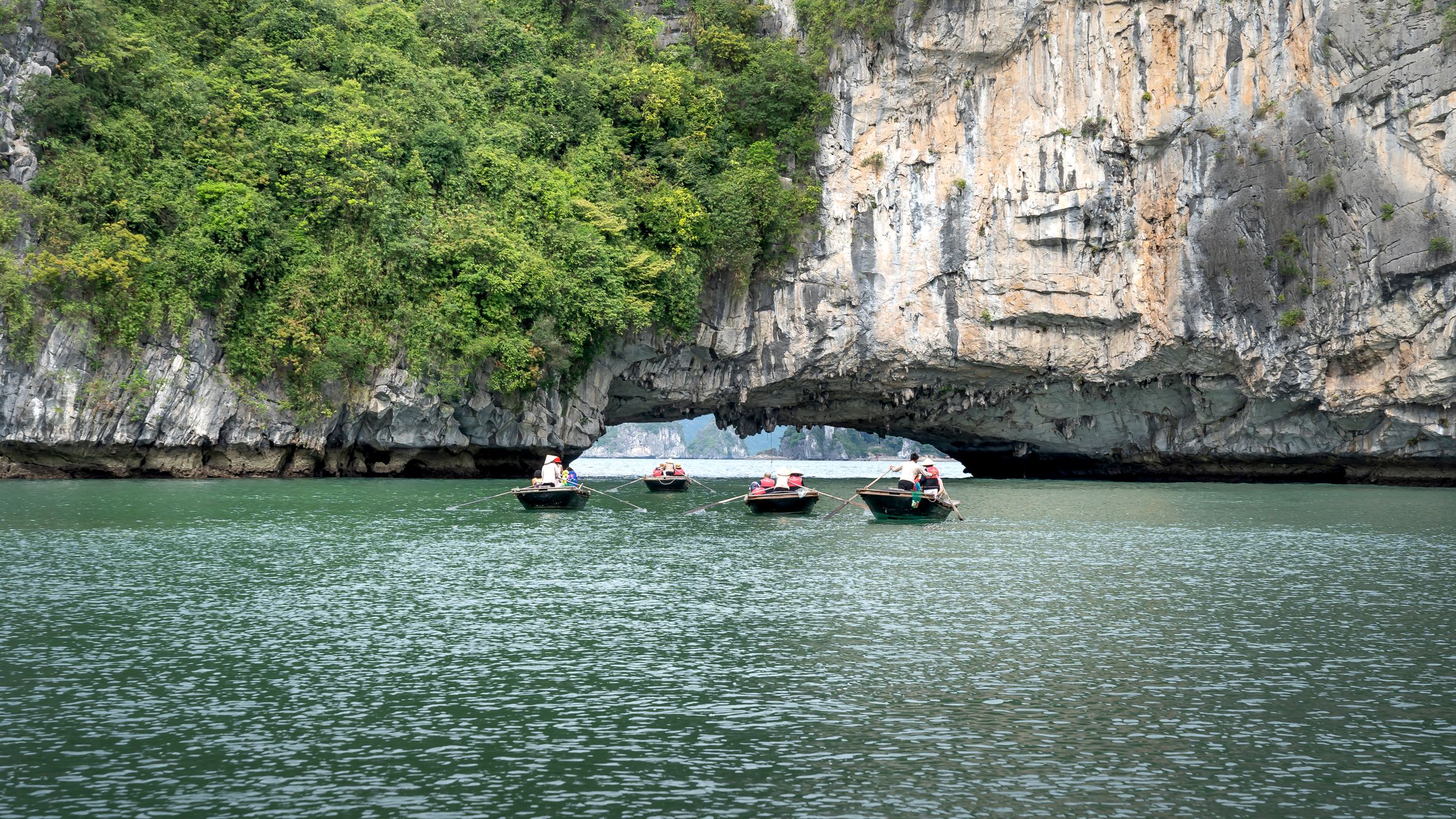
Dong Pa Thom is a through-cave, meaning it has an entrance on one side of the mountain and an exit on the other. The Song Nam Nua river flows through it, carving out chambers that range from tight squeezes to vaulted halls roughly 30-40 meters high. Stalactites and flowstone formations line the walls, shaped by water over millions of years. Local Thai ethnic communities have known about the cave for generations — the name roughly translates to "cave of the sacred stream" in the local language — but it was only formally surveyed and opened for tourism in the early 2000s.
Unlike the heavily developed caves at Ha Long Bay or Phong Nha, Dong Pa Thom has minimal infrastructure. There are walkways and basic lighting in the first sections, but deeper in you're wading through water by headlamp. That's part of the appeal.
Why travelers go
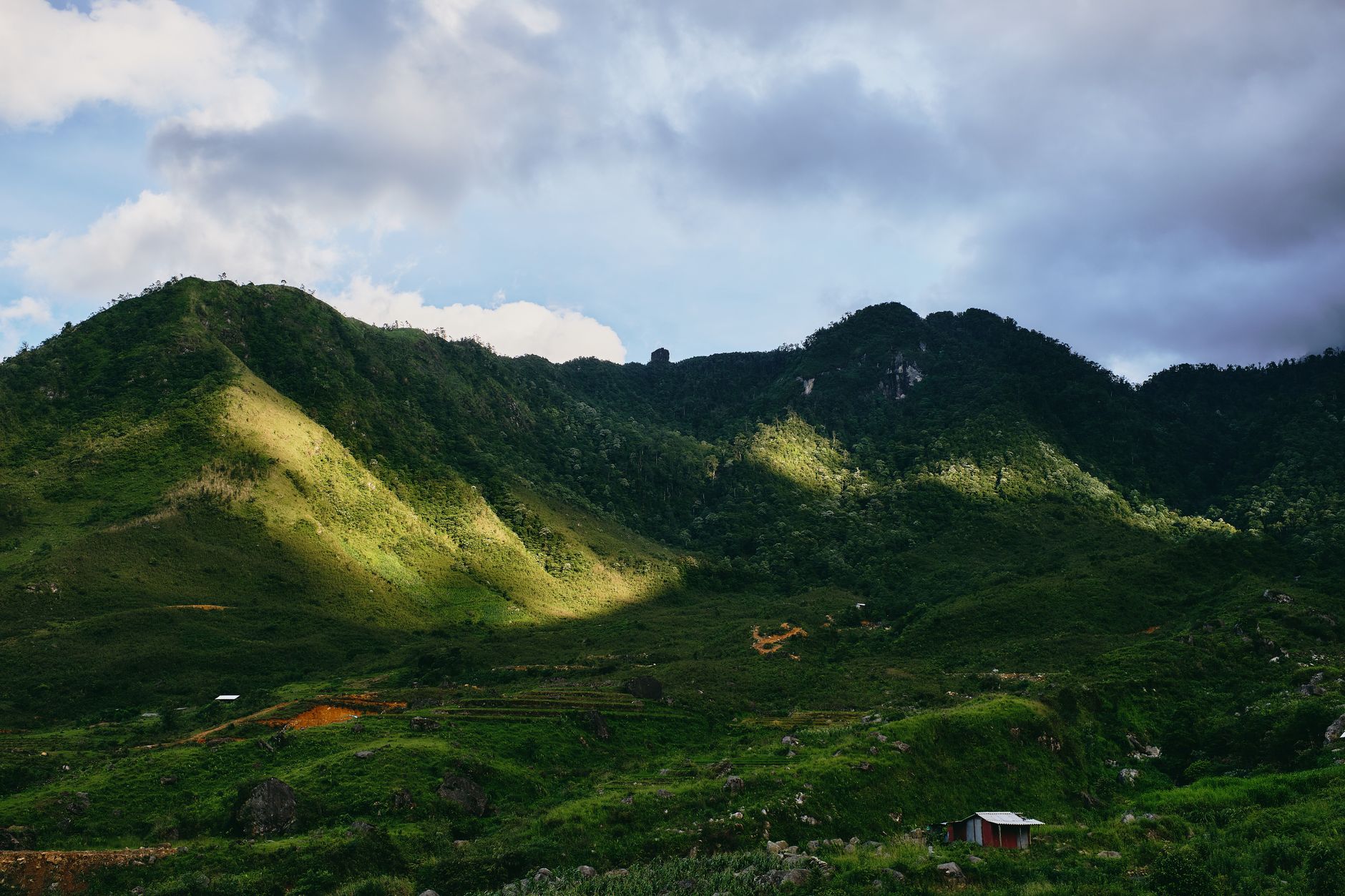
The cave itself is the main draw, but the setting matters too. The road from Dien Bien Phu winds through rice terraces, Thai stilt-house villages, and karst valleys that feel genuinely remote. You won't share the trail with tour buses. Visitors tend to be Vietnamese geology enthusiasts, motorbike travelers doing the northwest loop, or hikers looking for something off the usual Sapa-to-Ha Giang circuit.
The underground river is the defining feature. Depending on the season, you'll wade through knee-deep to waist-deep water inside the cave, with the sound of flowing water echoing off the limestone. It's a physical experience — not a walk-through-and-take-photos kind of cave.
Best time to visit
Come between October and March. The dry season keeps the underground river manageable — usually knee-deep at most — and the trails around the entrance aren't slippery mud. The air inside the cave stays cool year-round (around 18-20°C), which is a relief if you're visiting in the October heat that still lingers in the valleys.
Avoid June through August. The river swells during monsoon season, and parts of the cave can flood completely. Local guides will refuse to take you in when water levels are high, and they're right to. Even in September, conditions can be unpredictable. If you're set on a summer trip, call ahead to Na Nhan commune or your guesthouse in Dien Bien Phu to check current water levels.
How to get there
The nearest major hub is Dien Bien Phu city.
- From Hanoi to Dien Bien Phu: Fly (Vietnam Airlines operates daily flights, roughly 1 hour, tickets from 800,000-1,500,000 VND one way) or take a sleeper bus from My Dinh bus station (10-12 hours, around 350,000-450,000 VND). The bus ride through Son La province is scenic but long.
- From Dien Bien Phu to Dong Pa Thom: The cave is about 30 km south along Highway 12, then a turnoff onto a smaller road toward Na Nhan commune. By motorbike, it's roughly 45 minutes to an hour. You can rent a motorbike in Dien Bien Phu for 150,000-200,000 VND per day. Alternatively, hire a "xe om" (motorbike taxi) for around 200,000-300,000 VND round trip — negotiate before you go and make sure the driver waits.
There's no public bus to the cave. A private car with driver from Dien Bien Phu runs about 500,000-700,000 VND round trip.

Photo by Sea Man on Pexels
What to do
1. Walk the full cave passage
The through-cave trek takes 2-3 hours with a local guide. You'll enter from the south side, wade through the river, pass through several large chambers with formations lit by your headlamp, and exit on the north side of the mountain. A guide is essentially mandatory — it's easy to lose your footing on submerged rocks, and the route isn't always obvious. Guides can be arranged at the cave entrance for around 200,000-300,000 VND.
2. Swim in the river pools
Just outside the cave entrance, the stream forms shallow pools where the water is startlingly clear. In dry season, these are calm enough for a swim. Bring a towel — there are no facilities.
3. Visit the Thai stilt-house villages nearby
Na Nhan commune is home to Black Thai communities. The stilt houses along the road to the cave are lived-in homes, not tourist reconstructions. If you're polite and ask, families sometimes invite visitors up for tea. A few households sell handwoven textiles — scarves and blankets in deep indigo and red.
4. Hike the karst ridgeline
A trail from the cave's north exit climbs up to a ridge with views over the valley. It's steep, about 45 minutes up, and unmarked in places — ask your cave guide to point you in the right direction. Worth it for the perspective over the rice paddies below.
5. Combine with Pa Khoang Lake
Pa Khoang reservoir is about 20 km from the cave on the way back to Dien Bien Phu. It's a quiet spot for a late-afternoon stop — locals fish from small boats, and there are a few floating restaurants serving grilled fish.
Where to eat nearby
There are no restaurants at the cave itself. Eat before or after in Dien Bien Phu.
- "Com lam" — sticky rice cooked inside bamboo tubes over charcoal — is the local specialty. Vendors sell it at the morning market in Dien Bien Phu for around 15,000-20,000 VND per tube. It pairs well with grilled pork or "nem chua" (fermented pork sausage), which the Thai communities here make differently than the lowland version.
- For a proper meal, try a bowl of "pho" at one of the small shops along Street 7/5 in Dien Bien Phu. The local style uses more herbs than the Hanoi (하노이 / 河内 / ハノイ) version. A bowl runs 35,000-50,000 VND.
Where to stay
Budget (300,000-500,000 VND/night): Nha nghi (guesthouses) along the main road in Dien Bien Phu. Basic but clean. Try the cluster near the central market.
Mid-range (600,000-1,200,000 VND/night): Muong Thanh Dien Bien Phu hotel is the most reliable option in town — decent rooms, hot water that works, central location.
Homestay: A few families in Na Nhan commune near the cave offer overnight stays in stilt houses. Expect a mattress on the floor, mosquito net, and home-cooked dinner. Around 200,000-350,000 VND per person including meals. Ask at the commune office or have your guesthouse in Dien Bien Phu call ahead.

Photo by Quang Nguyen Vinh on Pexels
Practical tips locals would tell you
- Bring shoes you don't mind soaking. The cave river has a rocky bottom. Sandals with straps work; flip-flops don't. Old sneakers are ideal.
- Pack a headlamp, not just your phone flashlight. You need both hands free when wading through uneven terrain.
- Carry cash. There are no ATMs near the cave, and nobody out here takes cards.
- Bring water and snacks. The nearest shop is back in town.
- Start early. Leave Dien Bien Phu by 7:30 AM to beat the midday heat on the road and have the cave largely to yourself.
Common mistakes to avoid
- Skipping the guide. The cave is long, dark, and partially flooded. This isn't a DIY situation.
- Coming in monsoon season without checking conditions. Seriously — the river can rise a meter overnight.
- Wearing shorts and expecting to stay dry. You will get wet to the waist. Dress accordingly and bring a dry change of clothes in a plastic bag.
- Rushing through on a half-day. Budget a full day from Dien Bien Phu. Between the ride, the cave trek, and stops along the way, you'll want the time.
Practical notes
Dong Pa Thom doesn't appear in most guidebooks and has almost no English signage. That's not a drawback — it means the cave is in good shape and the experience feels earned. If you're passing through Dien Bien on a northwest Vietnam loop, or flying in to see the Dien Bien Phu battlefield site, add a day for this. You won't regret the wet shoes.
Last updated · May 26, 2026 · independently researched, never sponsored.