What it is and why it matters
Den Tho Hoang Cong Chat is a temple complex in Thanh Truong commune, Dien Bien district, about 8 km south of Dien Bien Phu city center. It honors Hoang Cong Chat, an 18th-century leader from the Red River Delta who led a resistance movement and eventually settled in the Muong Thanh Valley, where he governed and defended the local Thai ethnic communities for decades.
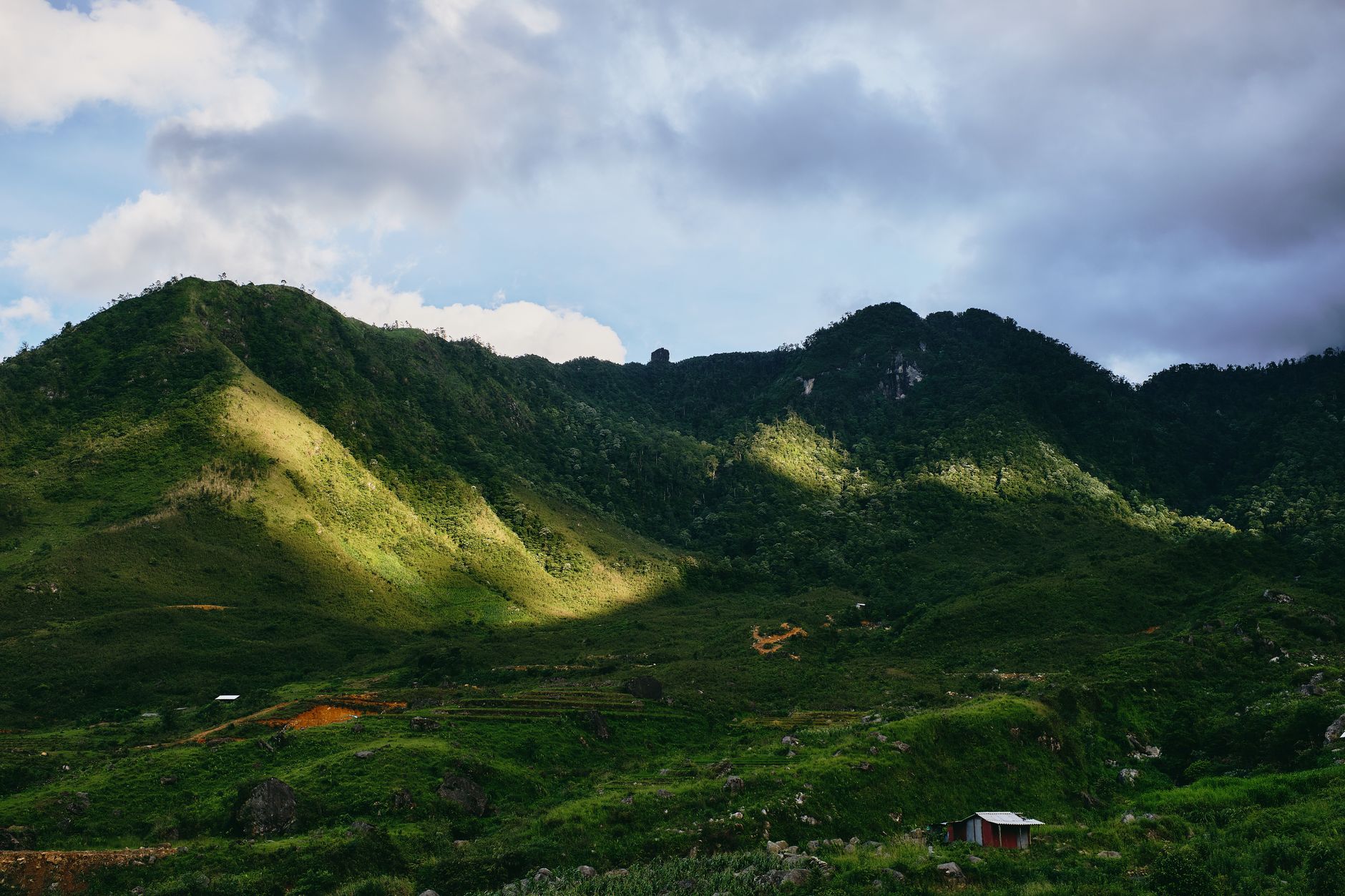
The temple sits on a modest rise overlooking rice paddies in the Muong Thanh Valley — the same wide, flat valley that later became famous for entirely different reasons. The complex was rebuilt and expanded in 2007 and recognized as a national historical site. It combines Viet lowland temple architecture with some regional Thai design elements, which makes it architecturally unusual for the northwest.
Most travelers blow through Dien Bien Phu in a day, ticking off the war-history sites before continuing a Ha Giang or Sapa loop. Den Tho Hoang Cong Chat gives you a reason to slow down and see a different layer of the region — one that predates the 20th century by a couple hundred years.
Why travelers go
This isn't a major tourist draw, and that's part of the appeal. You'll likely have the grounds to yourself, maybe sharing the space with a few local families lighting incense. The temple is well-maintained, the surrounding rice fields are genuinely beautiful in season, and it offers context for how the Muong Thanh Valley was a cultural crossroads long before it became a battlefield.
For anyone interested in the ethnic diversity of the northwest — Thai, Hmong, Kinh — the site adds texture. Hoang Cong Chat's story is essentially about a Kinh leader who integrated with Thai communities, which still defines the cultural mix in Dien Bien today.
Best time to visit
The temple hosts its main festival in the first lunar month, usually falling in February. If you time it right, you'll see traditional Thai dance, "xoe" performances, rice wine offerings, and the grounds packed with locals in traditional dress. It's one of the livelier cultural festivals in the northwest and far less touristy than anything you'd find in Hanoi or Sapa (사파 / 沙坝 / サパ).
Outside festival time, October through March is the best window. The rice harvest in September and October turns the valley gold, and the cool dry season from November through February keeps temperatures comfortable — highs around 20-24°C. Avoid June through August if you dislike rain; the valley gets waterlogged and the road conditions into Dien Bien deteriorate.

Photo by Quang Nguyen Vinh on Pexels
How to get there
Dien Bien Phu is remote. That's the honest starting point.
From Hanoi by air: Vietnam (베트남 / 越南 / ベトナム) Airlines operates daily flights to Dien Bien Phu airport (roughly 1 hour). Fares run 800,000–1,500,000 VND one way if you book a couple weeks ahead. This is the fastest option and the airport is only about 3 km from town.
From Hanoi by bus: Overnight sleeper buses leave from My Dinh bus station. The ride takes 10-12 hours on Highway 6 through Son La. Expect to pay around 350,000–450,000 VND. The road is winding but paved. If you get motion sick, the flight is worth every dong.
From Sapa: Local buses or minivans run the route via Lai Chau, roughly 6-7 hours, around 200,000–300,000 VND. The scenery through the Hoang Lien Son range is excellent, but the roads are narrow and the drivers are confident.
From Dien Bien Phu to the temple: Grab isn't reliably available here. Hire a "xe om" (motorbike taxi) for about 50,000–80,000 VND one way, or rent a motorbike in town for 120,000–150,000 VND per day. The ride south along the valley road takes about 15-20 minutes and is flat, easy riding through rice fields.
What to do
Walk the temple complex
The main hall houses the altar to Hoang Cong Chat, flanked by smaller shrines. The architecture blends Kinh-style temple design — curved rooflines, red lacquer, dragon motifs — with wooden elements that echo Thai stilt-house construction. Take your time in the courtyard; the carved stone and woodwork are detailed.
Explore the Muong Thanh Valley
From the temple, you're already in the heart of the valley. Ride a motorbike along the narrow dike roads between paddies. In harvest season, you'll pass Thai women threshing rice by hand. The valley stretches about 20 km long and is one of the largest flat areas in the entire northwest — it feels wildly different from the mountain passes you crossed to get here.
Visit nearby Thai villages
Several Thai ethnic villages sit within a few kilometers of the temple. Him Lam and Noong Nhai villages are closest. The stilt houses here are lived-in, not museum pieces. If you're respectful and curious, people are generally welcoming. Bring a small gift — fruit or sweets — if you're invited into someone's home.
Combine with Dien Bien Phu historical sites
The A1 Hill, the command bunker of Colonel de Castries, and the Dien Bien Phu Museum are all in town, about 8 km north. You can cover the temple and the war-history sites in a single day without rushing.
Catch a "xoe" dance performance
Thai "xoe" dancing is UNESCO-recognized intangible heritage, and Dien Bien is one of the best places to see it performed authentically. During the temple festival it's guaranteed; outside festival season, ask at your guesthouse — local cultural events happen more often than guidebooks suggest.
Where to eat nearby
Dien Bien Phu town has a handful of decent local restaurants along the main road. Two things to seek out:
"Com lam" — sticky rice cooked inside bamboo tubes over charcoal. It's a Thai staple in the northwest, and the versions here use local glutinous rice that's nuttier and more fragrant than what you'll find further east. Street vendors near the market sell tubes for 15,000–20,000 VND.
"Pa pinh top" — grilled fish stuffed with herbs and spices, wrapped in banana leaf. It's a Thai dish that you won't easily find outside the northwest. A plate at a local restaurant runs about 80,000–120,000 VND. Try the restaurants along Tran Dang Ninh street near the central market.
If you want something familiar, "pho" shops open early along Vo Nguyen Giap street — serviceable bowls for 35,000–45,000 VND.

Photo by HONG SON on Pexels
Where to stay
Budget: Guesthouses ("nha nghi") along Muong Thanh road go for 200,000–350,000 VND per night. Basic but clean. Hot water usually works.
Mid-range: Muong Thanh Hotel (the chain has a property here) offers reliable rooms from 500,000–800,000 VND. Air conditioning, Wi-Fi, breakfast included.
Homestay: A few Thai stilt-house homestays operate in villages near the valley. Expect to pay around 150,000–250,000 VND per person including dinner. This is the better experience if you're comfortable sleeping on a mat on a wooden floor.
Practical tips locals would tell you
- Dress modestly at the temple. Shoulders and knees covered. This applies year-round, not just during festivals.
- Bring cash. There are ATMs in Dien Bien Phu town, but nothing near the temple. Card payments are rare outside the Muong Thanh Hotel.
- Mosquito repellent. The valley paddies breed mosquitoes, especially at dusk. The temple visit is fine during midday, but if you're riding through the valley in the late afternoon, cover up.
- Learn a phrase. "Khop jai" means thank you in Thai language — locals notice when you try.
Mistakes to avoid
- Rushing through on a half-day stop. Dien Bien deserves at least one full day, ideally two. The valley riding alone is worth the time.
- Visiting only the war sites. The pre-20th-century history of the valley is just as interesting, and the temple is central to that story.
- Expecting Sapa-level tourist infrastructure. Dien Bien is not set up for mass tourism. That's its strength, but it also means fewer English menus, fewer booking platforms, and more pointing at things. Roll with it.
- Skipping the festival. If your dates are flexible at all, aim for the [lunar new year](/posts/tet / 越南春节 / テト)-lunar-new-year-guide) festival period in February. The temple goes from quiet and contemplative to genuinely festive, and the "xoe" dancing under lantern light is something you won't forget.
Last updated · May 29, 2026 · independently researched, never sponsored.