What Lang Tan Hoa Is — and Why It Matters
Lang Tan Hoa is a small farming village in Minh Hoa district, in the merged province of Quang Tri (formerly Quang Binh). It sits in a karst valley ringed by limestone mountains, about 70 km northwest of Dong Hoi. For most of its history, it was known mainly to locals — a flood-prone settlement where residents grew rice and raised cattle between monsoon seasons.
That changed when Oxalis Adventure and the British Cave Research Association began exploring the area's cave systems in the 2010s. Tan Hoa turned out to be sitting on top of one of the most significant karst networks in Southeast Asia, including the Tu Lan cave system. The village now serves as the jumping-off point for multi-day cave expeditions, and a small but growing tourism economy has taken root around it.
This isn't a resort town. There's no strip of souvenir shops or backpacker bars. Tan Hoa is a working village that happens to sit in an extraordinary landscape, and that's exactly the point.
Why Travelers Go
The draw is caves — specifically the Tu Lan cave complex. These aren't the drive-through, neon-lit show caves you find elsewhere in Vietnam (베트남 / 越南 / ベトナム). Tu Lan expeditions involve trekking through jungle, wading through underground rivers, and camping inside caverns. The flagship multi-day tour (operated by Oxalis) takes you through a series of connected caves with names like Hang Ken, Hang To Mo, and Tu Lan cave itself.
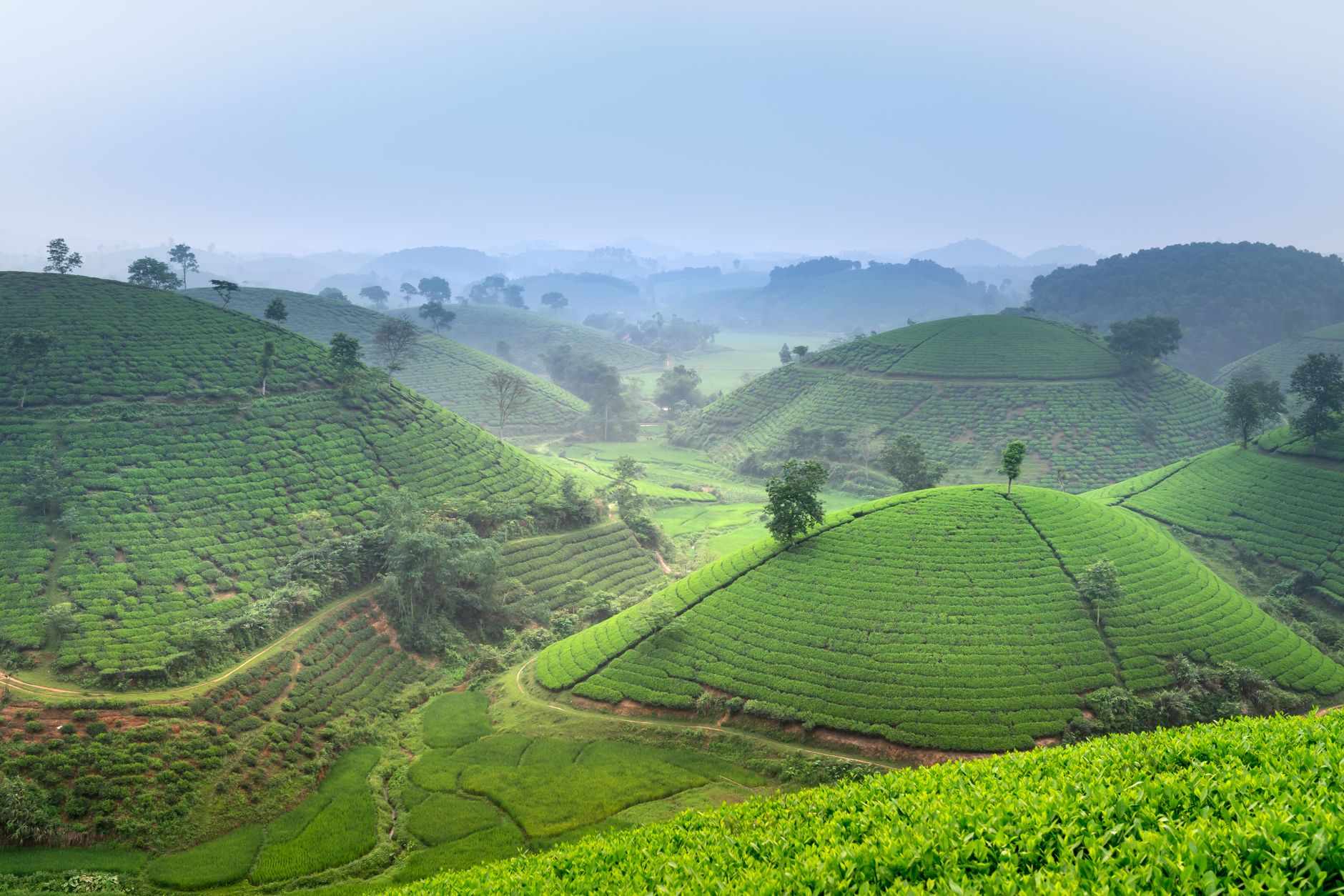
Beyond caves, the valley landscape is genuinely striking on its own. Rice paddies stretch between sheer limestone walls, and the Rao Nan river cuts through the middle of it. If you've been to Phong Nha and want something quieter and less developed, Tan Hoa delivers that.
Best Time to Visit
The sweet spot is February through August. The dry season peaks from March to June — warm days, minimal rain, and the best conditions for cave trekking. River levels are manageable, trails are firm, and you won't be slogging through mud.
Avoid September through November. This stretch of central Vietnam catches the tail end of the monsoon hard, and Tan Hoa's valley geography means flooding is a real issue, not a theoretical one. The village has been severely flooded multiple times in recent years. Oxalis suspends most cave tours during peak monsoon. December and January are cool and occasionally drizzly but generally fine for visiting.
How to Get There
The nearest major hub is Dong Hoi, which has its own airport (Dong Hoi Airport, VDH) with direct flights from Hanoi and Saigon. From Dong Hoi, Tan Hoa is about 70 km northwest — roughly 1.5 to 2 hours by car or motorbike depending on road conditions.
From Dong Hoi by car or private transfer: Most cave tour operators include transport from Dong Hoi in their package price. If you're arranging your own ride, a private car runs around 800,000–1,200,000 VND one way. Grab isn't reliably available for this route.
By motorbike: The ride from Dong Hoi follows the Ho Chi Minh (호치민 / 胡志明 / ホーチミン) Highway (QL15) for a stretch before turning onto smaller provincial roads. The scenery is excellent — limestone karsts, river crossings, and minimal traffic once you pass Phong Nha. Make sure your bike is in decent shape; the last 20 km has some rough patches.
From Phong Nha: If you're already based in Phong Nha (Son Trach village), Tan Hoa is about 50 km further northwest. It's a natural extension of a Phong Nha trip rather than a separate destination.
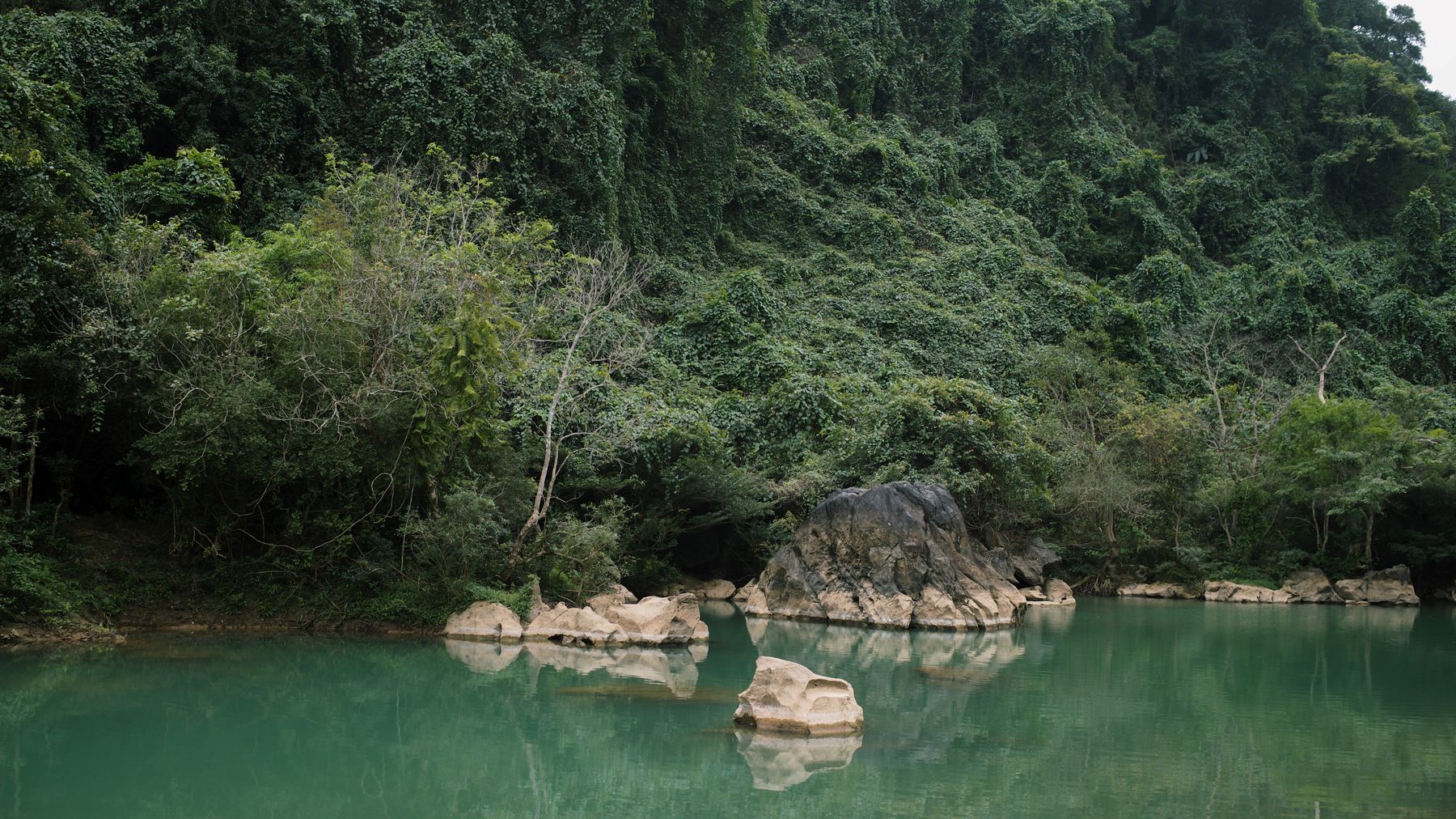
Photo by Lucas Tran on Pexels
What to Do
Join a Tu Lan Cave Expedition
This is the main event. Oxalis runs one-day, two-day, and multi-day treks through the Tu Lan system. The one-day tour (around 2,500,000–3,500,000 VND per person) covers Hang Ken and a jungle trek. The two-day version adds camping inside Tu Lan cave itself and swimming through underground river passages. These aren't casual walks — expect to get wet, muddy, and physically tired. Fitness requirements are moderate but real.
Trek the Valley Without a Cave Tour
You don't have to go underground to enjoy Tan Hoa. The valley itself is worth a half-day of walking or cycling. Follow the paths between rice paddies toward the base of the karst walls. The Rao Nan river has natural swimming spots that locals use. Early morning is best — the light through the valley is something else when mist sits low between the peaks.
Visit the Community Tourism Projects
Tan Hoa has developed a modest homestay and community tourism program. Some families offer guided walks through the village, explaining rice cultivation cycles and local life. It's low-key and genuine — nobody's performing for tourists here. Ask at your homestay about arranging a village walk.
Explore Hang Tien and Surrounding Caves
Hang Tien (Fairy Cave) is another cave system accessible from the area, run as a separate expedition by Oxalis. It's less trafficked than Tu Lan and involves more technical terrain. If you're already doing a Tu Lan trip and want to extend, this is the logical next step.
Where to Eat
Tan Hoa doesn't have a restaurant scene. Meals are typically included with homestay bookings or cave tour packages. What you'll eat is home-cooked Vietnamese food — rice, stir-fried greens, river fish, pork dishes. It's simple and good.
Ask your host about "banh loc" — a translucent tapioca dumpling filled with shrimp and pork that's a specialty of this part of central Vietnam. It's also worth trying "ram" — small deep-fried spring rolls common in the Quang Binh/Quang Tri region, similar to "cha gio" but with a slightly different wrapper and filling ratio. Both are everyday foods here, not tourist presentations.
For more dining variety, Phong Nha has a cluster of restaurants and cafes catering to travelers, about an hour's ride south.
Where to Stay
Accommodation in Tan Hoa is homestay-based. Expect clean, basic rooms with fans or basic air conditioning, shared or private bathrooms, and meals included. Rates run 250,000–500,000 VND per person per night including dinner and breakfast.
If you book a cave expedition with Oxalis, accommodation is typically bundled into the tour package. Their base in Tan Hoa has more polished facilities than the average homestay — think proper beds, hot water, and a common area.
For mid-range or hotel-style rooms, you'll need to base yourself in Phong Nha (Son Trach), where options range from 400,000 VND guesthouses to 2,000,000+ VND boutique spots.

Photo by Quang Nguyen Vinh on Pexels
Practical Tips Locals Would Tell You
- Bring cash. There are no ATMs in Tan Hoa. The nearest ones are in Dong Hoi or the Phong Nha tourist area. Card payments don't exist here.
- Pack light but pack smart. Quick-dry clothes, a headlamp, and decent footwear with grip. Sandals won't cut it on cave treks.
- Leeches are seasonal. In the wetter months (June–August), jungle leeches are active on the trails. Tuck your pants into your socks. It's not dangerous, just unpleasant.
- Phone signal is patchy. Viettel has the best coverage in this area, but expect dead zones once you're in the valley or underground.
- Book cave tours in advance. Oxalis caps group sizes and popular dates sell out weeks ahead, especially the two-day Tu Lan trek between March and June.
Common Mistakes to Avoid
Showing up without a booking. Tan Hoa is not set up for walk-in tourism. If you arrive without a cave tour reservation or homestay arrangement, you'll have limited options. Plan ahead.
Underestimating the physical demands. The cave treks involve river crossings, scrambling over rocks, and hours of walking in humid conditions. People in reasonable fitness manage fine, but this isn't a gentle sightseeing day. Be honest about your fitness level when choosing a tour.
Treating it as a day trip from Dong Hoi. You can technically drive up and back in a day, but you'll spend most of your time on the road. One night minimum makes sense; two nights if you're doing a multi-day cave expedition.
Practical Notes
Tan Hoa is best combined with time in Phong Nha as part of a broader central Vietnam loop — Hue, Phong Nha, Tan Hoa works well over five to seven days. The village is evolving quickly but still feels genuinely off the main tourist track. Go before that changes.
Last updated · May 29, 2026 · independently researched, never sponsored.