What it is
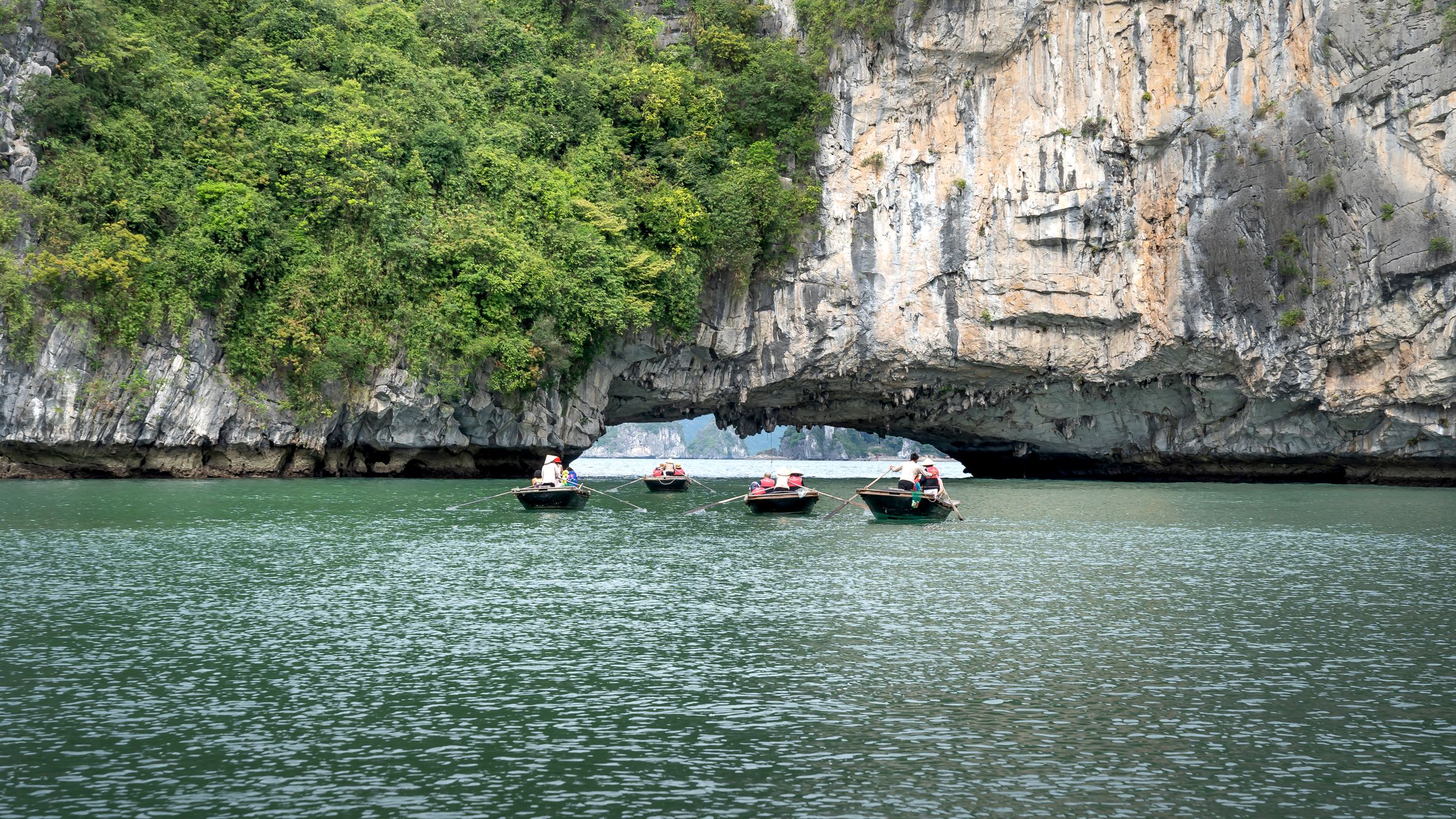
Dong Song Long — literally "Twin Dragon Cave" — is a sprawling limestone cave system tucked into the karst mountains of Tuyen Quang province in northern Vietnam (베트남 / 越南 / ベトナム). The cave stretches roughly 3 km into the mountainside, with chambers tall enough to fit a five-story building and formations that have been growing undisturbed for millions of years. Unlike the heavily touristed caves of Ha Long Bay or Phong Nha, Dong Song Long sees a fraction of the foot traffic, which means you'll often have entire chambers to yourself on a weekday visit.
The cave was surveyed and partially opened to visitors in the early 2010s, though locals had known about it for generations. Following the administrative merger that incorporated parts of the former Ha Giang province into Tuyen Quang's boundaries, the cave now sits within the expanded Tuyen Quang province — a detail that mostly matters for navigation apps and bus tickets.
Why travelers go
Three reasons people make the trip:
-
Scale without crowds. The main chamber alone runs over 200 m long with ceilings reaching 40-50 m. On a typical weekday, you might share it with a dozen other visitors — mostly domestic tourists from Hanoi on weekend drives.
-
Geological variety. Stalactites, stalagmites, flowstone curtains, and several underground pools. The "twin dragon" formations near the entrance are two parallel columns that do genuinely look like intertwined serpents.
-
Combinable with a northern loop. Dong Song Long works as a stop on the way to or from Ha Giang (하장 / 河江 / ハーザン)'s famous motorbike loop, or as a day trip extension from Tuyen Quang city. It pairs well with the waterfalls and tea plantations scattered across the province.
Best time to visit
The cave itself is cool year-round (around 18-20°C inside), so timing depends more on road conditions and scenery preferences.
- September to November: Rice terraces in the surrounding valleys turn gold. Roads are mostly dry after the heavy monsoon months. Best overall window.
- March to May: Comfortable temperatures for the drive. Spring blooms on the hillsides. Slightly more humidity inside the cave.
- Avoid June to August if you dislike riding wet mountain roads. The cave won't flood at the visitor-accessible sections, but the approach roads can get slippery.

Photo by Anh Tuấn Lê on Pexels
How to get there
From Hanoi, the drive to Tuyen Quang city takes about 3 hours via the Hanoi–Lao Cai expressway (exit at Yen Bai) or roughly 3.5 hours on the older QL2 highway through Phu Tho. From Tuyen Quang city, Dong Song Long is another 50-70 km north depending on exact route — budget 1.5-2 hours on winding provincial roads.
Options:
- Motorbike: The most flexible choice. Rentals in Tuyen Quang city run 150,000-200,000 VND/day for a Honda Wave or similar semi-automatic. Roads are paved but narrow with some sharp curves.
- Private car/driver: Arrange through your hotel. Expect 1,200,000-1,500,000 VND for a full-day round trip from Tuyen Quang city.
- Bus + local xe om: Catch a bus from Hanoi's My Dinh station to Tuyen Quang (around 120,000 VND, 3 hours), then negotiate a xe om or local taxi for the remaining distance. Less convenient but doable.
There's no direct tourist shuttle to the cave. GPS coordinates work better than asking for directions in English — save the pin before you lose phone signal in the valleys.
What to do
Inside the cave
The visitor route follows a concrete walkway with LED lighting installed along the main chambers. A full walk-through takes 60-90 minutes at a comfortable pace. The path is mostly flat with a few staircases. Highlights include the twin dragon columns near the entrance, a "fairy garden" section with dense clusters of thin stalactites, and a deep chamber toward the back where the ceiling disappears into darkness above you.
Entry tickets cost around 40,000-60,000 VND per person (prices have adjusted upward over the years — confirm at the gate). A local guide is sometimes available for 100,000-150,000 VND and worth it if you want geological context.
Around the cave
The surrounding area offers a few hours of additional exploration:
- Tea plantations on the hillsides — Tuyen Quang grows solid green tea, and some smallholders will let you watch processing if you show up at the right time.
- Small waterfalls within 10-15 km of the cave entrance, particularly after rain.
- Ethnic minority villages (Tay and Dao communities) where you can see stilt houses and occasionally catch a local market day.
Where to eat
Don't expect restaurants near the cave itself. Your best bet is eating in Tuyen Quang city before or after the drive.
- "Com binh dan" stalls along the main road near the central market serve rice plates with grilled pork, morning glory, and fried tofu for 35,000-50,000 VND.
- Pho in Tuyen Quang leans toward the Hanoi style — clear broth, thin rice noodles, fresh herbs on the side. Look for shops that are packed at 7 AM.
- "Thit trau gac bep" (smoked buffalo meat) is a regional specialty worth trying — chewy, intensely smoky, served sliced thin with chili dipping sauce. Available at local restaurants and sometimes from roadside vendors on the drive north.
- If you're heading onward toward Ha Giang, "thang co" (horse meat hotpot) starts appearing at roadside eateries in the higher elevations.
Pack snacks and water for the cave visit — there's a small drink vendor at the cave entrance but nothing substantial.
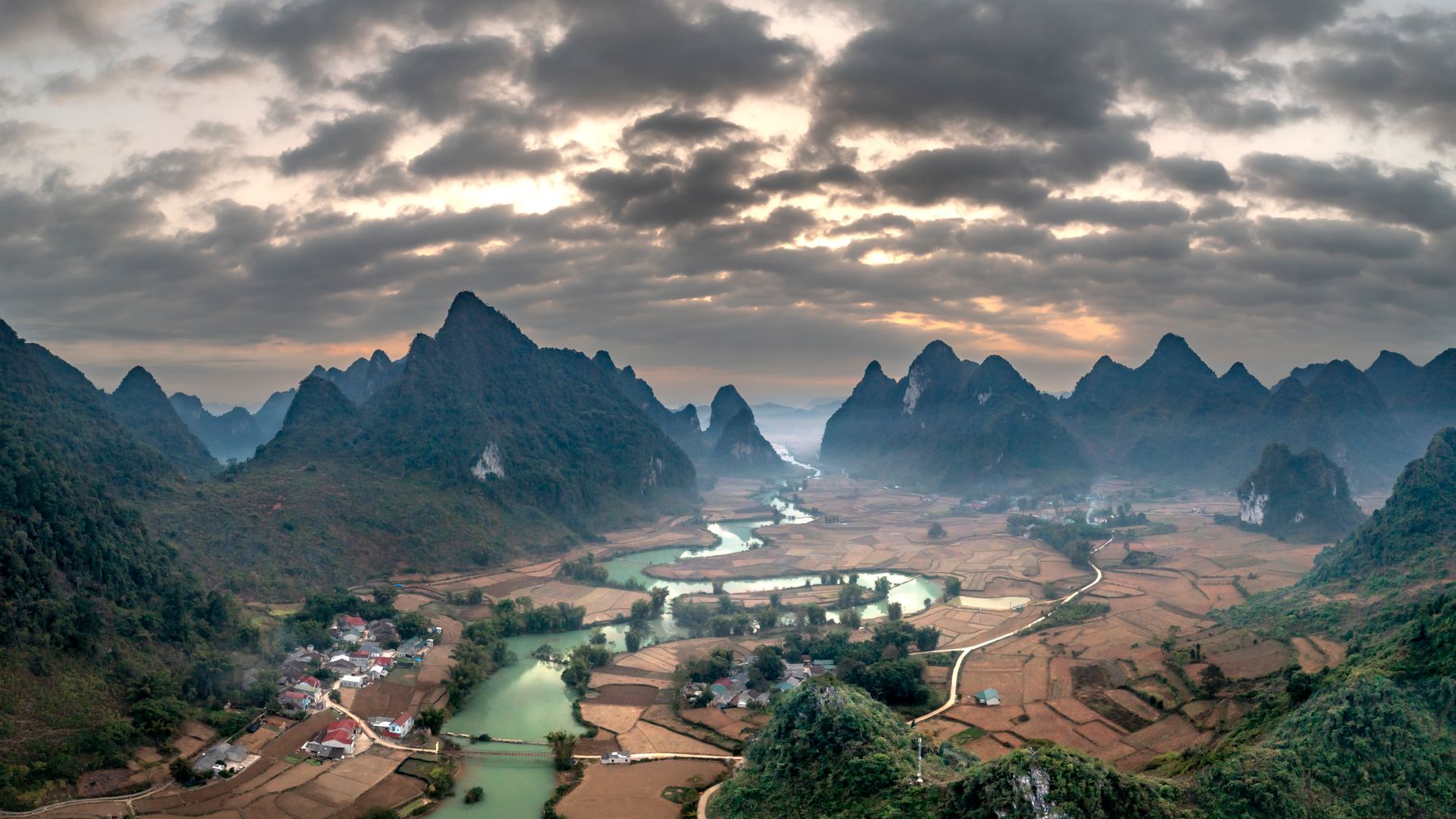
Photo by Quang Nguyen Vinh on Pexels
Where to stay
Tuyen Quang city has a handful of decent hotels in the 300,000-600,000 VND range (clean rooms, hot water, Wi-Fi). Nothing fancy, but functional:
- Mid-range: Look along Nguyen Van Cu street near the river for newer mini-hotels with air conditioning and breakfast included.
- Budget: Basic nha nghi (guesthouses) near the bus station start around 200,000 VND/night.
- Homestays: If you want to stay closer to the cave, ask locally about Tay homestays in nearby villages. Expect basic sleeping arrangements on mattresses in a stilt house, communal dinner, and very limited English — but genuine hospitality. Around 250,000-350,000 VND including dinner and breakfast.
Booking apps (Agoda, Booking.com) have limited coverage for Tuyen Quang. Walking in and asking works fine for the city hotels.
Practical tips
- Bring a headlamp or phone flashlight even though the cave is lit — some side alcoves are worth peering into.
- Wear shoes with grip. The walkway gets slippery from condensation.
- ATMs exist in Tuyen Quang city but are scarce outside it. Carry cash.
- Phone signal drops to zero inside the cave and can be patchy on the drive. Download offline maps.
- If combining with Ha Giang, budget at least one night in Tuyen Quang to break up the driving.
Common mistakes
- Trying to day-trip from Hanoi. It's technically possible (6-7 hours of driving round trip plus the cave visit) but exhausting. Stay overnight.
- Visiting on a weekend or Vietnamese holiday. Domestic tour groups arrive by bus on Saturdays — the cave goes from peaceful to loud quickly.
- Skipping the surrounding area. The cave alone takes 90 minutes. If that's all you do, the long drive feels disproportionate. Combine it with waterfalls, tea fields, or a homestay night to justify the trip.
- Expecting English signage. There's almost none. Learn basic Vietnamese phrases or have Google Translate downloaded offline.
Last updated · May 29, 2026 · independently researched, never sponsored.





