
What it is
Thanh Nha Mac (Mac Dynasty Citadel) sits on a low hill above the Lo River in Tuyen Quang city, about 165 km northwest of Hanoi. Built in the 1500s during the Mac Dynasty's retreat northward, the fortress served as a military stronghold for roughly 85 years. What remains today is a crumbling but atmospheric set of laterite and stone walls — some sections over 4 meters high — plus a restored gate, moss-covered ramparts, and old wells scattered across the grounds.
The citadel was recognized as a national historical relic in 2001. It's not a polished tourist site with ticket counters and audio guides. That's part of its appeal.
Why travelers go
Most people passing through Tuyen Quang are en route to Ha Giang or heading back toward Hanoi (하노이 / 河内 / ハノイ) after a motorbike loop. The citadel gives you a reason to stop for half a day in a city that otherwise gets skipped. Three draws:
- Atmosphere over spectacle. The walls are overgrown with banyan roots and creeping vines. Early morning light through the stone archways photographs well without crowds.
- Historical depth. Vietnam (베트남 / 越南 / ベトナム)'s citadels in Hue and Hanoi get all the attention. Thanh Nha Mac is rougher, older in parts, and tells a less familiar story — the Mac Dynasty's decades-long hold on the northern highlands.
- River setting. The Lo River bends just below the citadel hill. You can combine a visit with a walk along the riverbank promenade, which Tuyen Quang recently developed with landscaping and food stalls.
Best time to visit
Tuyen Quang sits in the midland zone — cooler than the delta, warmer than Sapa. Best months are October through March, when humidity drops and skies clear. Avoid July–August unless you enjoy rain-soaked laterite (slippery). The citadel grounds are open year-round; there's no gate fee.
If you time it right, the Tuyen Quang Mid-Autumn Festival (Tet Trung Thu) in September/October is one of the largest in the country — massive lantern floats parade through town, and the citadel area hosts performances.
How to get there
From Hanoi
Drive or bus — no train, no flights to Tuyen Quang.
- Bus: My Dinh bus station → Tuyen Quang bus station. Departures every 30–45 minutes from 6:00 AM. Journey takes 2.5–3 hours. Tickets around 100,000–130,000 VND.
- Motorbike/car: Take QL2 (National Highway 2) northwest through Viet Tri and Phu Tho. Straightforward road, mostly flat until the last 40 km. Total: ~165 km, about 3 hours by motorbike.
From Ha Giang
If you're finishing a Ha Giang loop and heading south, Tuyen Quang is a natural overnight. Take QL2 south from Ha Giang city — roughly 150 km, 3.5–4 hours by motorbike depending on your pace through the mountain sections.
Getting to the citadel from town
The citadel is on Bao Quoc Hill, about 1.5 km from Tuyen Quang's central market area. Walk, or grab a xe om for 15,000–20,000 VND.

Photo by Quang Nguyen Vinh on Pexels
What to do
Walk the walls. The outer perimeter is roughly 1 km. Some sections are intact enough to walk along the top; others are reduced to foundation lines in the grass. Budget 45–60 minutes for a slow loop.
Find the North Gate. The best-preserved structure — a stone archway with original carved blocks. This is where most visitors take photos.
Explore the inner wells. Two ancient wells inside the citadel walls still hold water. Locals say they never dry, even in drought years.
River walk. After the citadel, head down to the Lo River promenade. In the evening, food carts sell grilled corn, "che" (sweet soup), and local sugarcane juice.
Tan Trao historical area. If you have a full day, combine with a trip to Tan Trao village (40 km west), where the Viet Minh held their national congress in 1945 under a banyan tree. It's a quiet, forested site — historically significant and easy to pair with the citadel.
Where to eat
Tuyen Quang isn't a food destination on the level of Hanoi or Hue, but it has solid regional dishes:
- "Thang co" — a sour, herbal organ-meat hotpot borrowed from Hmong highland cuisine. Find it at stalls near Tam Coc Market one — Tuyen Quang has its own Tam Coc Market on Nguyen Van Cu street).
- Grilled stream fish — small restaurants along the Lo River serve freshwater fish grilled over charcoal with turmeric and dill, similar to Hanoi's "cha ca" but rougher, cheaper. 80,000–120,000 VND per plate.
- Pho — nothing exceptional here, but the breakfast pho stalls on Tran Hung Dao street are reliable and cost 30,000–40,000 VND.
- Com tam appears on a few menus but this is northern territory — don't expect Saigon-level broken rice. Stick to rice-and-meat plates ("com binh dan") for lunch.
Where to stay
Tuyen Quang has no hostels and no boutique hotels. Accommodation is functional:
- Muong Thanh Grand Tuyen Quang — the nicest option in town. Clean rooms, river views from upper floors. Around 600,000–800,000 VND/night.
- Local nha nghi (guesthouses) — clustered near the bus station. Basic but fine for one night. 200,000–350,000 VND. Look for ones on 17 Thang 8 street.
Book ahead during Tet / 越南春节 / テト) Trung Thu festival — the town fills up.
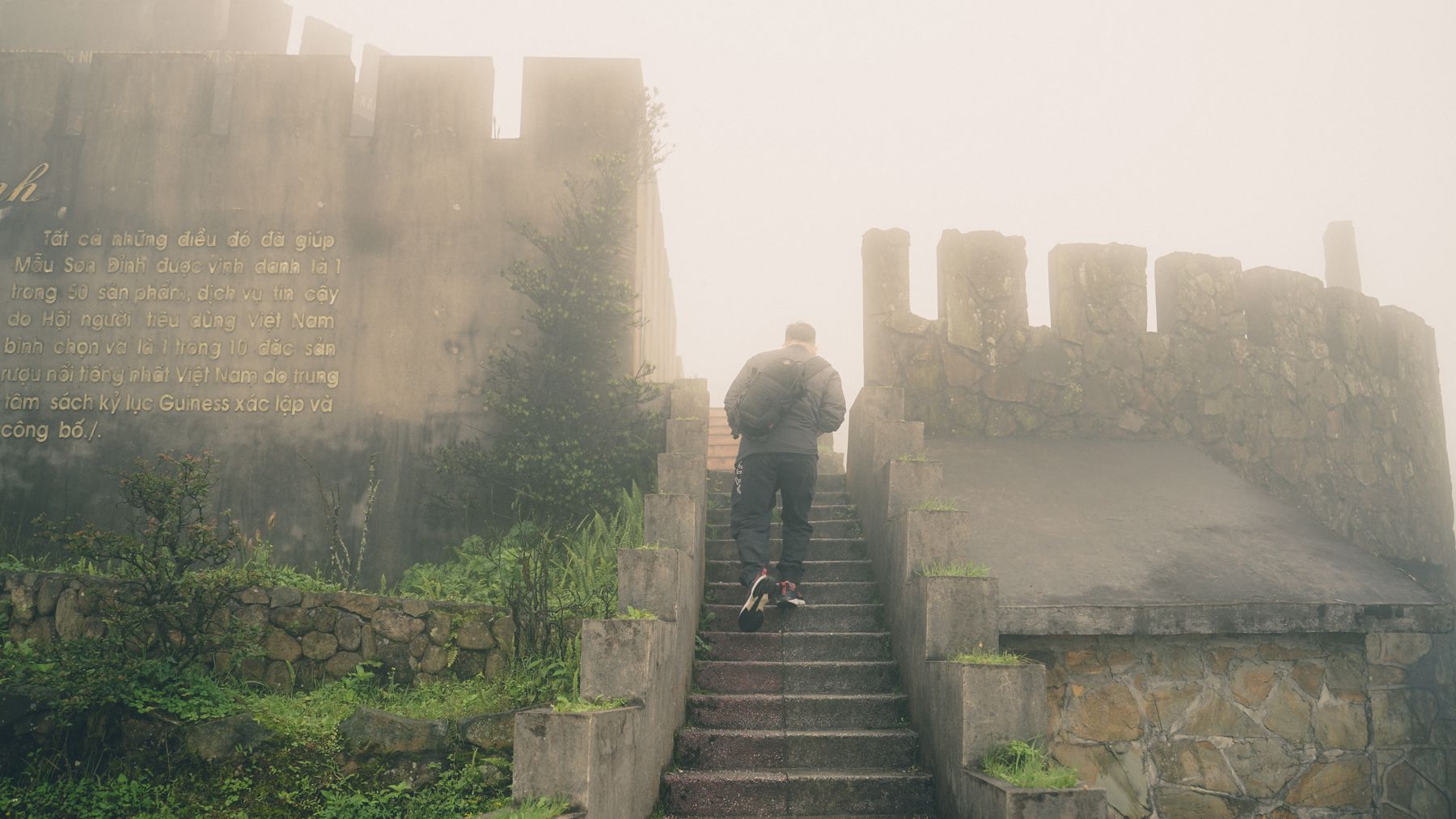
Photo by Hieu Duong on Pexels
Practical tips
- Wear shoes with grip if visiting after rain; the laterite paths around the citadel walls get slick.
- There's no English signage at the citadel. Download offline Vietnamese on Google Translate before you arrive.
- ATMs (Agribank, Vietcombank) are in the town center, 1.5 km from the site.
- The citadel is unlit — visit before 5:30 PM or bring a headlamp if you're there at dusk.
Common mistakes
- Skipping Tuyen Quang entirely. Most Ha Giang riders blast through to Hanoi in one shot. Breaking the ride here gives you a less-touristed stop and a historical site you won't share with bus groups.
- Expecting a restored monument. This isn't Hue's Imperial Citadel. It's a ruin in the best sense — atmospheric, quiet, unpolished. Adjust expectations accordingly.
- Visiting midday. The hill has minimal shade. Early morning or late afternoon is far more comfortable, especially April–September.
Final note
Thanh Nha Mac won't be the highlight of a two-week Vietnam trip. But if you're moving between Hanoi and Ha Giang — or just want a reason to spend a night somewhere most travelers ignore — it's a worthwhile stop. Thirty minutes of quiet among 500-year-old walls, then grilled fish by the river. That's a good afternoon.
Last updated · May 29, 2026 · independently researched, never sponsored.





