What Ganh Son actually is
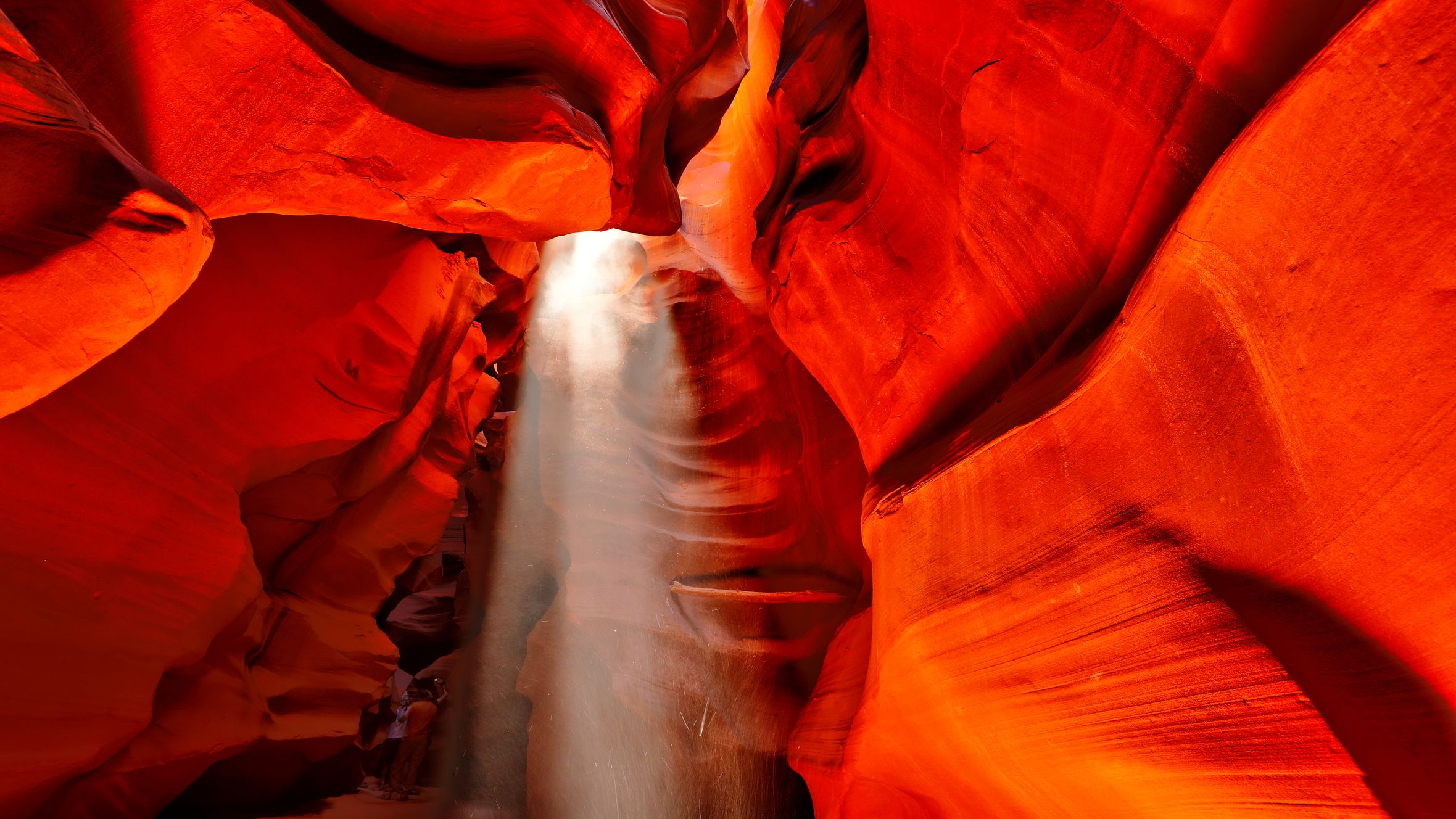
Ganh Son — sometimes called Suoi Tien or the Red Sand Canyon — is a narrow gorge cut through layers of red, orange, and white sandstone by a shallow stream. It sits about 25 km northeast of Phan Thiet, on the edge of the coastal sand dune system that stretches along this part of central Vietnam (베트남 / 越南 / ベトナム). The formations aren't volcanic or man-made; they're the result of centuries of erosion working through soft laterite and sandstone deposits.
The canyon runs roughly 300 meters in length. You walk through it barefoot, ankle-deep in a rust-colored stream, with walls rising 10-15 meters on either side. The color palette shifts depending on the mineral content of each layer — deep terracotta at the base, pale cream near the top, with occasional streaks of purple-grey clay.
Locals have known about this place forever. It only started appearing on tourist maps in the early 2000s when Mui Ne (무이네 / 美奈 / ムイネー)'s resort boom brought more visitors to the surrounding area.
Why travelers go
Ganh Son isn't a full-day destination. It's a strange, photogenic detour — the kind of place that feels like you wandered onto another planet for 45 minutes. The appeal is simple: the colors are genuinely unusual, the walk is easy, and it costs almost nothing.
Photographers come early morning or late afternoon when low-angle light hits the canyon walls and turns them electric. Families come because kids love wading through the stream. Everyone else comes because it's a 20-minute break from the beach that actually delivers something different.
Best time to visit
The dry season — November through April — is ideal. The stream stays shallow (shin-deep at most), the sand is firm underfoot, and afternoon rain won't catch you mid-canyon.
During rainy season (May–October), water levels rise unpredictably. The stream can reach knee-height after heavy downpours, and the canyon floor gets slippery. It's not dangerous, but it's less pleasant, and the overcast skies flatten out those color contrasts you came for.
For photography specifically: visit between 6:30–8:00 AM or after 4:00 PM. Midday sun creates harsh shadows and washes out the reds.
How to get there
From Phan Thiet (the nearest city with transport connections), Ganh Son is about 25 km northeast — roughly 35 minutes by motorbike or taxi.
- Motorbike rental from Phan Thiet or Mui Ne: 120,000–150,000 VND/day. The road is paved the entire way. Head north on DT716 toward Ham Tien, then follow signs toward Suoi Tien.
- Grab car from Mui Ne resort strip: approximately 150,000–200,000 VND one way.
- Organized tour: Most Mui Ne tour operators bundle Ganh Son with the white sand dunes and fishing village for 250,000–400,000 VND per person (half-day).
If you're coming from Da Lat (about 160 km away, 4 hours by bus), take any southbound bus to Phan Thiet and arrange local transport from there. Direct buses run daily from Da Lat's Lien Khuong area for around 180,000 VND.

Photo by Quang Nguyen Vinh on Pexels
What to do
Walk the canyon floor
The main event. Remove your shoes at the entrance, roll up your pants, and wade upstream through the shallow creek. The canyon narrows and widens unpredictably. Some sections have smooth sand floors; others have clay that squishes between your toes. Budget 30–45 minutes for a relaxed walk to the end and back.
Climb the dune ridges
At several points along the canyon, eroded paths lead up to the rim. From the top, you get a wide view of the surrounding scrubland and — on clear days — the coast in the distance. The sand up here is soft and deep. Good for panoramic shots looking down into the gorge.
Sand sliding
Kids (and adults who don't mind sandy clothes) slide down the steeper dune faces on pieces of cardboard or plastic sheets. Local vendors at the entrance sell makeshift sleds for 20,000 VND. It's low-tech fun.
Visit the fairy stream section
Beyond the main canyon, the stream continues through a flatter, more open landscape of white sand formations. It's quieter here, fewer visitors bother walking this far. Another 15 minutes of wading gets you to some interesting wind-sculpted pillars.
Catch sunset from the surrounding dunes
The red and white sand dunes surrounding Ganh Son are worth lingering on if your timing is right. The sand catches golden-hour light in a way that photographs well without any effort.
Where to eat nearby
There's no restaurant scene at Ganh Son itself — just a few drink vendors selling coconut water (25,000 VND) and bottled water. For actual food, head back toward Mui Ne or Phan Thiet.
Two things worth seeking:
- Banh canh with fish cake — the Phan Thiet version uses thick tapioca noodles in a pork-and-fish broth. Look for stalls along Nguyen Tat Thanh street in Phan Thiet. A bowl runs 35,000–45,000 VND.
- Fresh seafood at the Mui Ne fishing village — buy directly from boats in the morning, have a nearby kitchen grill it for you. Expect 80,000–150,000 VND per plate depending on catch.
Where to stay
Ganh Son doesn't have accommodation. You'll base yourself in Mui Ne or Phan Thiet:
- Budget: Guesthouses along Mui Ne's backpacker strip, 200,000–400,000 VND/night. Basic but clean, most include breakfast.
- Mid-range: Boutique resorts set back from the beach, 800,000–1,500,000 VND/night. Pool access, decent breakfast buffets.
- Splurge: Beachfront resorts with private pools, 2,500,000+ VND/night.

Photo by thAnh nguyễn on Pexels
Practical tips locals would tell you
- Bring a plastic bag for your phone and wallet. You will splash. The stream isn't deep, but a stumble happens.
- Wear shorts you don't love. The red clay stains fabric permanently. White clothes are a terrible idea.
- Go early on weekends. By 9 AM, tour buses arrive and the canyon feels crowded. Weekday mornings you might have it to yourself.
- No entrance fee — technically. Locals sometimes charge 10,000–15,000 VND for "parking" your motorbike. It's not official, but it's not worth arguing over.
- Sunscreen on your shoulders and neck. The canyon walls reflect heat, and you're exposed from above the whole time.
Common mistakes to avoid
- Wearing flip-flops into the stream. They get sucked off in the clay. Go barefoot or wear water sandals with heel straps.
- Visiting at noon. The canyon becomes an oven between 11 AM–2 PM. No shade, no breeze, harsh light. Terrible photos, uncomfortable walk.
- Skipping it because it sounds touristy. Yes, it appears on every Mui Ne itinerary. It's still worth 45 minutes of your time. The geology is real and unusual — this isn't a manufactured attraction.
- Not bringing water. The vendors at the entrance overcharge. Carry your own bottle.
Practical notes
Ganh Son works best as a morning stop combined with other Mui Ne area sights — the white dunes, the fishing village, maybe a seafood lunch. It's not a destination you travel hours for on its own, but if you're anywhere in this part of central Vietnam, the detour pays off. Allow 1–1.5 hours total including the drive from Mui Ne.
Last updated · Apr 16, 2026 · independently researched, never sponsored.