What it is
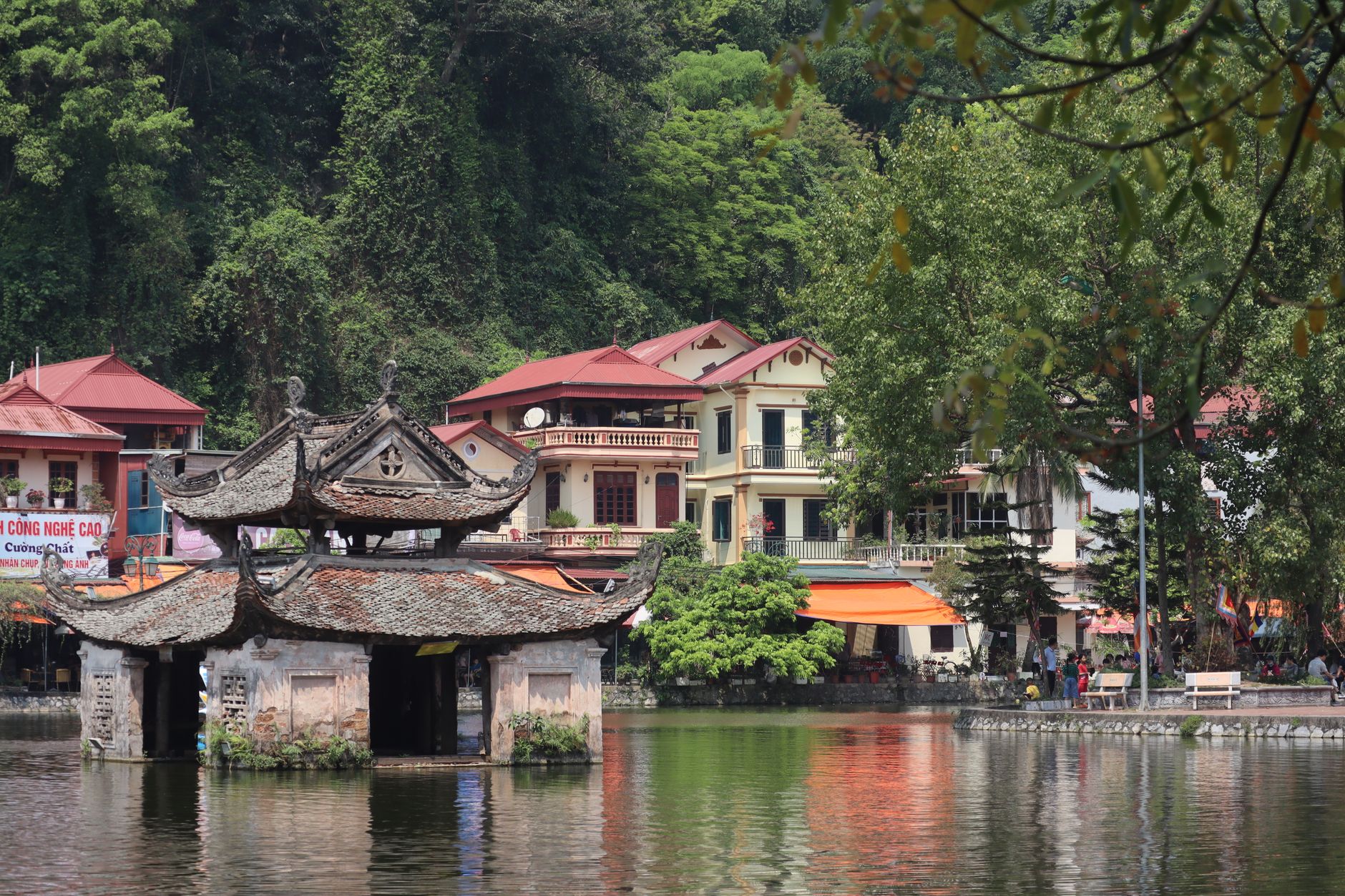
Ho Dong Chuong is a large natural freshwater lake located in the lowlands south of Ninh Binh (닌빈 / 宁平 / ニンビン) city, surrounded by limestone karst formations and rice paddies. Following the 2025 provincial merger that consolidated Ha Nam and Nam Dinh into greater Ninh Binh province, the lake now sits more centrally within the expanded provincial boundaries — but geographically, nothing changed. It's the same quiet body of water it's always been, roughly 300 hectares of calm surface ringed by fishing villages and scattered pagodas.
The lake has served as a water reservoir and fishing ground for local communities for centuries. Unlike the heavily touristed Tam Coc or Trang An complexes nearby, Ho Dong Chuong sees almost no international visitors. That's partly why it works — there's no ticket booth, no loudspeaker, no queue of boats.
Why travelers go
People come here for the quiet. If you've spent a day navigating the boat traffic at Tam Coc or dodging tour groups at Bai Dinh, Ho Dong Chuong is the antidote. The karst scenery is similar in character to what you find elsewhere in Ninh Binh — jagged limestone peaks rising from flat water — but without the infrastructure built around it.
Birdwatchers come during the wet season when egrets and herons congregate along the marshy edges. Photographers show up at dawn for the mist that settles over the lake surface. Cyclists pass through on routes connecting Ninh Binh city to the southern districts. It's not a destination that demands a full day — more like a half-day detour that rewards you with something genuine.
Best time to visit
The sweet spot is October through December. The rainy season has tapered off, the lake is full, the surrounding rice has been harvested (golden stubble fields), and mornings are cool enough to cycle comfortably. Temperatures hover around 22-26°C.
January and February work too, though it gets grey and drizzly — atmospheric if you don't mind damp clothes. Avoid June through August if you dislike heat and afternoon downpours; the lake area has zero shade infrastructure.
Early morning (before 7am) is the best window regardless of season. The fishing boats are out, the light is soft, and you'll have the road to yourself.
How to get there
From Ninh Binh city center, Ho Dong Chuong is approximately 15 km south, reachable in about 25-30 minutes by motorbike or car.
- Motorbike rental from Ninh Binh city: 120,000-150,000 VND/day. Head south on DT477 toward Yen Mo district, then follow local signs toward the lake. Google Maps has the pin correctly.
- Grab car: around 80,000-120,000 VND one way from Ninh Binh station area. Return Grabs are unreliable out here — arrange a wait or have your driver's number.
- Bicycle: doable if you're staying in Ninh Binh city and enjoy flat riding. The road is paved and mostly level, about 45 minutes at a relaxed pace.
From Hanoi, take the train or bus to Ninh Binh (2-2.5 hours, 80,000-120,000 VND by bus from Giap Bat station), then continue locally.

Photo by Quang Nguyen Vinh on Pexels
What to do
Rent a small boat from a local family
Several families along the eastern shore rent aluminum or wooden boats for 100,000-150,000 VND per hour. There's no formal pier — you'll see boats pulled up on the bank near the village access roads. Point at a boat, negotiate a price, and you're on the water. The boatman paddles; you sit.
Cycle the perimeter
A rough road circles most of the lake, passing through three or four small villages. Total loop is about 12 km. The surface alternates between concrete village lanes and packed dirt — fine on any bike except a road racer. You'll pass fish farms, vegetable plots, and a couple of small temples.
Visit the lakeside pagodas
Two modest pagodas sit on the northern shore, both dating to the Le dynasty period. They're community temples, not tourist sites — remove your shoes, keep your voice down, and don't fly a drone overhead. The architecture is typical northern Delta style: low wooden beams, moss-covered courtyards, incense smoke.
Watch the fishing nets at dawn
Local fishermen use large square lift nets ("vó bè") operated by hand-cranked bamboo frames. Watching the rhythm of the net rising and falling, silhouetted against the karst backdrop, is one of those moments that doesn't need a filter.
Photograph the karst reflections
The lake surface is calmest before 6:30am. The limestone formations on the western edge reflect almost perfectly in still conditions. Bring a polarizing filter if you shoot with a proper camera.
Where to eat nearby
The lake area itself has no restaurants — just a few family homes that might offer you rice and whatever they cooked that morning if you ask politely.
Back toward Ninh Binh city, look for "[com tam](/posts/com-tam-saigon (사이공 / 西贡 / サイゴン)-broken-rice)" plates at the small rice shops along DT477 — grilled pork over broken rice, 35,000-45,000 VND. For something more regional, seek out "banh cuon" (steamed rice rolls) in Yen Mo town, about 5 km from the lake. The rolls here are thinner than the Hanoi version, served with a dipping sauce that leans sweeter.
If you're heading back to Ninh Binh city for dinner, the goat meat restaurants along Trang An road are the local specialty — grilled goat, goat hotpot, goat stir-fried with lemongrass. Budget 150,000-200,000 VND per person with beer.
Where to stay
There's no accommodation at the lake itself. Your options:
- Ninh Binh city: Budget hostels from 150,000 VND/night; mid-range hotels 400,000-700,000 VND; a few boutique places around 1,200,000 VND.
- Tam Coc area (closer to the lake by a few km): Homestays from 250,000 VND; nicer riverside lodges 600,000-1,500,000 VND. This puts you in a better position for an early morning lake visit.

Photo by Menderes Kahraman on Pexels
Practical tips locals would tell you
- Bring your own water and snacks. There are no convenience stores near the lake.
- Sunscreen and a hat are non-negotiable from March onward. The lake perimeter is fully exposed.
- If you want a boat, go before 8am — many fishermen head home after their morning haul and won't take passengers later.
- The dirt sections of the perimeter road get muddy after rain. Flip-flops are a bad choice; closed shoes or sandals with grip work better.
- Phone signal is fine (Viettel, Mobifone both work). But don't count on mobile data for navigation in the villages — download offline maps beforehand.
Common mistakes to avoid
- Showing up midday: The lake bakes under direct sun from 11am-3pm. There's no shade, no café, no escape. Morning only.
- Expecting Tam Coc-level scenery: The karst here is less dramatic and less concentrated. Come for the atmosphere, not the Instagram shot.
- Not confirming your return transport: If you took a Grab out, you may wait 30+ minutes for a return car. Arrange beforehand or rent your own wheels.
- Flying a drone without asking: The villages here are small and conservative. Ask before you launch anything overhead. Some families will say no — respect that.
Practical notes
Ho Dong Chuong works best as a half-day addition to a broader Ninh Binh itinerary — pair it with Tam Coc or Hoa Lu in the same day. Budget 3-4 hours total including transit. No entrance fee, no ticket, no hassle.
Last updated · May 26, 2026 · independently researched, never sponsored.