Lam Kinh doesn't appear on most tourist itineraries, which is exactly why it's worth the detour. This is where the Le dynasty began — a complex of royal temples, tombs, and ceremonial halls spread across a forested valley about 50 km west of Thanh Hoa city. If you have any interest in Vietnamese history beyond the well-trodden sites in Hue, this is one of the most rewarding places in the country to spend a half day.
What Lam Kinh is and why it matters
Lam Kinh (sometimes written Lam Son) was the hometown of Le Loi, who led a decade-long uprising against Ming Chinese occupation in the early 15th century and founded the Le dynasty in 1428. After taking the throne, Le Loi built a ceremonial complex here to honour his ancestors and serve as a secondary capital. For the next several centuries, Le dynasty kings returned to Lam Kinh for coronation rites, ancestral worship, and royal burials.
The site covers roughly 200 hectares. What you see today is a mix of original stone foundations, restored wooden halls, royal tombs scattered through the surrounding hills, and ancient trees that have been growing here for centuries. It earned national heritage status and has been undergoing careful restoration since the early 2000s.
Think of it as a quieter, less polished counterpart to the Imperial Citadel Thang Long in Hanoi or the royal tombs in Hue (후에 / 顺化 / フエ) — fewer crowds, no tour buses, and a much more rural atmosphere.
Why travelers go
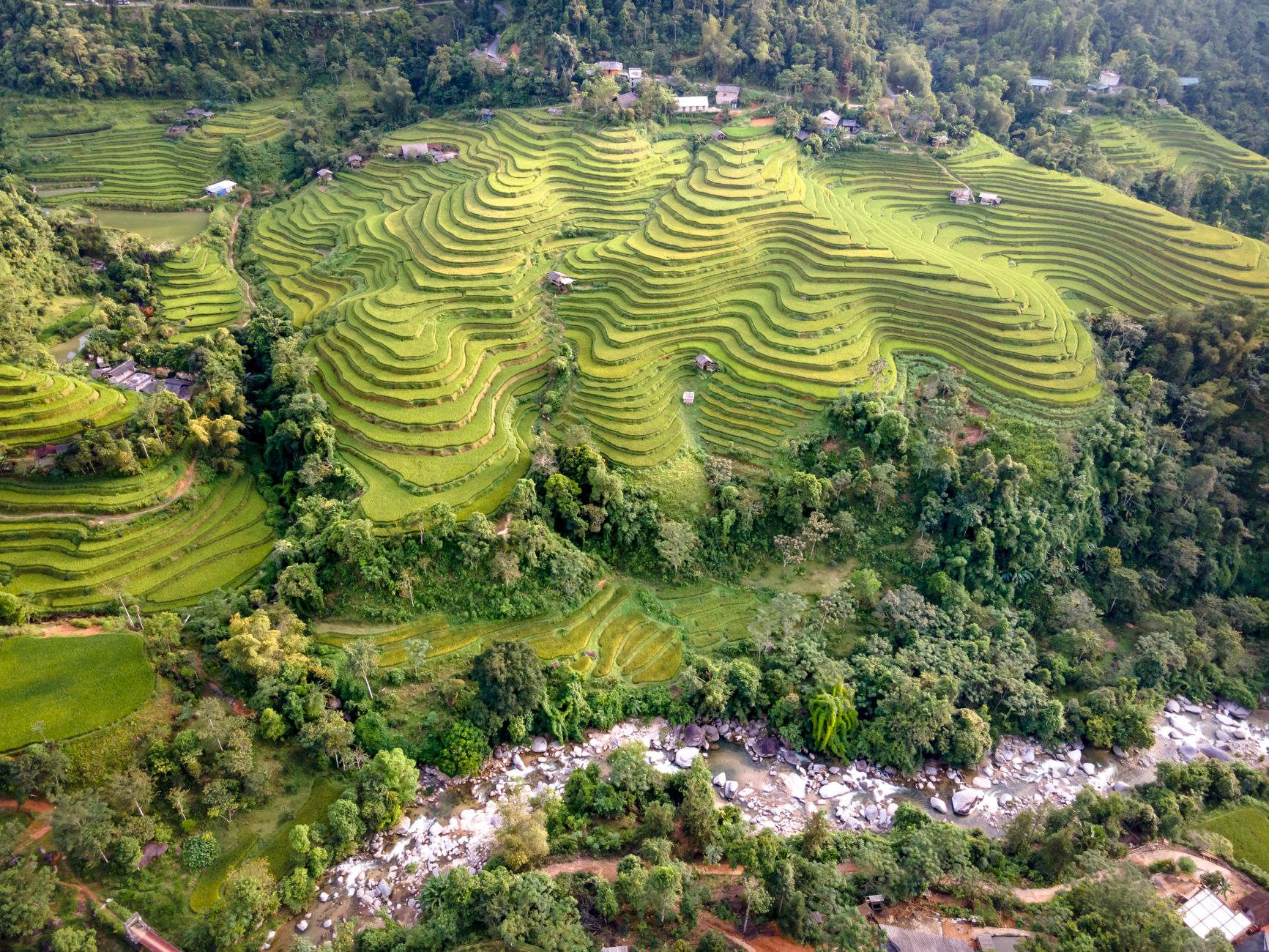
Most visitors are Vietnamese history enthusiasts or domestic tourists, especially during the Lam Kinh Festival each September (lunar calendar). Foreign travelers are rare, which means you'll likely have the place nearly to yourself on a weekday. People come for the combination of history and landscape — the complex sits in a valley backed by forested limestone hills, with lotus ponds and old-growth trees throughout the grounds. It's genuinely peaceful, not in a brochure way, but in the way that a place with very few visitors and a lot of shade tends to be.
Best time to visit
The sweet spot is October through March, when the weather in Thanh Hoa is cooler and drier. Summers (May–August) are hot and humid — you'll be walking outdoors with minimal shade between structures, and temperatures regularly hit 37–38°C. If you want to catch the annual Lam Kinh Festival, it falls around the 22nd day of the 8th lunar month (usually September), with traditional music, processions, and performances. Outside of festival time, mornings are best — arrive before 9 AM to beat the midday heat.
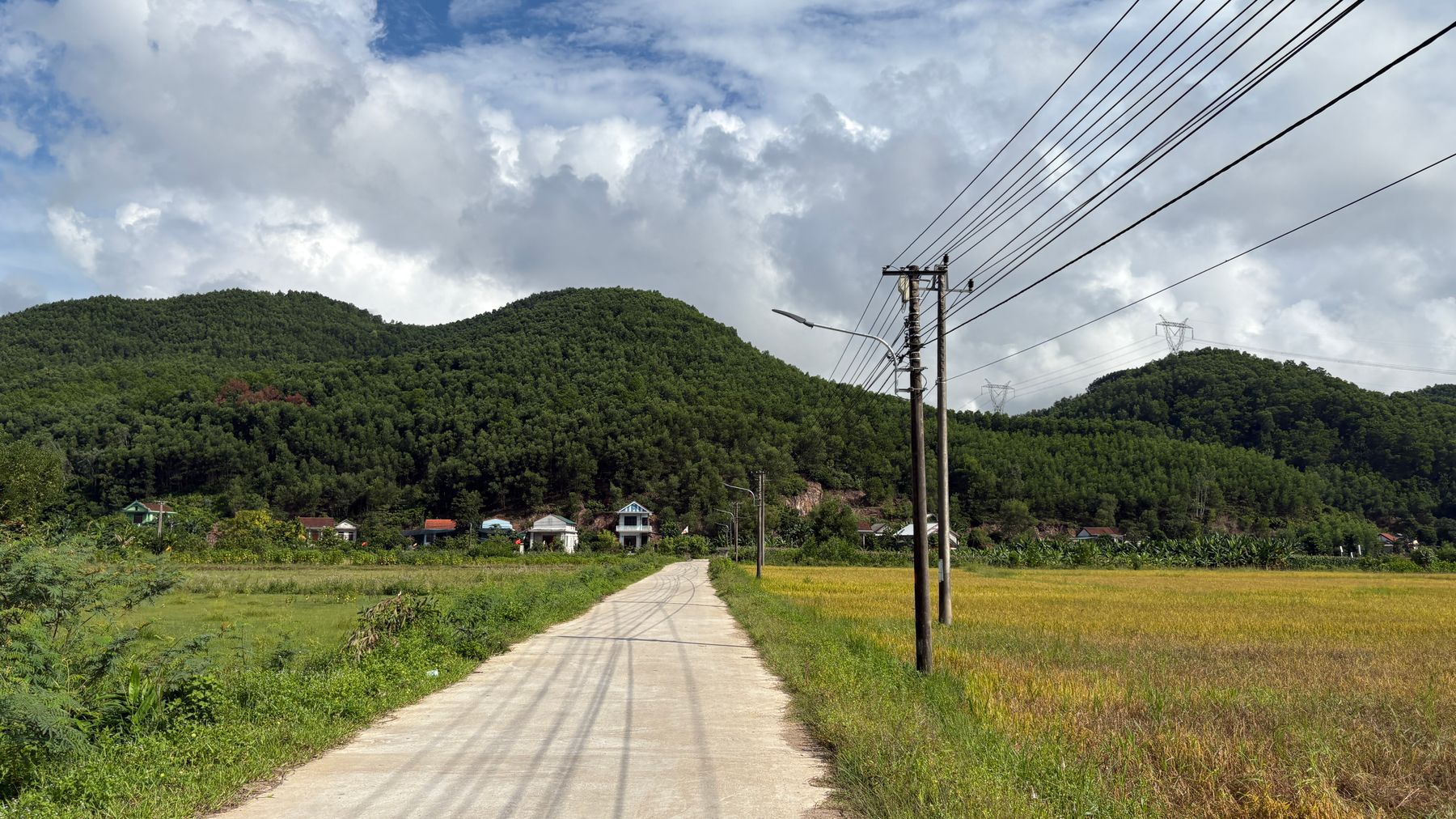
Photo by lhthoai on Pexels
How to get there
From Thanh Hoa city
Lam Kinh is about 50 km northwest of Thanh Hoa city, in Tho Xuan district. The drive takes roughly 1 hour by car or motorbike along QL47 (National Route 47). The road is decent two-lane blacktop through rice paddies and small towns.
- Motorbike rental from Thanh Hoa city runs about 120,000–150,000 VND/day. This is the most flexible option.
- Taxi or Grab car will cost around 350,000–450,000 VND one way. Negotiate a return fare or have the driver wait — getting a ride back from Lam Kinh can be tricky.
- Local bus routes exist from Thanh Hoa bus station toward Tho Xuan, but schedules are unreliable and you'll still need a xe om (motorbike taxi) for the last few kilometres.
From Hanoi
Thanh Hoa is about 150 km south of Hanoi (하노이 / 河内 / ハノイ). The Reunification Express train takes roughly 3–3.5 hours and costs 80,000–180,000 VND depending on seat class. Buses from Giap Bat or Nuoc Ngam stations run frequently for around 100,000–130,000 VND. Once in Thanh Hoa, arrange onward transport as above.
What to do at Lam Kinh
Walk the central ceremonial axis
The main complex follows a north-south axis starting from the Nghi Mon (ceremonial gate), through the Quang Duc hall, and ending at the Chinh Dien — the principal worship hall. The Chinh Dien was rebuilt in 2010 using traditional joinery techniques, all hardwood, no nails. The stone dragon banisters along the staircases are originals from the 15th century and worth a close look.
Visit Le Loi's tomb
Le Loi's tomb (Vinh Lang) sits on a low hill behind the main complex. It's modest compared to the royal tombs in Hue — a grass-covered mound with stone guardian figures and a simple stele house. The walk up takes five minutes and gives you a good vantage point over the valley. Nearby, you'll find the tombs of other Le dynasty kings spread through the surrounding forest, each with their own stone animals and stele.
See the thousand-year-old trees
The grounds contain several massive old-growth trees, including a famous "cay dai" (banyan-like hardwood) near the main hall estimated at over 1,000 years old. These are genuinely impressive — trunk circumferences you'd need four or five people to wrap around.
Explore the outer temples and lotus ponds
Beyond the central axis, paths wind through smaller temples, pavilions, and ponds thick with lotus in summer. Budget at least 90 minutes to walk the full site without rushing. A full loop including the outer tombs takes 2–3 hours.
Where to eat nearby
There's no real restaurant scene at Lam Kinh itself — just a few drink stalls near the entrance. For a proper meal, head back toward Tho Xuan town or Thanh Hoa city.
Thanh Hoa is known for "nem chua" — fermented pork rolls wrapped in banana leaf. You'll see them sold everywhere, and they're one of the best regional snacks in central Vietnam. For a sit-down meal, look for "banh cuon" shops in Tho Xuan town — the rice crepes here are made fresh and typically served with a slightly different dipping sauce than what you'd find in Hanoi. In Thanh Hoa city, the seafood along the Sam Son beach road is decent and affordable.

Photo by Quang Nguyen Vinh on Pexels
Where to stay
Most travelers base themselves in Thanh Hoa city and day-trip to Lam Kinh. Accommodation options in the city:
- Budget guesthouses (nha nghi): 200,000–350,000 VND/night. Basic but clean. Clustered around the train station area.
- Mid-range hotels: 500,000–900,000 VND/night. Air conditioning, decent Wi-Fi, breakfast included at most.
- Higher-end options: A few newer hotels along Le Loi street run 1,000,000–1,500,000 VND/night.
There's no accommodation at Lam Kinh itself.
Practical tips locals would tell you
- Bring water and sun protection. There's limited shade between structures, and the drink stalls sometimes close on quiet days.
- Hire a local guide at the entrance if you want context. Guides cost around 100,000–200,000 VND and most speak some English. Without one, you'll miss the significance of most structures since signage is mostly in Vietnamese.
- Entry fee is 30,000 VND per person — negligible.
- Combine with nearby stops. The Tho Xuan area has several smaller temples. If you're driving back toward the coast, Sam Son beach is about 75 km east and makes for a decent afternoon if the weather cooperates.
Mistakes to avoid
- Don't come at midday in summer. There's almost no one around to help if you overheat, and the site has zero indoor cooling.
- Don't rely on finding transport back. If you took a taxi, have them wait or arrange a pickup time. Grab availability outside Thanh Hoa city is spotty.
- Don't skip the outer tombs. Most visitors stick to the central complex and miss the forest paths to the royal burial sites, which are arguably the most atmospheric part of the visit.
- Don't expect Hue-level restoration. Lam Kinh is rougher around the edges, with some structures still in ruins. That's part of its character — go in expecting an archaeological site with a forest walk, not a polished heritage park.
Last updated · May 26, 2026 · independently researched, never sponsored.