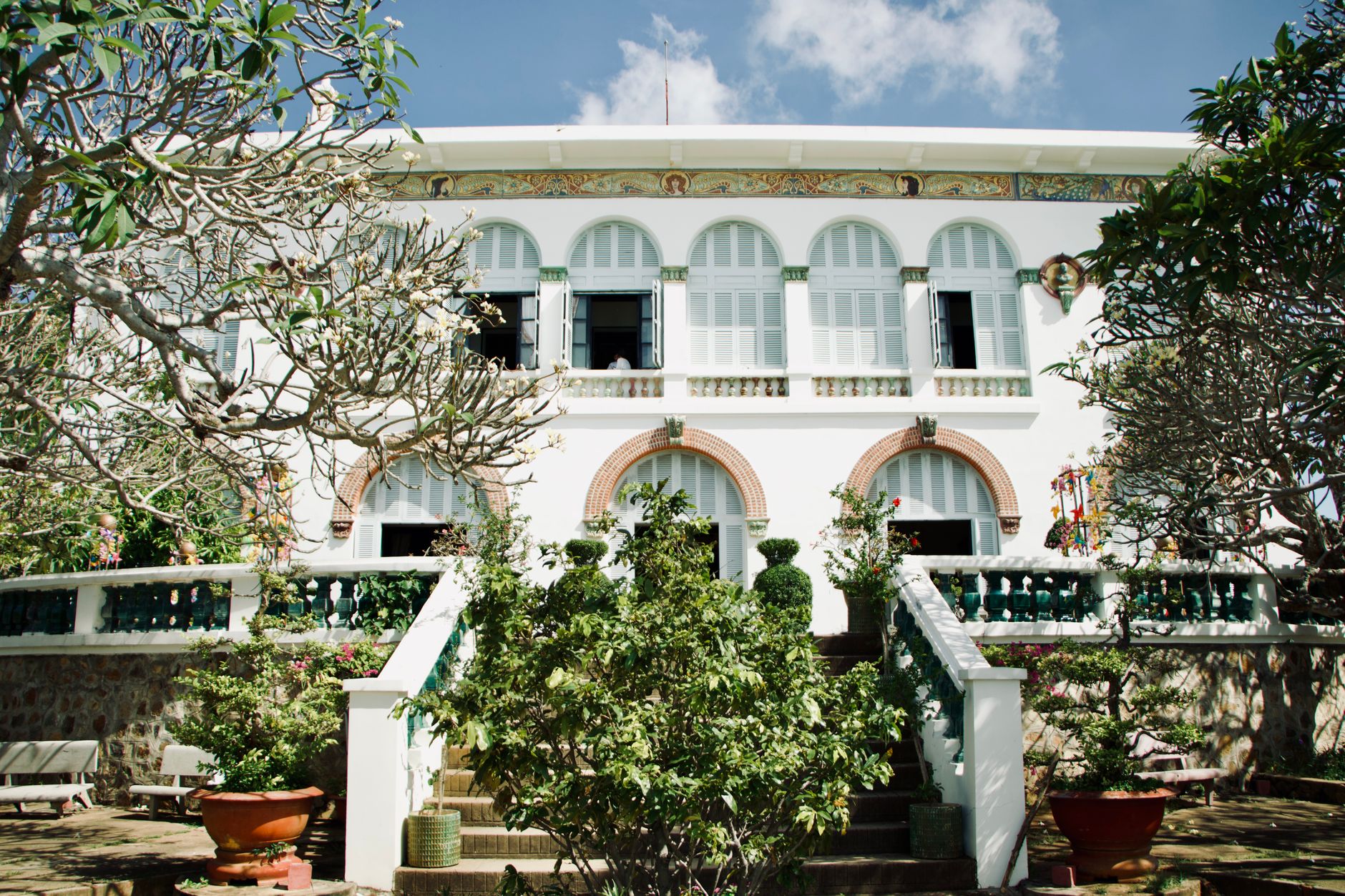
Non Nuoc stone carving village sits right at the base of the Marble Mountains in Da Nang's Ngu Hanh Son district. It's one of the oldest craft villages in Vietnam — roughly four centuries of chiseling marble, and the sound of hammer on stone still carries across the road most mornings.
What it is and how it got here
The village has been producing marble sculpture since the late 17th century, originally using stone quarried directly from the Marble Mountains above. That local quarrying was banned in the early 2000s to protect the mountains, so workshops now truck in marble from Nghe An, Thanh Hoa, and Ninh Binh (닌빈 / 宁平 / ニンビン) provinces farther north. The craft itself hasn't changed much. Families pass techniques down through generations, and you'll still see artisans working with hand tools alongside the newer electric cutting machines. The range runs from palm-sized Buddha figures to three-metre garden lions destined for someone's courtyard in Korea or Japan. A significant chunk of the output gets exported — this isn't just a tourist show.
Most visitors come because they're already heading to the Marble Mountains and the village is literally across the road. That's fair enough, but it's worth more than a drive-by. Unlike mass-produced souvenir shops elsewhere in Vietnam, the pieces here are made on-site. You can watch a block of raw stone become a detailed Quan Am statue over the course of a few days. If you're interested in Vietnamese craft traditions, this is one of the more accessible ones — no appointment needed, no entrance fee, no guided tour required. You just walk in and look around.
For buyers, the prices are significantly lower than what the same pieces sell for in Hoi An or Saigon gift shops. And if you're furnishing a house or garden in Vietnam, the workshops handle custom orders and domestic shipping.
Best time to visit
Da Nang (다낭 / 岘港 / ダナン)'s dry season runs roughly from March through August, and that's your best window. The village is outdoors — open-air workshops, stone dust everywhere — so a rainy day in October or November makes for a less pleasant visit. Mornings are better year-round, both for the light (if you're photographing) and because artisans tend to start early and wind down by mid-afternoon when the heat peaks. Weekday mornings are quieter; weekends bring domestic tour groups.
From central Da Nang (the area around the Dragon Bridge or Han River), it's about 9 km south along the coast road. A Grab car costs 60,000–80,000 VND and takes 15–20 minutes depending on traffic. A Grab bike is roughly half that. If you're staying at one of the beach hotels along My Khe, it's even closer — maybe 5–10 minutes by motorbike.
From Hoi An, it's about 18 km north. A Grab runs around 150,000–200,000 VND, or you can rent a motorbike for the day (100,000–150,000 VND from most Hoi An rental shops) and combine the village with the Marble Mountains in one trip. There's no convenient public bus route that drops you right at the village entrance.
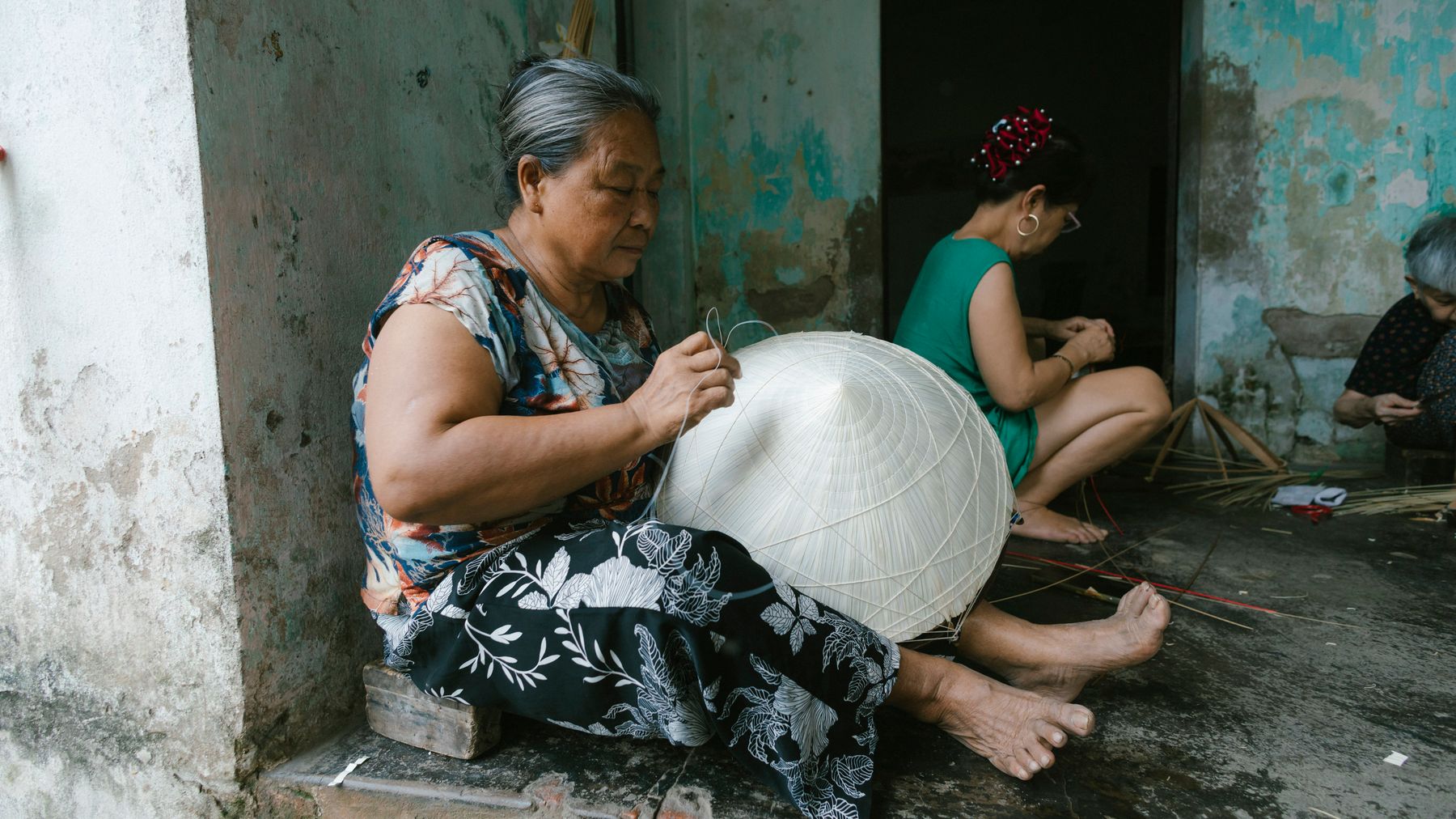
Photo by HONG SON on Pexels
Walk the workshops
There are over 500 workshops lining both sides of the main road (Nguyen Duy Trinh and the surrounding lanes). Don't just stick to the big showrooms facing the street — wander into the back alleys where the actual carving happens. The smaller family operations are often more interesting and more willing to let you watch and take photos.
Watch a piece being made
The process is genuinely interesting even if you have zero intention of buying anything. Rough-cutting a block, hand-chiseling details, sanding, polishing — it's physical, skilled work. Some workshops have artisans working on large commissioned pieces (temple guardians, garden Buddhas) that take weeks. Ask before photographing individual workers; most don't mind, but it's polite.
Buy something worth carrying home
Small items — mortar and pestle sets, chess pieces, chopstick rests, small animal figures — start around 50,000–150,000 VND. Mid-size decorative pieces run 500,000–2,000,000 VND. Large sculptures go into the millions. Bargaining is expected but keep it reasonable — these are handmade by the family you're standing in front of. For anything big, workshops can arrange international shipping; get a written quote and timeline before committing.
Combine it with the Marble Mountains
The entrance to Thuy Son (the main Marble Mountain open to tourists) is a five-minute walk from the village. Tickets are 40,000 VND, and the elevator up is another 15,000 VND. Budget 1.5–2 hours for the caves and pagodas. Do the mountains first while you have energy, then browse the village afterward.
Visit Linh Ung Pagoda nearby
The Lady Buddha statue at Linh Ung Pagoda on Son Tra Peninsula is about 15 minutes north by motorbike. It's free to enter and gives you sweeping views of the coastline. Not directly related to stone carving, but it rounds out a half-day nicely.
Where to eat nearby
The village itself doesn't have destination restaurants, but you're in Da Nang — good food is never far. "Mi quang" — the turmeric-tinted noodle dish that Da Nang claims as its own — is everywhere in the Ngu Hanh Son area. Try Mi Quang Ba Vi on Nguyen Duy Trinh, where a bowl runs about 35,000 VND.
If you ride up to An Thuong area near My Khe beach afterward, you'll hit a strip of Vietnamese coffee shops. A proper "ca phe sua da" at a sidewalk spot costs 18,000–25,000 VND.
Most travelers stay in central Da Nang or at a beach hotel on My Khe and visit the village as a half-day trip. If you want to be close:
- Budget: Guesthouses in Ngu Hanh Son district run 200,000–400,000 VND/night. Basic but functional. - Upper: The big beach resorts between My Khe and Non Nuoc beach start around 2,500,000 VND/night and go up from there.
Hoi An is only 30 minutes away, so basing yourself there and day-tripping to the village works fine too.
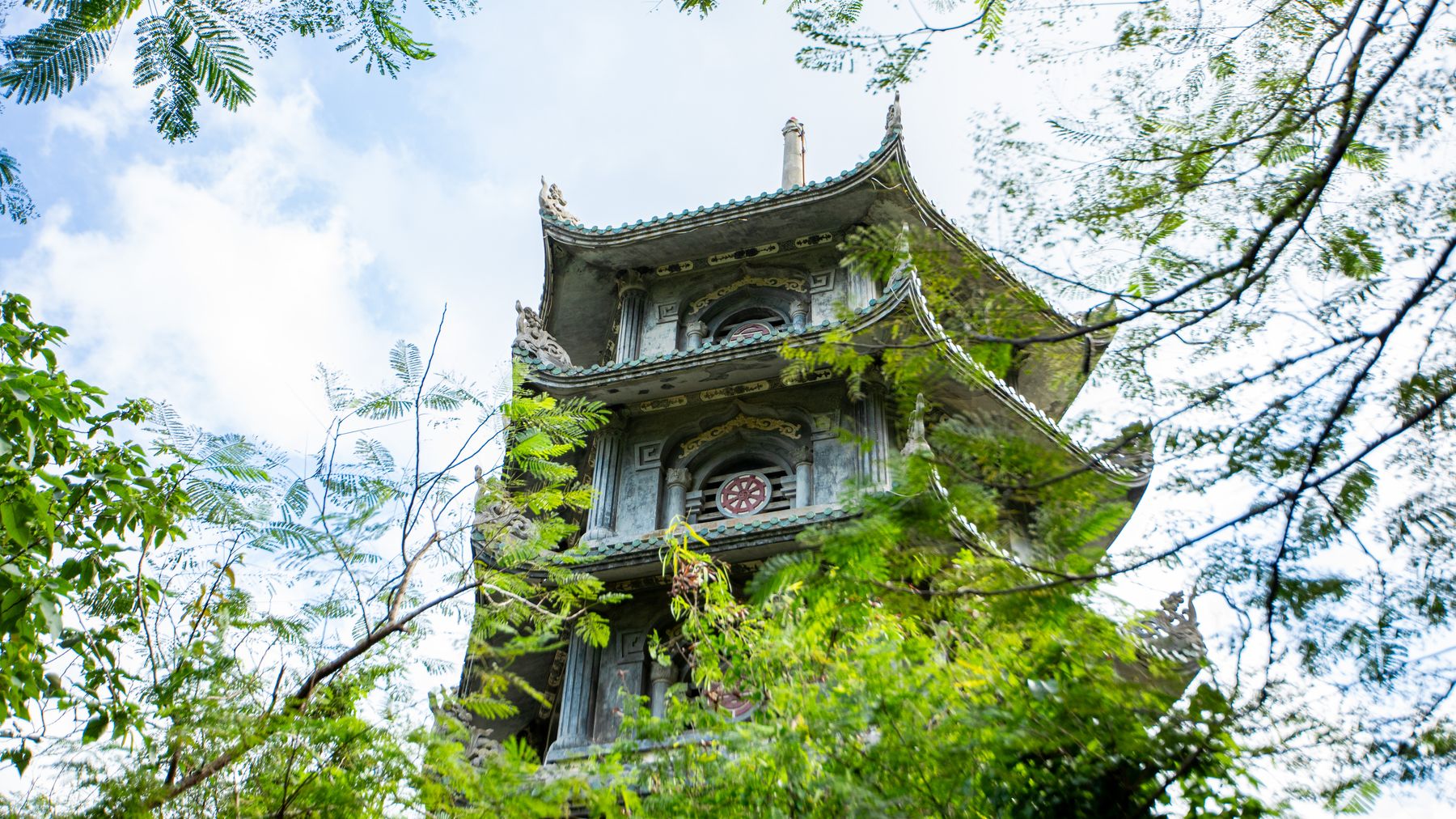
Photo by Sachith Ravishka Kodikara on Pexels
Practical tips locals would tell you
- Dust: the village is dusty from stone cutting. Wear shoes you can wipe down and consider a face mask if you're sensitive. Contact lens wearers, bring eye drops. - Shipping: if a workshop offers to ship internationally, ask for a tracking number and pay a deposit rather than the full amount upfront. Reputable places will agree to this. - Pricing: workshops near the main road entrance mark up for walk-in tourists. Prices drop as you go deeper into the village. Compare before buying. - Time: give yourself at least 90 minutes for the village alone. Two to three hours if you're a serious browser or buyer.
Common mistakes to avoid
- Rushing through on the way to the Marble Mountains: the village deserves its own time, not a five-minute drive-by. - Buying at the first shop: prices vary significantly between workshops for similar items. Walk the length of the village before committing. - Visiting at midday in summer: it's open-air, shadeless, and Da Nang in June hits 38°C. Come before 10 a.m. or after 3 p.m. - Skipping the back lanes: the showrooms on the main road are the least interesting part. The real work happens behind them.
No entrance fee to the village. Open daily, though individual workshops keep their own hours — most are active by 7:30 a.m. and close by 5 p.m. Combine it with the Marble Mountains and a seafood lunch on the coast road for a solid half-day out of Da Nang or Hoi An.
Last updated · May 29, 2026 · independently researched, never sponsored.