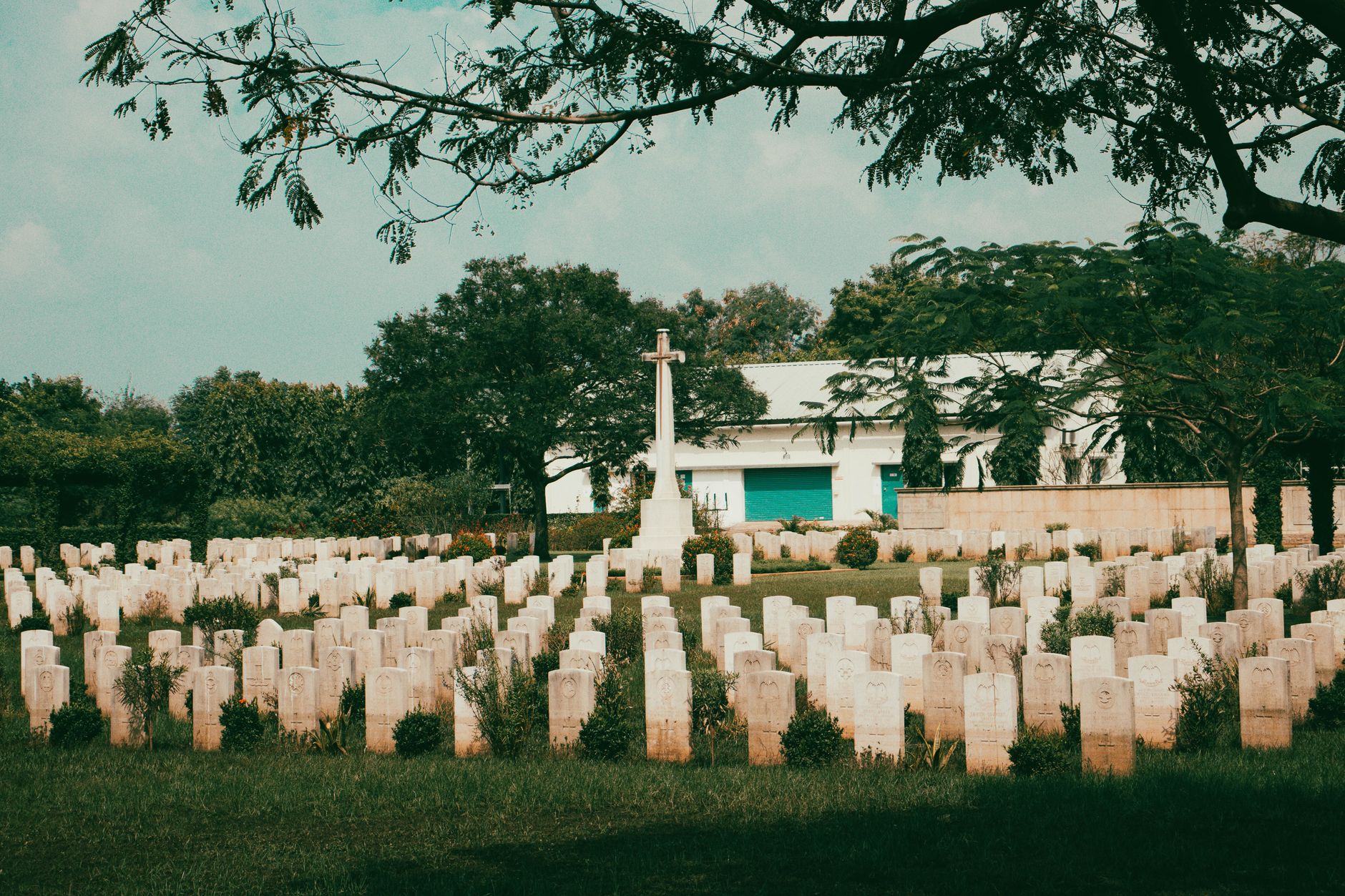
Dong Hoi's French-era citadel doesn't make it onto most itineraries, and that's part of what makes it worth a detour. Sitting near the banks of the Nhat Le River, Thanh Co Dong Hoi is a low-key historical site that rewards travelers who like to piece together a place's story without crowds or ticket queues.
What it is
Thanh Co Dong Hoi — literally "Dong Hoi Old Citadel" — is the remnant of a Vauban-style fortress originally built under the Nguyen Lords in the 17th century, then rebuilt in brick and stone during the Nguyen Dynasty in the early 19th century. The French later reinforced parts of the structure during the colonial period. What you see today is partial: sections of the outer walls, a couple of restored gates, and the general footprint of the original layout. Much of the citadel was damaged during wartime, and the city of Dong Hoi grew up around and over its bones.
Following Vietnam (베트남 / 越南 / ベトナム)'s recent administrative reorganization, Dong Hoi now falls under the merged Quang Tri province. But the city itself hasn't changed — it's still the main urban hub on this stretch of central coast, and the jumping-off point for Phong Nha.
Why travelers go
Most people pass through Dong Hoi on their way to Phong Nha (퐁냐 / 峰牙 / フォンニャ)-Ke Bang National Park. Thanh Co Dong Hoi gives you a reason to slow down in the city itself for an hour or two. It's not a grand archaeological complex — think of it more as an urban historical site woven into the fabric of a working Vietnamese city. The remaining walls and gates are photogenic in the early morning light, and the surrounding streets have a distinctly unhurried feel compared to Hue or Da Nang.
If you're interested in how French military architecture collided with Vietnamese citadel design, or if you just want something to do in Dong Hoi besides waiting for your cave tour, this is it.
Best time to visit
The most comfortable months are March through May and September through October. Dong Hoi's summers (June–August) are brutally hot, regularly hitting 38–40°C, which makes walking around exposed ruins genuinely unpleasant. The rainy season peaks from October through December, with November being the wettest month — occasional flooding can disrupt travel plans in the wider region.
Early morning visits (before 8 AM) work best year-round. The light is better for photos, and you'll have the site mostly to yourself.
How to get there
Dong Hoi is the nearest major hub, and the citadel is right in the city center — about 1.5 km from Dong Hoi train station and 6 km from Dong Hoi Airport (VDH).
From Hue: The most common route. Trains take around 3.5–4 hours and cost 120,000–250,000 VND depending on seat class. Buses run regularly (around 3 hours, 100,000–150,000 VND). If you're riding a motorbike up the coast on the AH1, it's roughly 170 km and takes about 4 hours with stops.
From Hanoi: Direct trains run overnight (9–11 hours, from 350,000 VND for a hard seat to 800,000 VND for a soft sleeper). Vietnam Airlines and Bamboo Airways fly the route in about an hour; book a few weeks ahead and you'll find fares around 700,000–1,200,000 VND one way.
Within Dong Hoi: A Grab bike from the train station to the citadel costs around 15,000–20,000 VND. Walking takes about 20 minutes. From the airport, a taxi runs about 100,000–120,000 VND.

Photo by Flint Huynh on Pexels
What to do
Walk the remaining walls and gates
The south gate (Cua Nam) is the best-preserved section and the most photographed. The brickwork here is a mix of Nguyen-era construction and later French reinforcement. Walk the perimeter — it takes about 30 minutes at a slow pace. Look for the sections where you can see the original laterite and brick layering.
Visit the Nhat Le riverfront
The citadel sits close to the Nhat Le River. After exploring the walls, walk east toward the river and the Nhat Le Bridge. The waterfront has a pleasant promenade, and in the late afternoon you'll see locals fishing and kids swimming. It's a good spot to sit with a "ca phe sua da" and watch the city move.
Check out Tam Toa Church ruins
About 500 meters from the citadel, the bombed-out shell of Tam Toa Church has been preserved as a war memorial. The contrast between the 17th-century citadel walls and the 20th-century church ruins tells a compressed version of the region's layered history. It takes ten minutes to see, and there's no entry fee.
Explore Dong Hoi Market
Dong Hoi's central market (Cho Dong Hoi) is a five-minute walk from the citadel. It's a working market, not a tourist one — good for picking up fruit, snacks, and getting a feel for daily life. The seafood section is particularly lively in the morning.
Nhat Le Beach
If you've got a half-day, combine the citadel with a trip to Nhat Le Beach, about 3 km east. It's a long, wide stretch of sand that's popular with locals but rarely crowded by tourist-town standards.
Where to eat nearby
Dong Hoi's signature dish is "banh loc" — translucent tapioca dumplings filled with shrimp and pork, served with a sharp fish sauce dip. You'll find them at small stalls around the market and along Quang Trung Street. A plate runs 25,000–40,000 VND.
For something more filling, look for "bun bo" Hue-style (the spicy beef noodle soup) — Dong Hoi is close enough to Hue that the local versions are solid. A bowl costs 30,000–45,000 VND at most street-side places. If you want seafood, the restaurants along Nhat Le Beach serve grilled squid and clams at reasonable prices (150,000–300,000 VND for a shared spread).
Where to stay
Budget: Guesthouses near the train station and along Quang Trung Street go for 200,000–400,000 VND per night. Basic but clean — air-con, hot water, Wi-Fi.
Mid-range: Hotels closer to Nhat Le Beach run 500,000–900,000 VND. Several have river or partial sea views.
Higher-end: The Sun Spa Resort and a couple of newer hotels along the beach charge 1,200,000–2,500,000 VND per night, with pools and breakfast included.
Photo by Sachith Ravishka Kodikara on Pexels
Practical tips locals would tell you
- The citadel is an open site — no gates, no tickets, no opening hours. You can walk through anytime, though mornings are best for light and temperature.
- Dong Hoi is a small city. You don't need a full day here unless you're combining the citadel with the beach and market. Two to three hours covers the historical sites comfortably.
- If you're heading to Phong Nha, most tour operators are based in Dong Hoi and offer pickup from your hotel. Book your cave tours the evening before.
- Motorbike rental in Dong Hoi costs around 120,000–150,000 VND per day. The roads in the city center are flat and easy to navigate.
Common mistakes to avoid
- Expecting a fully restored citadel. This isn't Hue's Imperial City. The charm is in the fragments — go in knowing it's partial, and you won't be disappointed.
- Skipping Dong Hoi entirely. Most travelers treat it as a Phong Nha transit stop. Give it a morning. The citadel, the church ruins, and a bowl of "banh loc" make for a worthwhile few hours.
- Visiting midday in summer. There's almost no shade at the citadel. Midday heat in June or July will cut your visit short.
Practical notes
Thanh Co Dong Hoi is a minor site by Vietnam's standards — it won't compete with Hue or Hoi An for scale or polish. But if you're already in Dong Hoi, it adds texture to a city that most travelers only sleep in. Pair it with the river, the market, and the beach, and you've got a solid half-day before heading underground at Phong Nha.
Last updated · May 29, 2026 · independently researched, never sponsored.