Why Gia Lai Food Matters
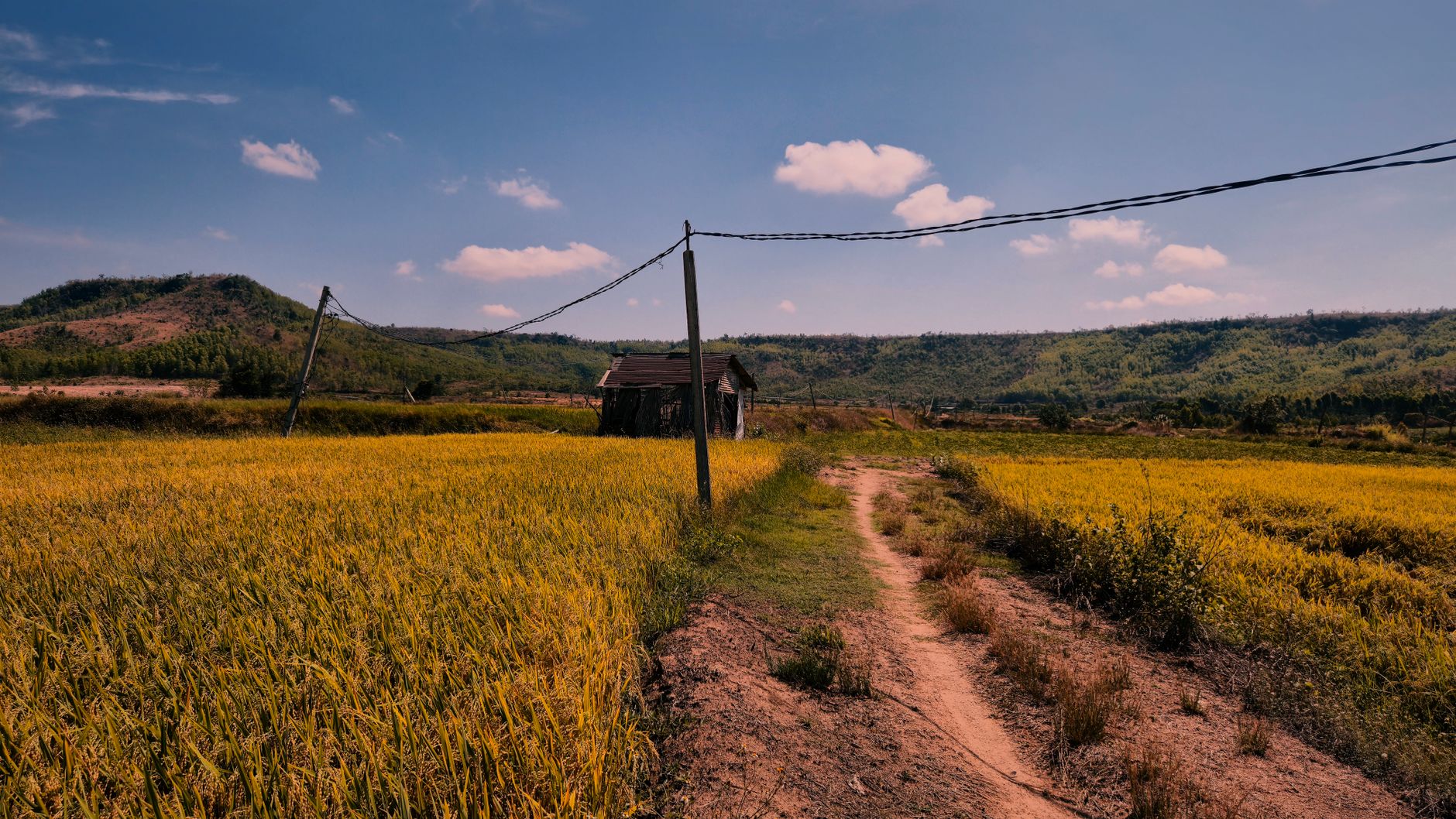
Gia Lai province sits in Vietnam's Central Highlands (중부 고원 / 中部高原 / 中部高原), and its food is nothing like what you'll find in Hanoi or Saigon. The cuisine is shaped by elevation, ethnic minorities (Ede, Jarai, Gia Rai people), and a history of coffee plantations and livestock farming. Expect bold flavors, grilled meats, sticky rice, and dishes built around what grows or raises well at altitude.
Unlike coastal regions, Gia Lai doesn't lean on seafood. Instead, you'll find pork, beef, chicken, tubers, and foraged vegetables. If you're passing through the Central Highlands without stopping, you're missing this entirely.
Signature Gia Lai Dishes
"Com Lam" (Bamboo-Tube Rice)
This is the dish that defines Gia Lai eating. Rice is cooked inside fresh bamboo tubes over charcoal—the bamboo imparts a subtle smoke and vanilla note. The result is sticky, fragrant, and traditionally served alongside grilled meats or "ca kho to" (caramelized fish in a clay pot).
You'll find it at any market stall or family restaurant in Pleiku (the capital). Cost: 15,000–25,000 VND per portion. Eat it fresh off the fire; it loses appeal once cooled.
Grilled Meat Skewers ("Nuong") with Dipping Herbs
Local pork, beef, or chicken marinated in fish sauce, lemongrass, and garlic, then grilled over charcoal. The meat is wrapped in lettuce with fresh herbs (mint, cilantro, dill, basil) and dipped in "nuoc cham" (fish sauce dip). This is the Central Highlands version of southern "nuong" culture.
Look for street vendors along Hung Vuong Street in Pleiku around 5 p.m. onward. A skewer runs 8,000–15,000 VND. Avoid plastic chairs and too-crowded tourist corners; locals eat at the stalls with overhead tarps and repeat customers.
"Tiết Canh" (Ethnic Raw Meat Salad)
A dish from Ede and Jarai traditions: raw beef or pork mixed with blood, lime, fish sauce, herbs, and crispy rice. It's an acquired taste—rich, slightly metallic, primal. Not for everyone, but if you want authentic highland food, this is non-negotiable.
Find it at ethnic minority restaurants or markets. Cost: 50,000–80,000 VND per portion. Hygiene varies wildly; only eat at places where locals are ordering the same thing. Avoid it in the rainy season (May–September) when food safety drops.
"Canh Chua" (Sour Soup) with Local Vegetables
A tamarind-based broth loaded with local tubers (sweet potato, taro), leafy greens, and sometimes fish or shrimp. It's lighter than northern "bun rieu" but more complex than a simple pho-style broth. The sour-savory balance is deliberate, not accidental.
Available at family restaurants throughout Pleiku. Cost: 25,000–40,000 VND. It's a lunch dish; order it midday.
"Thit Nuong Ong Khoi" (Charcoal-Grilled Pork Neck)
Thick-cut pork neck with a caramelized crust and smoke flavor. It's sold at market stalls and simple grills. Fatty, smoky, addictive. Serve with sticky rice and raw herbs.
Find it at Gia Lai's morning markets (6–9 a.m. is peak). Cost: 80,000–120,000 VND per kg. Portions are generous; expect to share or take leftovers.
Where Locals Eat vs. Tourist Setups
Local Joints
Pleiku Morning Market (Cho Hom Pleiku): Opens at 5 a.m., quiets by 10 a.m. This is where Gia Lai residents buy "com lam", grilled pork, and fresh vegetables. No English menus, cash only, plastic stools, no frills. Grab a bowl of broth, a skewer of meat, and watch the town wake up. Budget: 30,000–50,000 VND for a full breakfast.
Ong Ke Street (near the central market): A narrow alley lined with hole-in-the-wall restaurants serving "tiết canh", grilled meats, and soups. The hygiene isn't Instagram-worthy, but locals queue here. Go with an open mind and a strong stomach.
Nhan Phuong Street: Home to several family-run restaurants that serve lunch (11 a.m.–1:30 p.m.) and dinner (5:30–8 p.m.). They don't cater to tourists—menus are handwritten in Vietnamese, prices are local, and the food is authentic. Ask a hotel to write the street name in Vietnamese and show it to your taxi driver.
Tourist-Oriented Spots
Cofee shops and hotels in central Pleiku (around Quang Trung Street) will serve versions of regional dishes, but they're often diluted or overpriced. A "com lam" combo at a tourist cafe costs 80,000 VND versus 25,000 at the market. Stick to hotels only for breakfast or if you're in a rush.
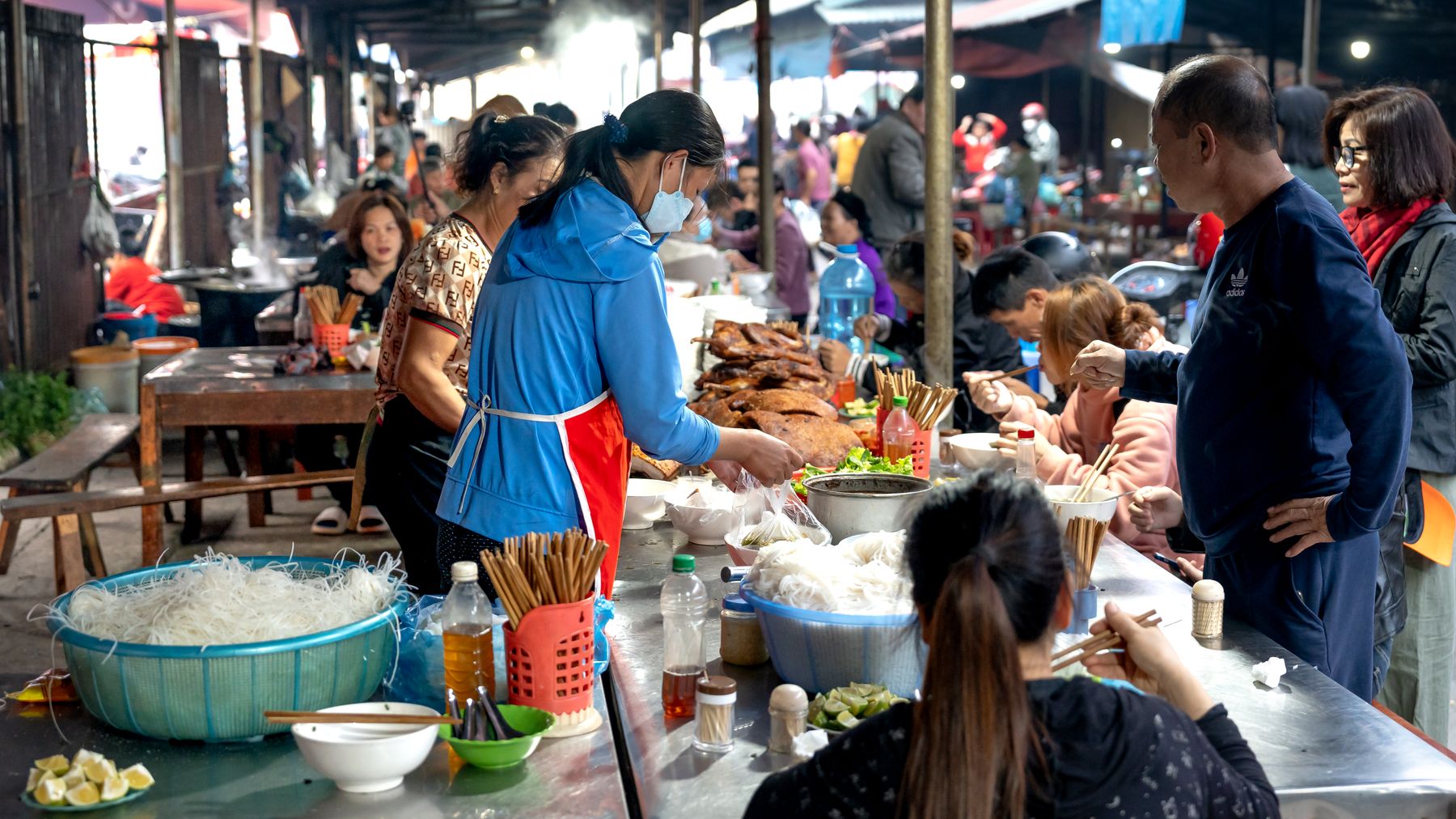
Photo by Quang Nguyen Vinh on Pexels
Market Food & Street Eats
"Banh Mi" with Local Cured Meat
Gia Lai has excellent pâté and cured pork. The bread is crispier than Saigon (사이공 / 西贡 / サイゴン) versions (local bakeries prioritize crunch). Cost: 15,000–25,000 VND.
Sticky Rice Cakes ("Banh Chung" or "Banh Cuon")
Local "[banh chung](/posts/banh-chung-tet / 越南春节 / テト)-sticky-rice-cake)" (square glutinous rice cakes with pork and beans) and "banh cuon" (rolled rice paper wraps with pork and herbs) are standards at morning markets. They're cheap (10,000–15,000 VND), filling, and sell out by 8 a.m.
Fresh Tubers and Vegetables
Fresh taro, sweet potato, and local leafy greens are cheaper and fresher here than anywhere else in Vietnam. If you're cooking in a guesthouse, the market is gold.
Regional Specialties from Outside Pleiku
If you venture into rural Gia Lai (toward Ayun Pa or Chu Se), you'll encounter:
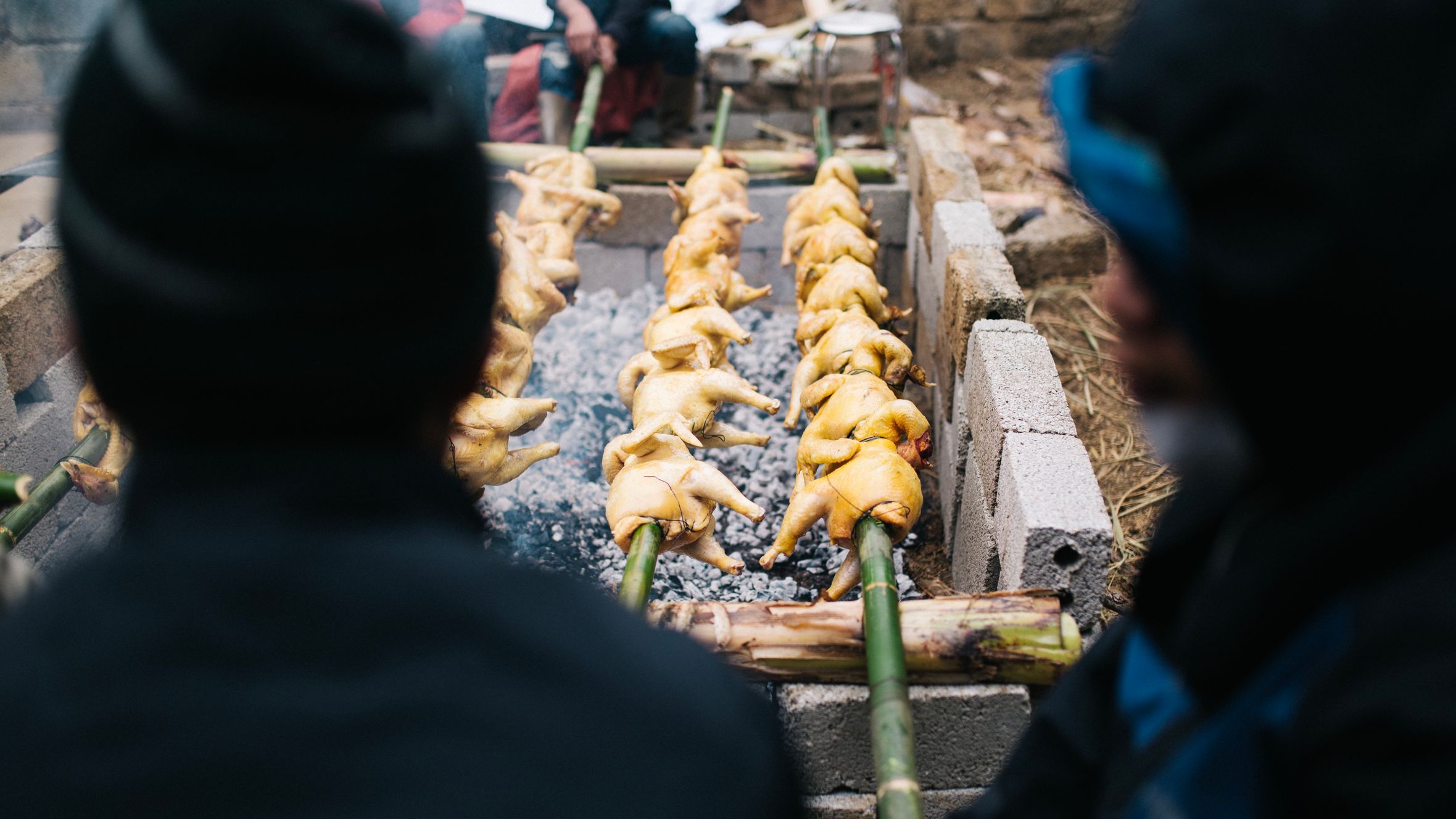
Ethnic Minority Feasts: Weddings and celebrations feature grilled chicken wrapped in lemongrass, organ meats, and fermented vegetables. These aren't restaurants—you eat by invitation. If you befriend locals, you might score a seat. Don't expect comfort; expect authenticity.
Coffee: Gia Lai is a major coffee-growing region. Buy freshly roasted whole beans at local cooperatives (much cheaper than Saigon tourist shops) or request "ca phe sua da" (Vietnamese iced coffee with condensed milk) at any cafe—it'll be made from local beans.

Photo by Valeria Boltneva on Pexels
Cost Expectations
- Street food and market eats: 15,000–40,000 VND
- Family restaurant lunch or dinner: 40,000–80,000 VND per person
- Grilled meat with rice and sides: 60,000–120,000 VND per person
- Tourist-oriented restaurant: 100,000–200,000 VND per person
- Avoid menus in English or with color photos; they're usually a sign of inflated pricing.
Safety & Timing
When to eat: Breakfast and lunch are safest for street food and markets. Dinner is fine at established restaurants, but street stalls are less active after sunset.
Hygiene: Gia Lai isn't a food-poisoning hotspot, but use common sense. Eat at stalls with high turnover (lots of locals, fresh prep in front of you). Avoid pre-cooked items sitting on shelves. Drink bottled water or hot beverages.
Language: Learn the names of dishes in Vietnamese or point at what other people are eating. English is spoken less frequently here than in Hanoi or Saigon.
Practical Notes
Gia Lai's food is regional and rustic—don't expect refined presentation or Western comfort. The reward is authenticity: you're eating how Central Highland residents have eaten for generations. Come with an open palate and patience, and you'll leave with a genuine sense of the place. Visit the morning market first; it anchors everything else.
Last updated · May 29, 2026 · independently researched, never sponsored.