The Binh Dinh Museum is one of those provincial museums that rewards the curious traveler — not with flashy multimedia or blockbuster exhibits, but with genuine artifacts from a region most tourists skip entirely. If you have any interest in Cham civilization, the Tay Son dynasty, or the layered history of Vietnam (베트남 / 越南 / ベトナム)'s central coast and highlands, this collection delivers.
What it is and why it matters
Bao Tang Binh Dinh (Binh Dinh Museum) houses over 11,000 artifacts spanning from prehistoric Sa Huynh culture through the Cham period and into the Tay Son uprising of the 18th century. The standout collection is its Cham sculpture — sandstone pieces pulled from tower sites across the former Binh Dinh province, including fragments from Duong Long, Banh It, and Canh Tien towers. You'll find Hindu iconography (Shiva, Vishnu, Garuda) carved with a regional style distinct from what you see at the Cham Museum in Da Nang.
The Tay Son section is the other draw. Binh Dinh was the heartland of the Tay Son rebellion, and the museum holds weapons, drums, coins, and documents from that era. For context: the Tay Son brothers briefly unified Vietnam in the 1780s and defeated a Qing Chinese invasion — it's a significant chapter that most foreign visitors never encounter.
The building itself is modest — a two-story structure with outdoor sculpture gardens. Don't expect the Louvre. Expect a quiet hour with real history.
Why travelers go
- Cham art without the crowds. The Cham Museum in Da Nang (다낭 / 岘港 / ダナン) gets busloads. Here, you'll likely be alone with the sculptures.
- Context for tower visits. If you're exploring Cham towers in the region (Banh It, Duong Long, Thap Doi), the museum gives you background that the tower sites themselves lack.
- Tay Son history. Hard to find this story told anywhere else in English.
- It's free or nearly free. Entry is typically 10,000-20,000 VND.
Best time to visit
The Central Highlands dry season runs roughly November through April. Mornings are best for the museum — it opens around 7:30 AM and the outdoor sculpture garden has good light before 9 AM. Avoid midday heat from March to May. The museum closes for lunch (typically 11:30-13:30), so plan accordingly.
If you're combining this with Cham tower visits in the area, the cooler months (December-February) make for comfortable sightseeing without the coastal rain that hits from September through November.

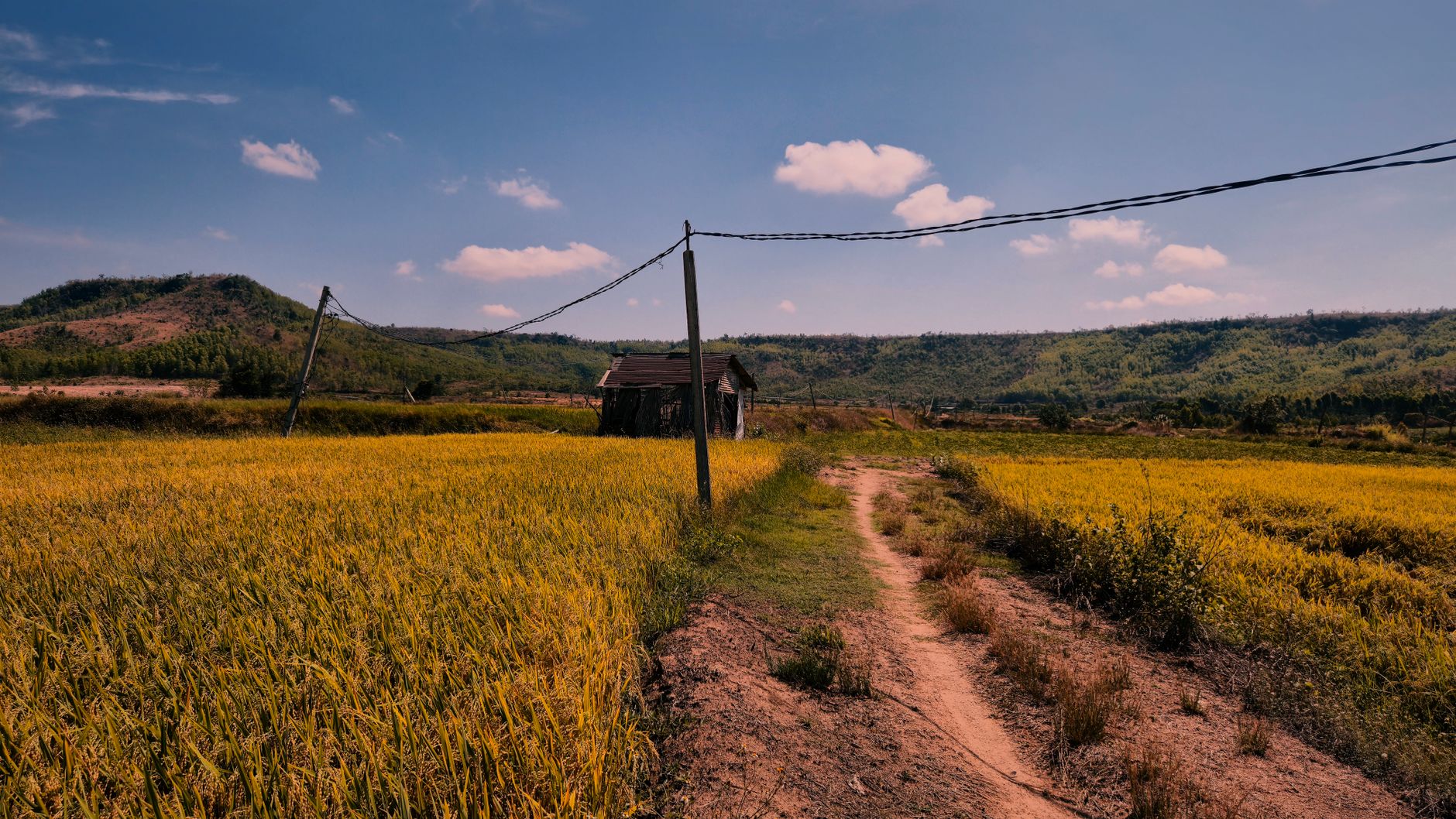
Photo by Tiểu Bảo Trương on Pexels
How to get there
The museum sits in Quy Nhon city (the former Binh Dinh provincial capital, now part of the merged Gia Lai province). From major hubs:
- From Da Nang: ~300 km south on the QL1A. Buses run frequently (6-7 hours, around 180,000-220,000 VND). The train to Dieu Tri station takes about 5 hours on the SE trains.
- From Saigon: Flights to Phu Cat Airport (about 30 minutes from Quy Nhon center). Buses take 10-12 hours overnight.
- From Pleiku (Gia Lai's highland capital): ~180 km east, roughly 3.5 hours by bus or car via QL19. Regular bus connections daily.
Within Quy Nhon, the museum is on Nguyen Hue Street, walkable from the city center. A Grab bike from anywhere in town costs 15,000-30,000 VND.
What to do
Inside the museum
Start on the ground floor with the Sa Huynh and Cham collections. The sandstone sculptures are arranged chronologically — look for the 12th-century Garuda piece and the Shiva lingam-yoni sets. Upstairs covers the Tay Son period and later colonial-era history.
Labeling is in Vietnamese with some English summaries. Bring Google Translate's camera mode if you want more detail.
Combine with nearby sites
- Thap Doi (Twin Towers): Two Cham towers right in Quy Nhon city, 2 km from the museum. Five-minute ride.
- Banh It Towers: A cluster of four towers on a hill about 20 km north. The hilltop view over rice paddies is worth the climb.
- Duong Long Towers: Three brick towers 40 km northwest — the tallest Cham towers in Vietnam at 30+ meters.
- Quy Nhon Beach: The city's crescent beach is surprisingly clean and uncrowded compared to Da Nang or Nha Trang.
Where to eat
Quy Nhon has excellent seafood and several regional specialties:
- "Banh xeo" tom nhay: The local version uses whole shrimp that curl when fried — crispy, smaller than southern-style banh xeo. Try the stalls on Dieu Tri street.
- Bun cha ca: Fish cake noodle soup, a Quy Nhon staple. Bun Cha Ca Ba Lu on Tran Hung Dao is reliable (35,000-45,000 VND per bowl).
- "Banh canh" cha ca: Thick tapioca noodles in fish broth. Street stalls near the central market serve it mornings only.
- Nem chua Binh Dinh: Fermented pork wrapped in banana leaf — buy at local markets as a snack or gift.
For coffee, Quy Nhon has a growing cafe scene along the beachfront road. Vietnamese coffee here is strong and cheap — 15,000-25,000 VND for a "ca phe sua da."

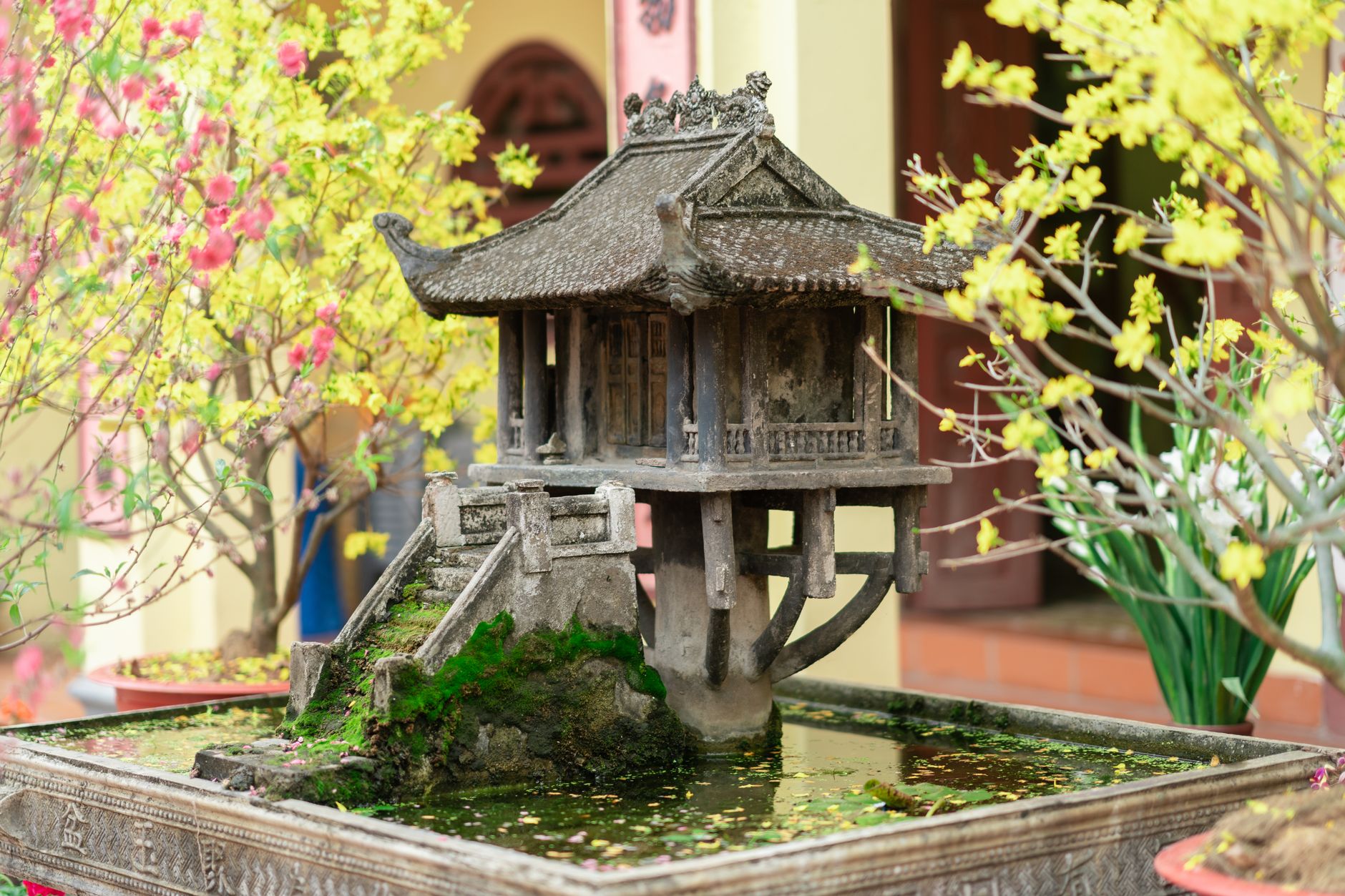
Photo by Thái Nguyễn on Pexels
Where to stay
Quy Nhon's accommodation clusters along the beach road (An Duong Vuong and Xuan Dieu streets):
- Budget: Guesthouses near the market area, 200,000-350,000 VND/night.
- Mid-range: Beach-facing hotels on Xuan Dieu, 500,000-900,000 VND/night with sea views.
- Splurge: AVANI Quy Nhon and FLC resorts south of the city — 1,500,000+ VND but removed from town.
Stay central if you want walkable access to the museum, food stalls, and Thap Doi.
Practical tips
- Photography: Allowed inside without flash. The outdoor sculptures photograph best in early morning side-light.
- Time needed: 45-90 minutes for the museum itself. Add a half-day if combining with Thap Doi and Banh It.
- Language: Very little English spoken. Download Vietnamese offline in Google Translate before arriving.
- Cash: Bring small bills for entry. Card payment unlikely.
- Combo approach: The museum works best as part of a Quy Nhon day that includes the beach, towers, and local food. It's not a standalone destination worth a flight, but it's a genuine highlight if you're passing through central Vietnam.
Common mistakes
- Arriving during lunch break. The museum closes midday. Check current hours at the entrance or ask your hotel.
- Skipping the outdoor garden. Some of the best Cham pieces are outside, not in the main building.
- Not visiting the towers. The museum without the towers (or vice versa) gives you half the picture. Budget time for both.
- Rushing through for Hoi An or Da Nang. Quy Nhon deserves at least one night. The seafood alone justifies staying.
Last updated · May 29, 2026 · independently researched, never sponsored.