Day 1 — Arrival in Da Nang
Start in Da Nang, a city that serves as the gateway to the central coast. Spend your first afternoon at the Da Nang Museum of Cham Sculpture to understand the region's pre-colonial history. In the evening, head to the riverside for a bowl of "mi quang", the local turmeric-infused noodle dish, before walking the Han River bridges.
Day 2 — The Demilitarized Zone (DMZ)
Take a full-day trip north toward the former DMZ. This is a long day of driving, but essential for context. Visit the Hien Luong Bridge and the Ben Hai River, which served as the partition line. Continue to the Vinh Moc Tunnels, an underground village where civilians lived to escape aerial bombardment. It is a stark contrast to the more famous tunnels in the south.
Day 3 — Hue: The Imperial Legacy
Drive to Hue, the former seat of the Nguyen Dynasty. Spend the day inside the Imperial Citadel Thang Long’s southern counterpart, the Hue Imperial City. Focus on the Forbidden Purple City, which saw significant damage during the 1968 Tet Offensive. The bullet holes still visible on the outer walls of the surrounding fortifications offer a quiet, sobering reminder of the city's recent past.
Day 4 — The Royal Tombs
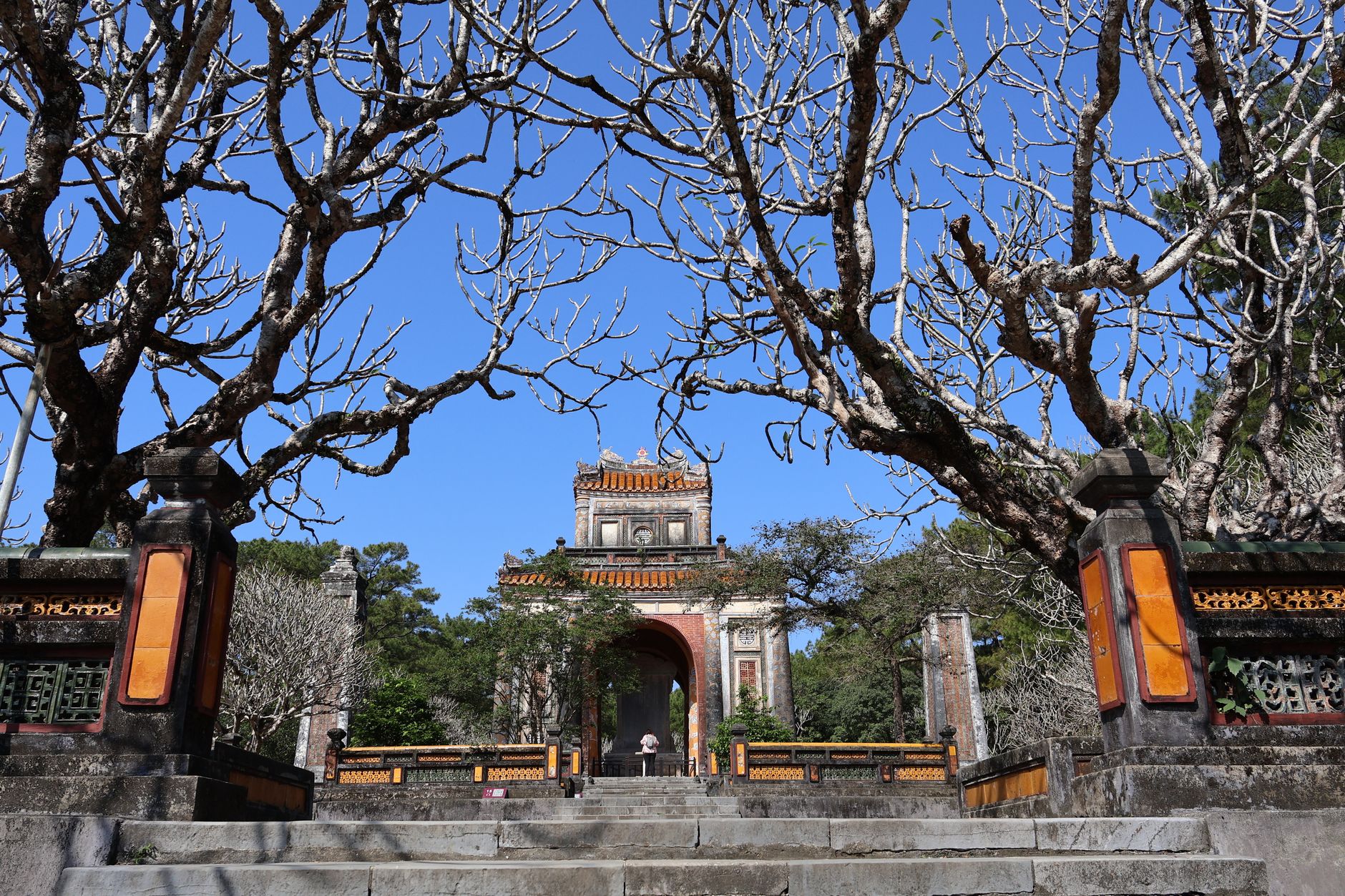
Dedicate this day to the architecture of the Nguyen emperors. The Tomb of Tu Duc and the Tomb of Khai Dinh are the most accessible. These sites reflect a blend of traditional Vietnamese aesthetics and French colonial influence. In the evening, try "bun bo hue (분보후에 / 顺化牛肉粉 / ブンボーフエ)", a spicy beef noodle soup that is significantly more robust than the versions found in the north.

Photo by Quang Nguyen Vinh on Pexels
Day 5 — Moving South to Hoi An
Travel south toward Hoi An. Stop at the Hai Van Pass for a view of the coastline. Once in Hoi An, shift your focus to the merchant history of the 17th and 18th centuries. Visit the Japanese Covered Bridge and the old assembly halls. For dinner, seek out "cao lau (까오러우 / 高楼面 / カオラウ)", a noodle dish that can only be authentically made with water from the local Ba Le well.
Day 6 — My Son Sanctuary
Take a morning trip to My Son, the religious center of the Champa Kingdom. The site was heavily impacted by bombing during the war, and you can still see craters surrounding the brick towers. It is a site of immense archaeological importance that requires a slow, respectful pace to appreciate.
Day 7 — The Rural Hinterland
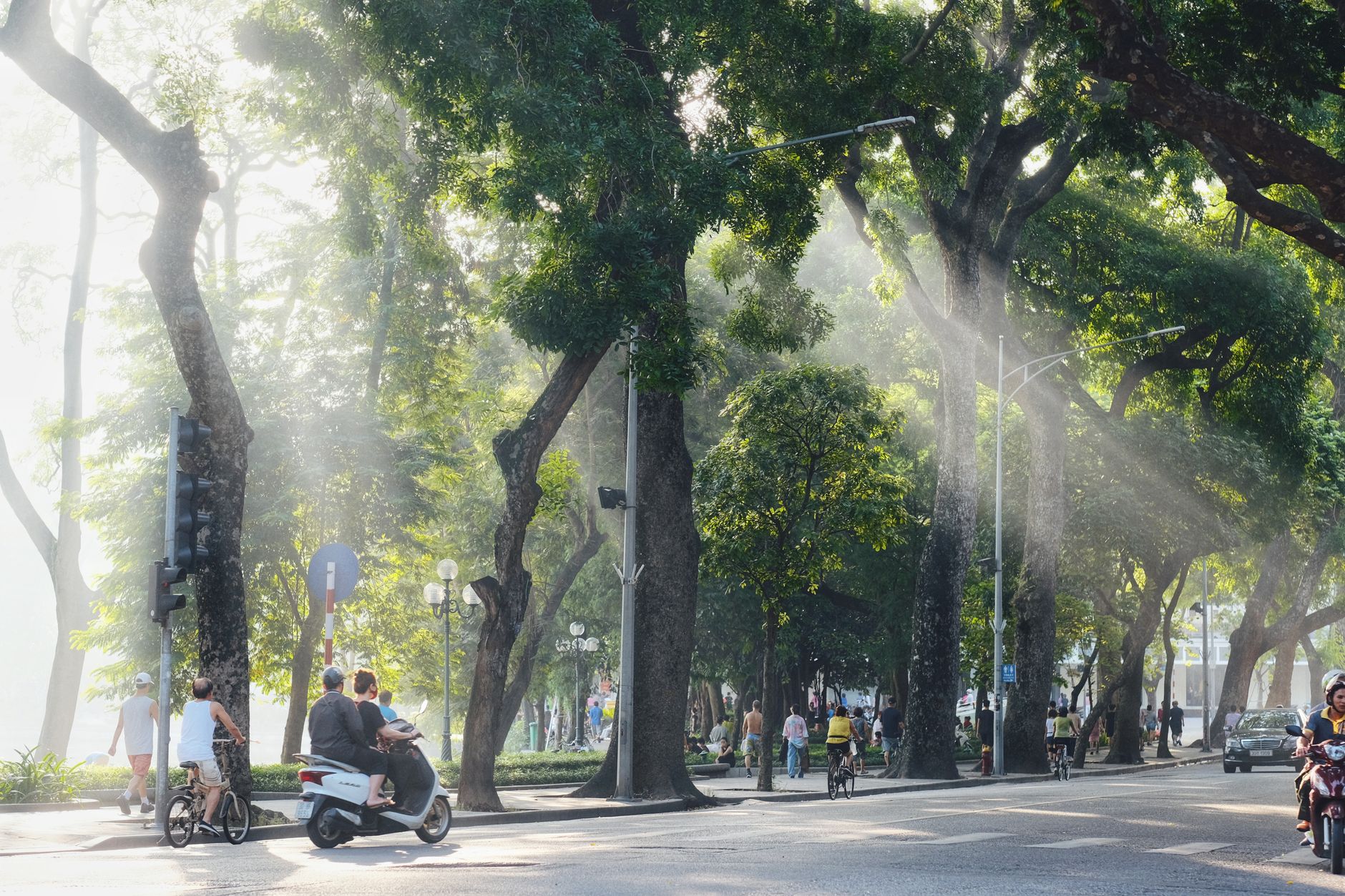
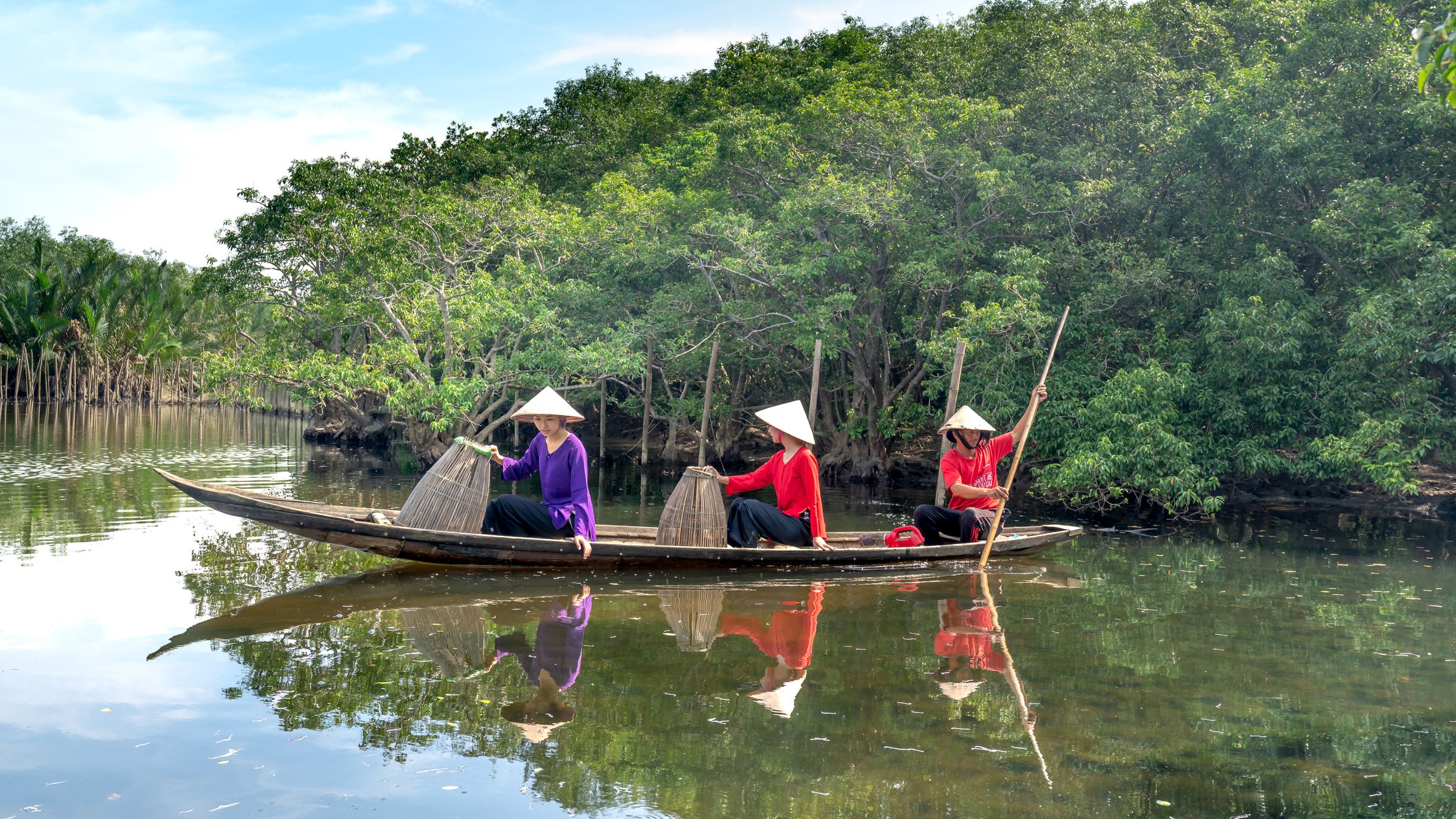
Spend a day cycling through the villages surrounding Hoi An. Many of these areas were heavily contested during the war. Visit the local markets and observe the daily life of farmers. In the evening, enjoy a "banh mi" from one of the legendary stalls in the Old Town, followed by a "ca phe sua da" overlooking the Thu Bon River.

Photo by Võ Văn Tiến on Pexels
Day 8 — Phong Nha: The Underground Front
Take a train or flight to Dong Hoi to reach Phong Nha. While known for its caves, the area was a critical logistical hub during the war. Visit the sites along the Ho Chi Minh Trail, specifically the areas where supply lines were maintained under intense pressure. The landscape here is rugged and provides a different perspective on the geography of the conflict.
Day 9 — Dark Cave and History
Explore the caves in the morning, then spend the afternoon visiting the local war memorials in the Phong Nha-Ke Bang area. These sites are often overlooked by casual tourists but are vital for understanding the resilience of the local population during the 1960s and 70s. Eat a simple dinner of grilled river fish and local vegetables.
Day 10 — Reflection and Departure
Return to Da Nang or Dong Hoi for your departure. Use your final morning to visit the local markets to pick up some "lotus tea" or local crafts. Reflect on the juxtaposition of the region's serene natural beauty and its heavy historical burden.
Practical notes
History-focused travel in Central Vietnam requires a guide for the best experience, especially when navigating the DMZ or the Ho Chi Minh Trail. Always carry your passport, as some remote historical sites require registration at local checkpoints. Respect the sanctity of memorials and avoid taking photos of sensitive military installations if you encounter them.
Last updated · May 30, 2026 · independently researched, never sponsored.