Day 1-3: The Limestone Highlands of Phong Nha
Most travelers treat Phong Nha as a quick stopover for a cave tour, but the local food scene deserves a slower pace. Start your mornings with a bowl of "chao canh" (tapioca noodle soup) at the local market. It is thick, peppery, and served with a side of crispy bread to soak up the broth. Spend your days exploring the caves, but ensure you are back in town by 6:00 PM for the evening grill sessions. Look for small stalls serving "ga doi" (hill chicken), which is grilled over charcoal and served with a side of sticky rice and a pungent dipping sauce made from lime leaves and chili.
Day 4: The Transit to Hue
Take the morning bus or a private car from Phong Nha (퐁냐 / 峰牙 / フォンニャ) to Hue. The drive takes about 4.5 to 5 hours. It is a scenic route, but keep your appetite for the arrival. Once you reach Hue, head straight for a bowl of "bun bo hue." Forget what you have had in other cities; the version here is bolder, with a deeper lemongrass infusion and a distinct fermented shrimp paste kick. For dinner, find a street-side vendor selling "banh beo" (steamed rice cakes) topped with dried shrimp and pork cracklings.

Photo by Quang Nguyen Vinh on Pexels
Day 5-6: The Imperial Flavors of Hue
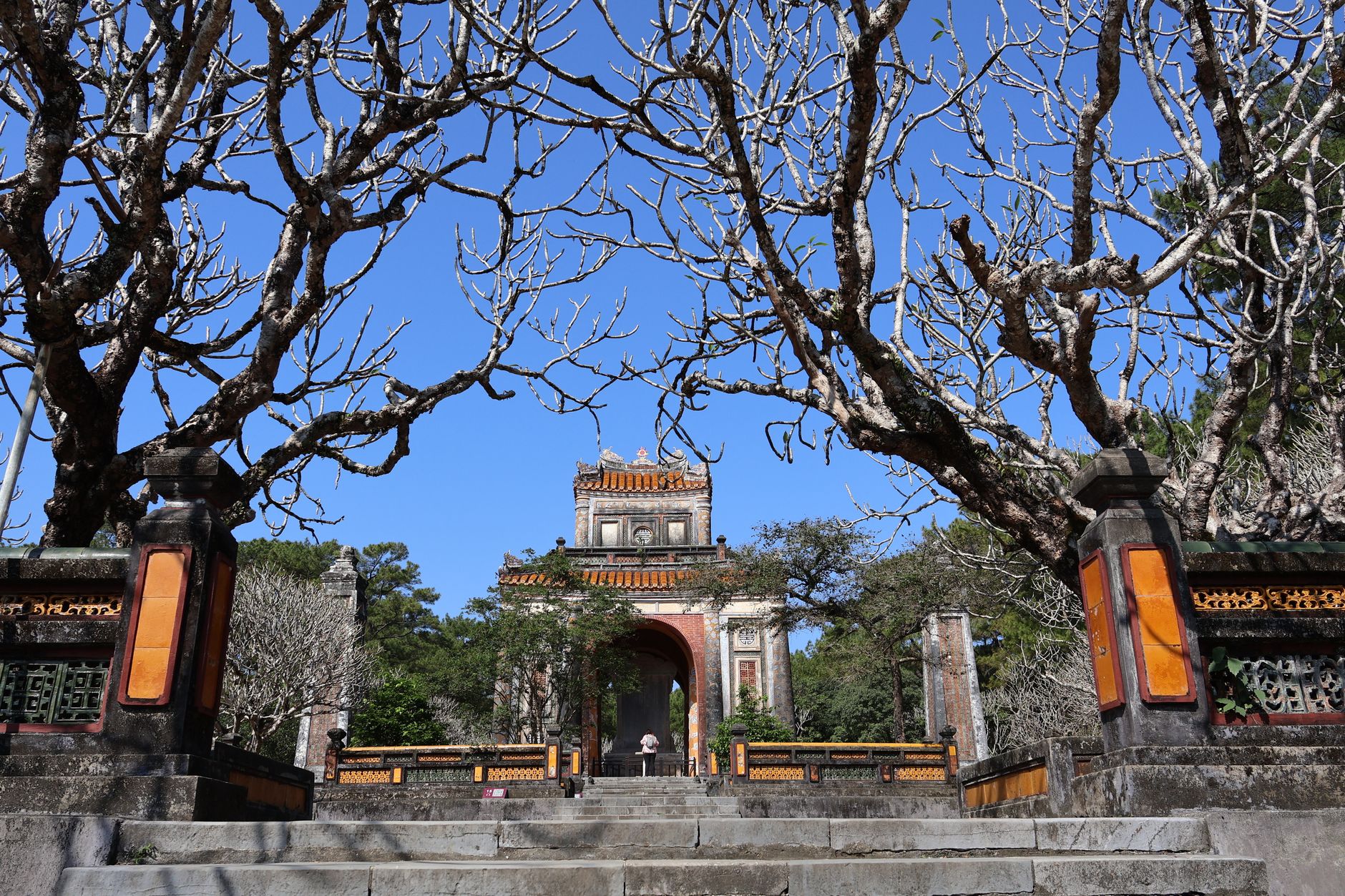
Hue is the heart of royal cuisine. Spend your first full day visiting the "Imperial Citadel Thang Long" (note: the Hue Imperial City) and the "Tomb of Tu Duc." Between historical sites, focus on the "banh" family of snacks. Hue is famous for its intricate, bite-sized steamed rice dumplings. In the afternoon, seek out a shop specializing in "banh khoai" (a crispy, folded pancake similar to "banh xeo (반세오 / 越南煎饼 / バインセオ)" but smaller and richer). Pair it with a glass of local "lotus tea" to cut through the richness of the fried batter. In the evening, walk along the Perfume River and find a spot serving "com hen" (clam rice), a humble dish that perfectly balances the sweetness of river clams with the heat of raw chili and the crunch of toasted peanuts.
Day 7: The Coastal Road to Hoi An
Travel from Hue to Hoi An by private car, which takes about 3 hours. This route allows you to stop at the Lang Co beach area for a quick lunch of fresh seafood. Once you arrive in Hoi An, the culinary landscape shifts from the royal, complex flavors of Hue to the distinct, herb-heavy profiles of the coast. For your first dinner, find a place serving "cao lau." This noodle dish is unique to Hoi An; the noodles are traditionally made with water from a local well, giving them a distinct, chewy texture that you won't find anywhere else.

Photo by Võ Văn Tiến on Pexels
Day 8-10: The Noodle Shops of Hoi An
Spend your remaining days cycling through the rice paddies and exploring the Ancient Town. Hoi An is a city best navigated on foot or by bicycle. For breakfast, hunt down a "banh mi" from one of the legendary shops near the market—the pork pate and local herbs make all the difference. Spend an afternoon taking a cooking class that focuses on "goi cuon" (fresh spring rolls). On your final night, head to the riverside to try "mi quang," a turmeric-infused noodle dish served with minimal broth, plenty of fresh greens, and a crunchy rice cracker. It is the perfect, light end to a heavy culinary journey.
Practical notes
Transport between these cities is best handled by private car if you are on a tight schedule, though buses are reliable and significantly cheaper (around 250,000 VND to 400,000 VND per leg). Always carry cash, as many of the best street food stalls in Hue and Hoi An do not accept cards. If you are visiting during the rainy season (October to December), expect some flooding in Hoi An; plan your itinerary accordingly and pack light, waterproof gear.
Last updated · May 30, 2026 · independently researched, never sponsored.