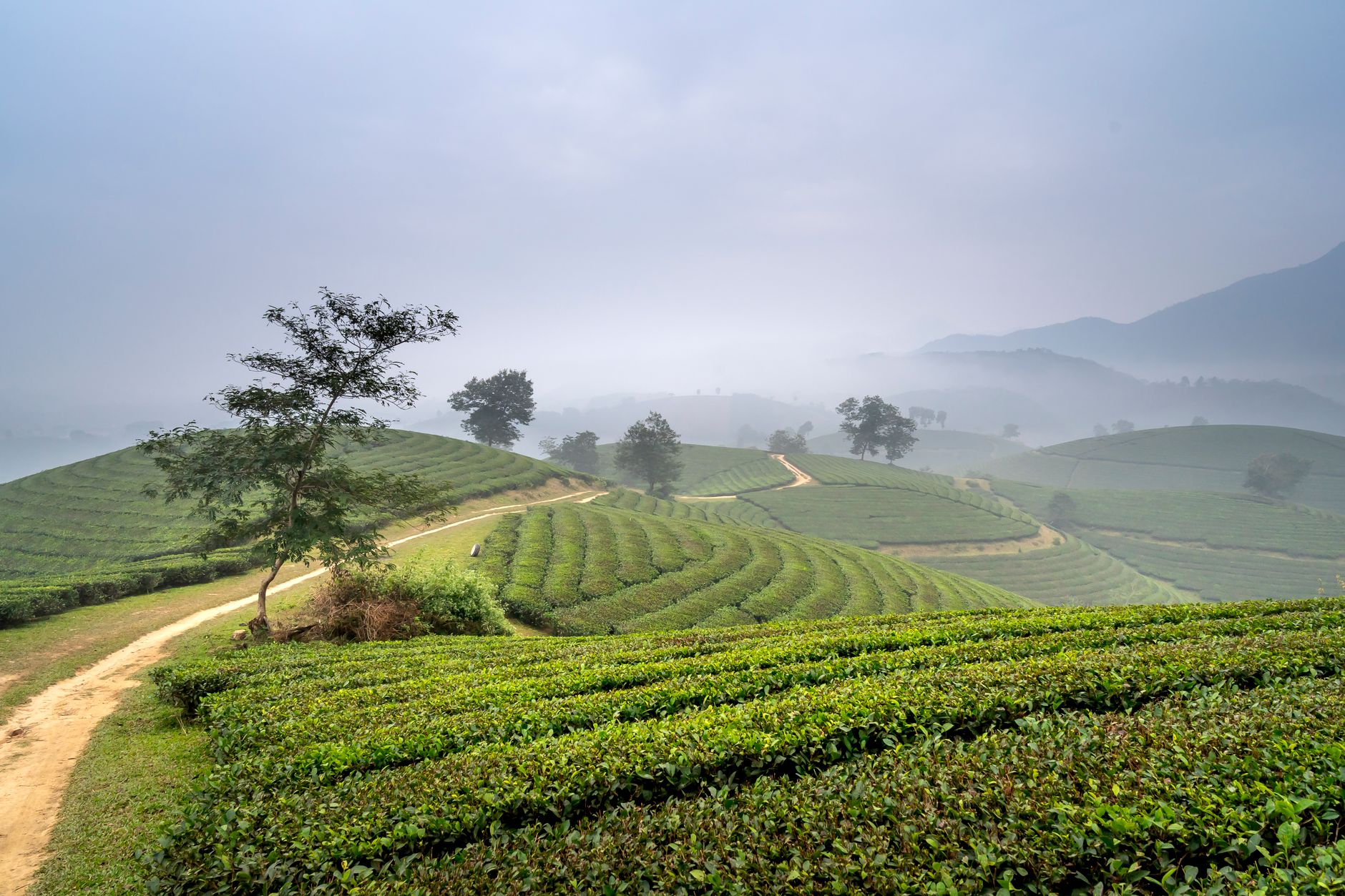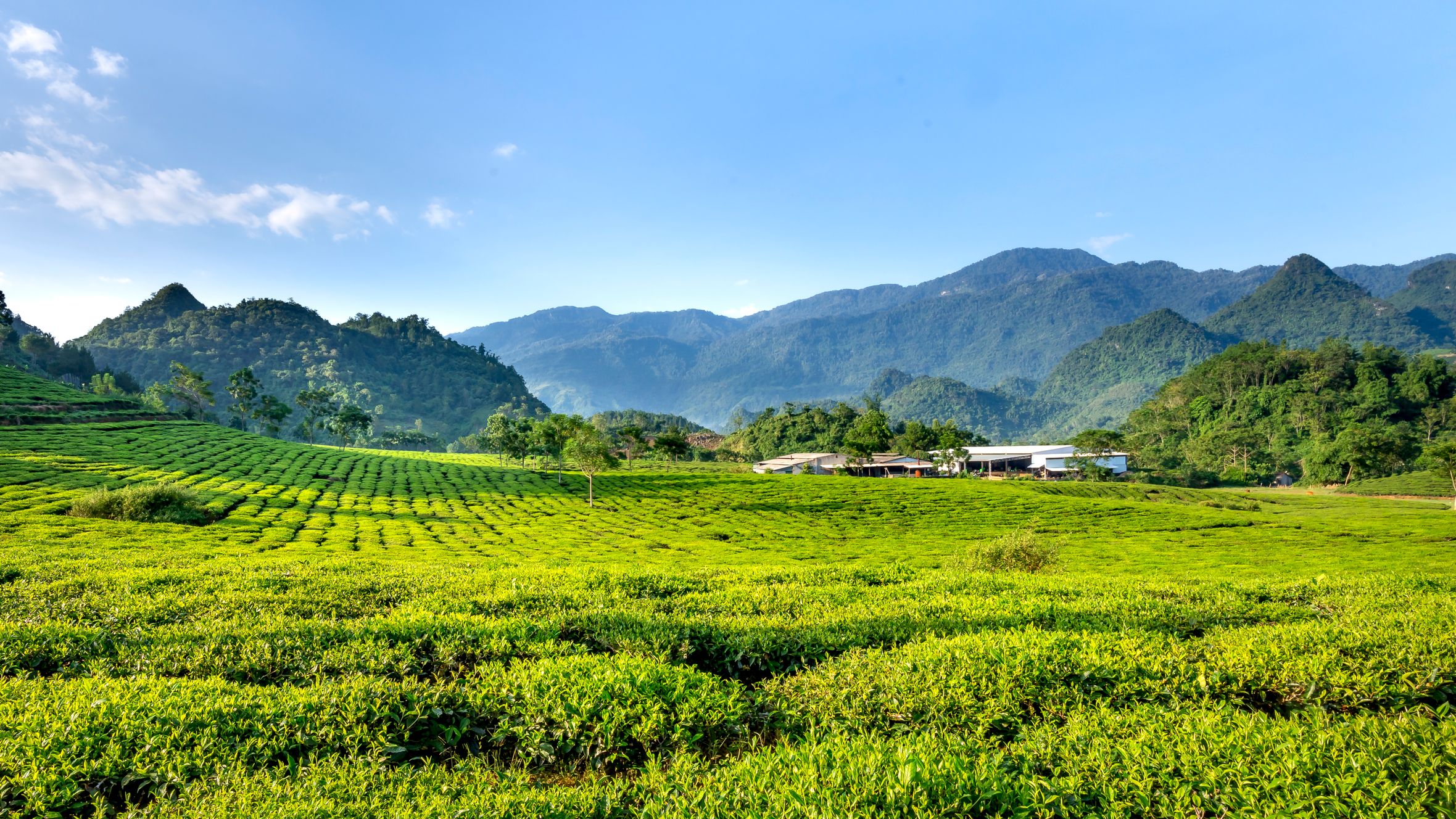
Bao Loc is the kind of place most travelers blow past on the bus between Saigon and Da Lat. That's a mistake. This small highland city at 850 meters elevation has cooler air, cheaper prices, and far fewer tourists than its famous neighbor — plus some of the best tea in Vietnam (베트남 / 越南 / ベトナム) and waterfalls you won't have to share with tour groups.
What Bao Loc is and why it matters
Bao Loc is a city of about 170,000 people in Lam Dong province, roughly 110 km south of Da Lat (달랏 / 大叻 / ダラット) along Highway 20. The French planted tea and coffee here in the early 1900s, and those crops still define the landscape. Drive in any direction and you'll pass rolling hills striped with tea rows, coffee farms, and mulberry orchards (silkworm production is still a local industry, though smaller than it used to be).
The city itself isn't going to win any architecture awards. It's a functional Vietnamese highland town — think motorbikes, market stalls, and construction dust. But the surrounding countryside is genuinely beautiful, and the elevation keeps temperatures between 18-25°C year-round. If Da Lat feels too crowded or too curated for you, Bao Loc is the rawer alternative.
Why travelers go
Three reasons, mostly: tea tourism, waterfalls, and the drive itself. Highway 20 between Saigon and Da Lat passes through Bao Loc, and the section from Dau Giay north through the highlands is one of the better road trips in southern Vietnam. People also come specifically for tea plantation visits — Lam Dong produces over 20% of Vietnam's tea, and Bao Loc is the center of that. And unlike tea tourism in, say, Moc Chau, you can do it here without a two-day trek from the nearest airport.
Best time to visit
The dry season from November through April is ideal. Skies are clearer, waterfalls are still running from the tail end of the rains, and the tea fields are deep green. The wet season (May to October) brings afternoon downpours most days — not a dealbreaker, but dirt roads to some waterfalls get muddy, and fog can kill visibility on the mountain passes. December and January are the coolest months; you'll want a light jacket for mornings and evenings.
How to get there
From Saigon, Bao Loc is about 180 km northeast — roughly 4-5 hours by bus depending on traffic through Binh Duong and Dong Nai provinces.
- Bus: Phuong Trang (FUTA) runs frequent coaches from the Western Bus Station (Ben Xe Mien Tay) to Bao Loc for around 120,000-150,000 VND. Comfortable enough, with reclining seats and A/C.
- Motorbike: The more interesting option. Highway 20 is well-paved and scenic once you clear the industrial outskirts. Budget 5-6 hours with stops.
- Private car / taxi: A Grab car from Saigon runs about 1,500,000-2,000,000 VND one way.
From Da Lat, it's 110 km south on the same highway — about 2.5 hours by bus (around 80,000-100,000 VND) or motorbike.
There's no airport in Bao Loc. The nearest is Lien Khuong Airport near Da Lat.
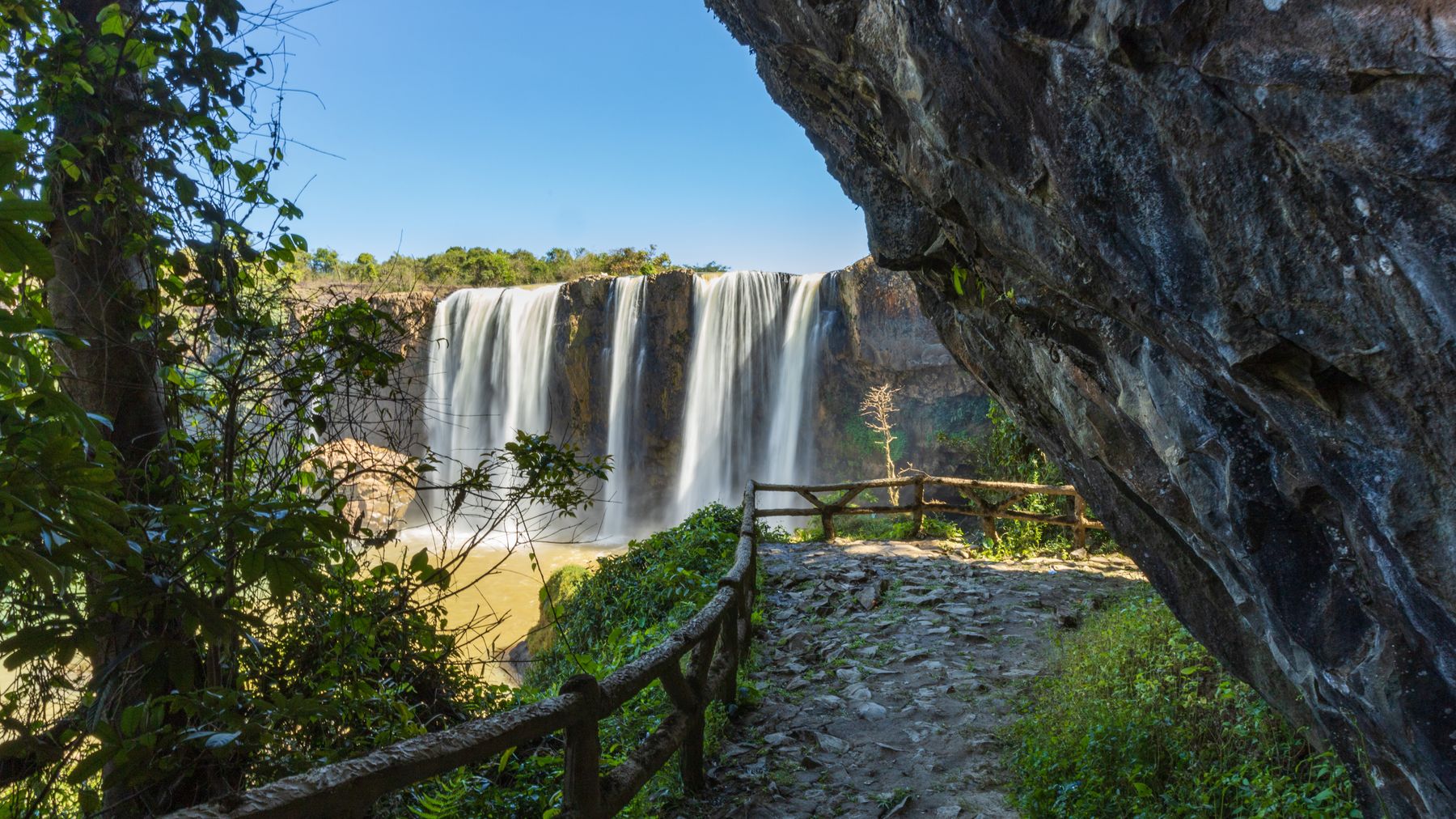
Photo by Serg Alesenko on Pexels
What to do
Visit a working tea plantation
This is the main draw. Phuong Nam Tea and Bao Loc Tea Company both welcome visitors. You can walk through the rows, watch leaves being processed (withering, rolling, drying), and taste different grades of green, black, and oolong tea. Some farms also grow "lotus tea" — green tea scented with lotus blossoms, a specialty you'll also find in Hanoi but produced at scale here. Free or very cheap entry (20,000-50,000 VND for guided tastings). Go in the morning when workers are picking.
Dambri Waterfall
At 60 meters, Dambri is one of the tallest waterfalls in the Central Highlands and only 18 km from Bao Loc city center. There's a small amusement-park-style setup at the top (roller coaster, cable car) that feels dated but the waterfall itself is impressive, especially from September through December when water volume peaks. Entry is 60,000 VND. Take the stairs down rather than the elevator — the forest walk is half the point.
Bao Loc Silk Village
Lam Dong has a long history of silk production, and a few workshops near Bao Loc still raise silkworms and weave fabric. It's a niche interest, but if you're curious about traditional crafts, seeing the full cycle from mulberry leaf to finished "ao dai" fabric is worth an hour. Ask your hotel to point you to a workshop that accepts visitors — they're not always well-signposted.
Ride out to the tea hills at sunset
Rent a motorbike (150,000-200,000 VND/day) and ride north on Highway 20 toward Di Linh. The stretch between Bao Loc and Di Linh is pure highland scenery — tea plantations, pine forests, red-earth roads leading off into the hills. No entrance fee, no ticket counter. Just ride.
Tan Rai hot springs
About 25 km south of Bao Loc, these natural hot springs are a local favorite. Not a luxury spa — more like concrete pools in a forest clearing — but the water is naturally warm and the setting is quiet. Around 30,000-50,000 VND.
Where to eat
Bao Loc's food scene is local and unpretentious. Two things worth seeking out:
- "Com tam" (broken rice) stalls along Tran Phu street serve the classic southern combo of grilled pork, egg cake, and pickled vegetables over cracked rice. Plates run 30,000-45,000 VND.
- Grilled chicken with wild pepper — a Central Highlands specialty. Chickens here are often free-range (tougher, more flavor), rubbed with local pepper and grilled over charcoal. Look for restaurants along the road to Dambri. Around 250,000-350,000 VND for a whole bird, enough for 2-3 people.
For vietnamese coffee, you're in the right province — Lam Dong is one of the country's biggest robusta producers. Skip chains and sit at any local "ca phe" shop for drip coffee over ice. 15,000-25,000 VND.
Where to stay
- Budget: Local guesthouses (nha nghi) along the main road run 200,000-350,000 VND/night. Basic but clean.
- Mid-range: A few newer hotels in the city center offer decent rooms with hot water and Wi-Fi for 400,000-700,000 VND.
- Homestays: The better option if you want to wake up in the tea fields. Several homestays on the outskirts offer rooms for 300,000-600,000 VND with countryside views. Book through local Facebook pages or Booking.com — availability is growing but still limited compared to Da Lat.
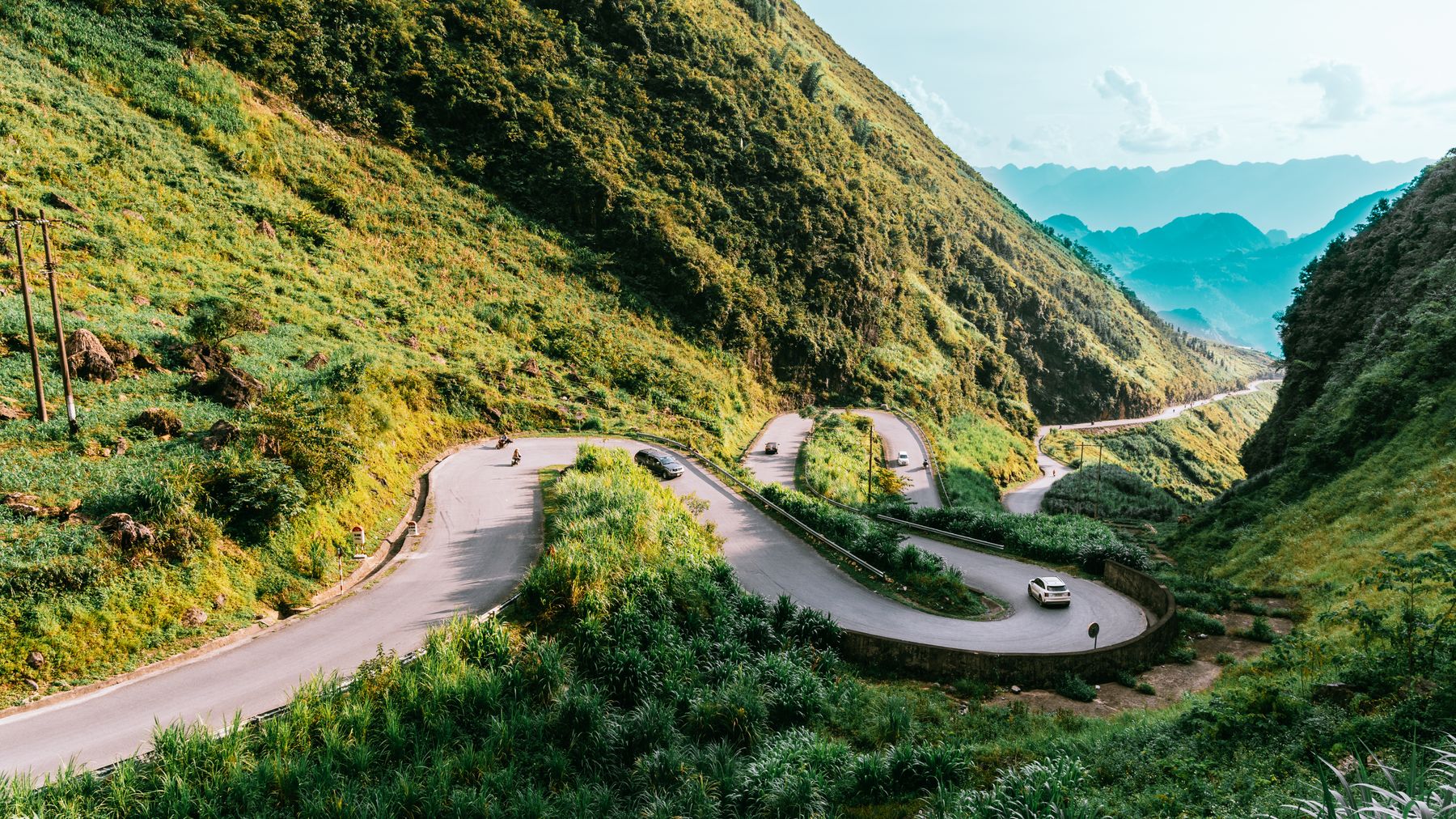
Photo by Nguyễn Sơn Tùng on Pexels
Practical tips locals would tell you
- Bring layers. Mornings and evenings are cooler than Saigon by 10°C or more. A hoodie is enough.
- Carry cash. Card acceptance outside hotels is unreliable. ATMs exist but aren't on every corner.
- Rent a motorbike, not a car. Many of the best spots — tea farms, smaller waterfalls — are down narrow roads where cars can't go or can't park.
- Buy tea directly from farms, not from souvenir shops in town. You'll pay less and get better quality. Oolong and "tra xanh" (green tea) are the local strengths.
Common mistakes to avoid
- Treating Bao Loc as a day trip from Da Lat. The 2.5-hour drive each way eats your day. Stay at least one night.
- Expecting Da Lat-level tourism infrastructure. English signage is rare. Restaurants don't have English menus. That's part of the appeal, but come prepared.
- Skipping the drive. If you're just flying into Da Lat and busing to Bao Loc, you miss the best part — the highway itself through the highlands.
Practical notes
Bao Loc works best as a 1-2 night stop on a road trip between Saigon and Da Lat, or as a standalone weekend trip from Saigon for anyone who wants highland air without highland crowds. It's not polished, and it doesn't try to be. That's the point.
Last updated · May 29, 2026 · independently researched, never sponsored.