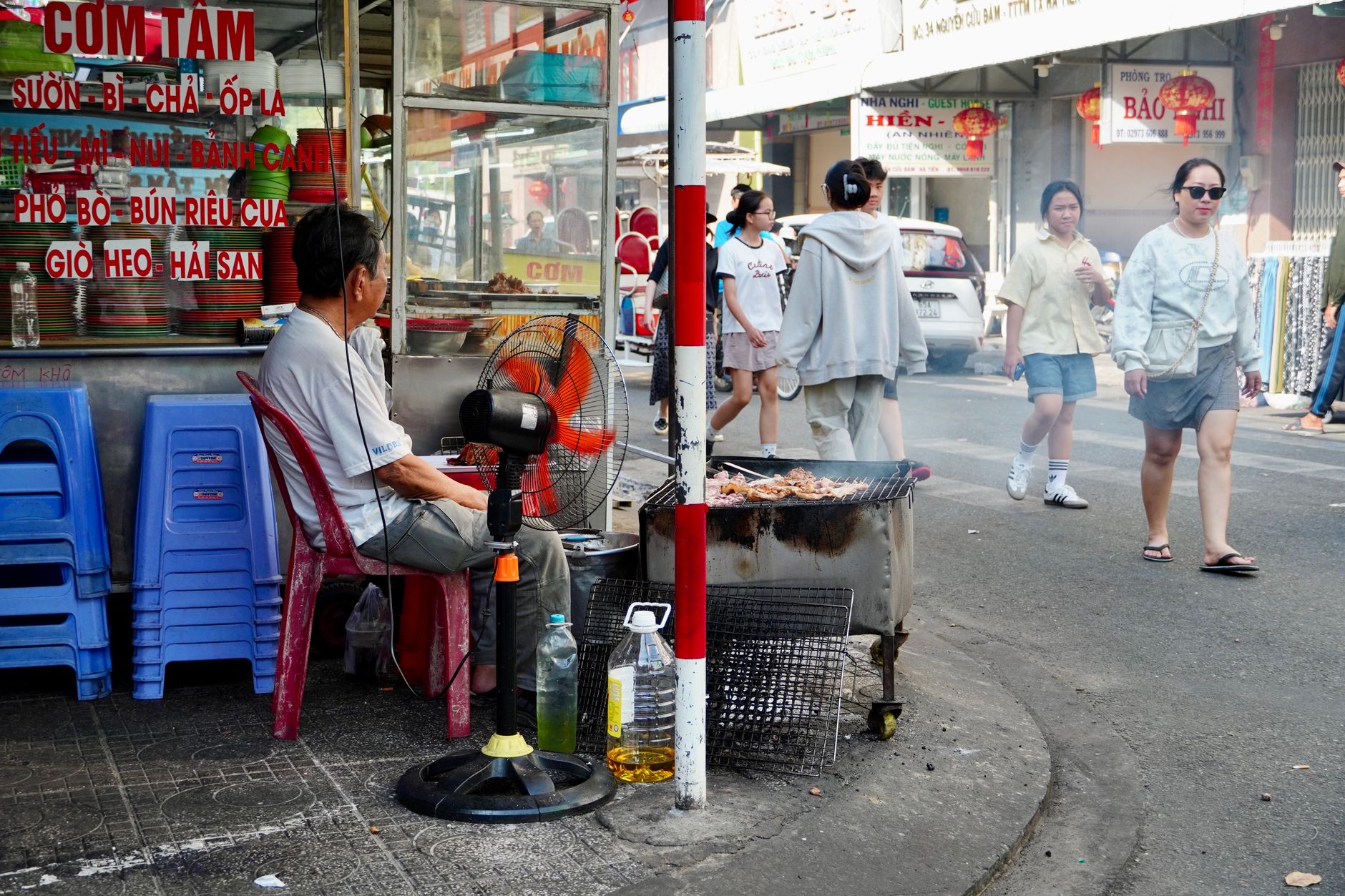
Ben Tre is the kind of place where the main draws are slow and unglamorous: coconut processing, rice fields, narrow canals, and the ease of sitting on a boat at dawn. It sits in the heart of the Mekong Delta (메콩 델타 / 湄公河三角洲 / メコンデルタ), an hour south of Saigon, and attracts far fewer tour groups than Can Tho. That's the appeal.
Getting there
From Saigon, take a minibus or hire a car for 1.5 to 2 hours heading south through Long An and Tien Giang. The highway (National Route 1) is straightforward. Most travelers stay a night or two rather than longer; Ben Tre works best as a 2–3 day stop between Saigon and Can Tho (껀터 / 芹苴 / カントー), or as a day trip if you're in a hurry.
Coconut candy and village workshops
Ben Tre's identity revolves around coconut ("dua"). The province produces candies, oil, and copra, and you can visit small family-run factories on the outskirts of town. The most visited is Dong Khoi Cooperative, where workers roast, crack, and dry coconut by hand. Entrance is informal (no fixed price; a donation of 50,000–100,000 VND is typical), and you'll watch the process, drink fresh coconut water straight from the nut, and usually leave with a bag of candies.
Don't expect a polished museum. It's functional, sometimes chaotic, and the smell of roasting coconut is overpowering.
Boat tours and river life
The real experience is on the water. Ben Tre town sits on the Ben Tre River, a tributary of the Mekong. Half-day and full-day boat tours depart from the wharf near the town center (around 104 Hung Vuong Street). Standard offerings:
- Sunrise paddling: Rent a small wooden "sampan" and row through narrow channels at dawn. The water is glass-smooth, and you'll see egrets, herons, and stilted houses. Budget 2–3 hours, 300,000–500,000 VND.
- Mekong homestays with boat: Stay overnight in a family's house on the river, join morning fishing trips, and cook with the family. These run 800,000–1.2 million VND per person for 24 hours, meals and boat included. Homestays in Phu Tan District (east of the town) are quieter than the touristy spots closer to Saigon.
- Floating market visits: Ben Tre's markets (Cai Rang and Phong Dien are nearby in Can Tho; Ben Tre's own Cai Mon market is smaller) operate early morning. Tours often combine a visit with a stop at a fruit orchard.
Orchards and fruit picking
The Ben Tre countryside is dense with fruit farms: mango, rambutan, custard apple, orange. Some allow visitors to pick fruit and sit in a hammock over the canal. Small farms near the river (ask your hotel or guide) charge 100,000–150,000 VND per person, including a snack plate and tea.

Photo by Vika Glitter on Pexels
Vinh Trang Pagoda
About 15 km north of Ben Tre town, Vinh Trang is one of the larger Buddhist temples in the delta, built in the 19th century with French colonial elements mixed into its design. The main hall is ornate, and the grounds are landscaped with ponds and gardens. It's quiet on weekdays, busy with locals on weekends. No entrance fee; a small donation is appropriate.
Thoi Lai Floating Village
A working fishing community about 10 km south of town, Thoi Lai is less developed than tourist versions of "floating villages" elsewhere. Residents live on boats and in stilt houses, and fish traps and nets are everywhere. You can hire a boat to navigate the narrow channels (500,000–700,000 VND for 2 hours), but the trade-off is that you'll encounter other tour groups and the authenticity fades quickly. Go early, before 8 a.m., if you want any peace.
Pottery and crafts
Ben Tre is not known for pottery the way Bat Trang is near Hanoi, but there are small ceramic and handicraft workshops scattered outside the town center. Ask your hotel to arrange a visit; most welcome drop-ins. Prices and quality vary widely.
Water puppetry and cultural shows
Ben Tre Cultural Center (105 Hung Vuong Street) occasionally hosts "water puppetry" performances, though not as reliably as Hanoi or Ho Chi Minh City. Check ahead with your hotel; the schedule is irregular, and shows are aimed at tour groups.
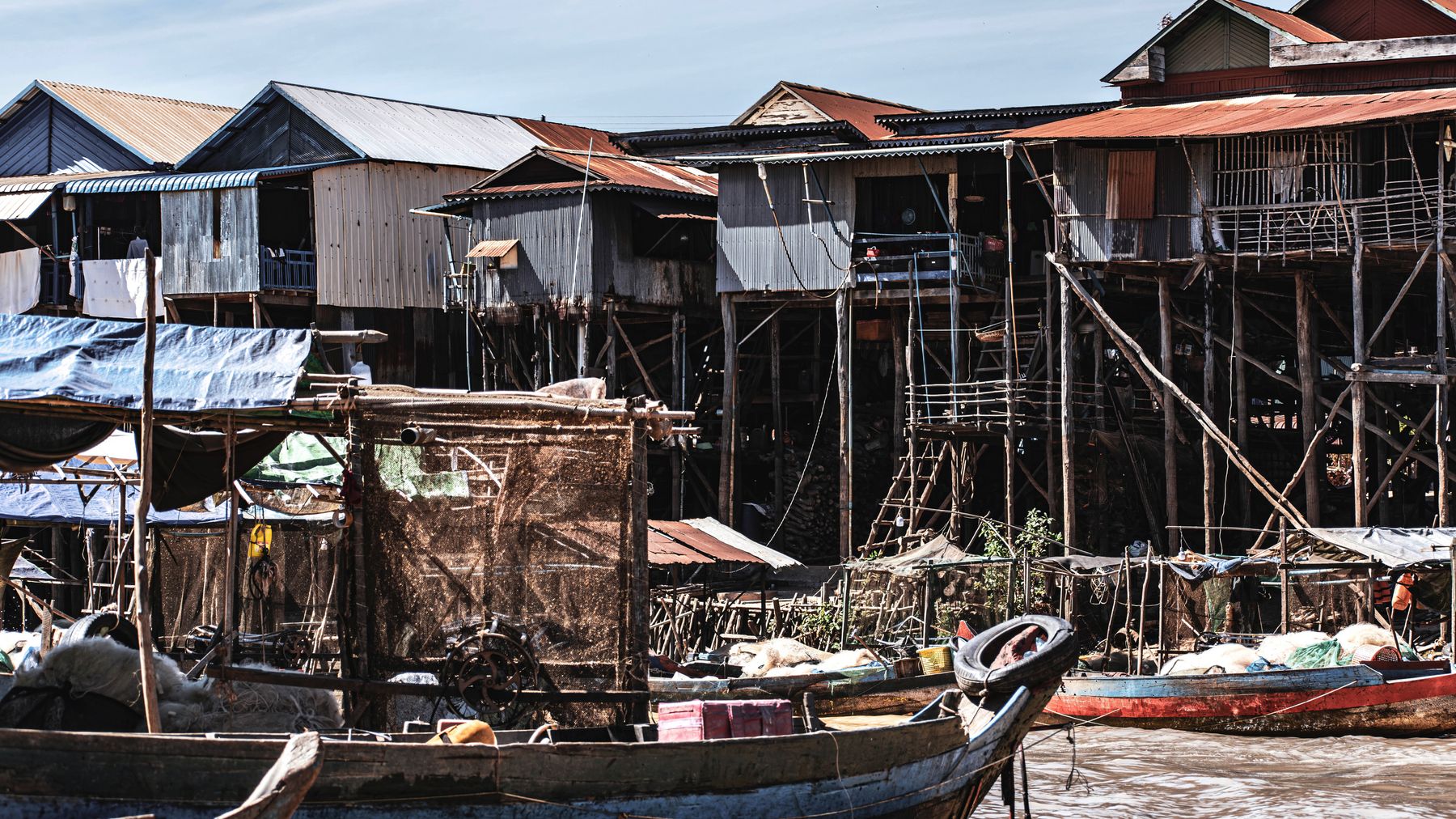
Photo by Karolina on Pexels
What to skip
- Ben Tre Beach: There isn't one. The coast is too muddy and narrow for swimming. If you want a beach, Vung Tau (90 km east) or Phu Quoc (150 km southwest) are better bets.
- Honeycomb production tours: Some tour operators pitch "honeycomb farms" that aren't genuine production facilities—just photo props. Stick to coconut workshops and orchards.
- Crowded group tours from Saigon: Day-trippers packed on buses with 30 others usually see Ben Tre as a checkbox, not a place. If you come, stay overnight.
Eating in Ben Tre
Local specialty is "hu tieu Nam Vang" (Cambodian-style clear broth with pork, shrimp, and offal)—better here than in Saigon because Ben Tre is closer to Cambodia. Sit at humble street stalls around Ben Tre market or the central square; a bowl costs 35,000–50,000 VND.
Cafes are thin on the ground, but Kopi Coffee (82 Hung Vuong) serves decent Vietnamese coffee and breakfast, with a view of the river from the upstairs seating.
Where to sleep
- Budget: Ben Tre Guesthouse (around 250,000–350,000 VND for a double). Basic, clean, and centrally located.
- Mid-range: Mekong Riverside Resort (600,000–900,000 VND) is a few km outside town, quieter, with a garden and river views.
- Homestays: Mekong homestays (800,000–1.2 million VND) offer the most immersive experience; many tour agencies arrange these.
Practical notes
Ben Tre has ATMs, a hospital, and a post office around the town square. English is less common than in Saigon or Can Tho; bring a phrasebook or offline translation app. The best time to visit is November–April (dry, cool). June–September is humid and prone to rain. Most activities are accessible by motorbike taxi (xe om) or arranged boat tours through your accommodation.
Last updated · May 29, 2026 · independently researched, never sponsored.