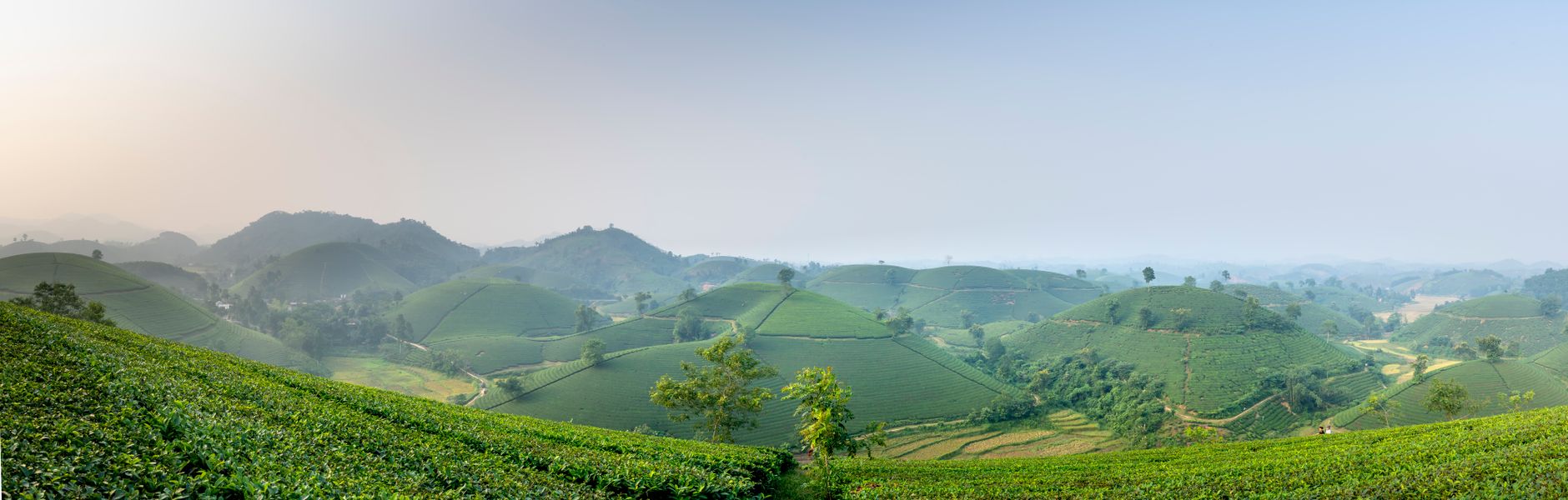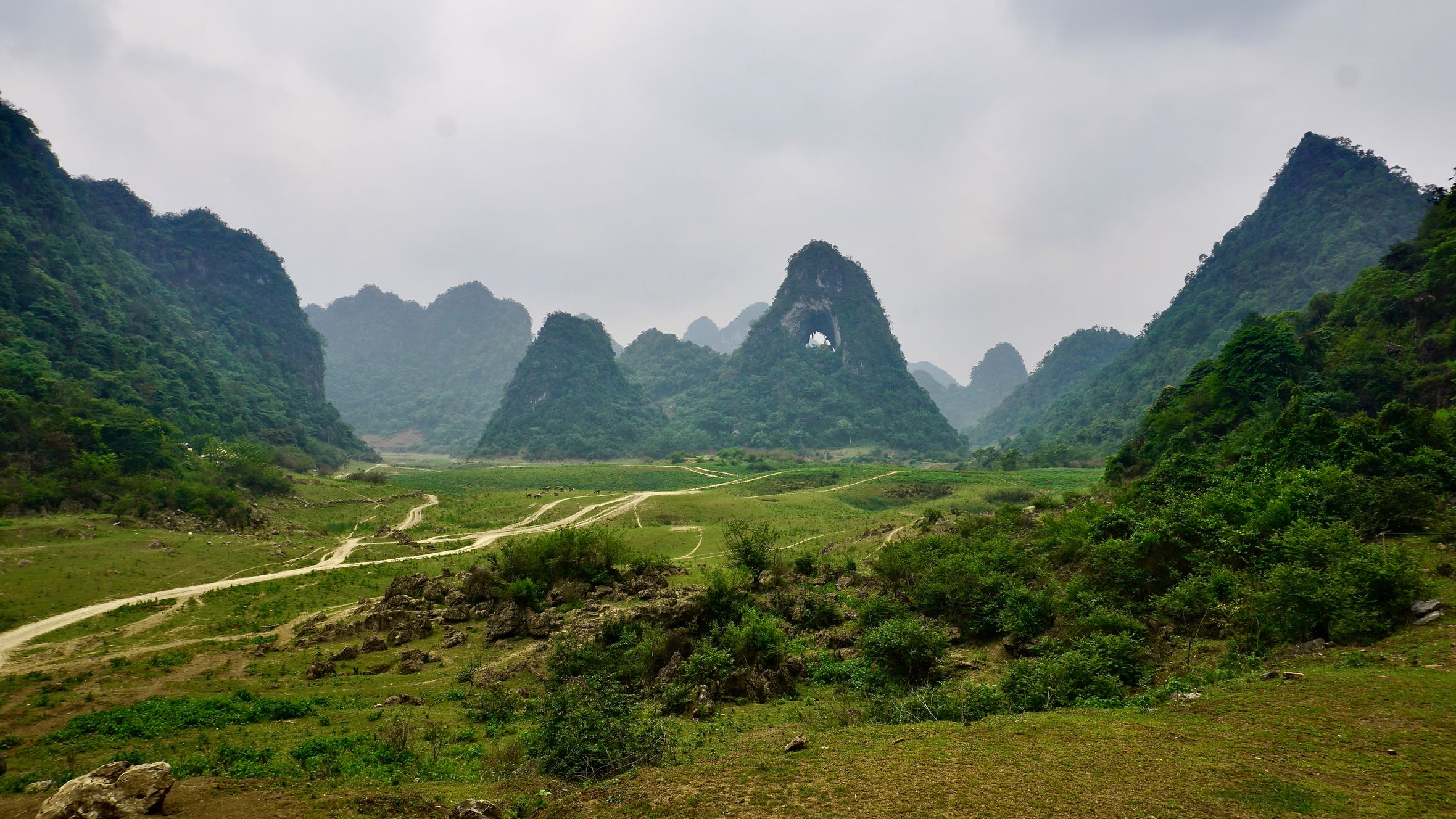
What Ban Pac Ngoi is — and why it matters
Ban Pac Ngoi is a small Tay ethnic minority village sitting right on the southern shore of Ba Be Lake, deep in the limestone valleys of Vietnam (베트남 / 越南 / ベトナム)'s northern highlands. The village has been here for generations — families living in traditional stilt houses, fishing the lake, farming rice in the narrow valleys between karst ridges. Over the past decade or so, a handful of these stilt houses have opened their doors to travelers as homestays, making Pac Ngoi the main base for exploring Ba Be National Park.
This isn't a resort setup. It's a working village of maybe 40 households where chickens wander under the stilts and fishing nets dry on bamboo poles by the water. The tourism infrastructure is basic — that's part of the appeal.
Why travelers go
Ba Be Lake is the largest natural freshwater lake in Vietnam, roughly 8 km long, ringed by forested limestone mountains. Pac Ngoi is the most convenient village to stay in for lake access — you're essentially sleeping 30 meters from the water.
People come here for the quiet. If you've been doing the Hanoi–Sapa–Ha Long Bay circuit and want something with fewer tour buses and more actual stillness, Ba Be delivers. The lake, the caves, the river valleys — it all feels comparatively untouched. You won't find crowds here on a Tuesday in October.
Best time to visit
The sweet spot is September through November and March through May. September and October get you the tail end of the rainy season when the lake is full, the waterfalls are running hard, and the rice terraces in surrounding valleys are gold or bright green. Mornings can be misty on the water — genuinely atmospheric.
Avoid December through February if you dislike cold. This is the northern highlands above 150 meters elevation, and winter nights drop to 8-10°C. The homestays have blankets but no heating. July and August are peak domestic tourism months; the village gets busier and prices nudge up.
How to get there from Hanoi
Ban Pac Ngoi is roughly 240 km north of Hanoi (하노이 / 河内 / ハノイ), and the journey takes 5.5 to 7 hours depending on your transport.
Bus
The most common budget option: take a bus from Hanoi's My Dinh bus station to Bac Kan town (around 180,000–220,000 VND, 4–5 hours). From Bac Kan, you'll need a local bus or "xe om" (motorbike taxi) for the remaining 60 km to Ba Be Lake and Pac Ngoi village. The local leg runs about 80,000–120,000 VND by motorbike or more if you arrange a car. Some homestay owners will pick you up from Bac Kan town if you book ahead — ask when you reserve.
Motorbike
If you're riding your own bike from Hanoi, take Highway 3 north through Thai Nguyen, then continue to Bac Kan and follow signs toward Ba Be National Park. Roads are paved the whole way but get winding and narrow past Bac Kan. Budget a full day.
Tour or private car
Private car from Hanoi runs roughly 2,500,000–3,500,000 VND one way. A few operators in Hanoi run 2–3 day Ba Be packages that include transport, boat trips, and homestay.

Photo by Quang Nguyen Vinh on Pexels
What to do
1. Boat trip on Ba Be Lake
This is the main event. Hire a boat (typically a long wooden motorboat) through your homestay for a half-day circuit: across the lake, through the narrow Puong Grotto where the Nang River passes under a limestone cliff, and into the Dau Dang waterfall area. A boat for 4–6 people runs about 400,000–600,000 VND for the trip. Go early morning when the water is calm and the light is soft.
2. Kayak the lake
Several homestays rent kayaks for 50,000–100,000 VND per hour. Paddling along the shoreline at dusk, when the karst walls turn purple and the village smoke rises, is one of the better evenings you'll have in northern Vietnam.
3. Hike to Hua Ma Cave
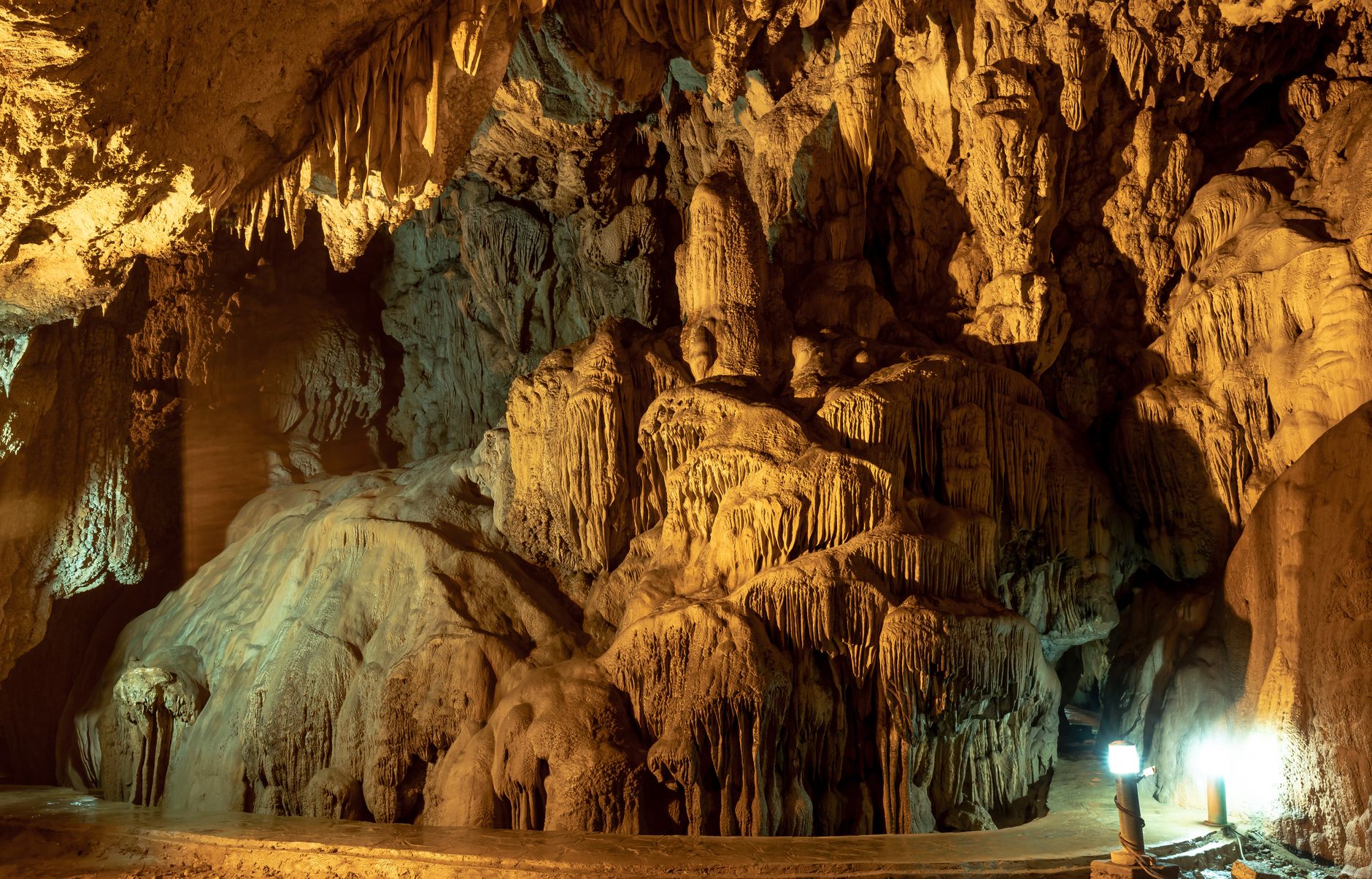
About 6 km from the village, Hua Ma is a large dry cave in the limestone karst. The walk there passes through rice paddies and small Tay hamlets. Entry is around 40,000 VND. Bring a headlamp — the cave is partially lit but not everywhere.
4. Cycle the valley roads
Borrow or rent a bicycle from your homestay and ride the single-lane roads connecting villages around the lake's southern end. There's almost no traffic. You'll pass rice fields, fish ponds, bamboo groves, and a lot of curious kids.
5. Visit a Tay weaving family
Some households in Pac Ngoi still weave traditional indigo-dyed textiles on floor looms. Your homestay host can point you to the right house. It's informal — you watch, you ask questions, you buy a scarf if you want one.
Where to eat nearby
Most visitors eat at their homestay, and honestly, that's the right call. Homestay dinners are communal — dishes laid out on a low table on the stilt house floor — and typically include grilled lake fish, stir-fried greens, bamboo shoot soup, and sticky rice.
Two things worth seeking out:
- Grilled "ca" (fish) from Ba Be Lake: freshwater fish wrapped in banana leaf and grilled over charcoal. Simple, smoky, good with rice wine.
- "Xoi ngu sac" (five-color sticky rice): a Tay specialty dyed with natural plant extracts — purple, red, yellow, green, white. You'll see this at homestay breakfasts or at small stalls near the national park entrance.
There's no restaurant strip here. A couple of small "quan" (eateries) near the park ticket office sell "pho" and rice plates for 30,000–50,000 VND.
Where to stay
Almost everyone stays in homestays in Pac Ngoi itself. You sleep on mattresses on the floor of a wooden stilt house, usually with mosquito nets.
- Budget homestays: 150,000–250,000 VND per person per night, including dinner and breakfast. Basic but clean. Shared bathroom.
- Mid-range homestays: 350,000–500,000 VND per person. Private rooms, better mattresses, hot water showers, slightly more polished dinner service.
- Ba Be National Park guesthouse: about 1 km from Pac Ngoi, rooms from 400,000–700,000 VND. More conventional hotel setup if stilt-house living isn't your thing.
Book ahead on weekends and holidays. During midweek low season, you can often just show up.
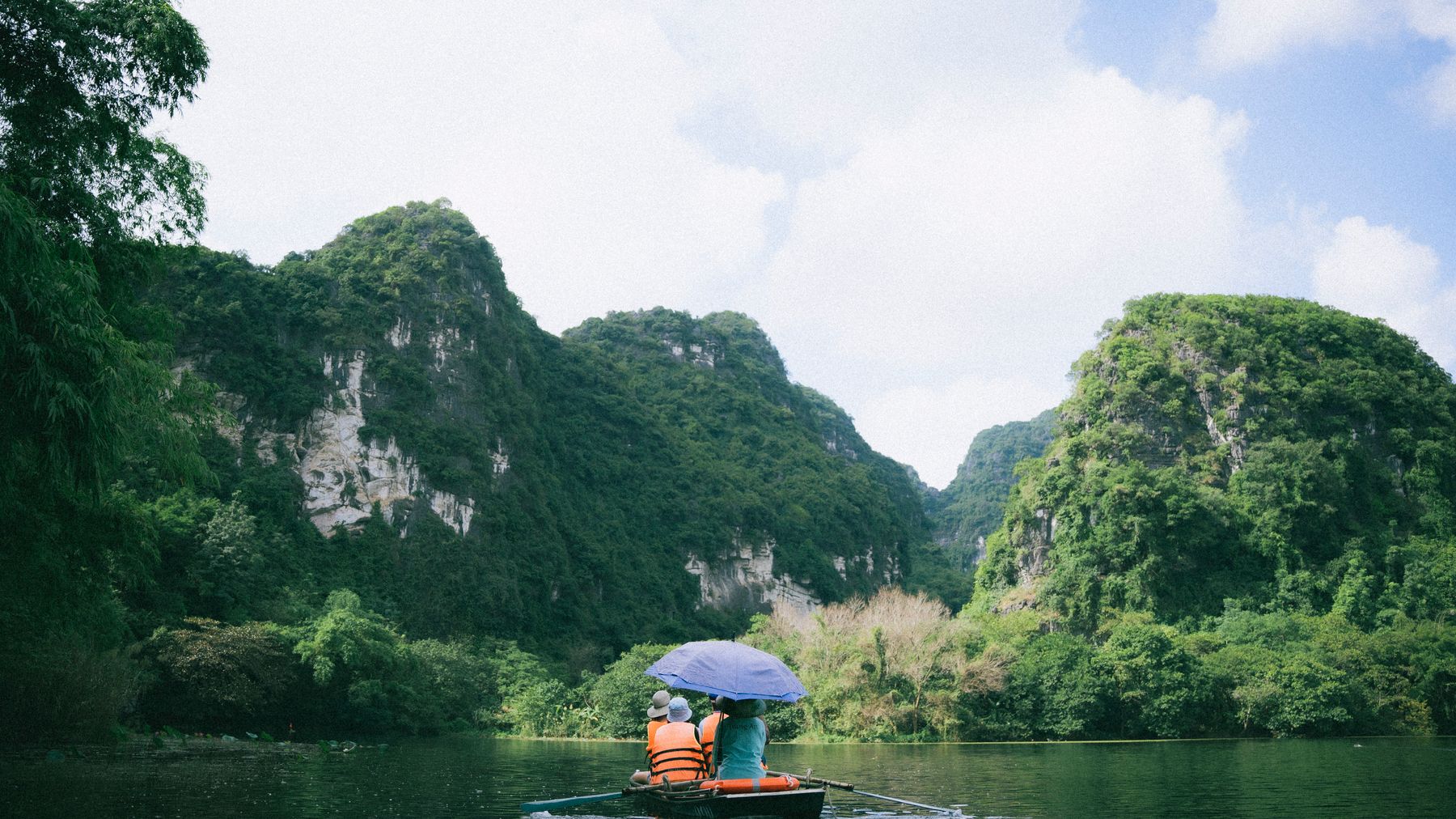
Photo by Bid on Pexels
Practical tips locals would tell you
- Bring cash. There are no ATMs in Pac Ngoi and no card readers. The nearest ATM is in Bac Kan town, 60 km away.
- Pack layers. Even in summer, mornings on the lake are cool. In shoulder seasons, you'll want a fleece for evenings.
- Bring insect repellent. The lake means mosquitoes, especially at dusk.
- Learn two Tay phrases. "Slao bjooc" (hello) and "Khap lai" (thank you) go a long way. Hosts appreciate the effort.
- National park entry fee is 40,000 VND per person. Keep your ticket — they check at the caves and waterfall.
Common mistakes to avoid
- Trying to do it as a day trip from Hanoi. The drive is too long. Two nights minimum to actually enjoy the lake without feeling rushed.
- Skipping the boat trip to save money. It's 100,000–150,000 VND per person split among a group. The lake and Puong Grotto are the whole reason you came here.
- Expecting Wi-Fi and hot showers everywhere. Some homestays have both; some have neither. Ask before booking if it matters to you.
- Arriving without confirming your homestay. Phone signal is patchy. Confirm by text or call the day before, not the morning of.
Practical notes
Ban Pac Ngoi works best as a 2–3 night stop on a longer northern Vietnam loop — pair it with Ha Giang to the northwest or return through Thai Nguyen and continue to Hanoi. The village is quiet, the lake is real, and the pace is about as slow as Vietnam gets. That's the point.
Last updated · Apr 12, 2026 · independently researched, never sponsored.