Che Cu Nha sits at roughly 1,000 meters elevation in the Mu Cang Chai district, now part of the merged Lao Cai province. If you've seen photos of impossibly green rice terraces cascading down forested mountains and wondered where they were taken — there's a good chance it was here or in the neighboring communes along the Khau Pha pass.
What it is
Che Cu Nha is a commune of scattered Hmong hamlets spread across a valley about 35 km southwest of Mu Cang Chai town. The landscape is defined by terraced rice paddies — some carved into slopes so steep they look sculptural. The terraces here, along with those in La Pan Tan and De Xu Phinh, received national heritage recognition in 2007. Unlike Sapa, which has been a tourism destination for over a century, Che Cu Nha remains largely agricultural. Most visitors are Vietnamese photographers chasing the golden rice season. Foreign travelers are still rare enough that kids will stare.
Why travelers go
Three reasons: the terraces, the isolation, and the drive to get there. The terraces are genuinely spectacular during flooding season (May–June) and harvest (late September–early October). But even in the green growing months of July and August, the valley has a quality of light and silence that Sapa (사파 / 沙坝 / サパ) lost years ago. There are no ticket booths, no cable cars, no hotel towers. You're looking at a working agricultural landscape, not a theme park version of one.
The road in — particularly the Khau Pha pass section of Highway 32 — is one of northern Vietnam (베트남 / 越南 / ベトナム)'s great mountain drives, rivaling anything on the Ha Giang loop.
Best time to visit
- Late September to mid-October: Peak season. The rice turns gold before harvest. Expect more visitors (mostly Vietnamese photographers) and higher homestay prices. Book ahead.
- May to June: Flooding season. Terraces become mirrors reflecting sky and clouds. Fewer visitors. Roads can be muddy.
- July to August: Lush green terraces. Afternoon rain is common but mornings are usually clear. Good balance of scenery and solitude.
- November to March: Post-harvest. Terraces are brown and dry. Cold at elevation — temperatures can drop to 5–8°C at night. Not the prettiest time, but you'll have the place entirely to yourself.
How to get there
From Hanoi
The most common route is Hanoi → Mu Cang Chai via Highway 32, passing through Nghia Lo and over the Khau Pha pass. Total distance: about 280 km. By motorbike, budget 7–9 hours depending on your pace and how many times you stop on Khau Pha (you will stop many times). By car or private driver, 6–7 hours.
There's no direct bus to Che Cu Nha. Sleeper buses run from Hanoi's My Dinh station to Mu Cang Chai town (around 200,000–250,000 VND, departing evening, arriving early morning). From Mu Cang Chai town, you'll need a xe om (motorbike taxi) for the remaining 35 km — negotiate 150,000–200,000 VND one way.
From Sapa or Lao Cai city
Since the provincial merger, Che Cu Nha is technically in the same province as Sapa, but the road connection is indirect. Most travelers route through Than Uyen. Distance from Sapa: approximately 150 km, 4–5 hours by motorbike on mountain roads.
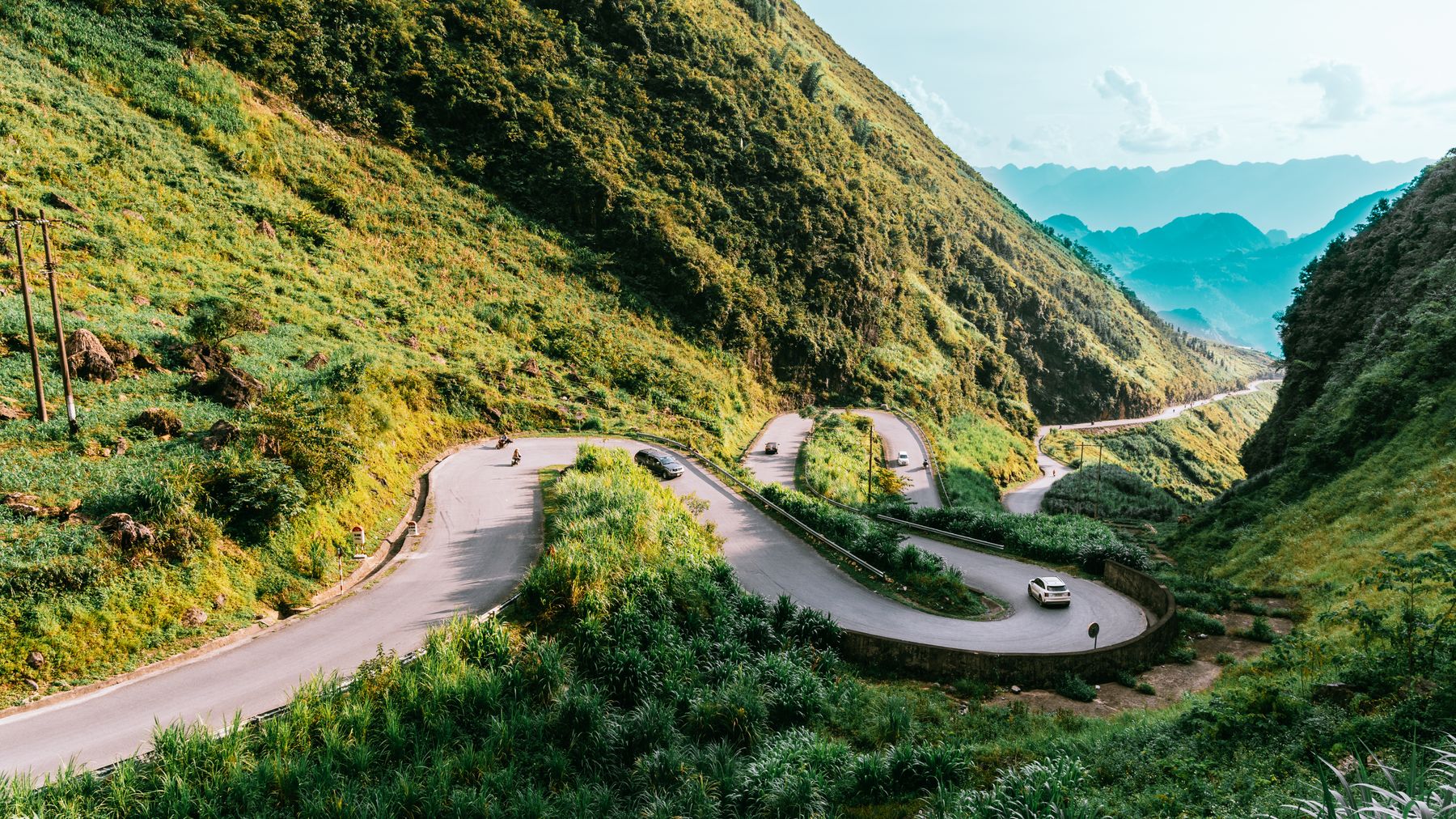
Photo by Nguyễn Sơn Tùng on Pexels
What to do
Walk the terraces
No guide is strictly necessary — paths between hamlets are visible and locals are used to the occasional wanderer. The most photogenic viewpoints are along the road between Che Cu Nha and La Pan Tan. Early morning (before 7 AM) gives you mist rising off the paddies. A half-day walk covering 8–10 km connects several viewpoints and passes through two or three hamlets.
Visit a Hmong market
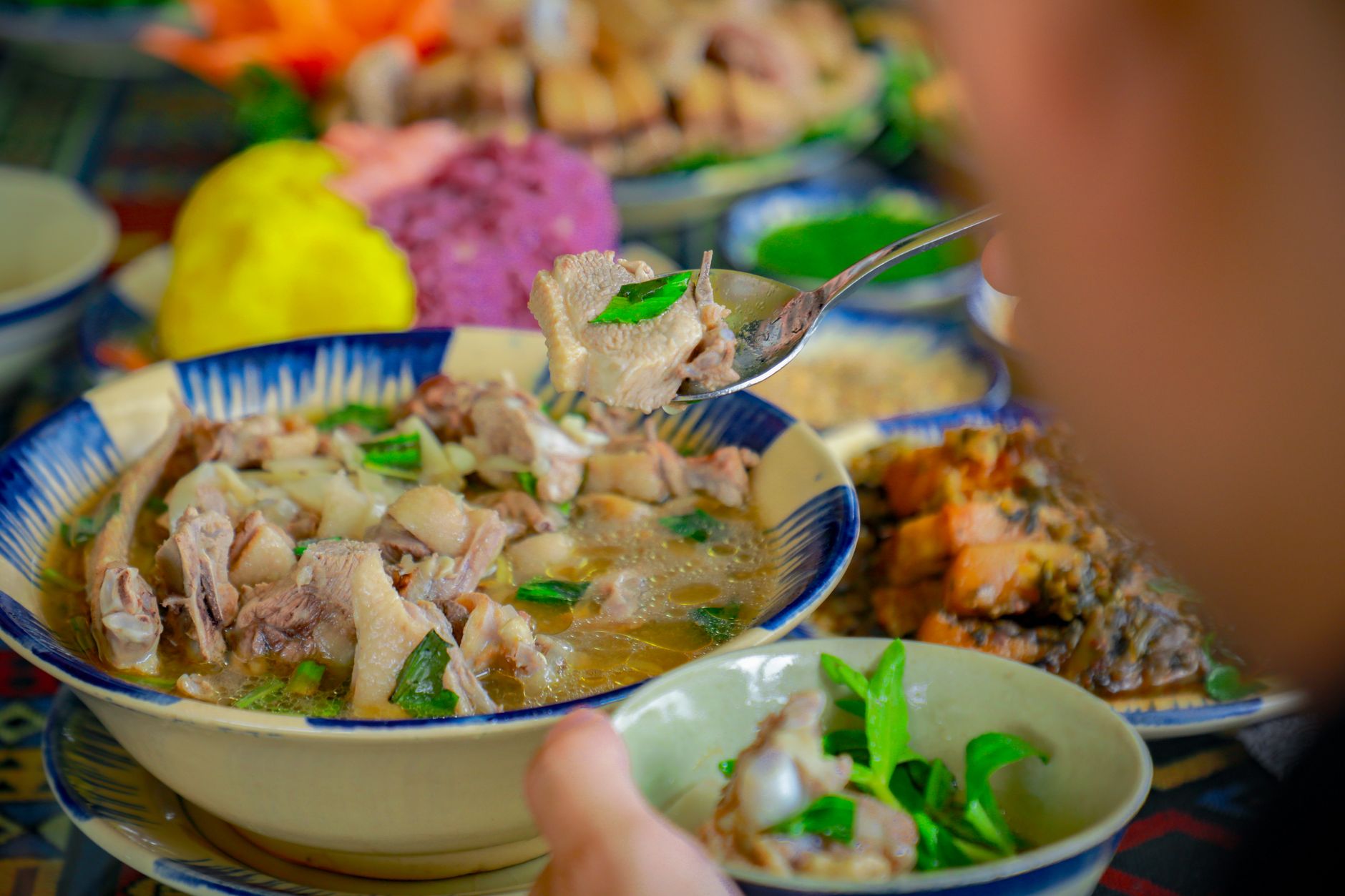
Mu Cang Chai's market runs daily but is busiest on Sunday mornings. It's not a tourist market — expect livestock trading, cheap Chinese goods, and Hmong women in full traditional dress buying fabric. The "thang co" (horse meat stew) stalls are worth trying if you're not squeamish.
Ride the Khau Pha pass
The 30-km stretch of Highway 32 over the Khau Pha pass deserves its own half-day. Multiple pullover points offer views down into the Tu Le valley. The road surface is decent asphalt but narrow — watch for trucks on blind corners.
Tu Le hot springs
About 20 km from Che Cu Nha, the town of Tu Le has natural hot springs and is known for its sticky rice ("com nep Tu Le"). Worth a lunch stop or overnight if you want a soak after a day of riding.
Where to eat
Don't expect restaurants. Che Cu Nha's food situation is homestay meals or nothing. Homestay hosts serve family-style dinners — typically rice, stir-fried vegetables, a pork or chicken dish, and "ruou ngo" (corn wine, which is strong and offered generously). A full dinner and breakfast usually costs 100,000–150,000 VND per person on top of the room rate.
In Mu Cang Chai town, a handful of "com pho" shops along the main road serve basic pho and rice plates for 30,000–50,000 VND. Nothing fancy, but fuel for the road.
Where to stay
Homestays are the only option in Che Cu Nha itself. These are simple wooden Hmong houses with mattresses on the floor, shared bathrooms, and limited hot water. Expect 150,000–250,000 VND per person per night including meals. During harvest season, the better-known homestays fill up — ask your host to call ahead if possible.
For more comfort, stay in Mu Cang Chai town where basic hotels with private rooms, hot showers, and wifi run 300,000–500,000 VND per night.
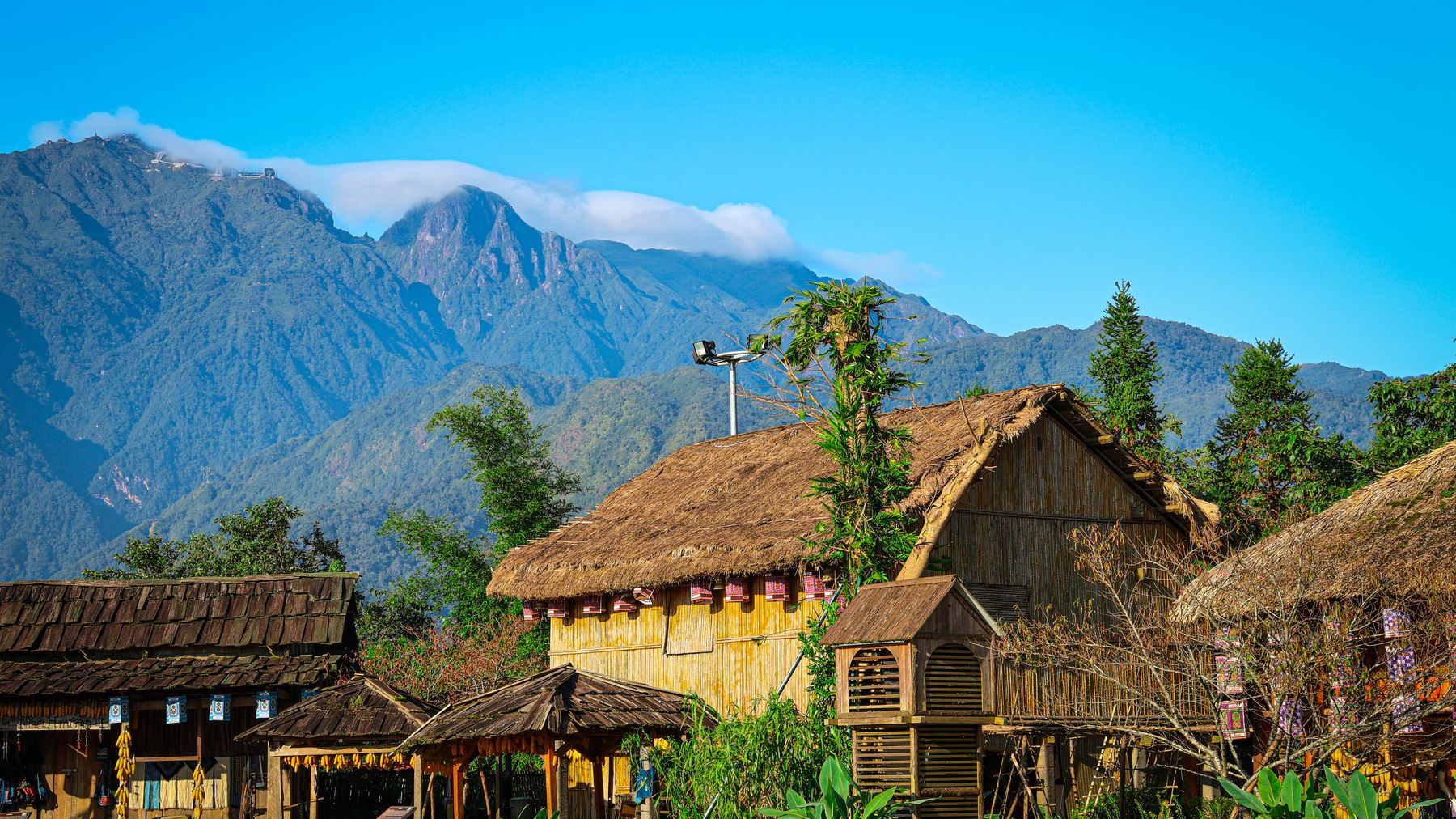
Photo by Haneul Trac on Pexels
Practical tips
- Cash only: No ATMs in Che Cu Nha. The nearest ATM is in Mu Cang Chai town — and it sometimes runs out. Bring enough dong from Hanoi or Nghia Lo.
- Phone signal: Viettel works in most of the valley. Mobifone is patchy. Don't rely on mobile data for navigation — download offline maps.
- Fuel: Fill up in Mu Cang Chai town. There's no petrol station between there and Tu Le.
- Language: Very little English spoken anywhere in this area. Basic Vietnamese or a translation app helps significantly. Hmong is the first language in the hamlets.
Common mistakes
- Coming on a day trip from Sapa: The drive is too far for a comfortable return. Plan at least one overnight.
- Visiting in November expecting green terraces: The harvest is done by mid-October. Check timing carefully.
- Not bringing warm layers: Even in summer, mornings at 1,000 meters are cool. In winter, it's genuinely cold.
- Flying a drone without asking: Hmong communities are often wary of drones. Ask your homestay host before launching one over someone's village.
Final note
Che Cu Nha rewards travelers willing to tolerate some discomfort — basic beds, mountain roads, limited food options — in exchange for landscapes that most of Vietnam's tourist trail can no longer offer without a crowd in the frame. It won't stay this quiet forever, but for now it still is.
Last updated · May 29, 2026 · independently researched, never sponsored.