What It Is
Cang va Don Nghia Lo — the old garrison and military post of Nghia Lo — sits in the Muong Lo valley, one of the largest rice-producing flatlands in the northern highlands. The site is a preserved French colonial-era military compound that saw action during the early 1950s when Vietnamese forces took control of the northwestern region. Today it's a modest heritage site: a reconstructed watchtower, original stone foundations, informational plaques, and a small memorial area shaded by old frangipani trees.
The compound isn't large — you can walk the grounds in 30 minutes — but it anchors a visit to Nghia Lo town and the broader Muong Lo valley, which is home to a dense concentration of Black Thai communities, some of the best rice terraces outside of Sapa, and a slower pace that the bigger tourist circuits haven't reached yet.
Why Travelers Go
Most people who end up at Cang va Don Nghia Lo are passing through on motorbike loops between Hanoi and Ha Giang, or doing the less-traveled route from Hanoi to Sapa (사파 / 沙坝 / サパ) via Nghia Lo and Mu Cang Chai instead of the highway through Lao Cai city. The site gives historical context to the valley and works as a short stop rather than a full-day destination.
The real draw is the setting. Nghia Lo town is the gateway to Muong Lo valley — the second-largest valley in the northwest after Muong Thanh (Dien Bien). Thai stilt houses line the surrounding villages, and the area hosts the "xoe" dance performances during festivals. If you're interested in ethnic minority culture without Sapa's tourist density, this is the quieter alternative.
Best Time to Visit
Two windows stand out:
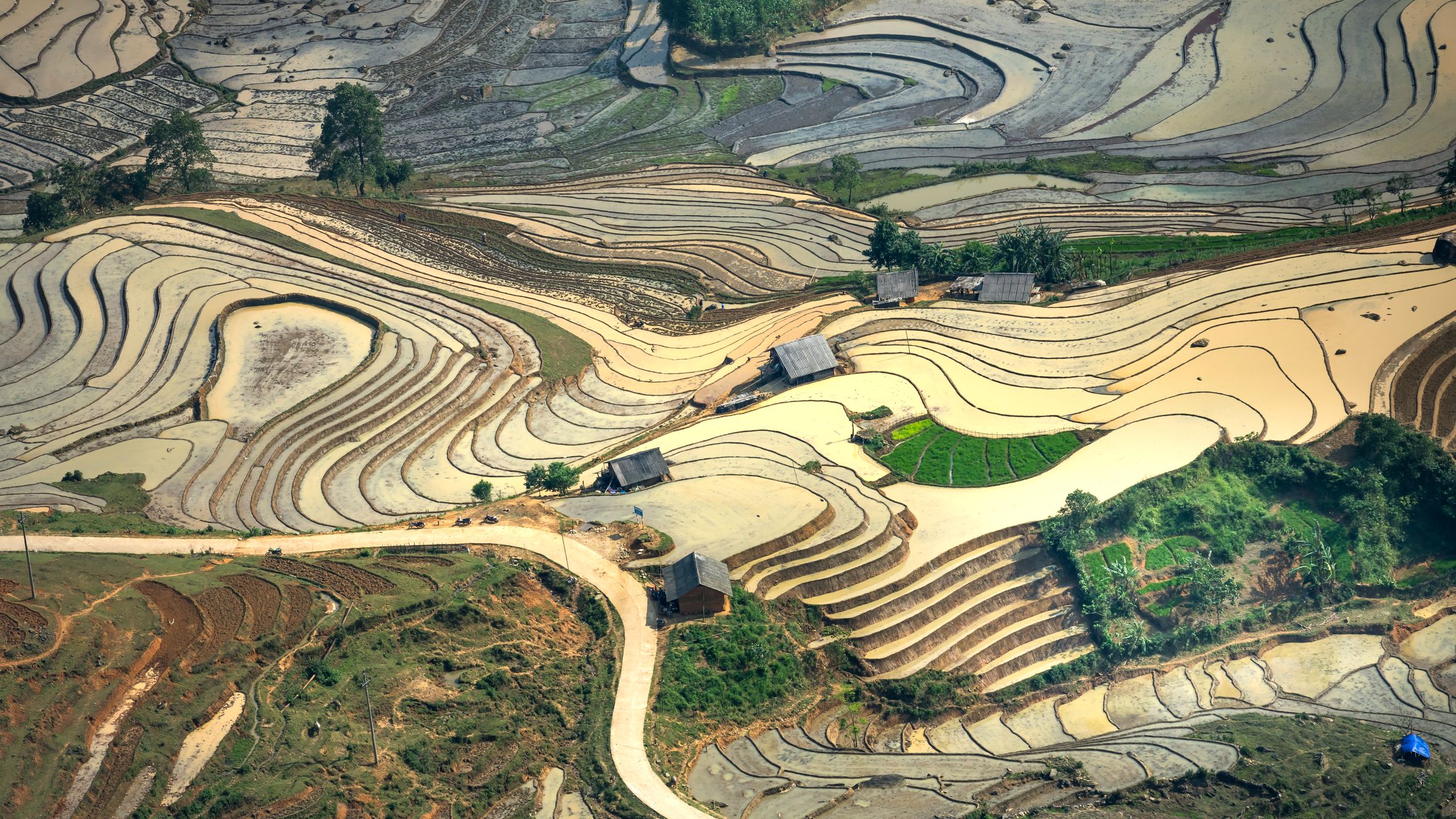
- September to early October: Rice terraces between Nghia Lo and Mu Cang Chai hit peak golden color. This is the famous season that photographers chase. The heritage site itself is uncrowded year-round, but visiting during harvest means the whole valley is at its most photogenic.
- Late April to May: Green season. The paddies are flooded and freshly planted, creating mirror-like reflections. Fewer visitors than autumn, cooler mornings.
Avoid late November through February if you dislike cold fog. Temperatures drop to 8-12°C at night, and the valley can be socked in for days.
How to Get There
From Hanoi (하노이 / 河内 / ハノイ), Nghia Lo is roughly 180 km northwest — about 4.5 hours by car or bus via the Son Tay-Phu Tho route. Buses from My Dinh station (Hanoi) run to Nghia Lo town; expect to pay around 150,000-180,000 VND for the one-way ticket.
If you're on a motorbike loop, Nghia Lo sits naturally on the Hanoi–Mu Cang Chai–Sapa route. From Hanoi, ride west on QL32 through Thu Cuc and over Khau Pha pass, or take the faster (less scenic) route through Phu Tho province.
The heritage site is right in Nghia Lo town center, on Nguyen Thai Hoc street. No taxi needed — it's walkable from any guesthouse in town.

Photo by Quang Nguyen Vinh on Pexels
What to Do
At the Site
Walk the perimeter walls, read the history panels (Vietnamese only — bring Google Translate's camera mode), and climb the reconstructed watchtower for a view over Nghia Lo's low rooftops toward the paddy fields. There's a small exhibition room with photographs and artifacts. Entry is free.
In the Muong Lo Valley
- Village visits: Ban Sai Na and Ban Pon are Thai villages within 3-5 km of town. Stilt houses, rice wine offered by hosts, weaving looms on the ground floor. Go in the morning before it gets hot.
- Suoi Giang tea hills: About 20 km from Nghia Lo, ancient tea trees (some over 300 years old) grow on misty hillsides. You can buy fresh tea directly from Thai families here — expect 100,000-200,000 VND per 500g for high-quality "shan tuyet" snow tea.
- Hot springs at Ban Hao: A natural hot spring about 8 km outside town. Locals bathe here in the early morning. Basic facilities, no entrance fee.
- Market mornings: Nghia Lo's central market runs daily but is liveliest before 7 AM. Look for "xoi ngu sac" (five-color sticky rice), smoked buffalo meat, and hill-region rice wine sold in recycled water bottles.
Where to Eat
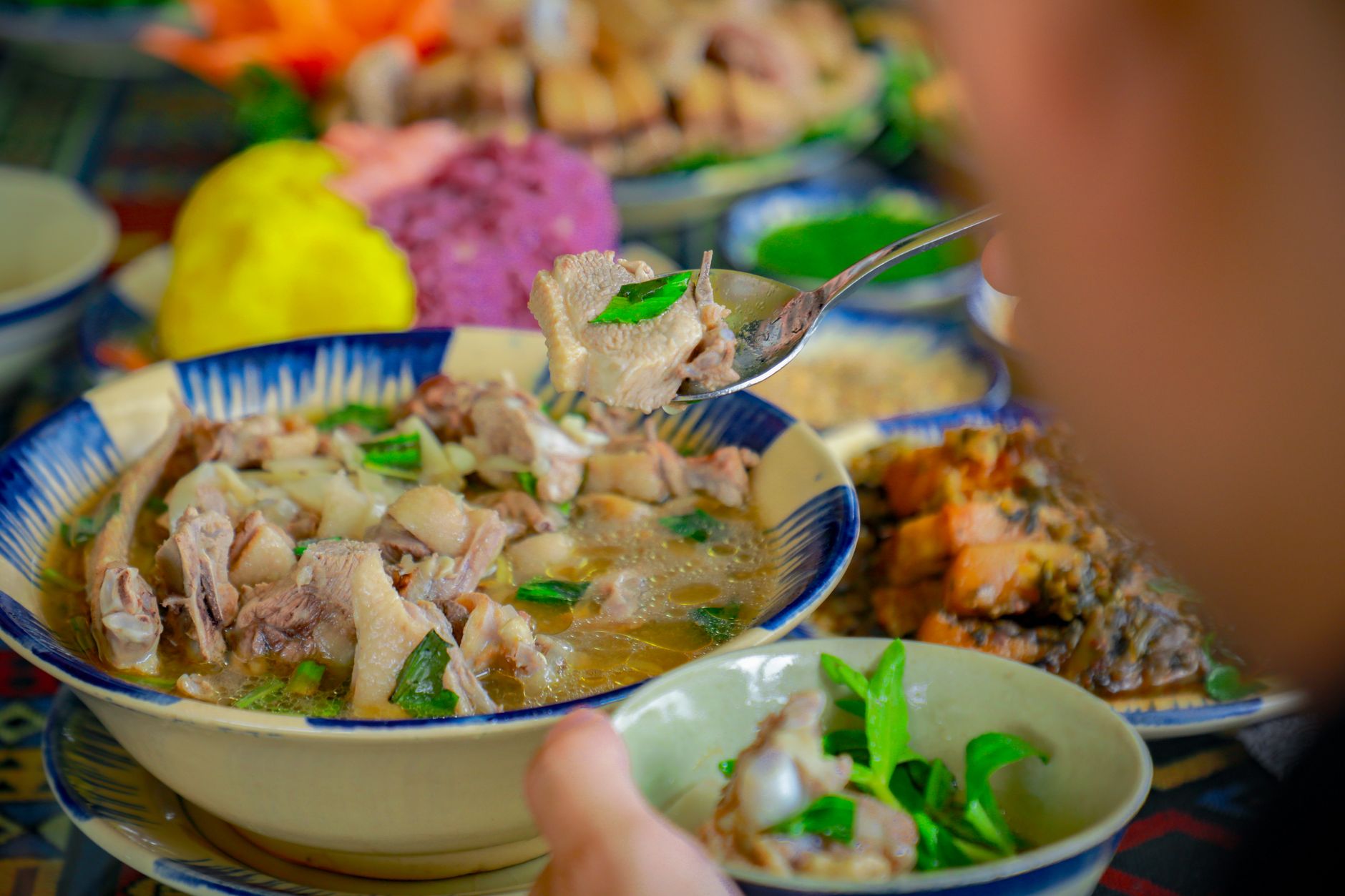
Nghia Lo isn't a food destination in the pho or banh mi sense — it's Thai highland cooking. Look for:
- "Com lam" — sticky rice cooked inside bamboo tubes over charcoal. Sold at market stalls and roadside shops for 15,000-20,000 VND per tube.
- Grilled stream fish wrapped in banana leaves with local herbs. Several small restaurants on the road toward Ban Pon serve this.
- "Thit trau gac bep" — smoked buffalo meat hung above kitchen fires for weeks. Chewy, intensely savory, usually served sliced thin with rice wine.
- Nghia Lo night market area (weekends): A stretch of food stalls sets up along the main road near the stadium. Grilled meats, sticky rice, and local corn wine.
For Vietnamese coffee, there are a few basic cafes on Nguyen Thai Hoc street near the heritage site — nothing fancy, but the views over the valley from second-floor balconies make up for the instant-coffee-with-condensed-milk default.
Where to Stay
- Homestays in Thai stilt houses: The best option. Families in Ban Sai Na and nearby villages rent rooms for 200,000-400,000 VND/night including dinner and breakfast. You'll sleep on mattresses on the wooden floor — it's comfortable enough.
- Nghia Lo town guesthouses: Basic but clean, 250,000-500,000 VND. Look for Nha Nghi signs along the main road. Hot water is standard; air conditioning is rare and unnecessary most of the year.
- Muong Lo Resort: The one mid-range option, about 2 km from town center. Around 800,000-1,200,000 VND/night with proper rooms, a pool, and valley views.
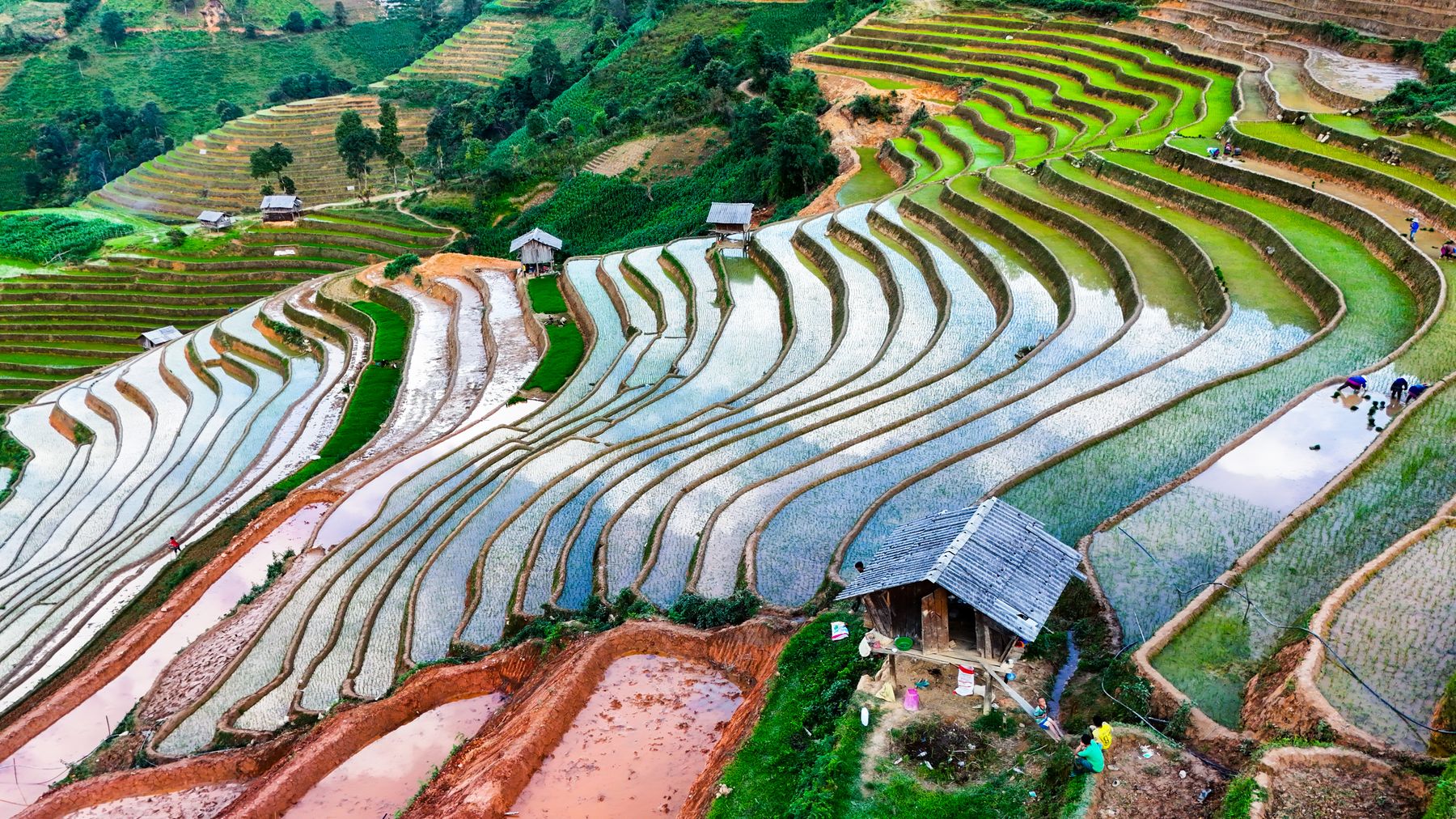
Photo by GIANG VU on Pexels
Practical Tips
- Language: Almost no English spoken. Download Vietnamese on Google Translate offline before you arrive.
- Cash only: No ATMs accept foreign cards reliably. Withdraw in Hanoi or Yen Bai city before heading up.
- Fuel: Fill up in Nghia Lo town if you're continuing to Mu Cang Chai — the next reliable petrol station is 60 km away over mountain roads.
- Respectful visits: In Thai villages, remove shoes before entering stilt houses. Don't photograph altars without asking. A small gift (fruit, snacks) is appreciated when visiting homes.
Common Mistakes
- Rushing through: Most riders treat Nghia Lo as a fuel stop between Hanoi and Mu Cang Chai. Spending one night here — especially in a homestay — gives you the valley morning light and the village rhythm that drive-throughs miss entirely.
- Coming for the heritage site alone: It's a 30-minute visit. Plan it as one piece of a half-day exploring the valley, not the sole reason to detour.
- Skipping Suoi Giang: The ancient tea hills are genuinely remarkable and rarely visited by foreign travelers. Worth the 40-minute ride from town.
Practical Notes
Cang va Don Nghia Lo works best as part of a broader northwest loop — combine it with Mu Cang Chai and continue to Sapa or loop back through Than Uyen. One night in the valley is enough; two nights if you want to explore Suoi Giang and the hot springs without rushing. The site itself is minor, but the Muong Lo valley around it is the real reward.
Last updated · May 26, 2026 · independently researched, never sponsored.