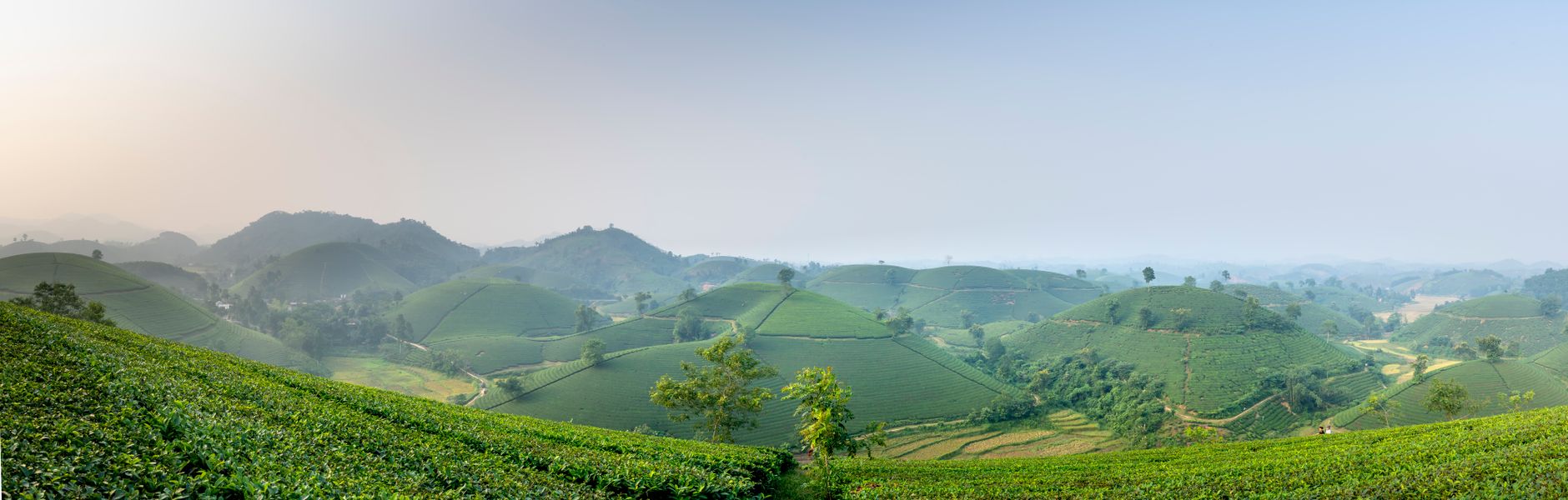
Thac Dau Dang sits inside Ba Be National Park territory, in the far northeast of what is now Thai Nguyen province following the 2025 merger with the former Bac Kan province. It's one of the largest waterfalls in northern Vietnam (베트남 / 越南 / ベトナム) — not a thin trickle you squint at from a viewing platform, but a genuinely forceful stretch of rapids and cascades on the Nang River, dropping through layered limestone over roughly 300 meters of river length. If you're heading to the Ba Be Lake area, this waterfall is part of the package. If you're not heading to Ba Be Lake, it might be reason enough to go.
What it is
Thac Dau Dang is less a single dramatic drop and more a violent series of cascades where the Nang River forces itself through a narrow limestone gorge. The water churns over huge boulders and drops in stages, creating a stretch of white water that's loud enough to drown out conversation. The gorge walls on either side are dense with old-growth forest. The whole site sits within Ba Be National Park, about 17 km from Ba Be Lake itself.
Locally, the waterfall has long been significant to the Tay ethnic community living in the surrounding villages. The name roughly translates to "head of the rapids," which is accurate — this is where the calm Nang River turns aggressive before eventually feeding into Ba Be Lake's system.
Why travelers go
Most people visit Thac Dau Dang as part of a Ba Be Lake trip, and that makes sense — the lake, the waterfall, and Puong Cave form a natural triangle of things to do in the national park. But Thac Dau Dang on its own is worth the detour because it feels genuinely wild. This isn't a manicured tourist waterfall with concrete steps and selfie railings. The trail in is rough, the forest is thick, and the water is serious. During rainy season, the volume is intimidating.
For anyone coming from Hanoi looking for nature that doesn't involve a tour bus queue, this area delivers.
Best time to visit
The sweet spot is September through November. The rainy season (June–August) fills the river and makes the falls dramatic, but trails get slippery and boat access can be unreliable. By September, water levels are still high but the worst of the rain has passed. October and November give you strong flow plus drier weather for hiking.
December through February is cooler and drier — pleasant for trekking, but the falls lose some of their power. March to May is dry season; the cascades thin out noticeably. You'll still see water, but it's a different experience.
How to get there
From Hanoi (하노이 / 河内 / ハノイ), the most practical route is to head to Ba Be National Park first, then access the waterfall from there.
- Bus from Hanoi to Ba Be town (Cho Ra): Buses depart from My Dinh bus station. The ride takes roughly 6–7 hours and costs around 200,000–250,000 VND. Some buses go direct to Cho Ra; others drop you in Bac Kan town (now part of Thai Nguyen province), where you transfer to a local bus or xe om for the remaining 60 km.
- Motorbike from Hanoi: About 270 km, mostly on QL3 heading north. Count on 6–7 hours with breaks. The road is decent but winding after Bac Kan town.
- From Ba Be Lake to Thac Dau Dang: The standard approach is by boat on the Nang River — a roughly 3 km ride from the boat dock near Ba Be Lake, then a 1–2 km walk through the forest. Boat hire runs about 400,000–600,000 VND for a return trip (price is per boat, not per person, so split with others if you can). Alternatively, there's a hiking trail from the park entrance area, roughly 5 km one way through dense forest.

Photo by Claire Dao on Pexels
What to do
Walk the gorge trail
The footpath from the river drop-off point to the main cascade is uneven and crosses some rocky sections. It takes 30–45 minutes depending on your pace and the conditions. The trail runs along the river, and you'll hear the falls well before you see them. Wear shoes with grip — flip-flops are a bad idea here.
Swim in the rock pools
Below the main cascades, there are natural pools where the current calms down enough to swim. In dry season and early wet season, these are deep, clear, and cold. Check conditions before jumping in — after heavy rain, the current near the falls is no joke.
Take the boat through the Nang River gorge
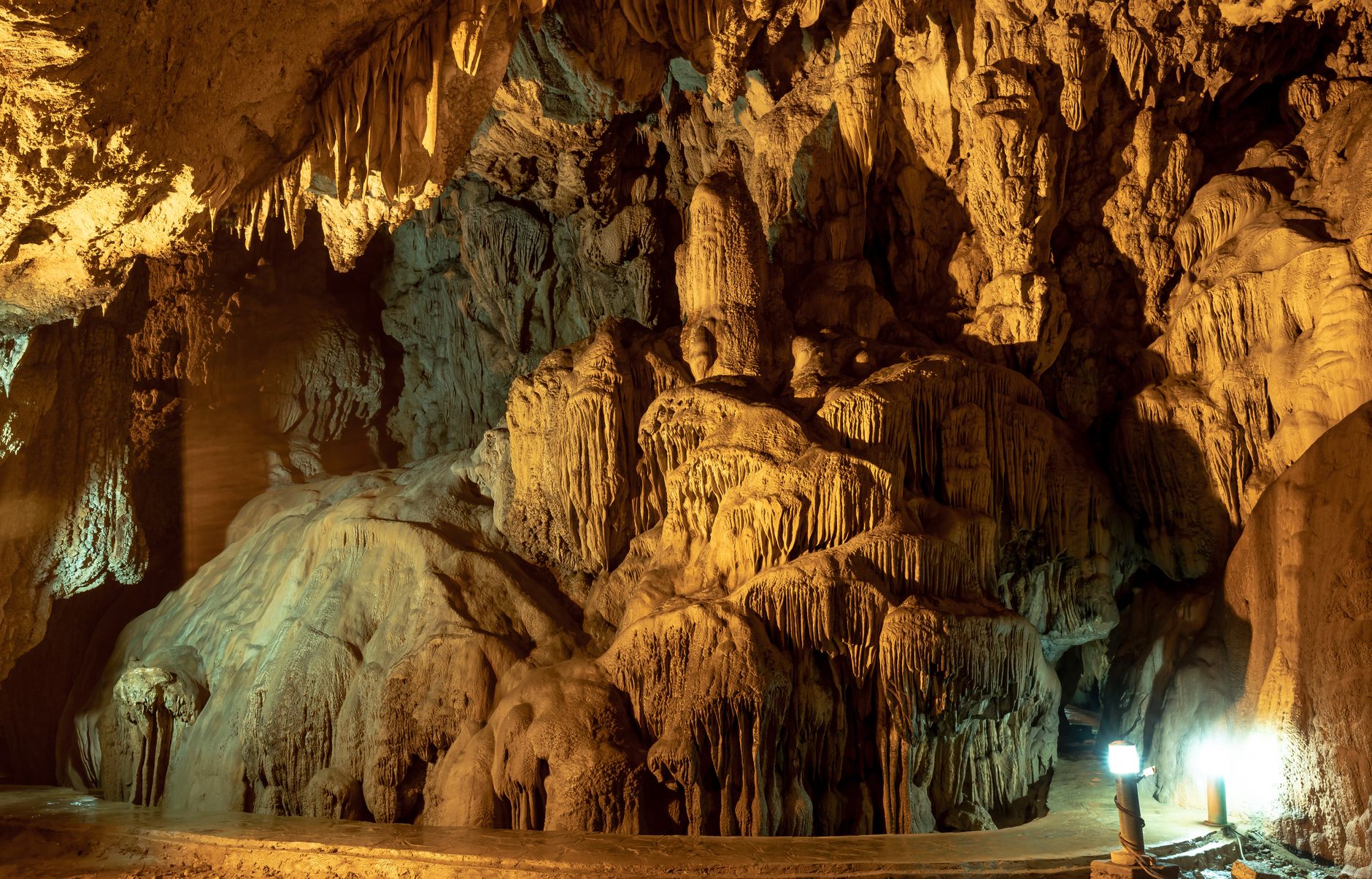
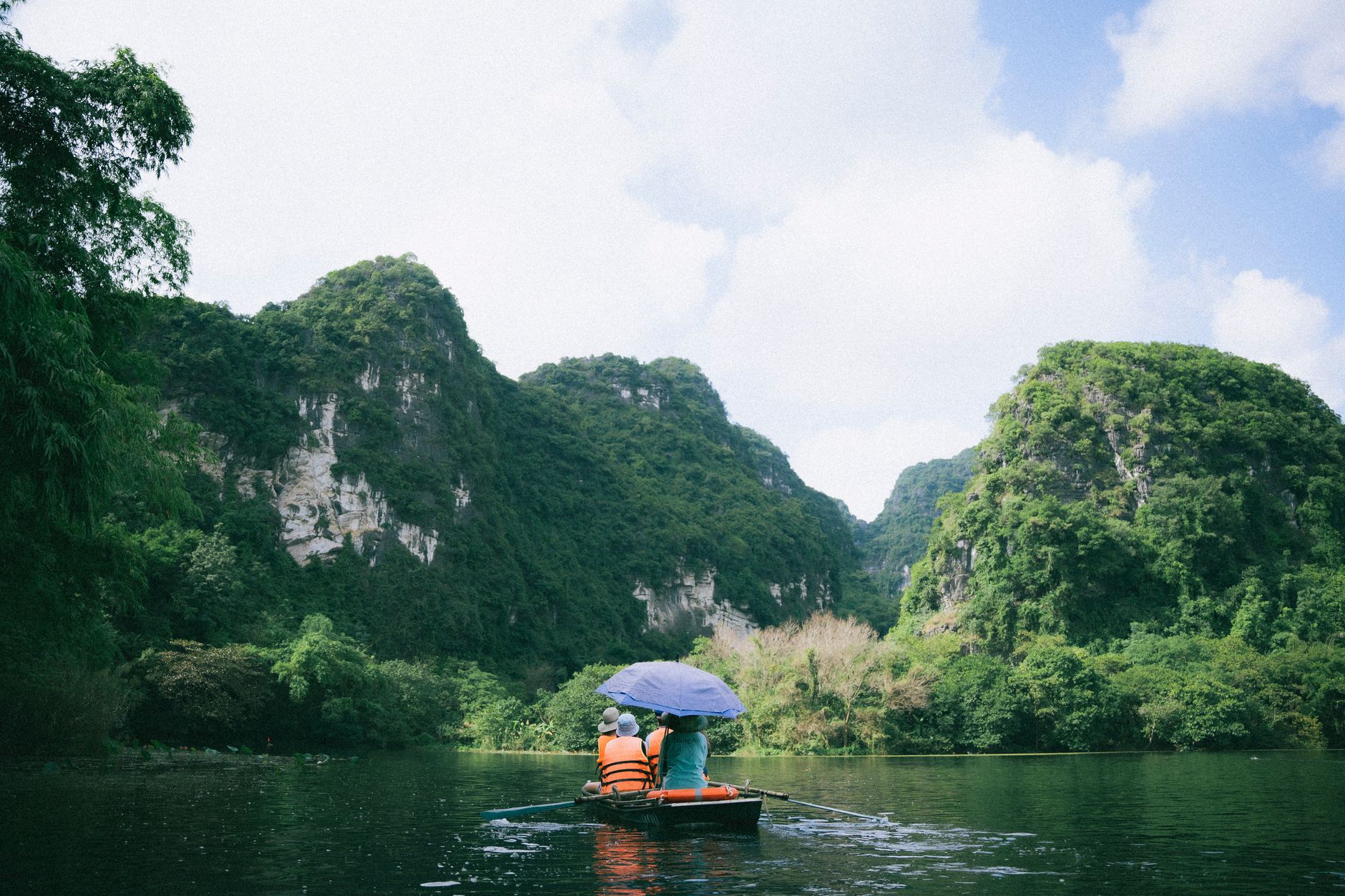
The boat ride to Thac Dau Dang is half the experience. The Nang River narrows between high limestone cliffs draped in vegetation, and the water is green-black and still. It's one of the most atmospheric river rides in the north. Combine it with a stop at Puong Cave on the way — the cave sits right along the river route and is home to a huge bat colony.
Visit a Tay village
Several Tay communities live near the national park, and some offer homestay accommodation and guided walks. Pac Ngoi village, on the shore of Ba Be Lake, is the most accessible. It's not directly at the waterfall, but it's a natural base for the area.
Hike deeper into Ba Be National Park
If you have two days, use the waterfall visit as one leg of a longer loop through the park. Rangers at the park office can arrange guided treks that connect the waterfall, the lake, and the surrounding forest. Expect to pay around 300,000–500,000 VND for a local guide per day.
Where to eat nearby
This is rural northeast Vietnam — don't expect restaurant rows. Most meals happen at homestays or small com binh dan (everyday rice) places in Cho Ra town.
Look for "com lam" — sticky rice cooked inside bamboo tubes over charcoal. It's a Tay specialty and common around Ba Be. Pair it with grilled stream fish or "thit trau gac bep" (buffalo meat smoked over the kitchen hearth for weeks). Both are regional dishes you won't easily find in Hanoi.
Where to stay
- Homestays near Ba Be Lake (Pac Ngoi village): 150,000–300,000 VND per person per night, usually including dinner and breakfast. Basic but atmospheric — you sleep in a traditional stilt house.
- Guesthouses in Cho Ra town: 250,000–500,000 VND per room. More privacy, hot water, but less character.
- Ba Be National Park guesthouse: Around 400,000–600,000 VND per room. Clean, functional, close to the boat dock.

Photo by Quang Nguyen Vinh on Pexels
Practical tips locals would tell you
- Bring cash. There are a couple of ATMs in Cho Ra town, but nothing at the lake or waterfall. Don't rely on card payments.
- Hire a local boatman, not a tour package. You'll pay less and have more flexibility. Negotiate at the dock.
- Pack a rain jacket even in dry season. The gorge traps moisture and afternoon showers appear fast in the mountains.
- Bring mosquito repellent. The forest around the falls is thick, and the insects know it.
- Start early. The boat ride plus the hike takes a solid half-day. Leave by 7:30 AM to avoid rushing.
Common mistakes to avoid
- Trying to do it as a day trip from Hanoi. It's technically possible but miserable — 13+ hours of driving for a couple of hours at the falls. Spend at least one night at Ba Be Lake.
- Wearing the wrong shoes. The trail is rocky, wet, and uneven. Sandals won't cut it.
- Skipping the boat ride and driving to the trailhead. The river approach through the gorge is half the reason to come. Don't shortcut it.
- Visiting only the waterfall and ignoring Ba Be Lake. The lake, the caves, and the surrounding Tay villages form a complete trip. Budget two full days for the area.
Practical notes
Ba Be National Park charges an entry fee of 40,000 VND per person. The waterfall is included in that fee. If you're combining this with a broader northern Vietnam loop — say, Ha Giang or Cao Bang's Ban Gioc Waterfall — the Ba Be area slots in naturally as a stop between Hanoi and the far north. The roads aren't fast, but they're scenic, and the lack of crowds is the whole point.
Last updated · Jun 14, 2026 · independently researched, never sponsored.